What Local Conditions Do
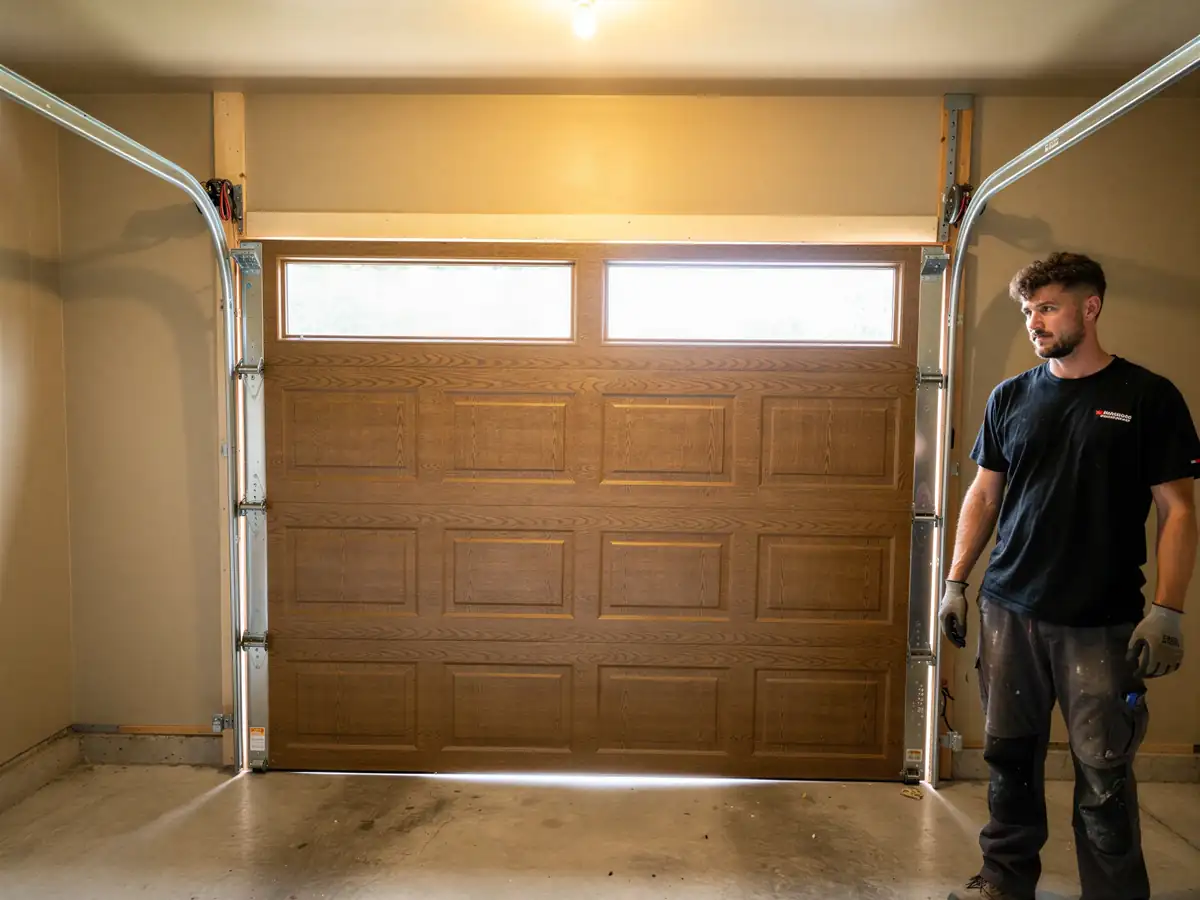
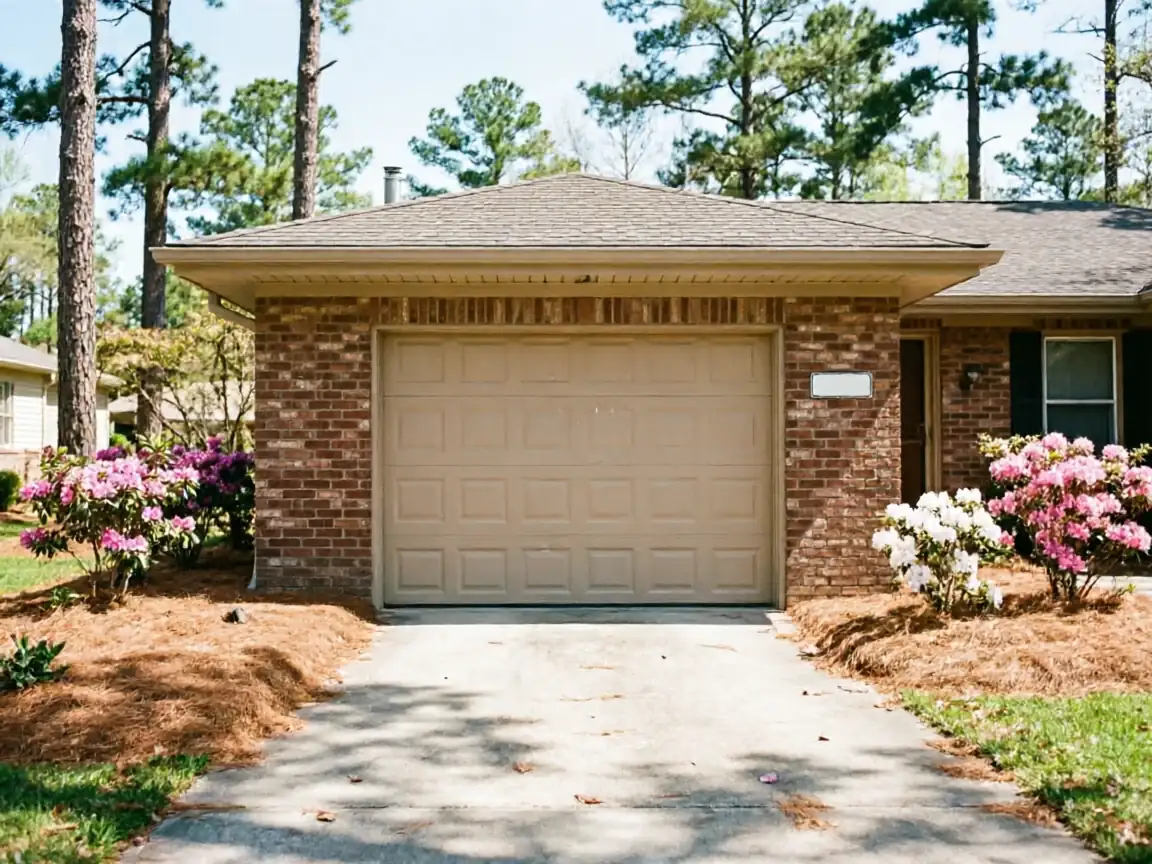
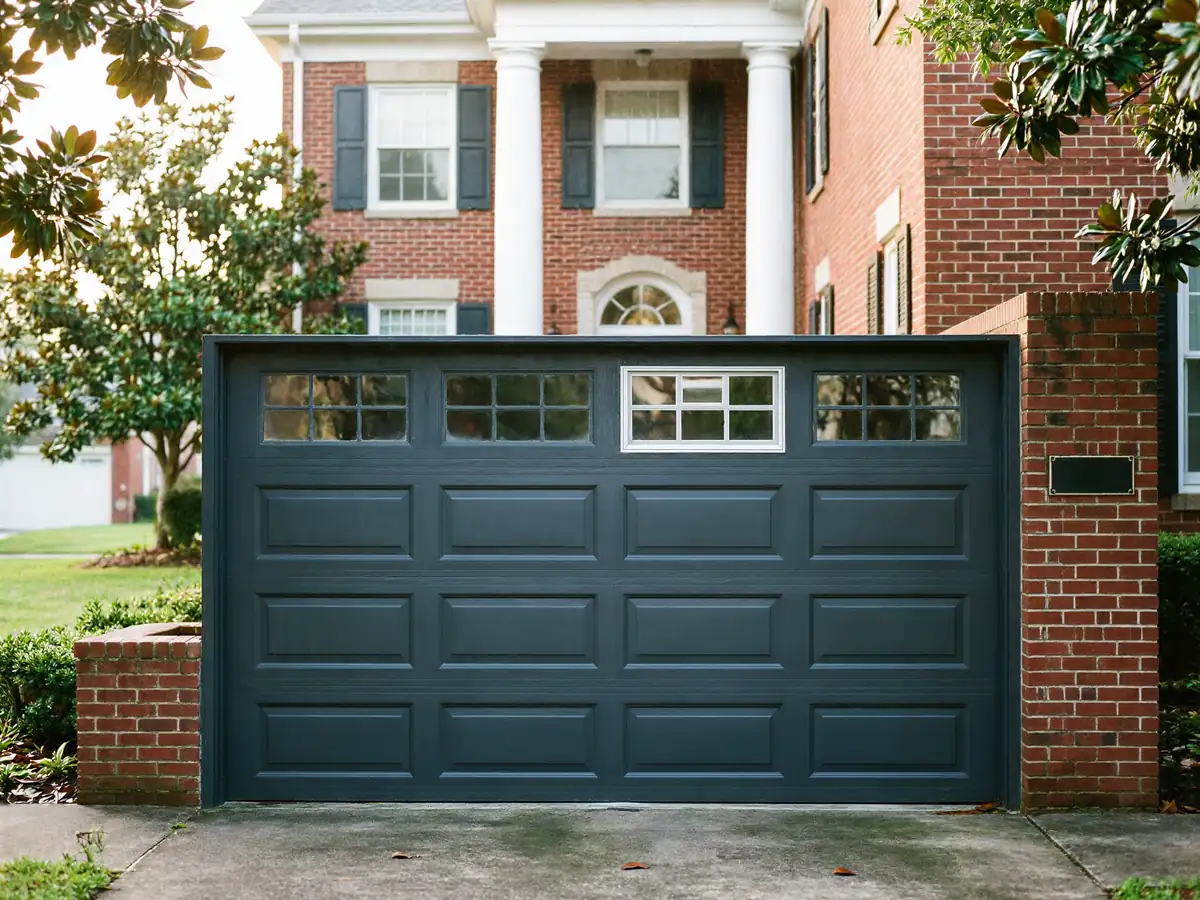
Most of the housing stock around here went up between 1954 and 2005, with the bulk of it in the 1960s and 70s across the 18 named areas we work in, from Brandermill and Woodlake to Bon Air. That range matters because it means three generations of door hardware are still in service on the same streets - older extension-spring setups next to 1990s torsion systems next to doors installed in the last remodel. A service call has to start by figuring out which era you're dealing with before anything else.
The cold-moderate climate band this area sits in also shapes what fails first. Winters bring real temperature swings, and steel tracks and springs that sat fine all summer tighten up and lose lubrication when the first hard cold snap hits. That's not a dramatic weather event, just the ordinary cycle a door goes through every year here, and it's the reason a lot of calls cluster around the same seasonal stretch rather than being random.
When to Get Help
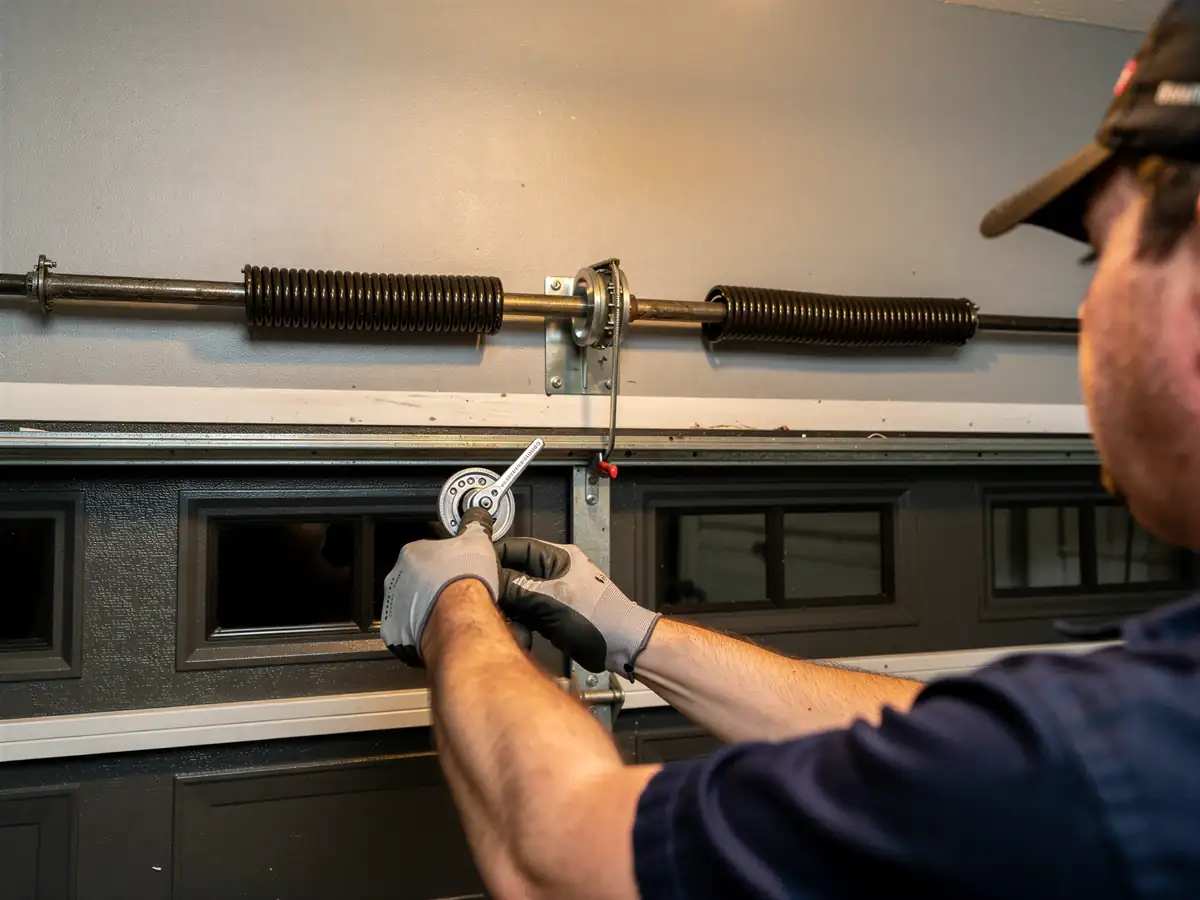
If your door is original to a house built in the 1960s or 70s - which covers a lot of this market - and it's never had the torsion spring replaced, that spring is on borrowed time regardless of how the door looks or sounds. Call before it breaks, not after, especially if you've noticed the door getting heavier to lift by hand or the opener straining on the up-cycle.
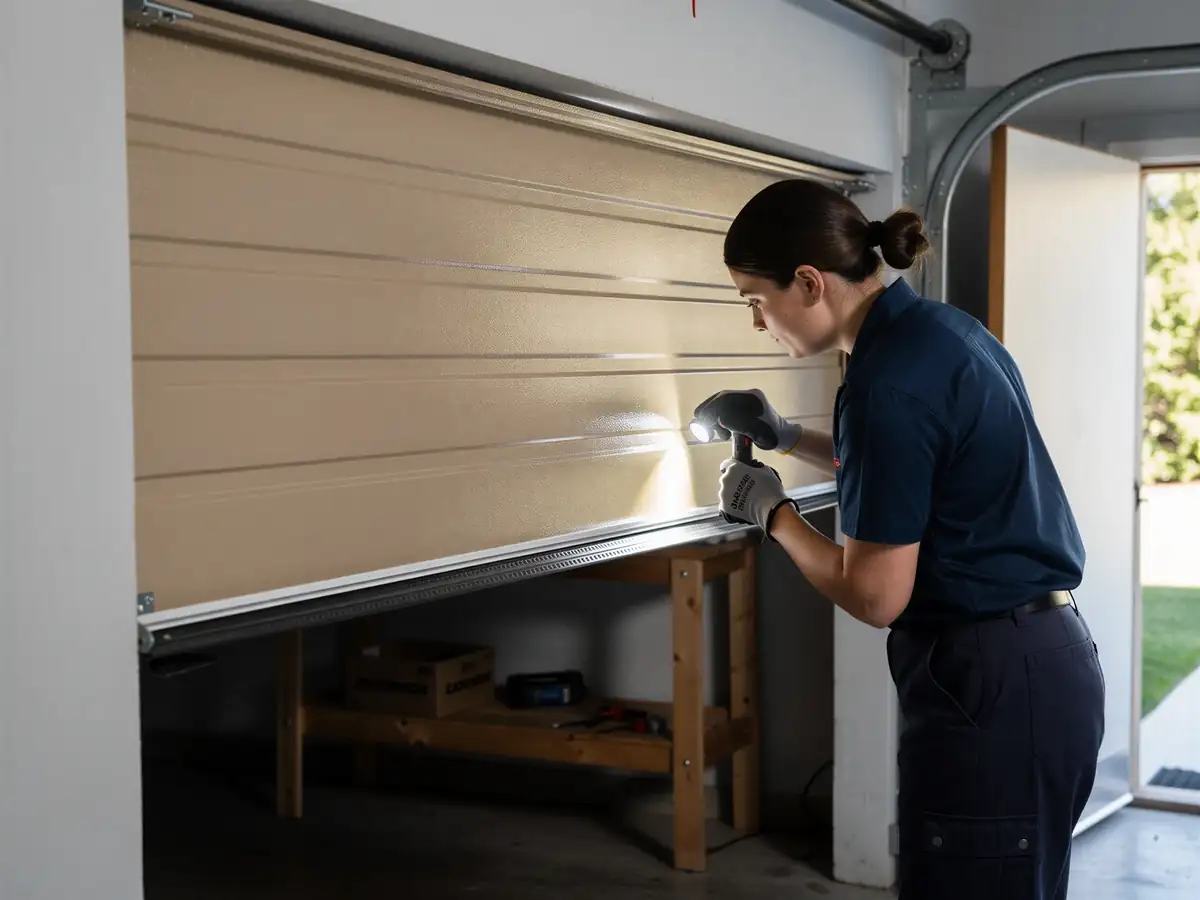
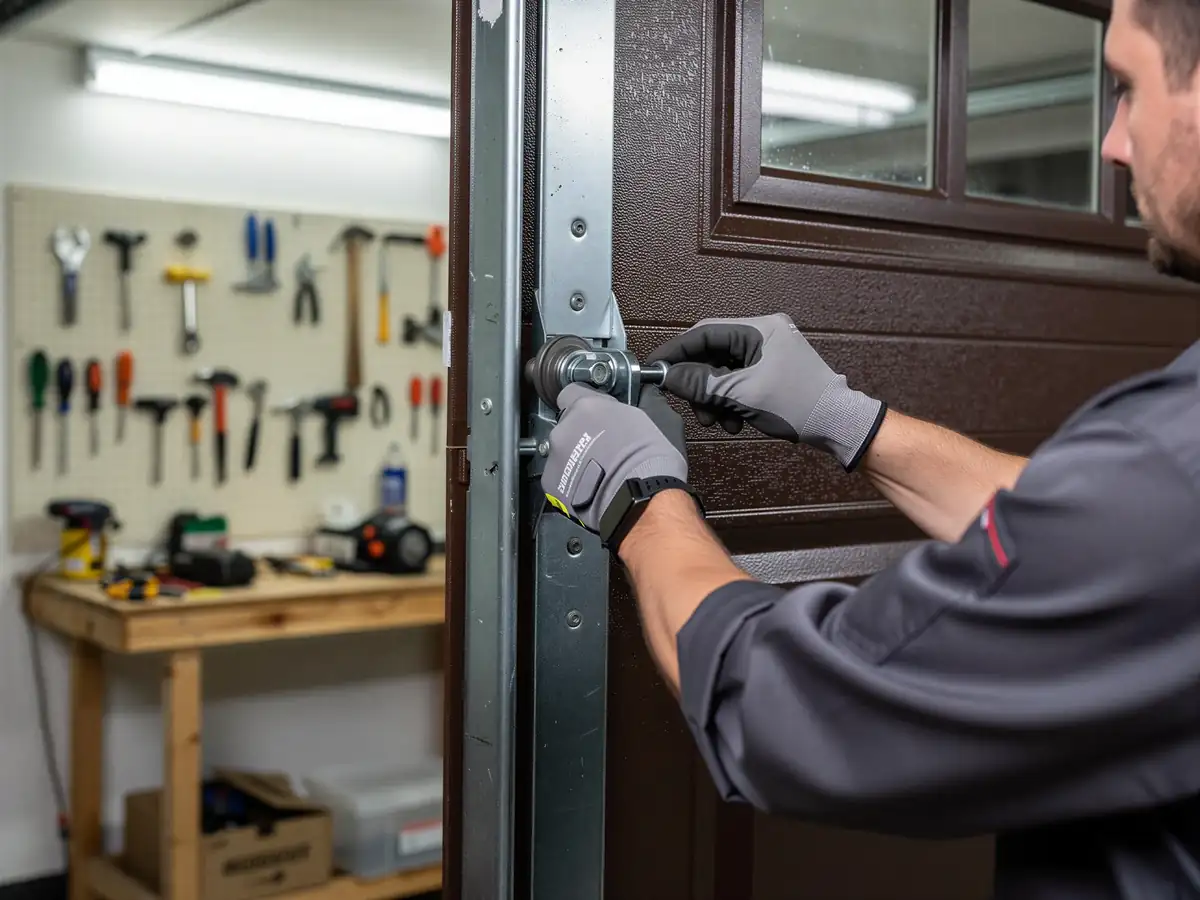
A sagging panel, a cable that's started to fray, or a track that's visibly bent at the bottom bracket are all reasons to get someone out before you try the door again. We'd rather look at it once while it's still working than get the call after a spring lets go under load and someone's hand or car is near it.
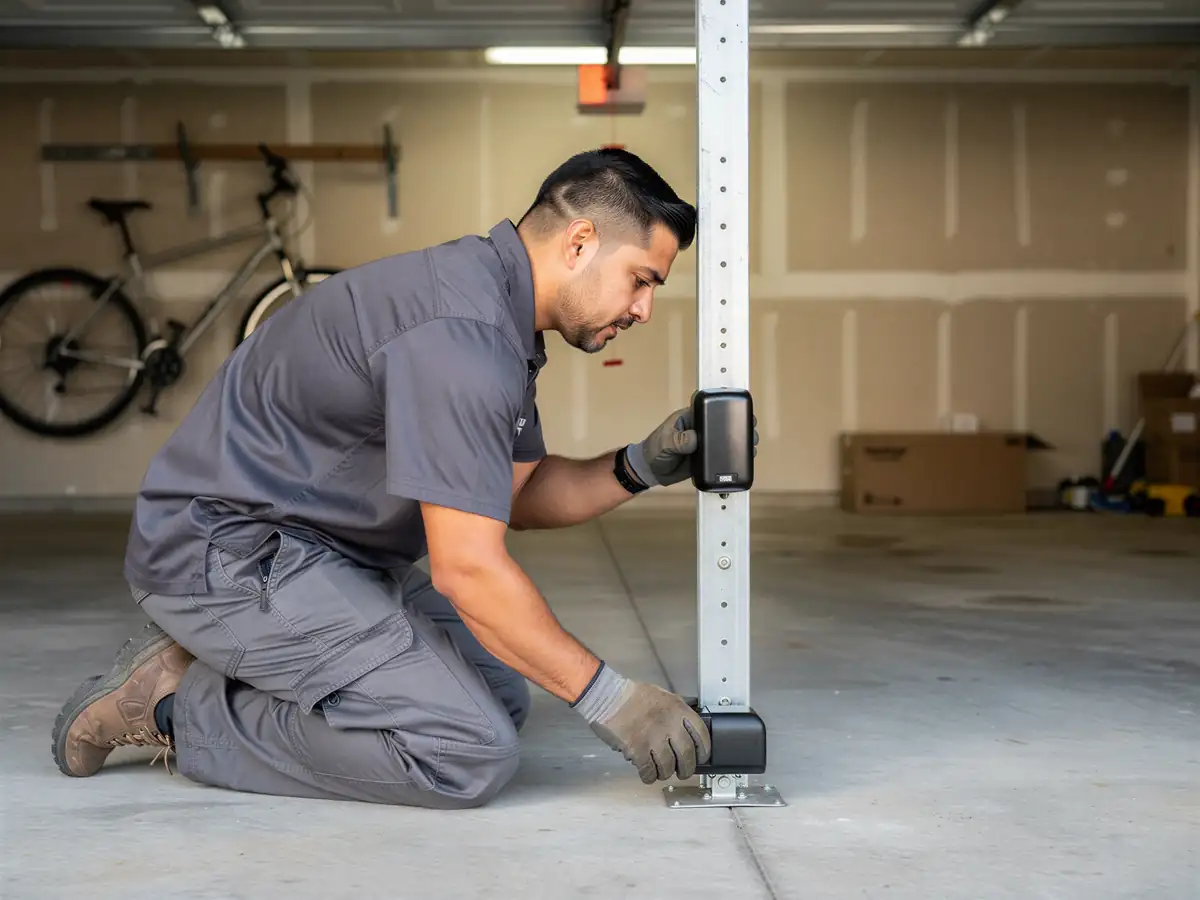
If the house is newer construction, closer to 2005 than 1960, the hardware is usually in better shape, but the opener's logic board and sensors are the parts more likely to be the actual problem rather than anything mechanical.
What Most People Get Wrong
The most common mistake we see is someone spraying WD-40 on a noisy track and calling it maintenance
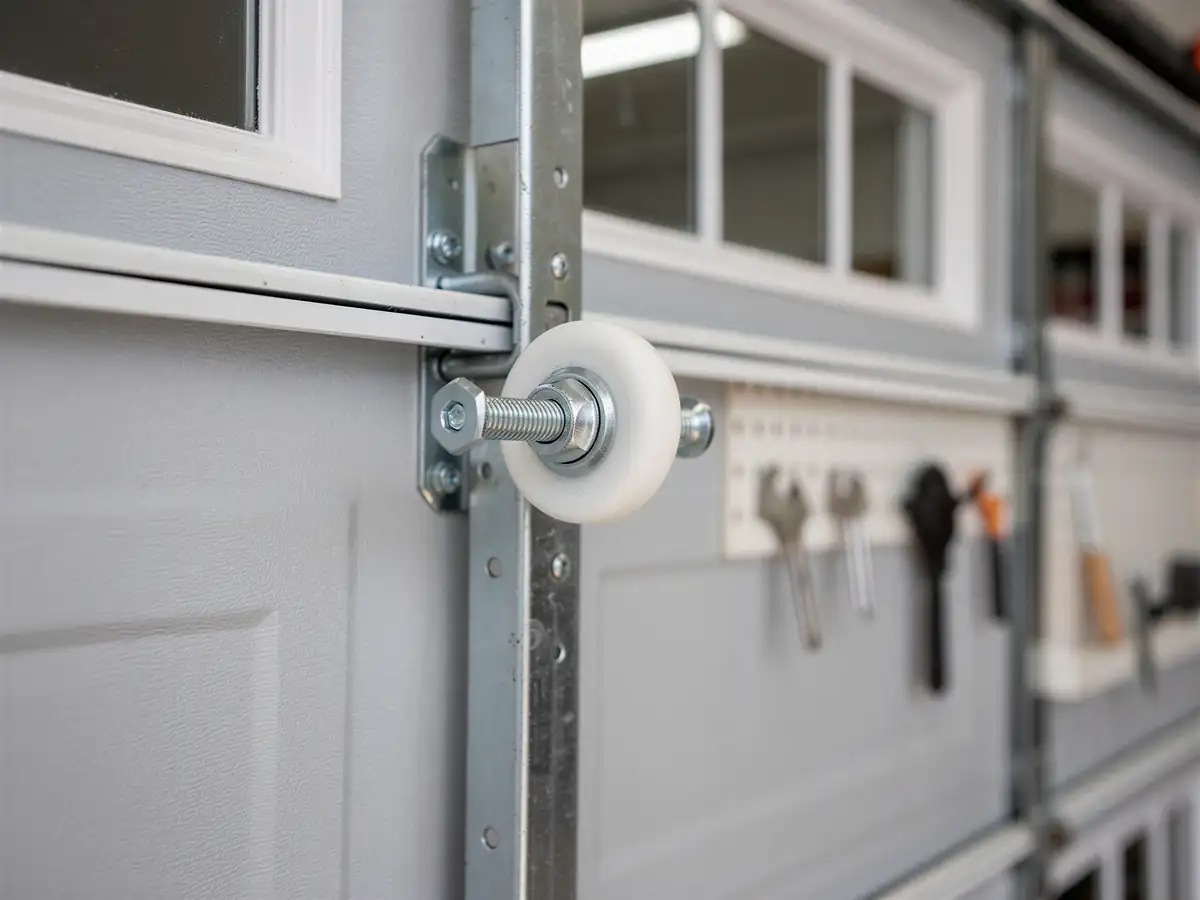
That loosens grit short-term and then attracts more of it, which is worse for a door than doing nothing. On the older end of the 1954-2005 stock, the actual fix is usually regreasing the rollers with the right lubricant and checking whether the roller itself is still round.
The second mistake is assuming a door that opens and closes fine has no problem
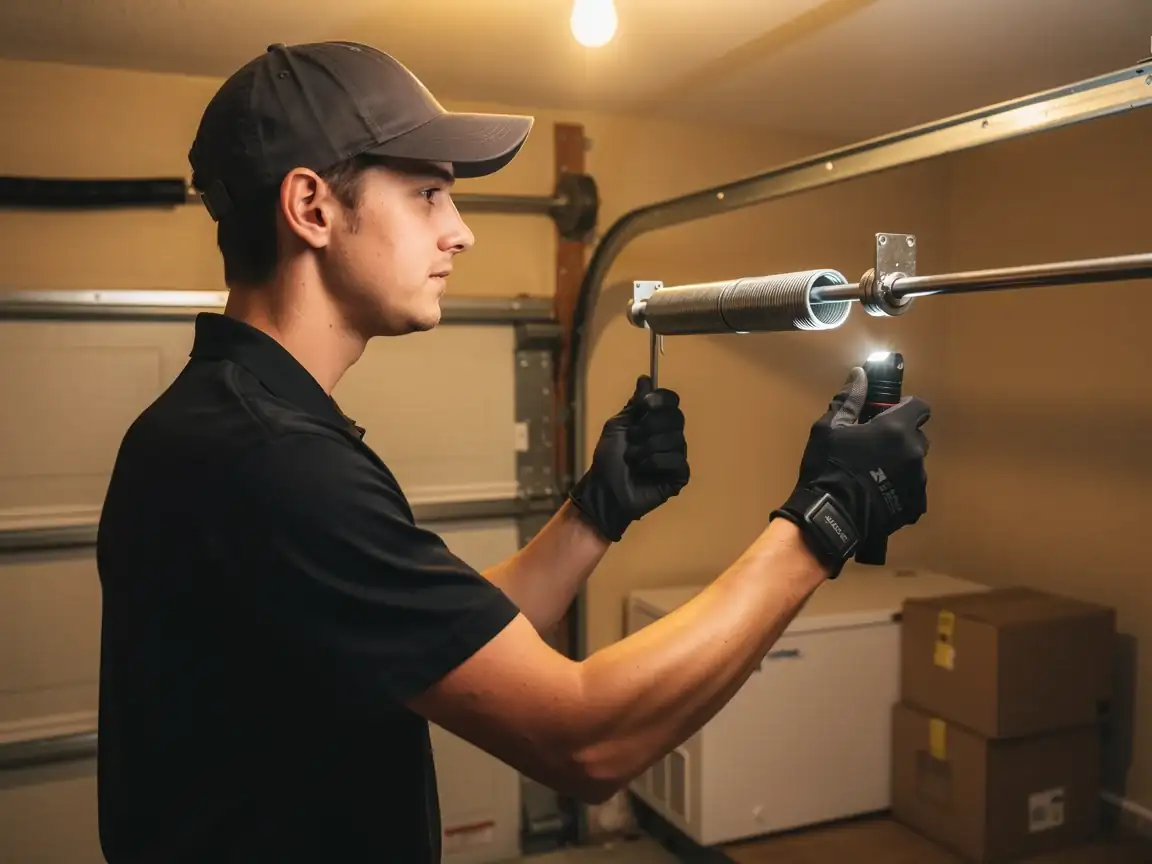
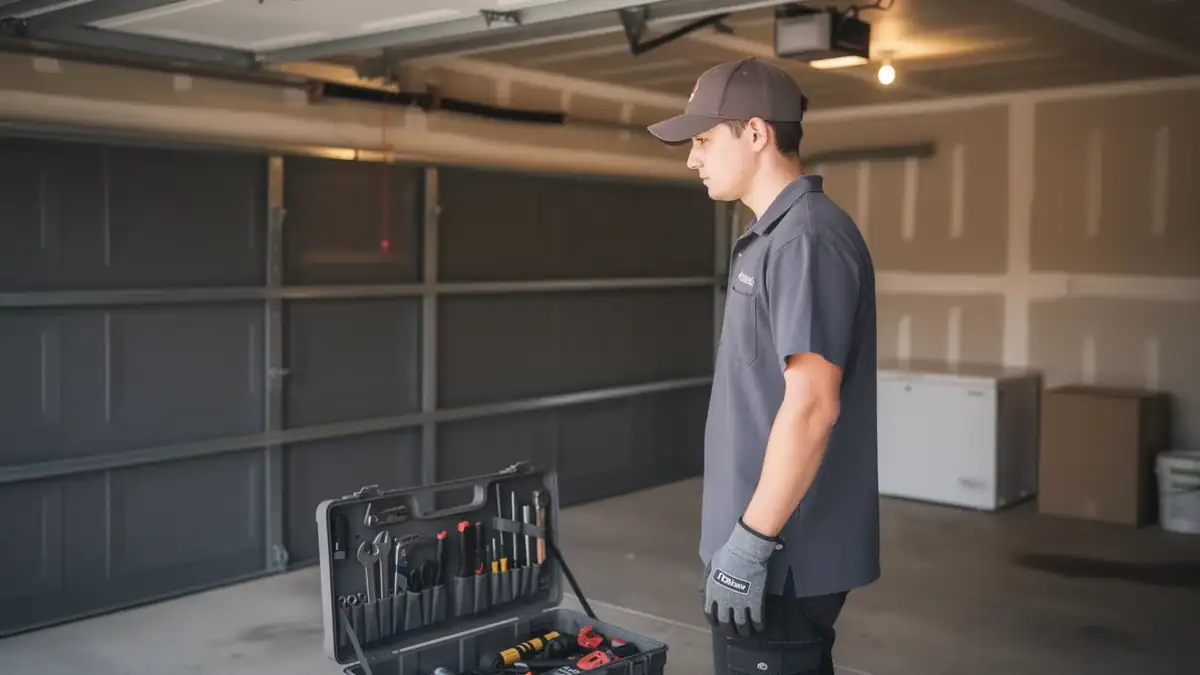
On a torsion-spring system, the spring does almost all the lifting work - the opener just guides the door along the track. A door can look completely normal right up until the spring fails, because the opener masks how much strain it's under. That's part of why we check spring tension and cycle count estimate as a baseline on every call, not just when something's already broken.
The Situation
With roughly 32,837 owner-occupied houses sitting across 72,105 households in this service area, and a median household income near $69,917, a lot of homeowners here are weighing a repair against a replacement on a door that's already 20 or 30 years old. We'll tell you straight when a spring and roller job makes more sense than a new door, and we'll tell you when the opener or the door itself is past the point where parts are worth sourcing.
One honest limit: if a part is discontinued for an older system, we may need to order a compatible replacement rather than an exact match, and that can add time to the job. We'd rather say that upfront than promise a same-day fix on hardware that isn't common anymore.