Timing on This Area
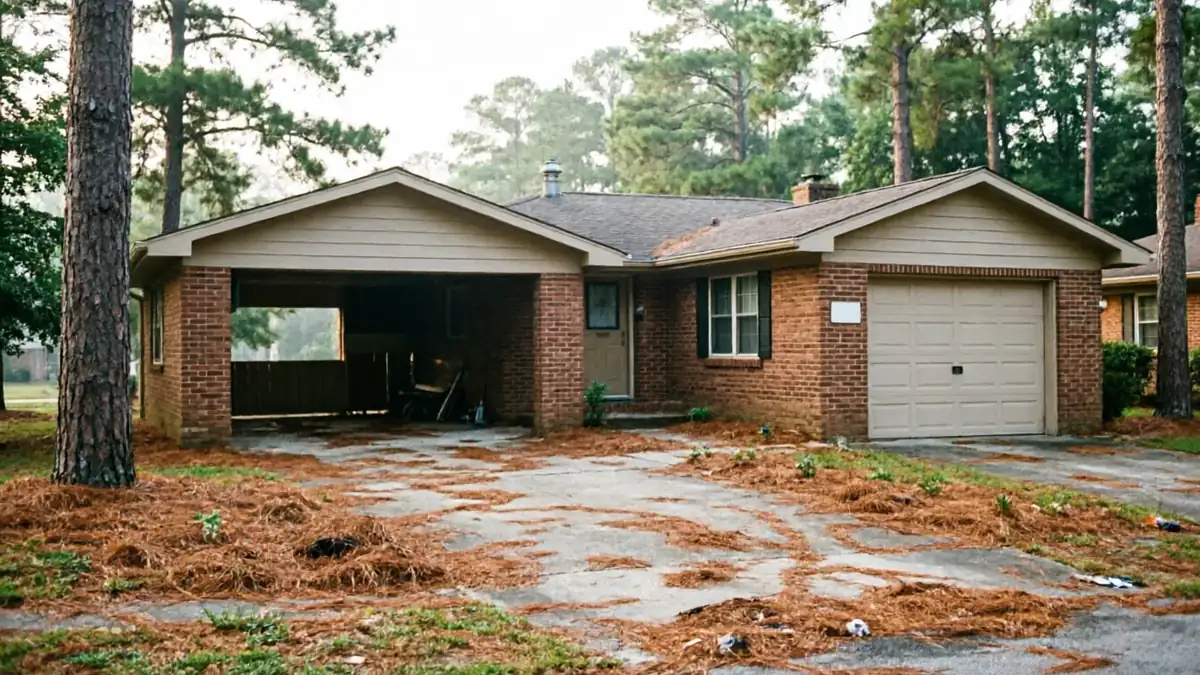
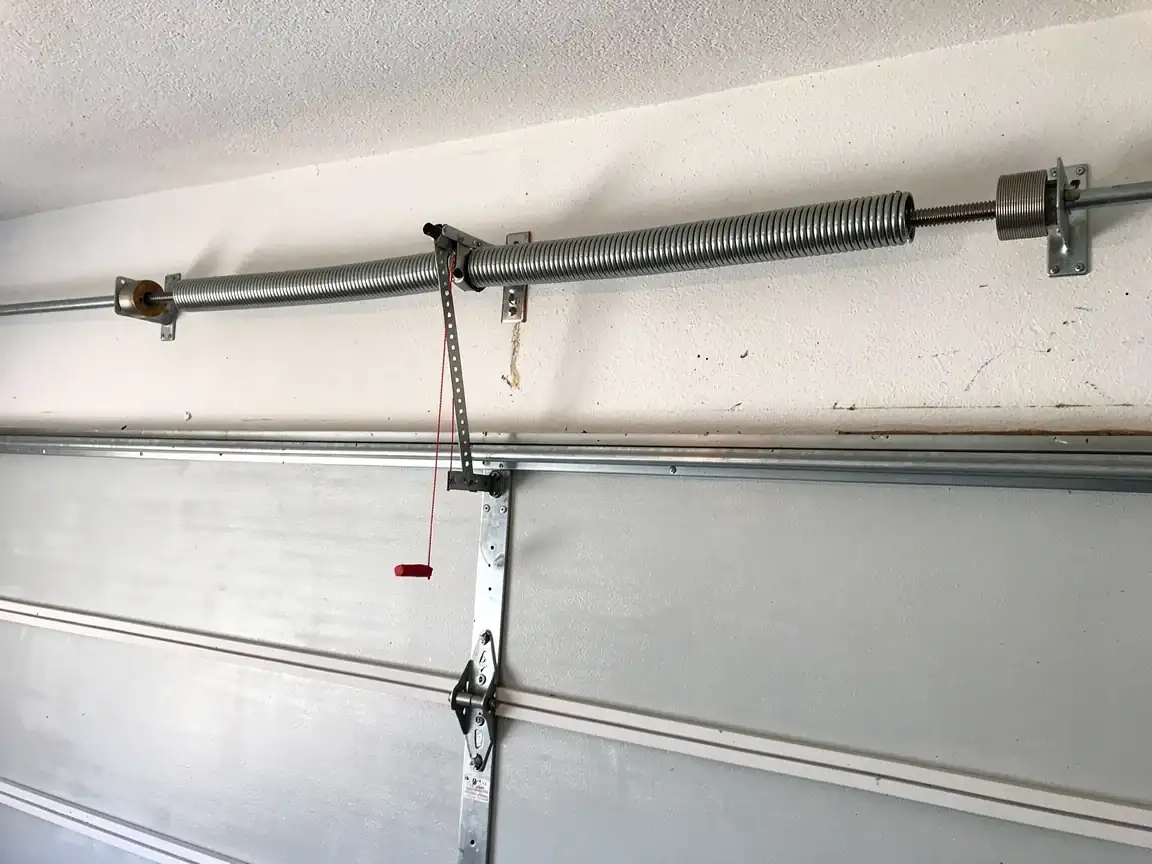
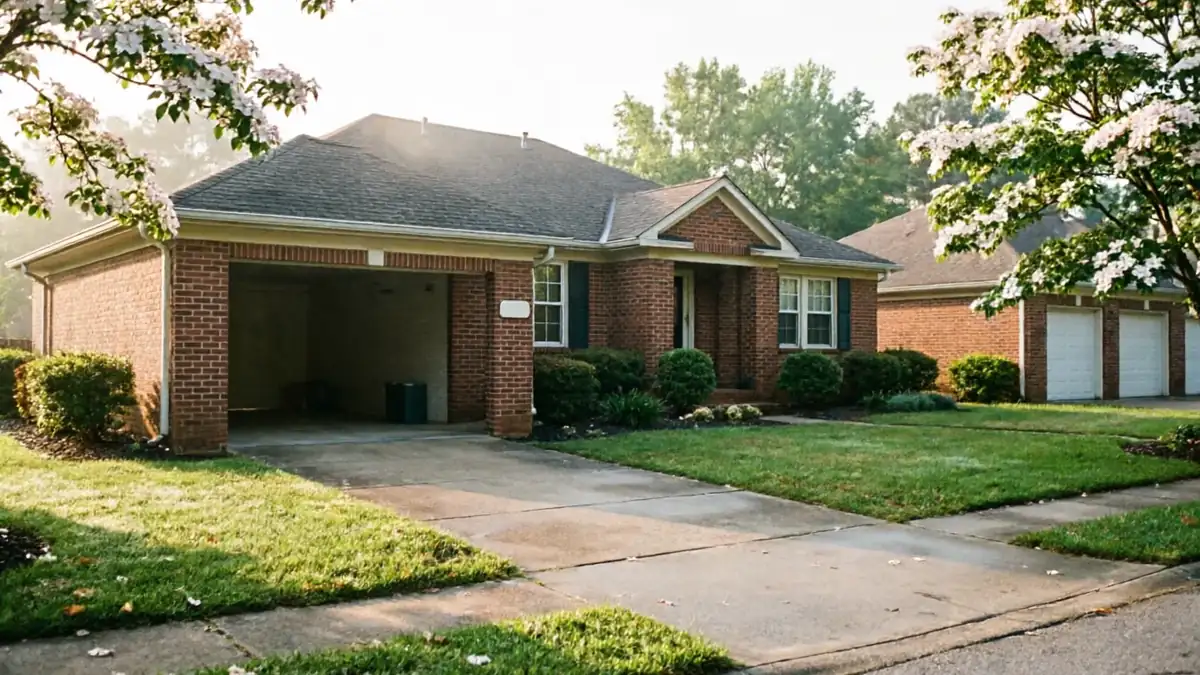
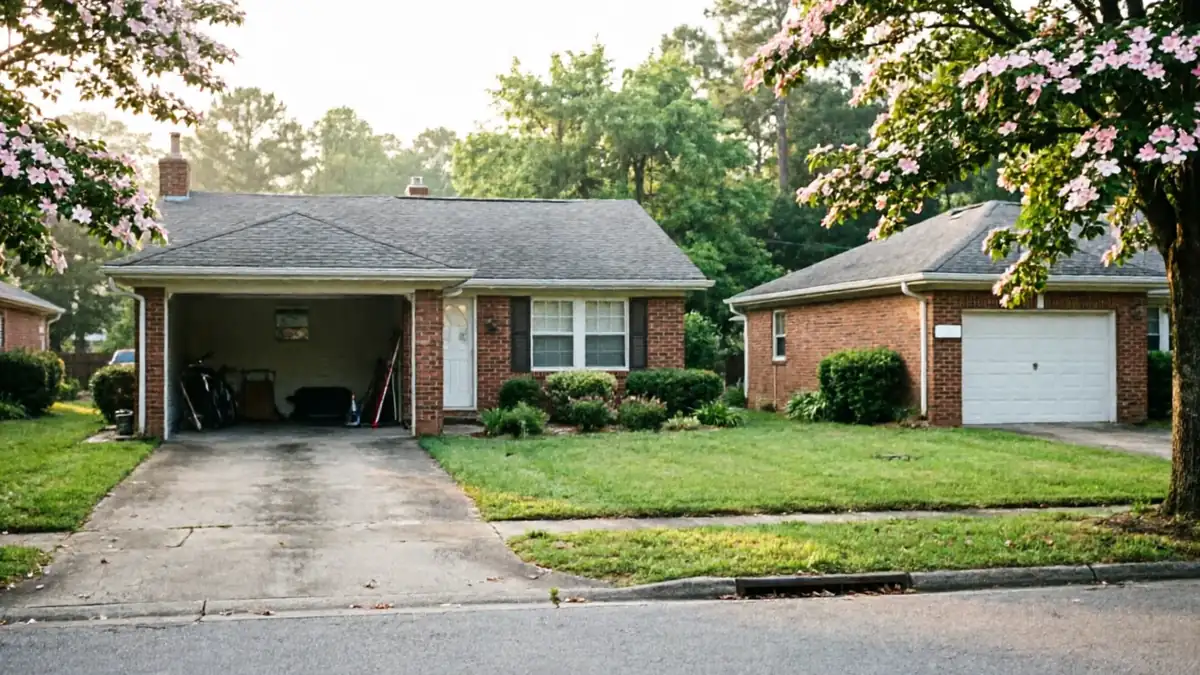
Wyndham sits about 14 miles north of our Midlothian base, and the build timeline here doesn't match the rest of the service area. Across the broader territory, houses mostly date from the 1960s and 70s, with a median build year of 1979. Wyndham's median is 2001 - roughly two decades newer. That's not a small gap. It's the difference between a house wired for a chain-drive opener on a knuckle-and-pulley system and a house that came standard with a steel torsion door, a sectional track, and an opener built for a keypad or remote from day one. When we get a call out of Wyndham, we're not guessing at 1970s hardware behind the panel. We're expecting post-2000 parts, which usually means fewer total surprises but also means the original components are starting to hit the end of their first real service life around now - 20-plus years in.
The Houses Here
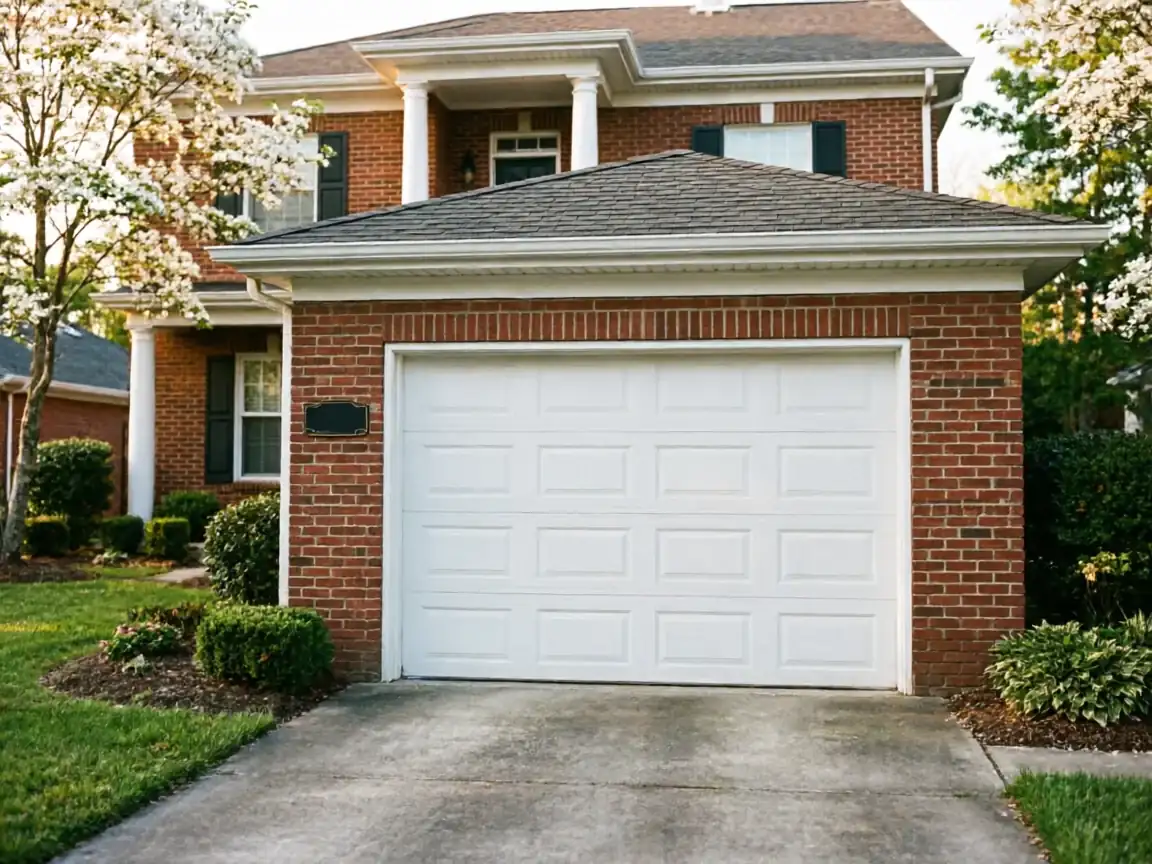
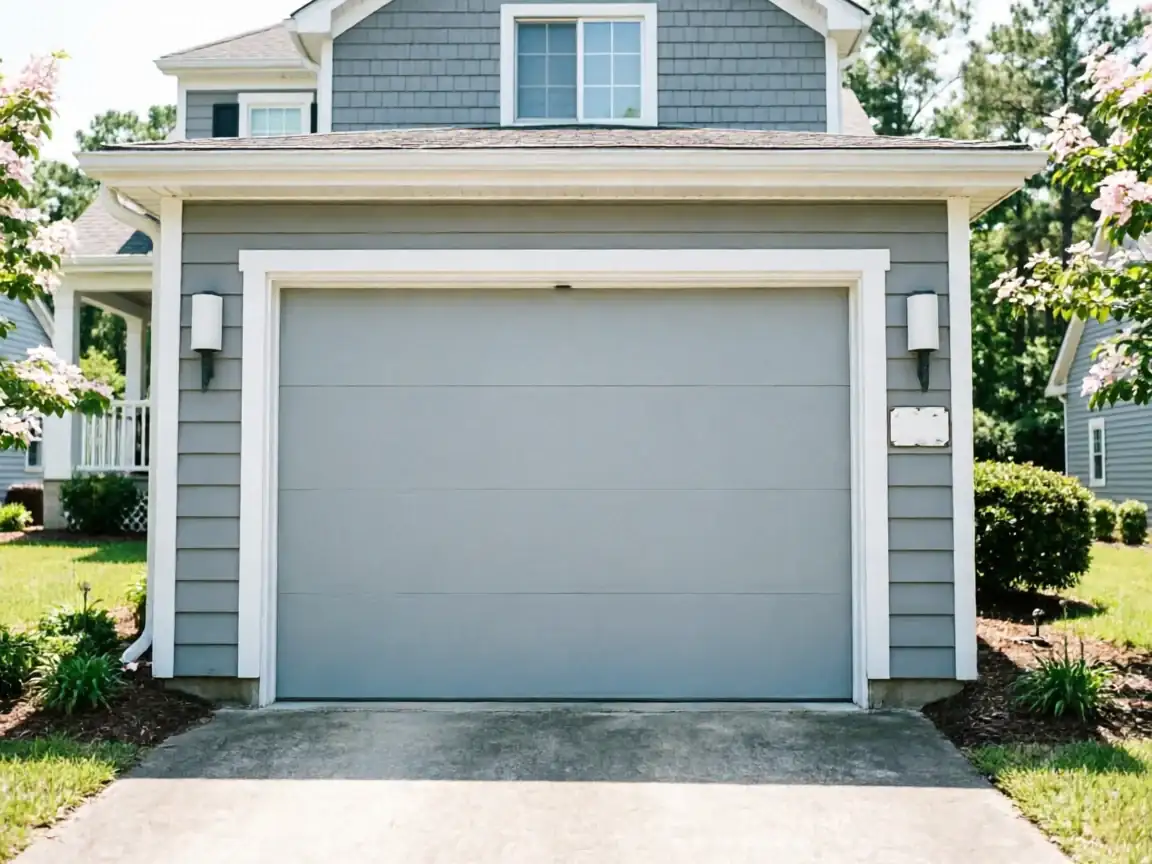
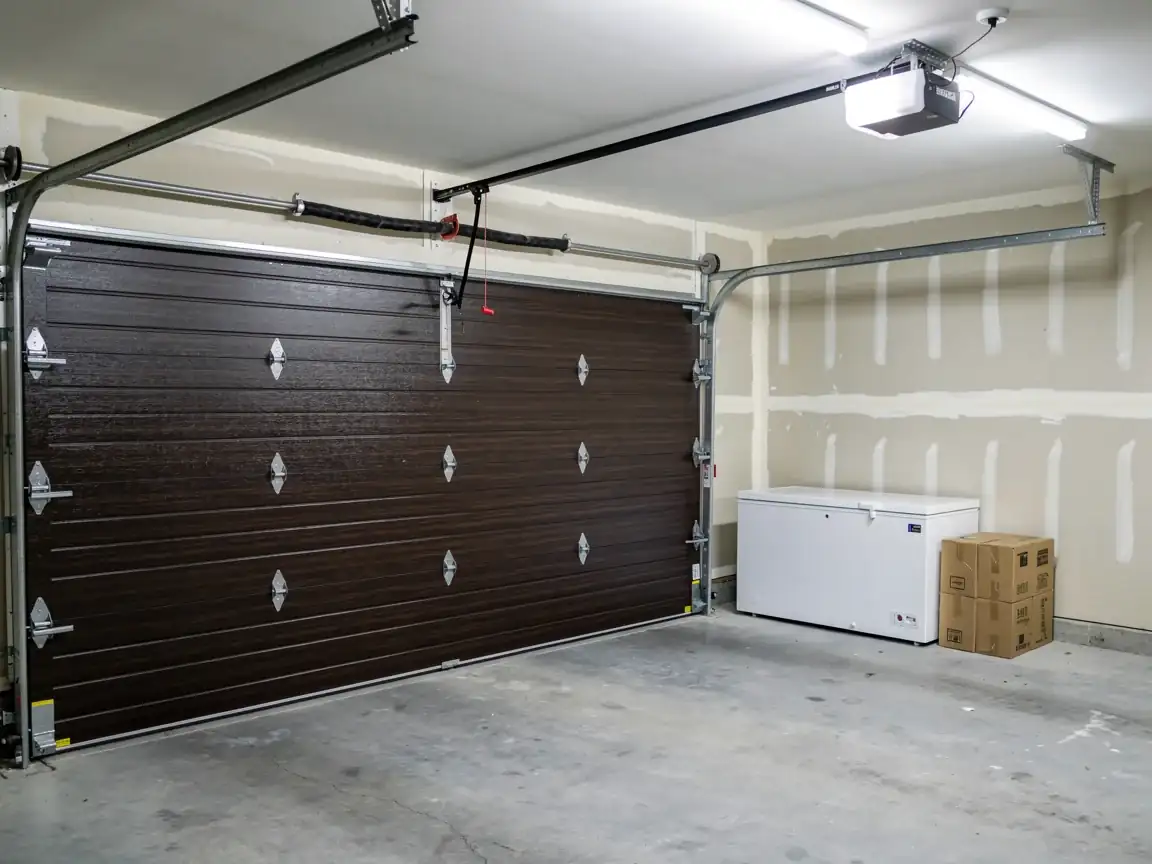
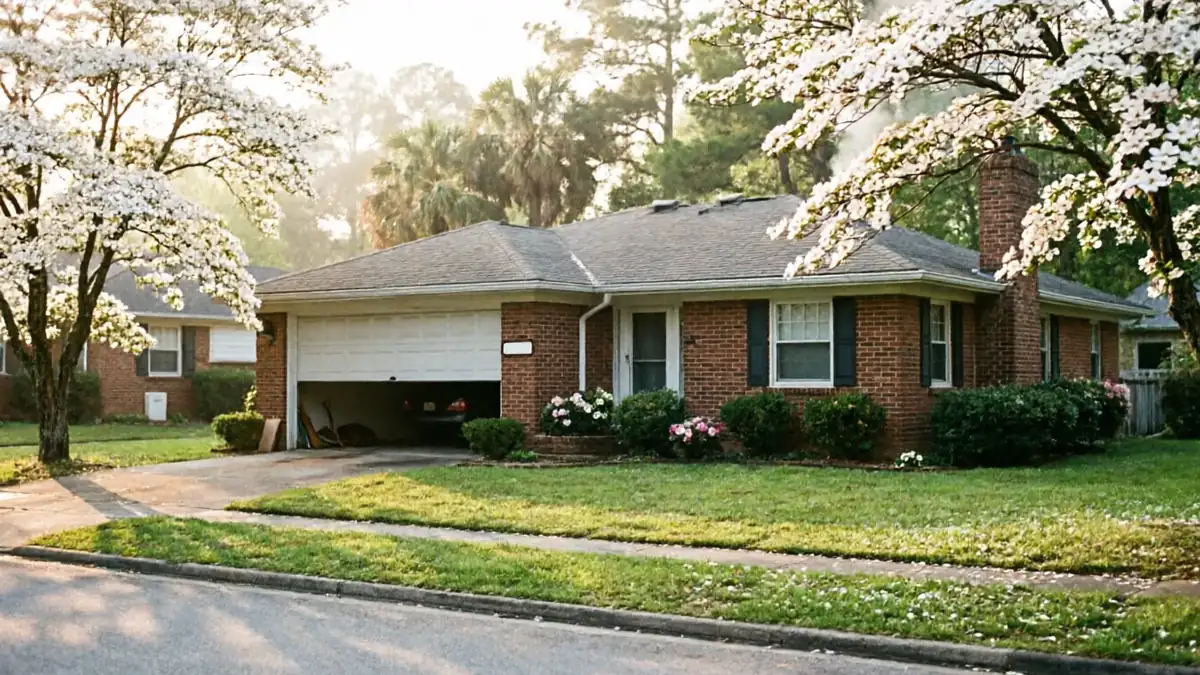
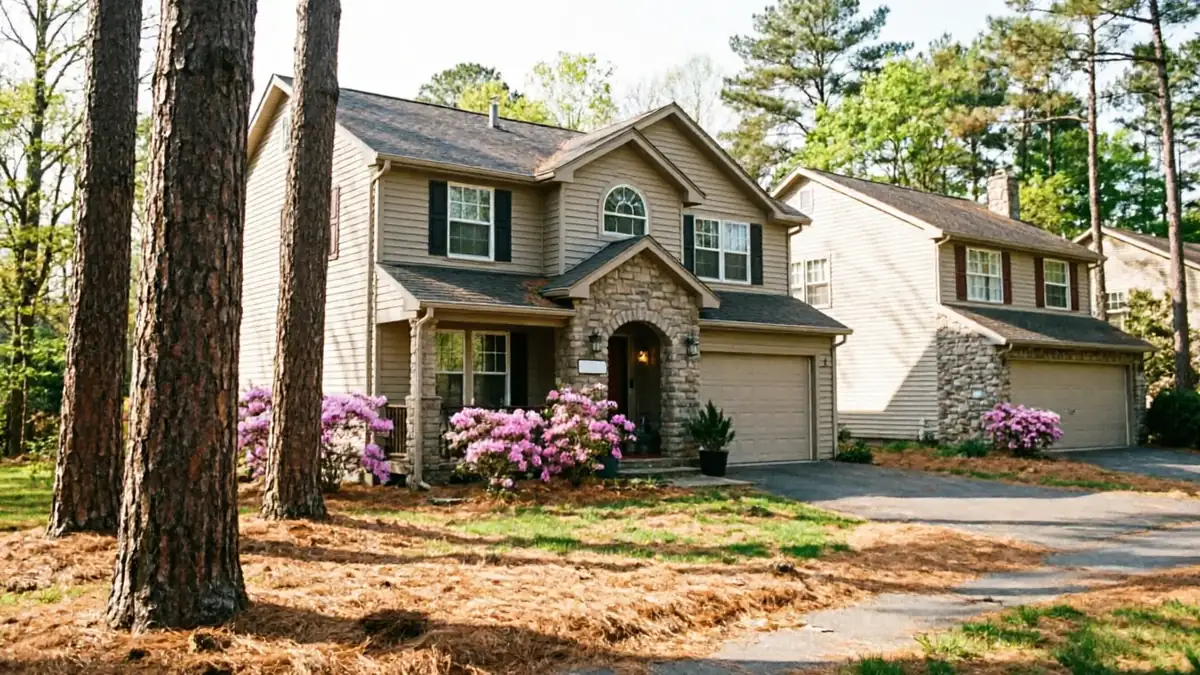
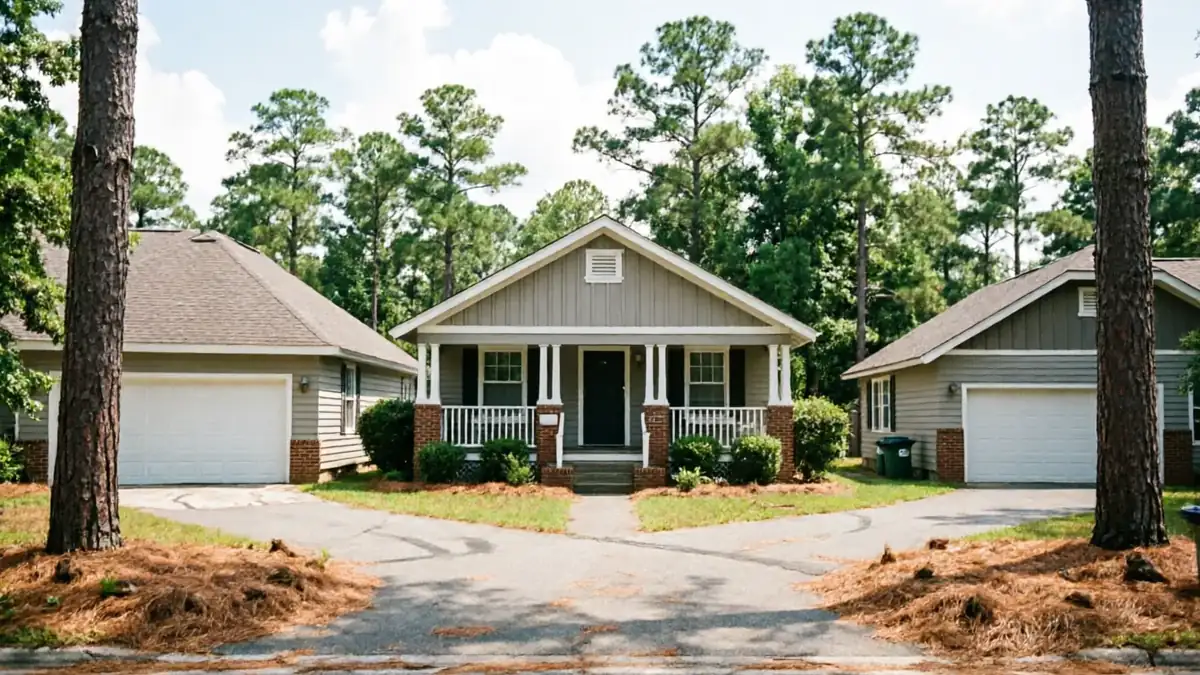
Wyndham has about 3,957 households, smaller than the 72,105-household footprint we cover overall, and a median income of $235,886 - well above the $69,917 median for the wider area. That income gap tends to show up in the garage itself: insulated steel or composite doors, heavier-duty openers, sometimes two-car doors wide enough to need a reinforced center stile. Newer construction here also means attached garages built to a post-1990s code baseline, which matters for anything involving headroom clearance or a jamb that was framed square instead of settled and shifted over fifty years. The service area sits in a cold-moderate climate band, so even a 2001-built door has had two decades of freeze-thaw cycling on its weatherstripping and bottom seal - that part doesn't care what year the house was built.
The Split Between Old and New
Here's the honest limitation: we don't have a street-by-street build map for Wyndham, so we can't tell you which specific block got the earliest construction versus the latest infill. What we can tell you is that the area as a whole centers on 2001, which puts it firmly in the newer third of the territory we drive out from Midlothian to cover. If your house is on the older edge of that range, say pre-1995, you're closer to the hardware patterns we see in the broader 1960s-70s stock - heavier steel, simpler openers, more worn rubber. If it's on the newer edge, closer to today, you're dealing with more recent composite panels and digital openers, where the failures tend to be electronic rather than mechanical. Either way, the fix starts with knowing which generation of parts is actually behind your panel, not just the neighborhood name.