The Symptom
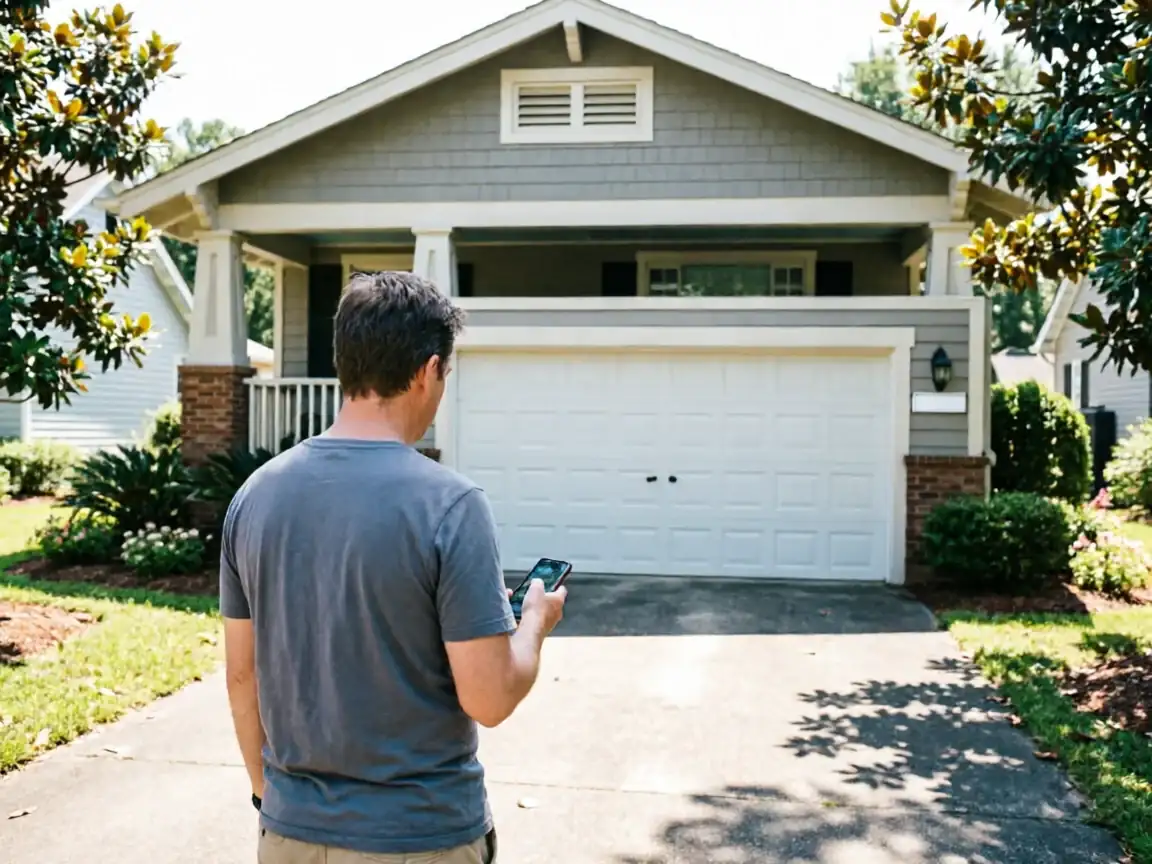
The door worked yesterday. Today you hit the button and it either doesn't move, moves an inch and stops, or the opener strains and makes a grinding noise while the door barely budges. Sometimes it's a loud bang from the garage first - that's usually the spring letting go. Other times there's no bang at all, just a door that gets heavier every week until one day the opener can't muscle it anymore and you're lifting by hand and feeling exactly how much weight that panel actually carries.
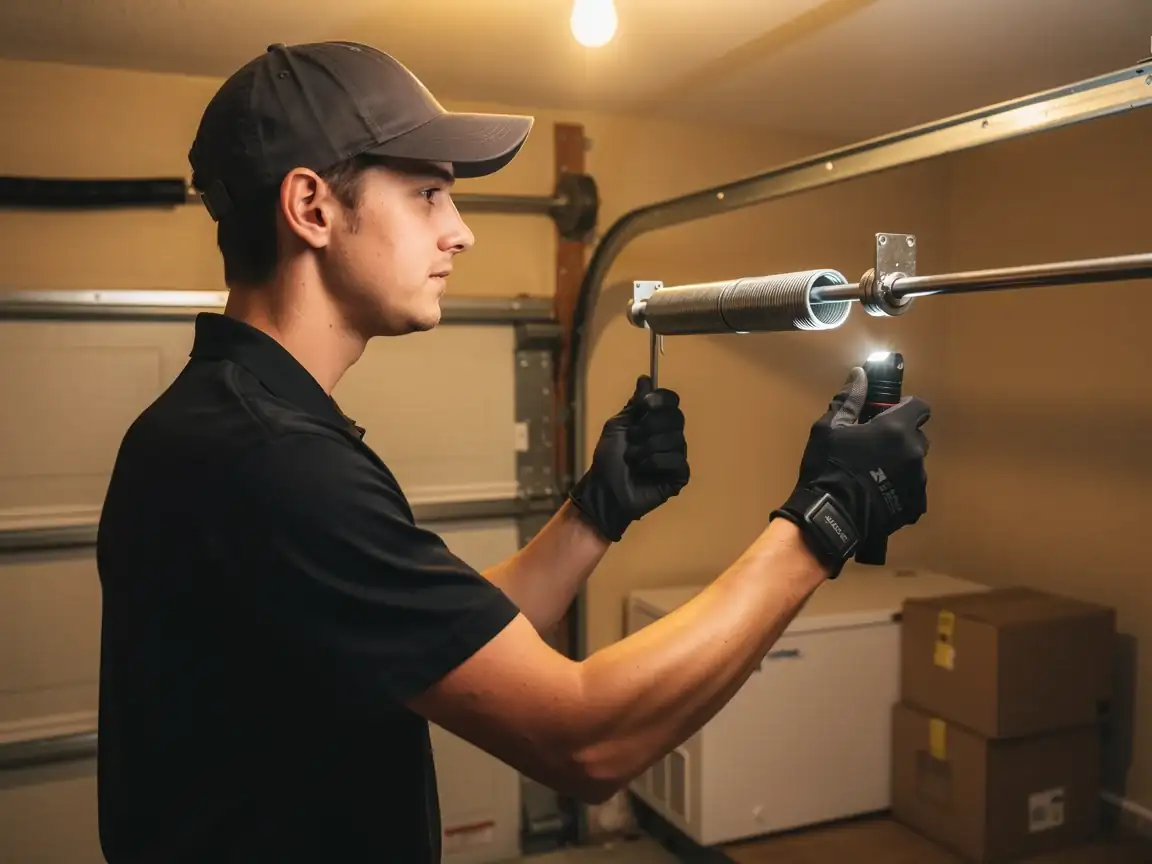
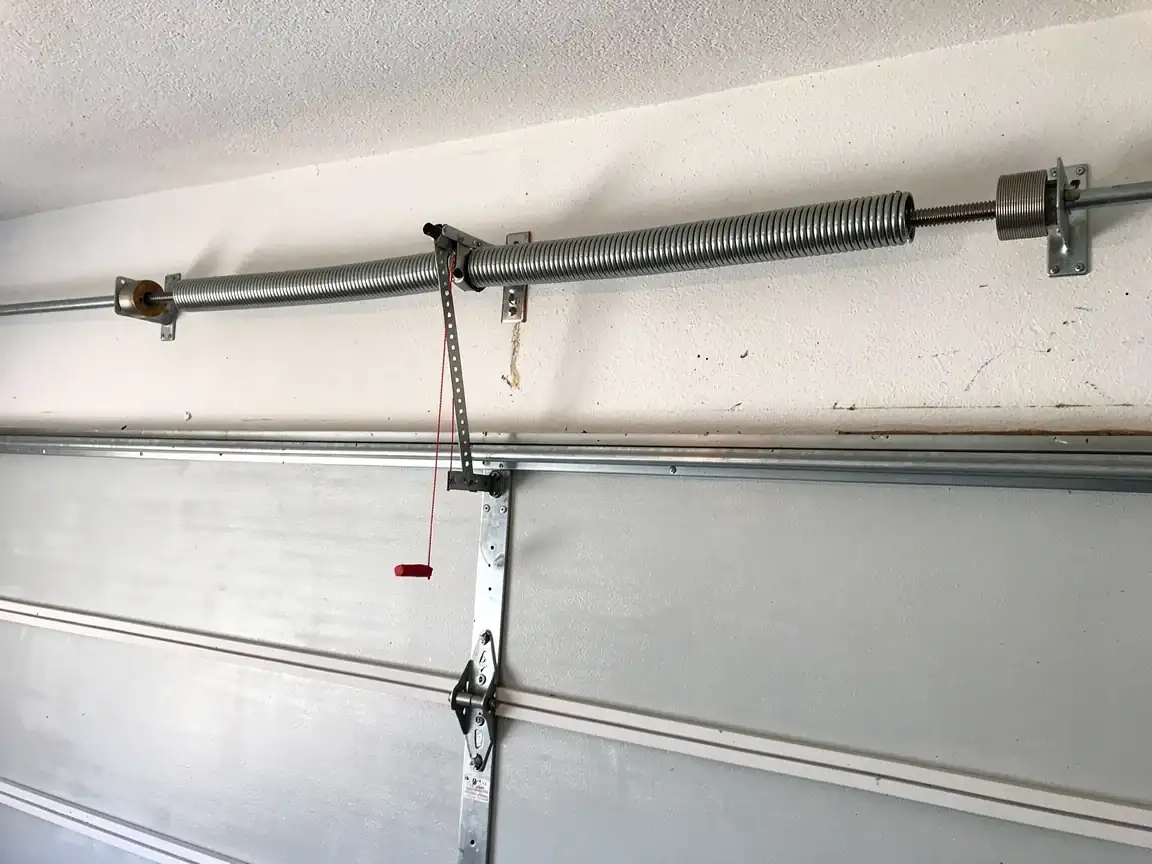
This is one of the most common calls we get across the Midlothian service area, and it's rarely random. A torsion spring is rated for a set number of open-close cycles before the steel fatigues, and once it's near the end, failure often looks gradual right up until it isn't. If your door has started feeling stiff on cold mornings and loose by afternoon, that's the spring telling you where it's headed.
What Causes It Around Here
Housing in this area runs from 1954 up through 2005, with the median build year around 1979, and most of the stock across the named neighborhoods - Brandermill, Woodlake, Charter Colony, and the rest - dates to the 1960s and 70s. A lot of these garages still have their original torsion hardware, or a first-generation replacement that's now also decades old. Springs don't last forever regardless of brand, and a spring installed during the Carter administration has long since used up its rated cycle count.
The cold-moderate climate here adds to it. Steel contracts in winter, which stiffens the coil and increases the load on each cycle during the colder months - exactly when homeowners are opening and closing the door most, heading in and out of a heated house. That seasonal stress on already-fatigued steel is a big part of why spring failures cluster in winter in this part of Virginia, not because the spring is bad, but because it was already near the end and cold weather finished the job.
The DIY Question
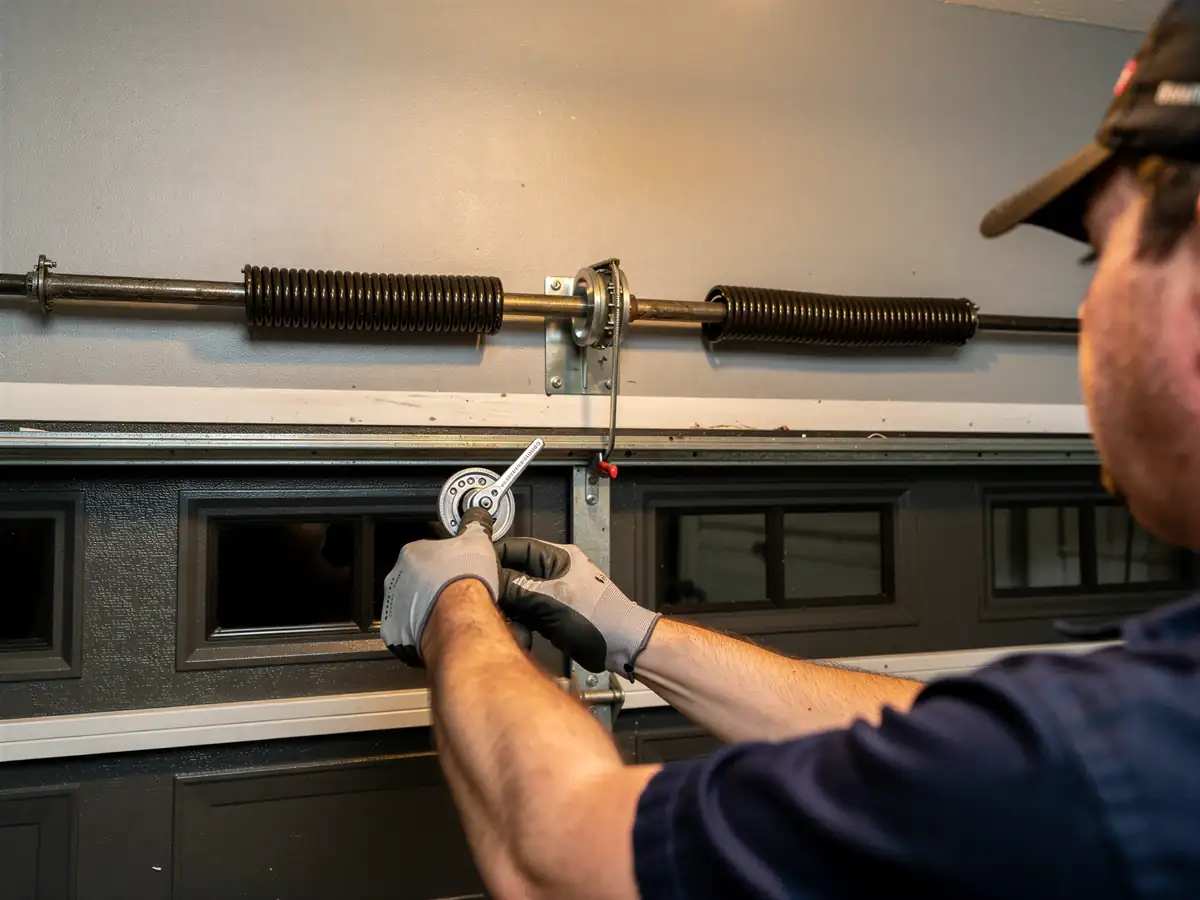
A torsion spring is wound under serious tension
Enough to break fingers, fracture a skull, or put an unbalanced door through a windshield if it's handled wrong. We're not going to walk you through replacing one yourself, and we'd tell you the same thing standing in your driveway. This is the one repair on a garage door that isn't a weekend project, full stop.
What you can safely check yourself
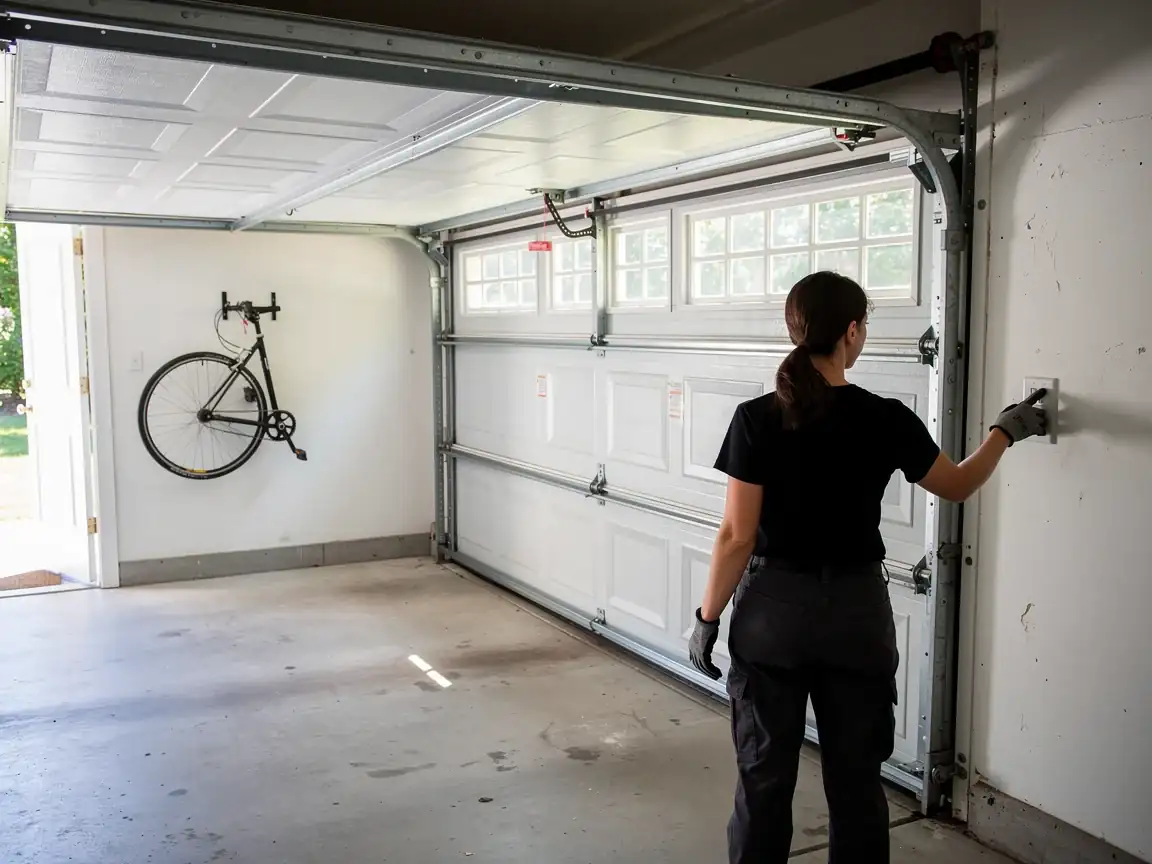
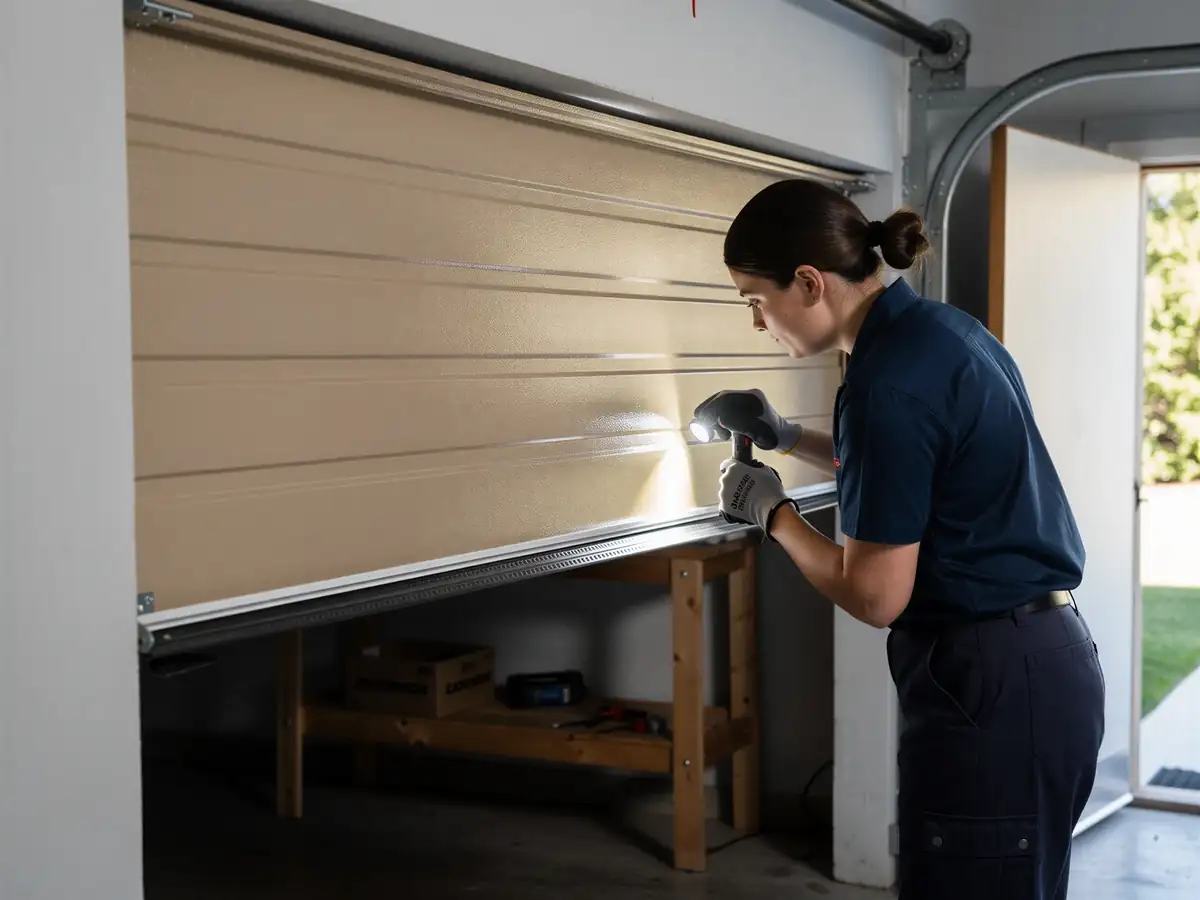
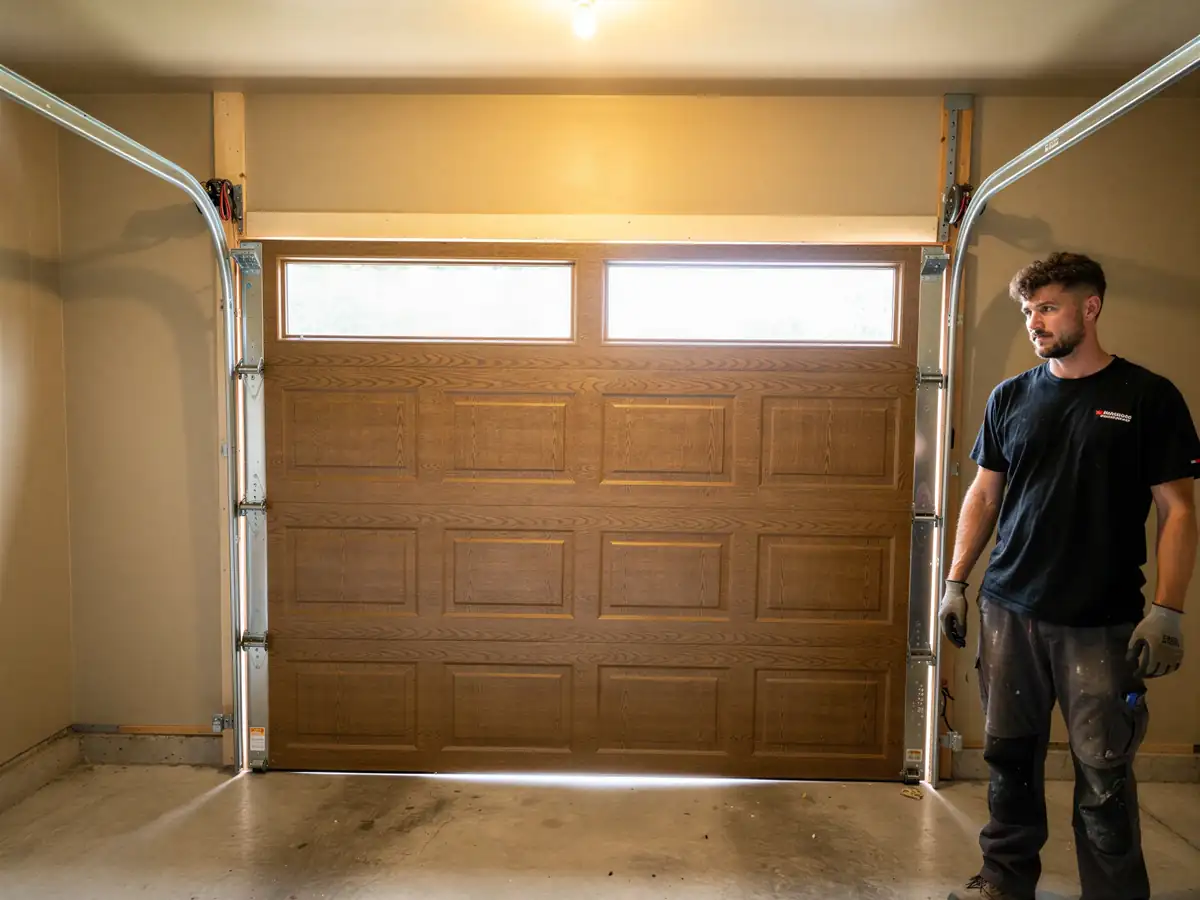
Whether the door is visibly sagging on one side, whether the cables look frayed or loose at the bottom bracket, and whether the opener is straining audibly before it stalls. Any of those tells you it's a spring or cable problem rather than something electrical. Write down what you see and when it started - that saves time on the call and helps figure out if it's one spring or a pair, which matters on a lot of the older double doors still running a single spring built for a lighter door than code calls for today.
Where This Job Goes Sideways
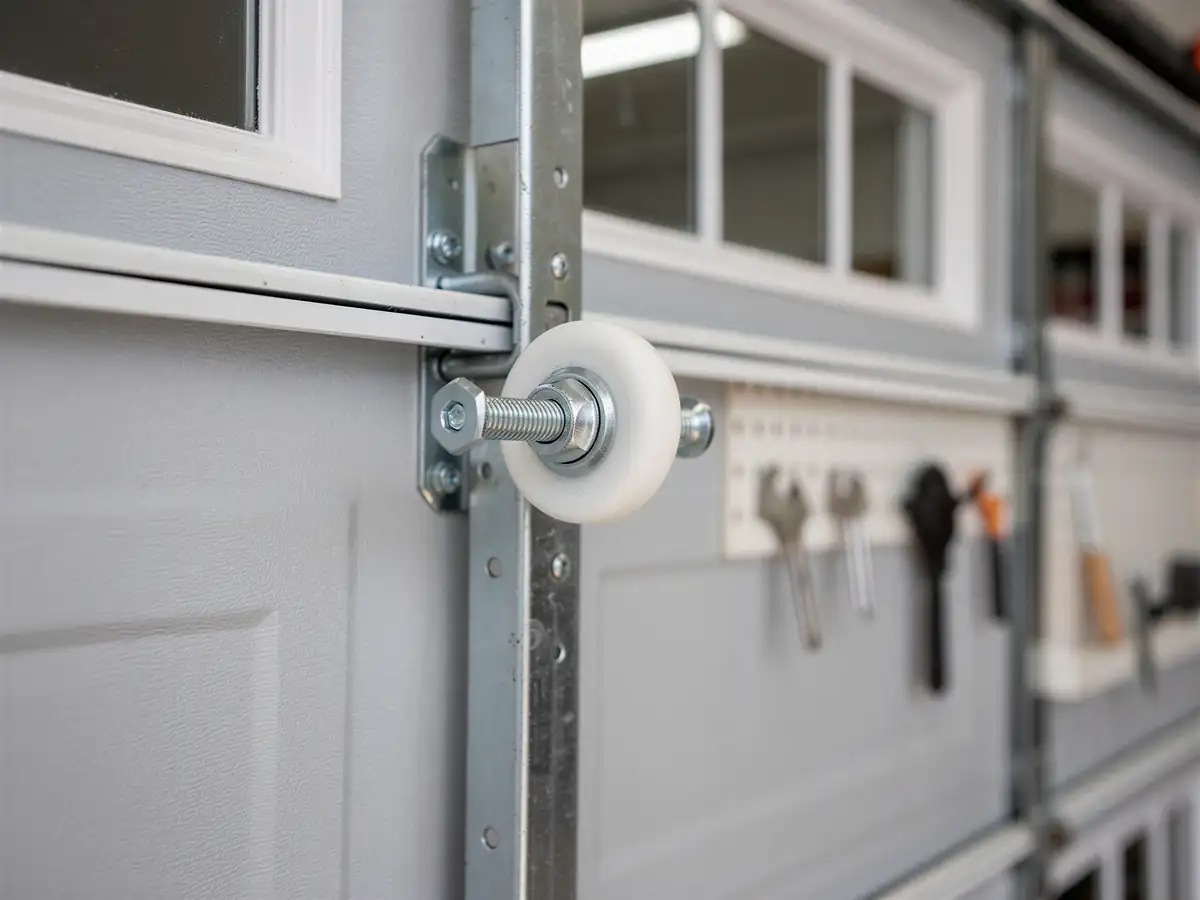
The spring itself is usually the easy part. Where it gets complicated is everything attached to a door that's been running on a failing spring for months without anyone noticing. Cables that have been carrying uneven load stretch and fray. Rollers that were already worn get chewed up faster once the door starts binding in the track. On the older 1960s and 70s builds especially, we'll sometimes find the drum or bottom bracket worn from years of a slightly mismatched spring that was never quite right for the door's actual weight.
The honest limitation here: if the door is original to a house from that era and the track, rollers, and panels are all showing their age alongside the spring, a spring-only repair sometimes isn't the right call - replacing the door makes more financial sense than compounding fixes on a door that's going to need the next part in a year anyway. We'll tell you straight if that's where your door is instead of just selling you a spring and sending you on your way.