What Local Conditions Do
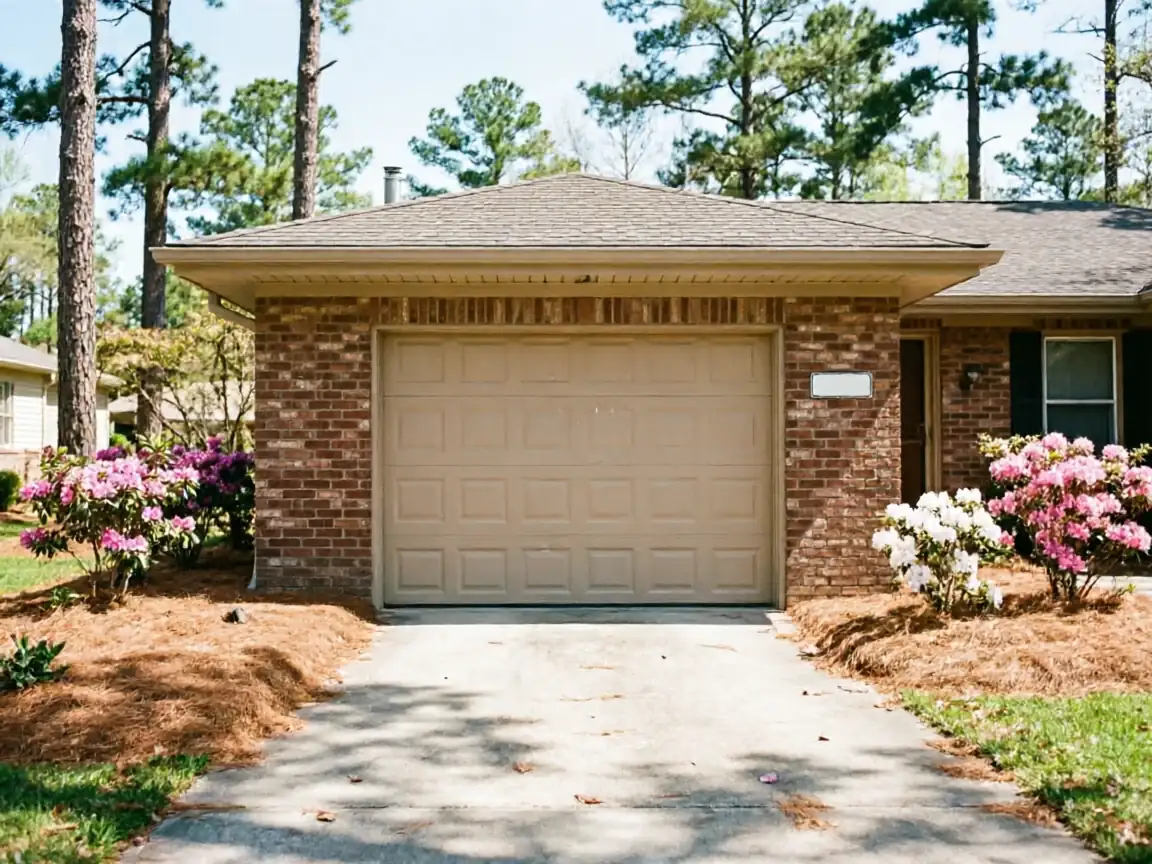
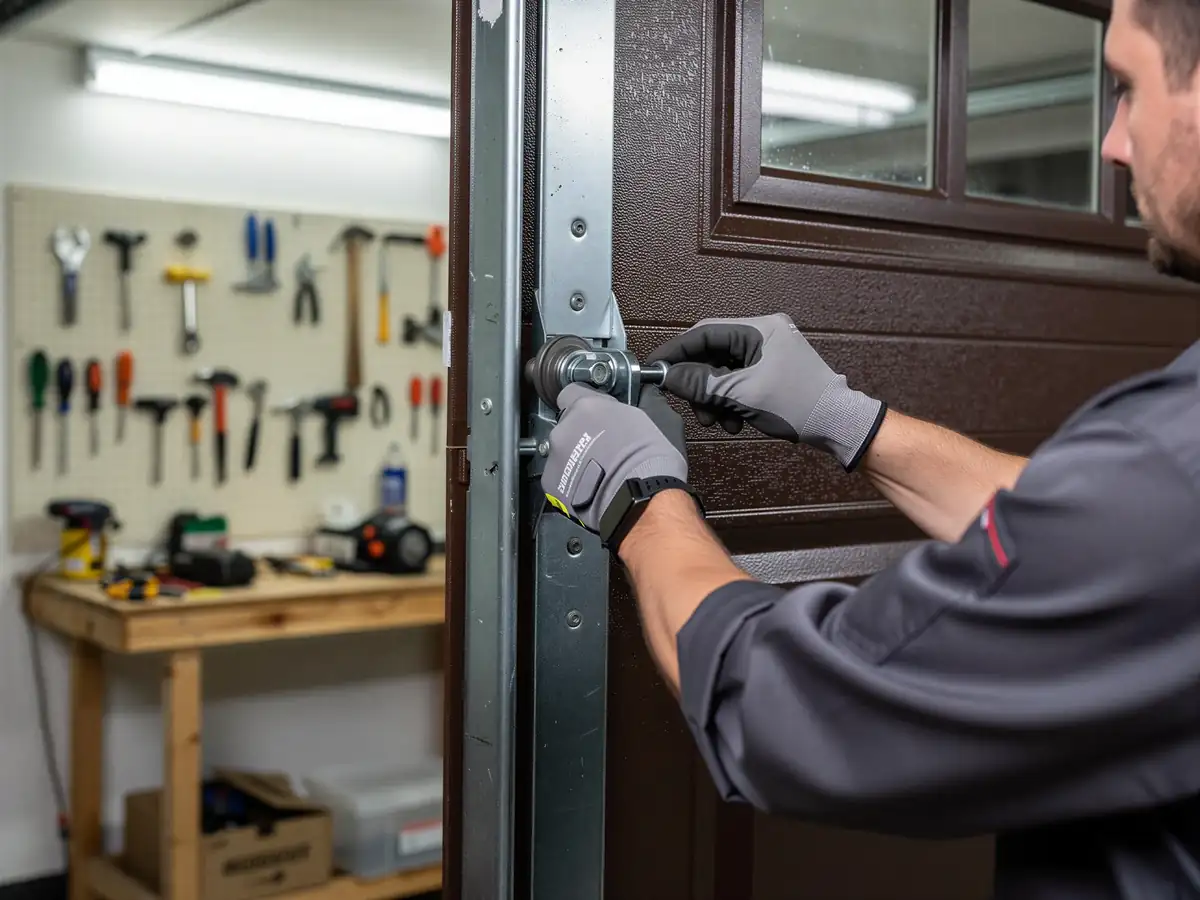
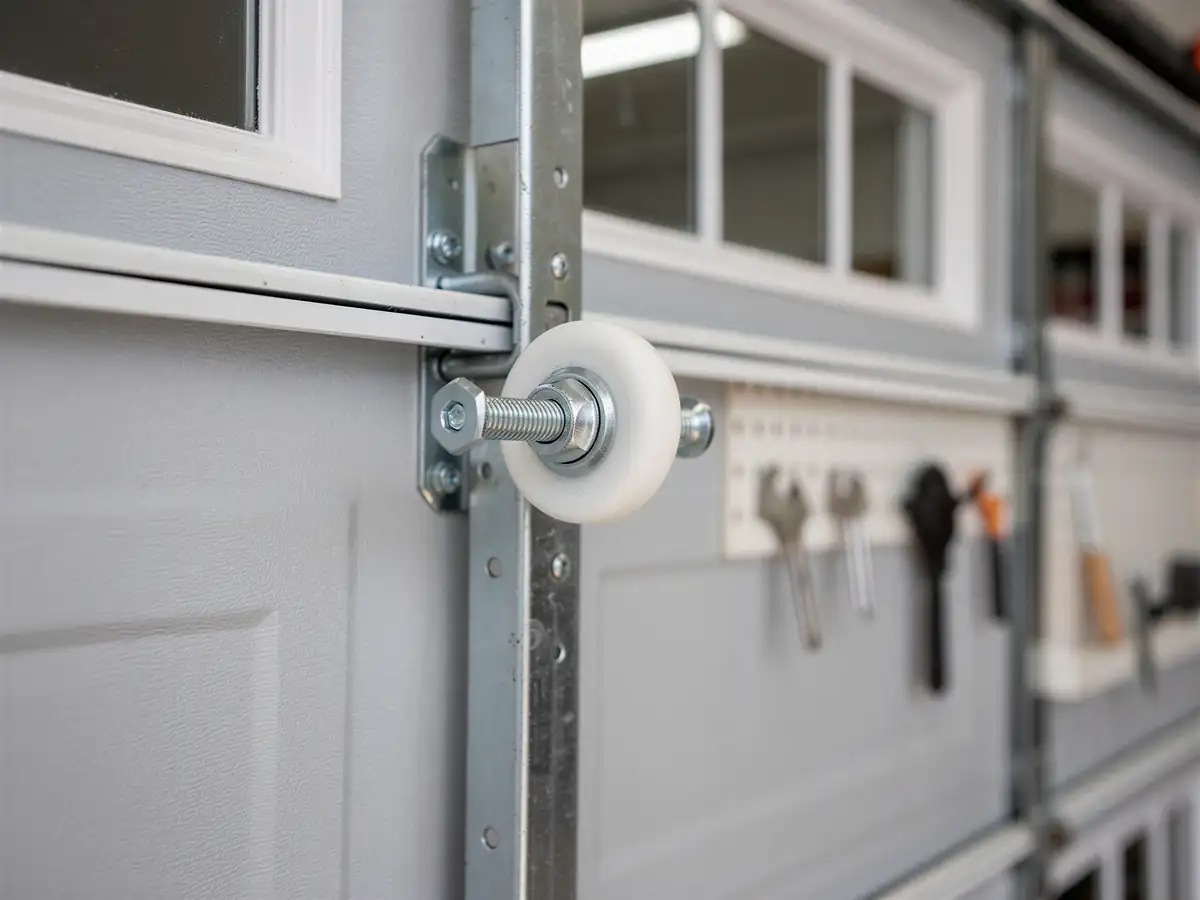
Most of the housing stock in the Midlothian service area went up between 1954 and 2005, with the bulk of it dating from the 1960s and 70s and a median build year of 1979. That matters for track problems specifically. A door built in that window usually has galvanized steel track lag-bolted straight into the original jamb framing, and after fifty or sixty years that framing has shifted, settled, or shrunk a little, which pulls the track brackets out of plumb a fraction at a time. You see this across the older sections near Brandermill and Woodlake, and in the 60s and 70s-era streets around Charter Colony and where the original hardware is often still in place. Midlothian sits in a cold-moderate climate band, not a harsh freeze zone, but it still gets enough freeze-thaw cycling each winter to work at the lag screws and the slab anchors that hold the vertical track to the floor. That slow loosening is a bigger factor here than any single storm. It's not dramatic. It's just decades of small seasonal movement, and on a door that old, the track has usually drifted before anyone notices the rollers riding the edge of the rail instead of the center.
When to Get Help
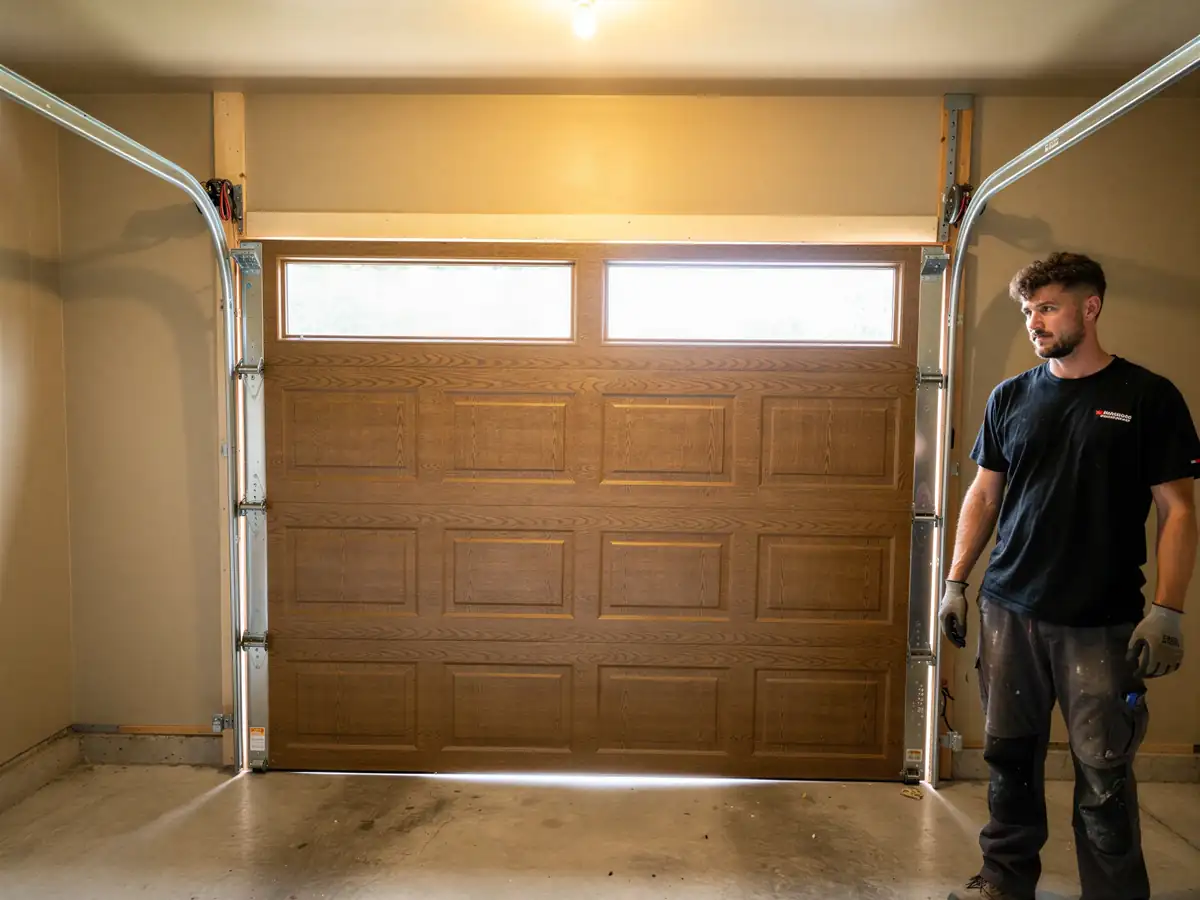
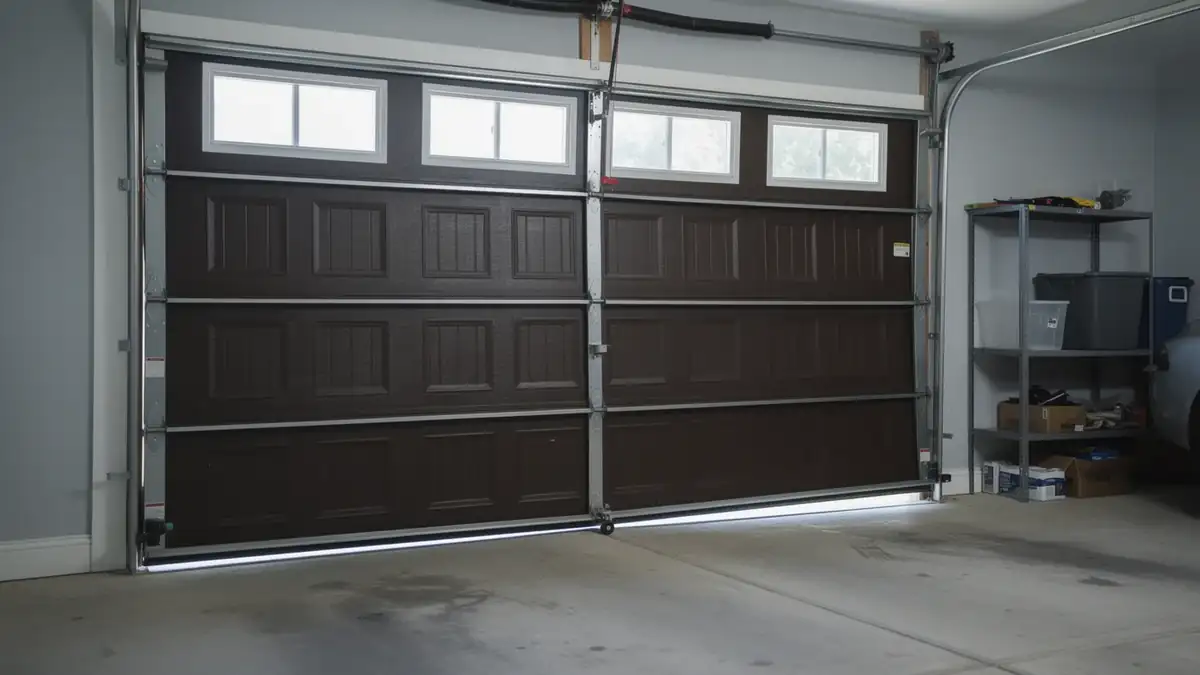
Call before the door comes fully off the rail, not after. Across the service area's roughly 72,105 households and 32,837 owner-occupied houses, a lot of the owner-occupied stock falls right in that 1960s-70s build range, so track wear from age, not damage, is the common case we see rather than the exception. Watch for a door that shudders or hesitates at the same spot every time it opens, a gap forming between the roller and the track wall, or a scraping sound that wasn't there last month. Any of those usually means the track has worked loose from its bracket or bent slightly out of plane, and it gets worse with every cycle, not better. If the door has already jumped the track and is hanging at an angle, don't run the opener again. Running it under power against a bent or detached track strains the opener, the cables, and often the panel itself, turning a track repair into a door replacement.
The Situation
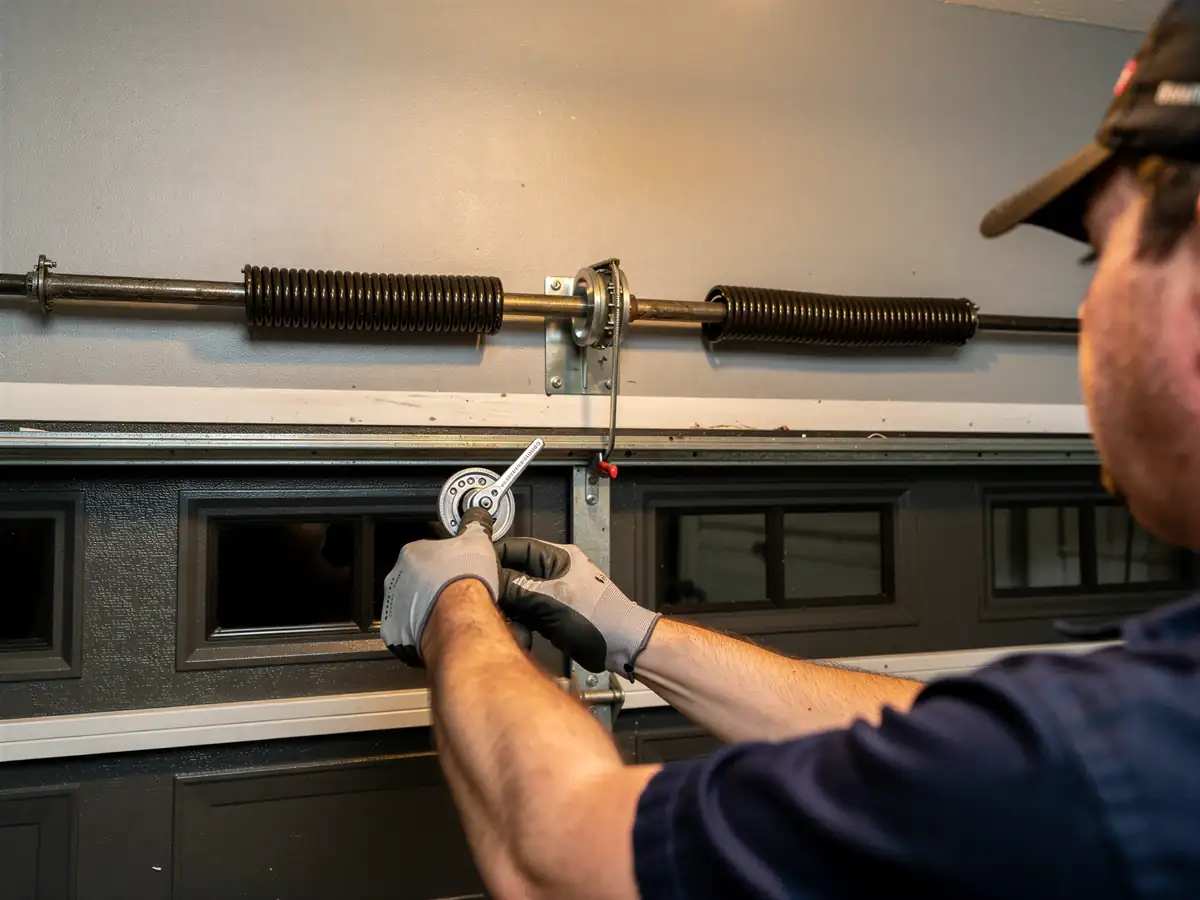
Midlothian's housing didn't all go up at once - the range runs from 1954 out to 2005 - but the center of gravity is squarely the 1960s and 70s, with a median build year of 1979. That means the garage door track in a large share of houses here is either original hardware approaching sixty years of service, or a mid-life replacement from whenever the first set finally gave out. The service area's median household income, $69,917, generally supports a full track-and-hardware replacement when that's the right call rather than a repeated patch job. Neither option is wrong, but they're different jobs with different parts, and a door that's gone off track once on original hardware is a good candidate for a full track swap rather than another bracket tightening. We don't try to talk every owner into replacement - plenty of track issues in newer builds on the 1-mile-out side near Charter Colony are a single loose bracket and nothing more.