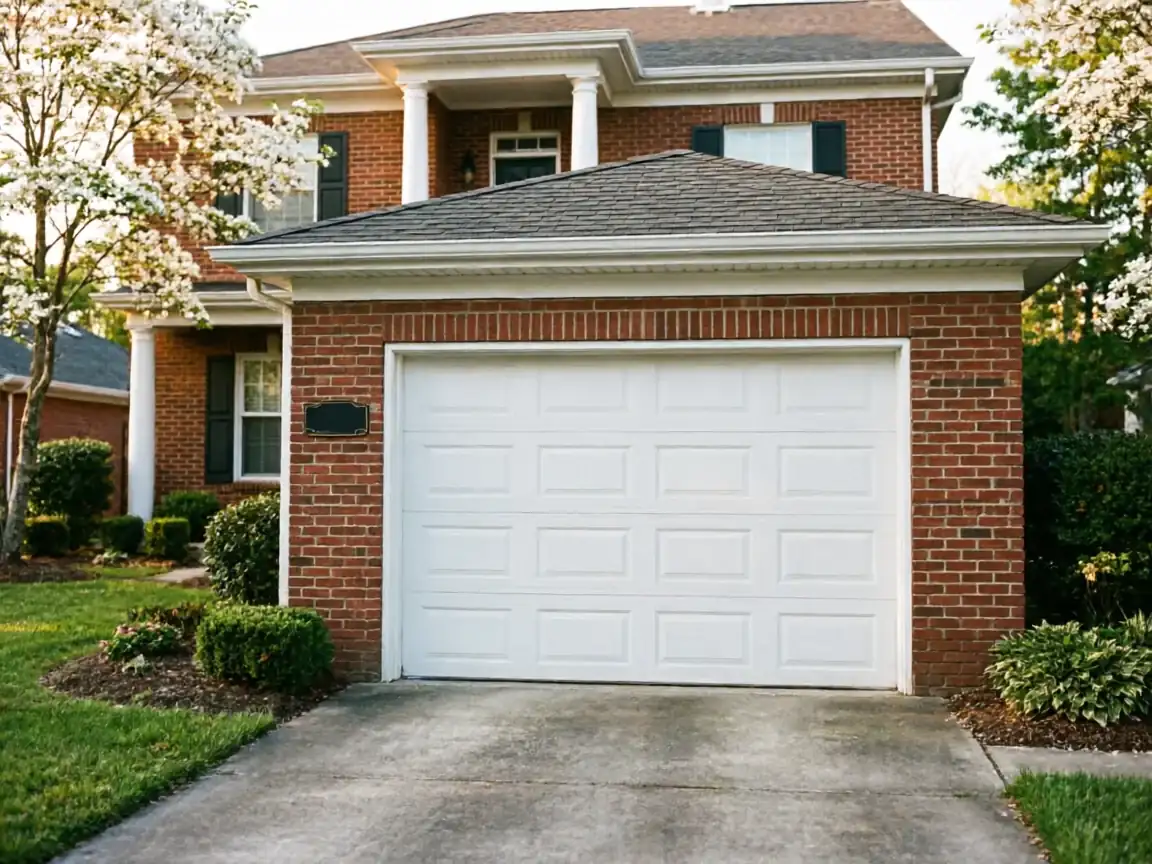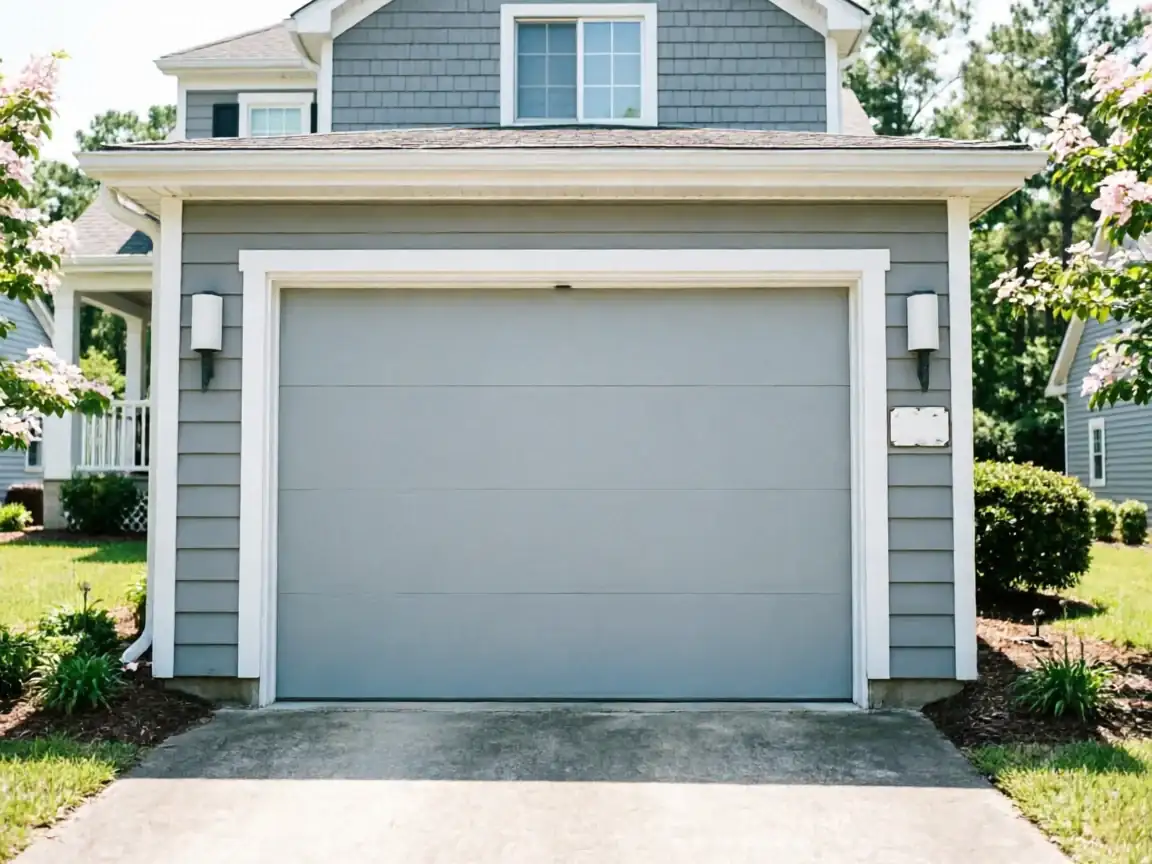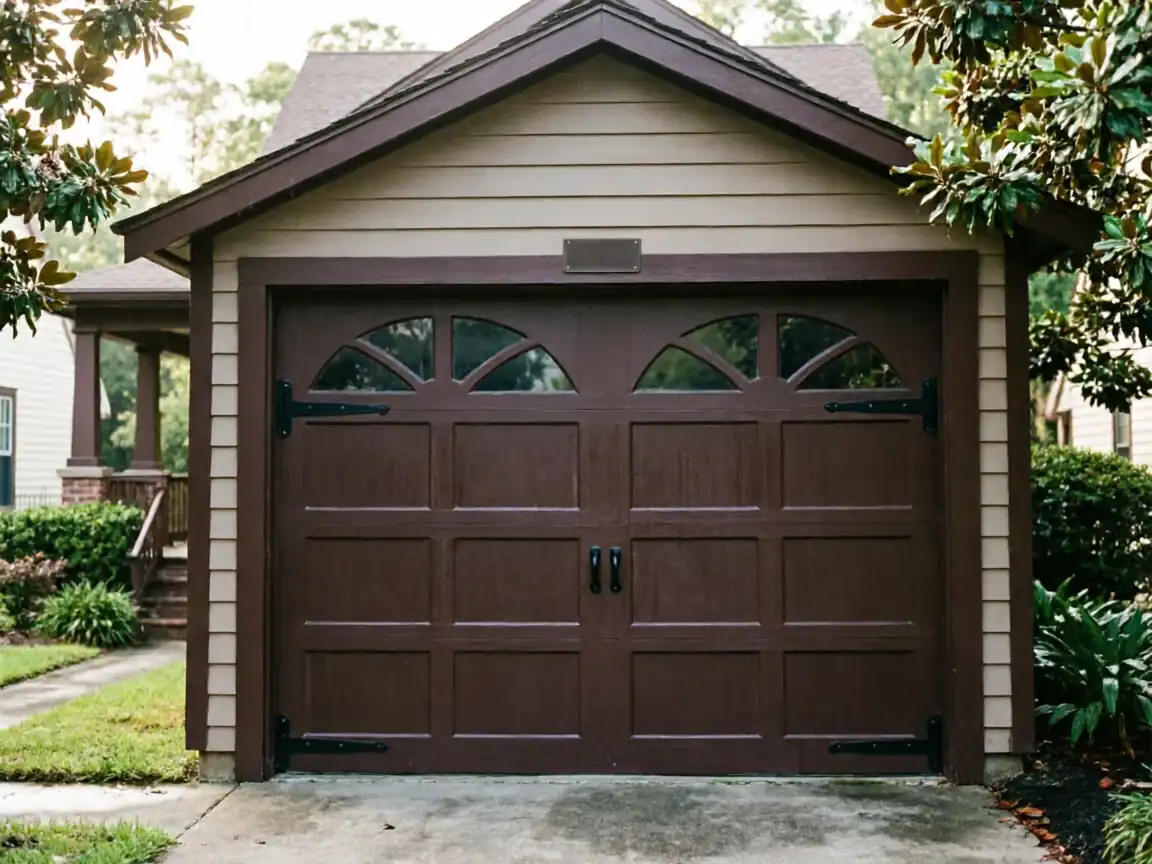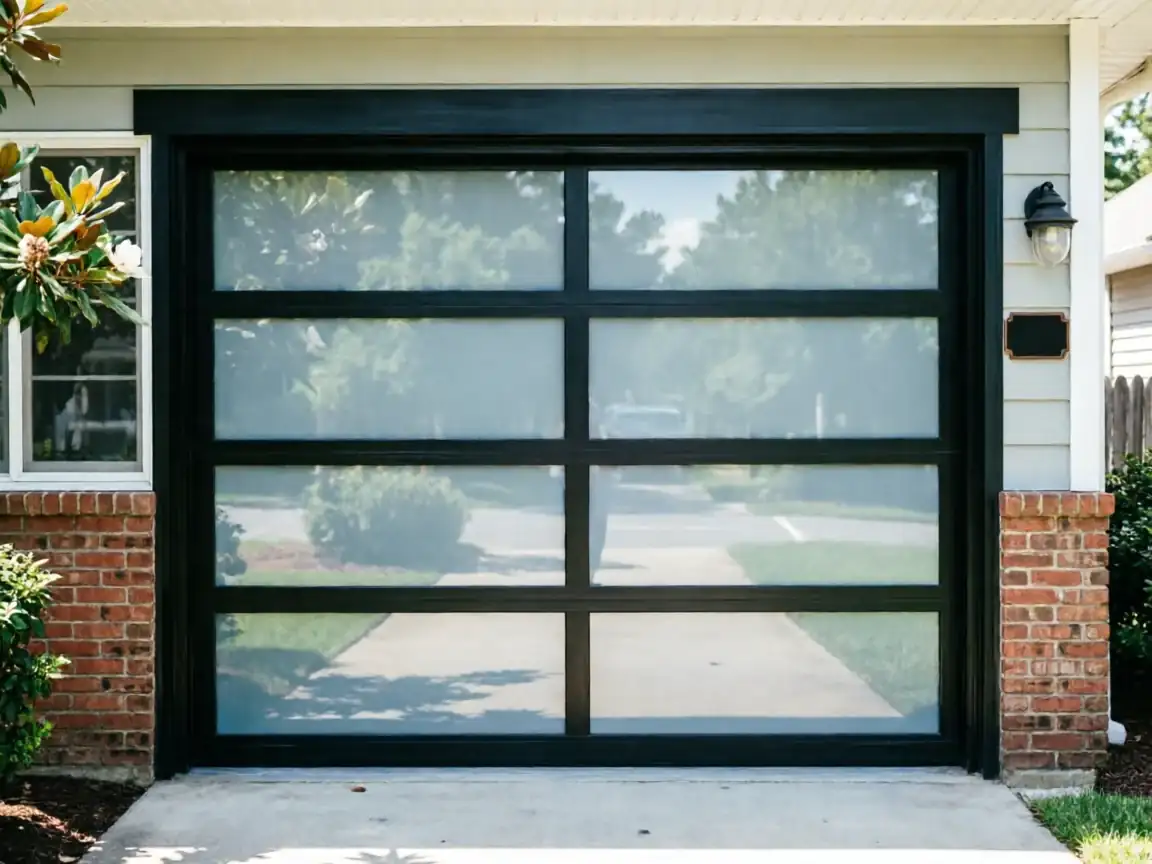
The Symptom
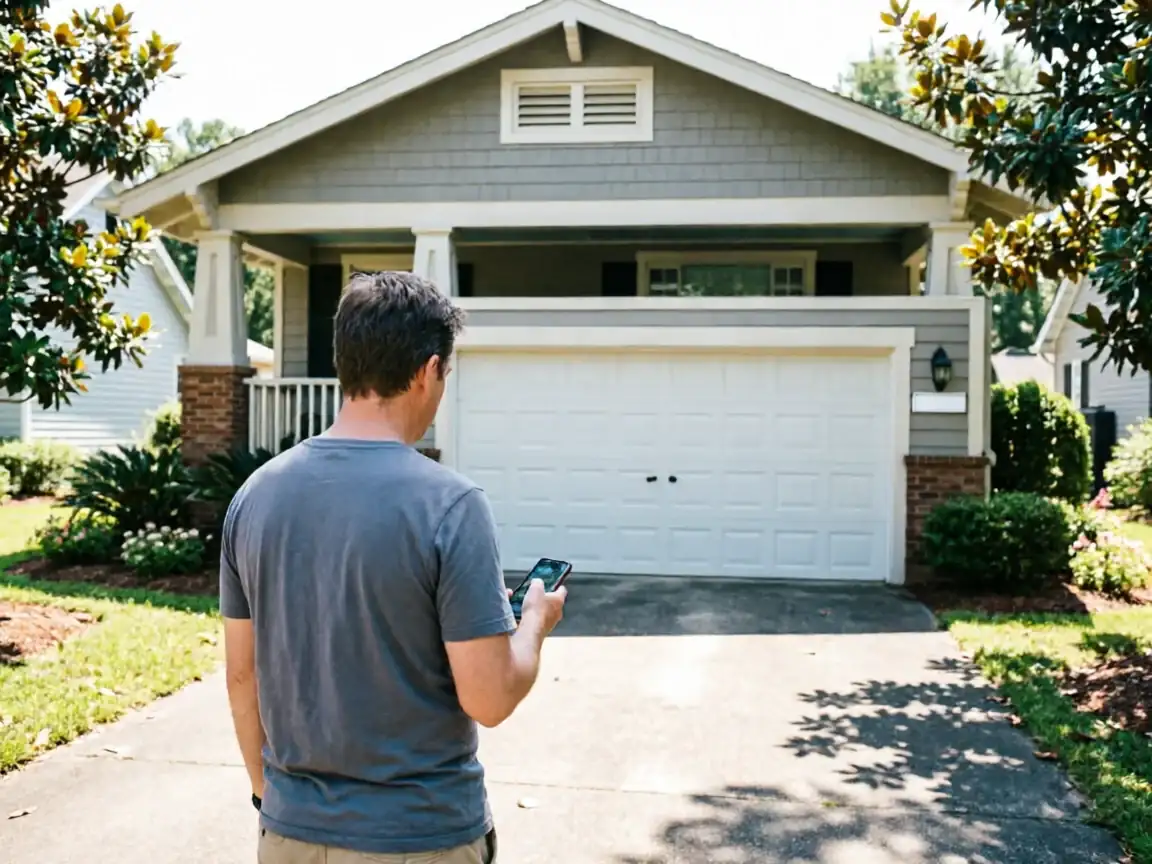
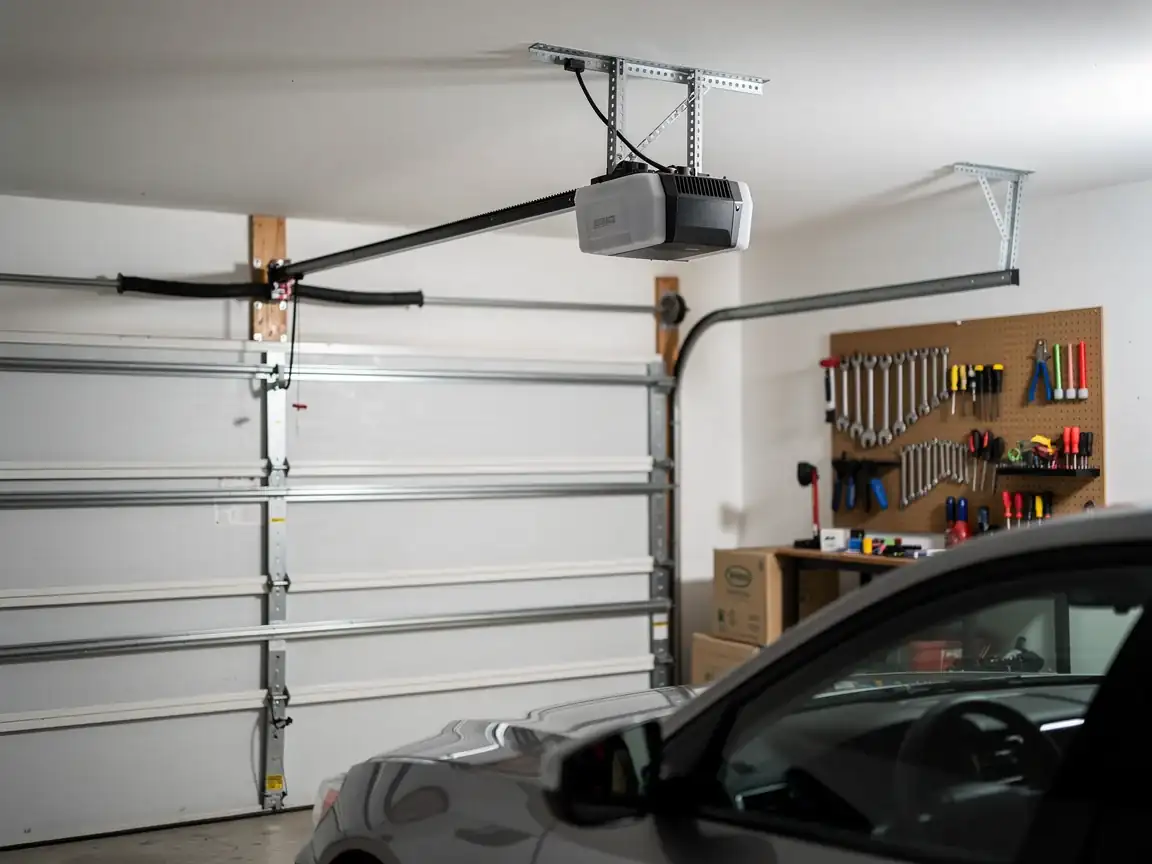
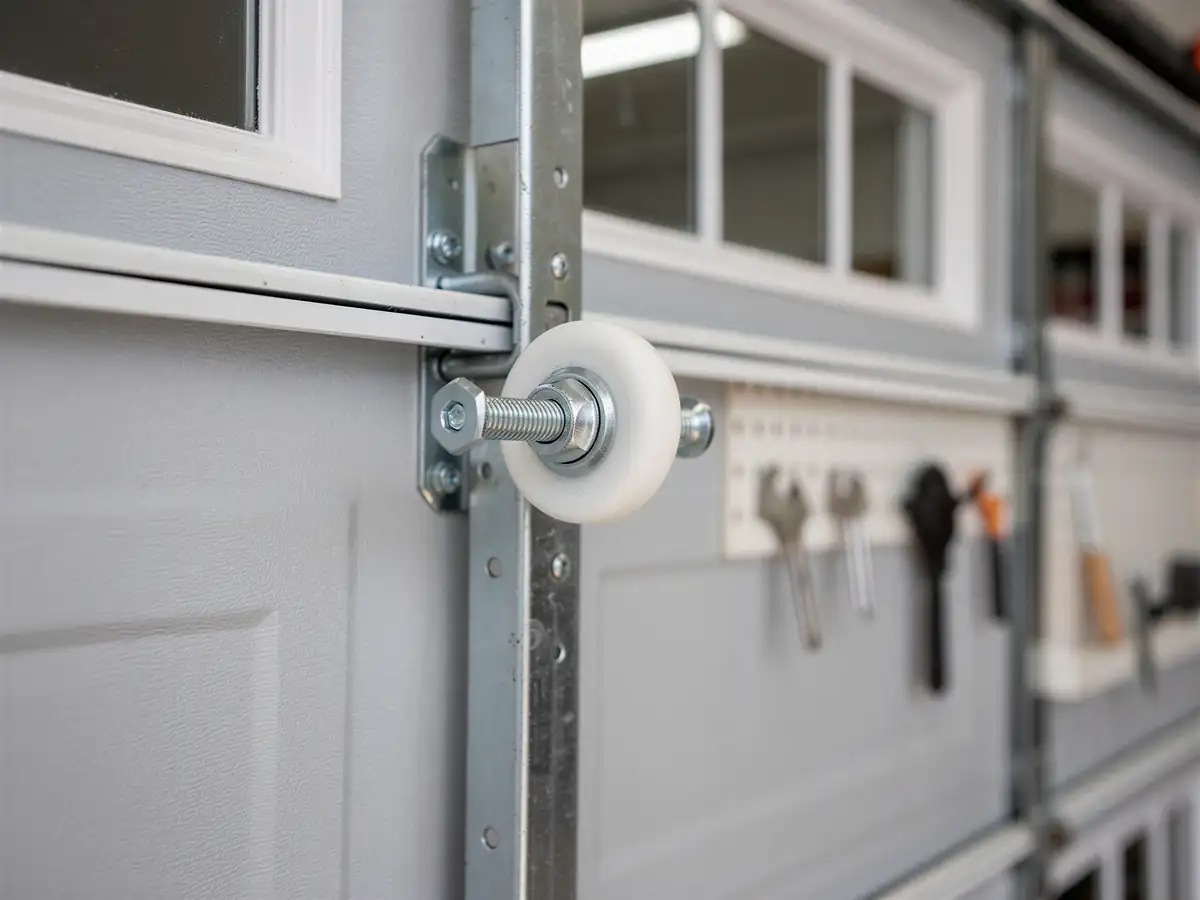
You notice it before you can name it. The door hesitates at the same spot every time, or it closes a half-second slower than it used to. Maybe there's a grind on the way up that wasn't there last winter, or the opener strains and clicks before the door finally moves. None of that is an emergency yet, which is exactly why people put off calling. A door that labors instead of failing outright is a door telling you something is wearing down - a spring losing tension, a roller going flat on one side, hinges working loose from thousands of open-close cycles. Left alone, the labored door becomes the broken door, usually on a morning you didn't plan for it.
Across the Midlothian service area, the symptom shows up a little differently depending on the house. A 1970s door with original hardware groans because the hardware is original. A door installed in the last decade can still bind if the track was never checked after the first few years of settling. The pattern is wear plus time, and both are things a maintenance visit is built to catch before they turn into a cable off the drum or a spring that lets go mid-cycle.
What Causes It Around Here
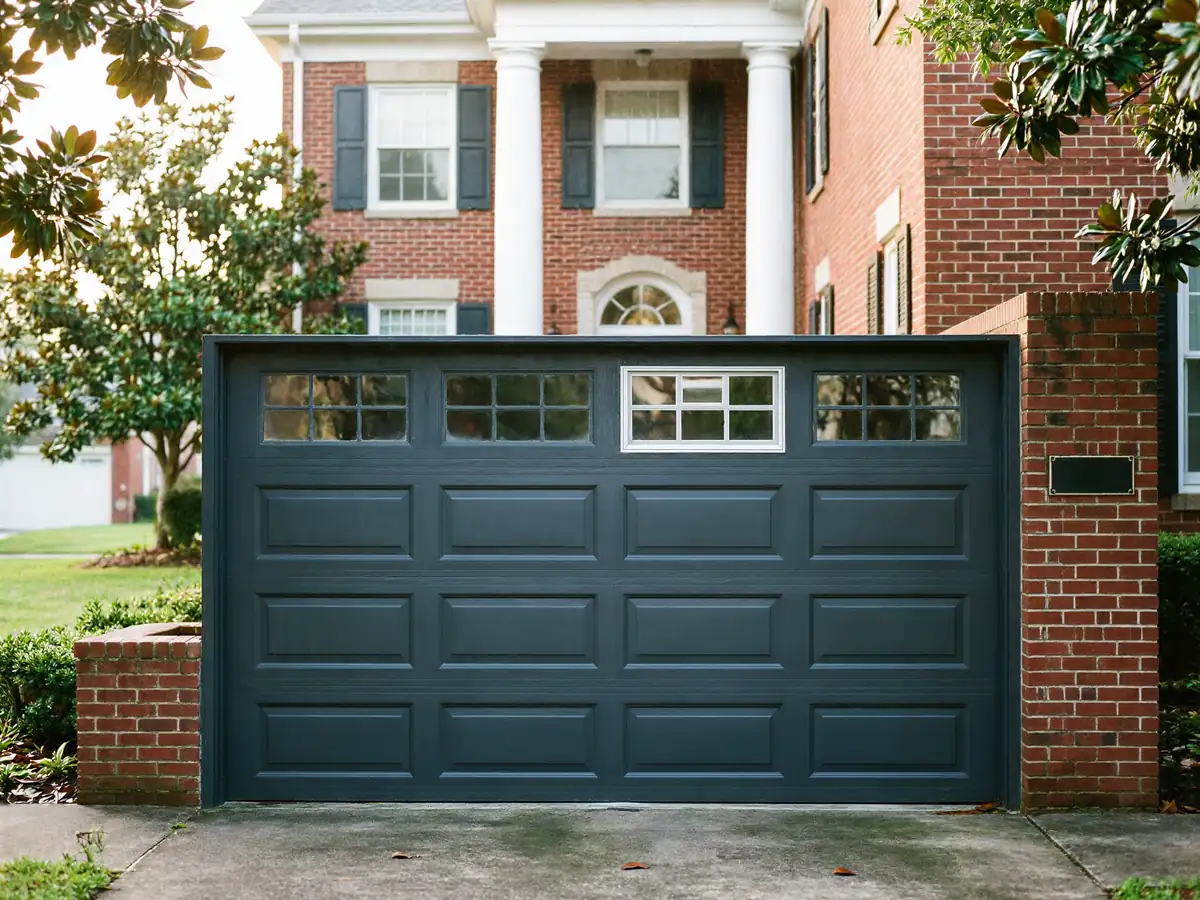
Housing in this area was mostly built between 1954 and 2005, with a lot of it dating to the 1960s and 70s, and that matters more than people think. A door and opener system installed when a house was built, or even replaced once since, has had decades of seasonal temperature swings to work on its steel and lubricant. This is a cold-moderate climate - not brutal, but enough freeze-thaw cycling each winter to stiffen lubricant, shrink metal fractionally, and make springs that are already fatigued snap sooner than they would in a milder zone.
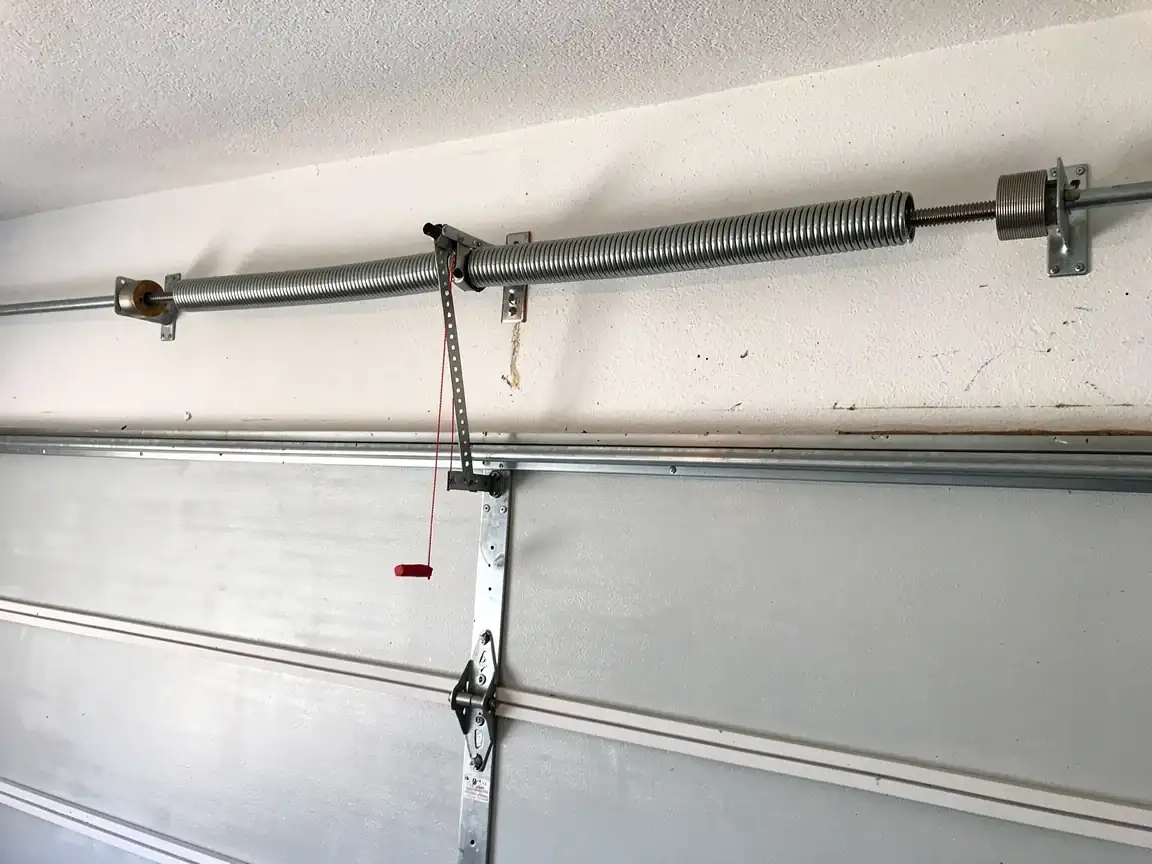
Older torsion springs lose a measurable amount of lift capacity every winter they run cold and dry. Rollers on original hardware, especially nylon ones from the 1980s and 90s, crack with age and temperature cycling rather than just use. And across the roughly 32,837 owner-occupied houses in this service area, a lot of garage doors are original equipment that nobody has touched since the day they were hung. That combination - older housing stock, a climate that stresses hardware twice a year at the seasonal turn, and doors that were never serviced - is why maintenance calls here cluster around spring tension, roller wear, and track alignment rather than anything exotic.
The DIY Question
Some of this is genuinely fine to do yourself
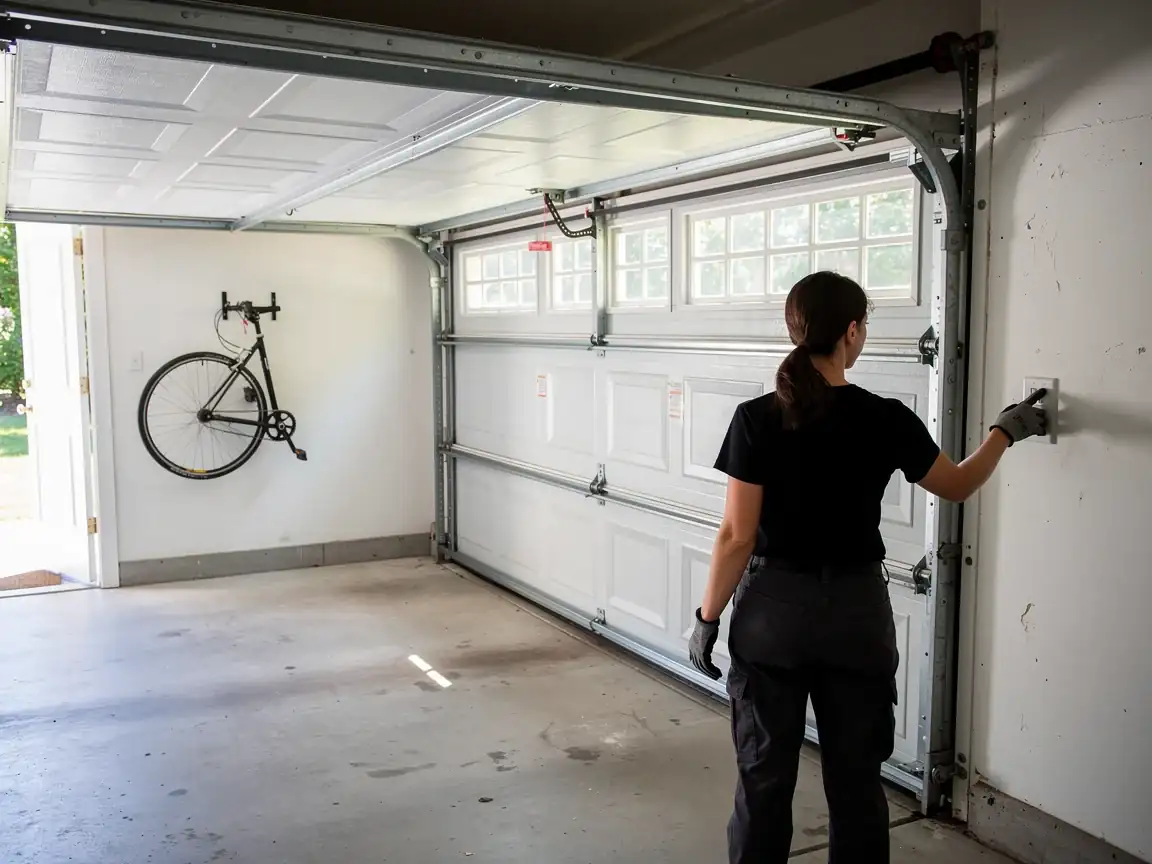
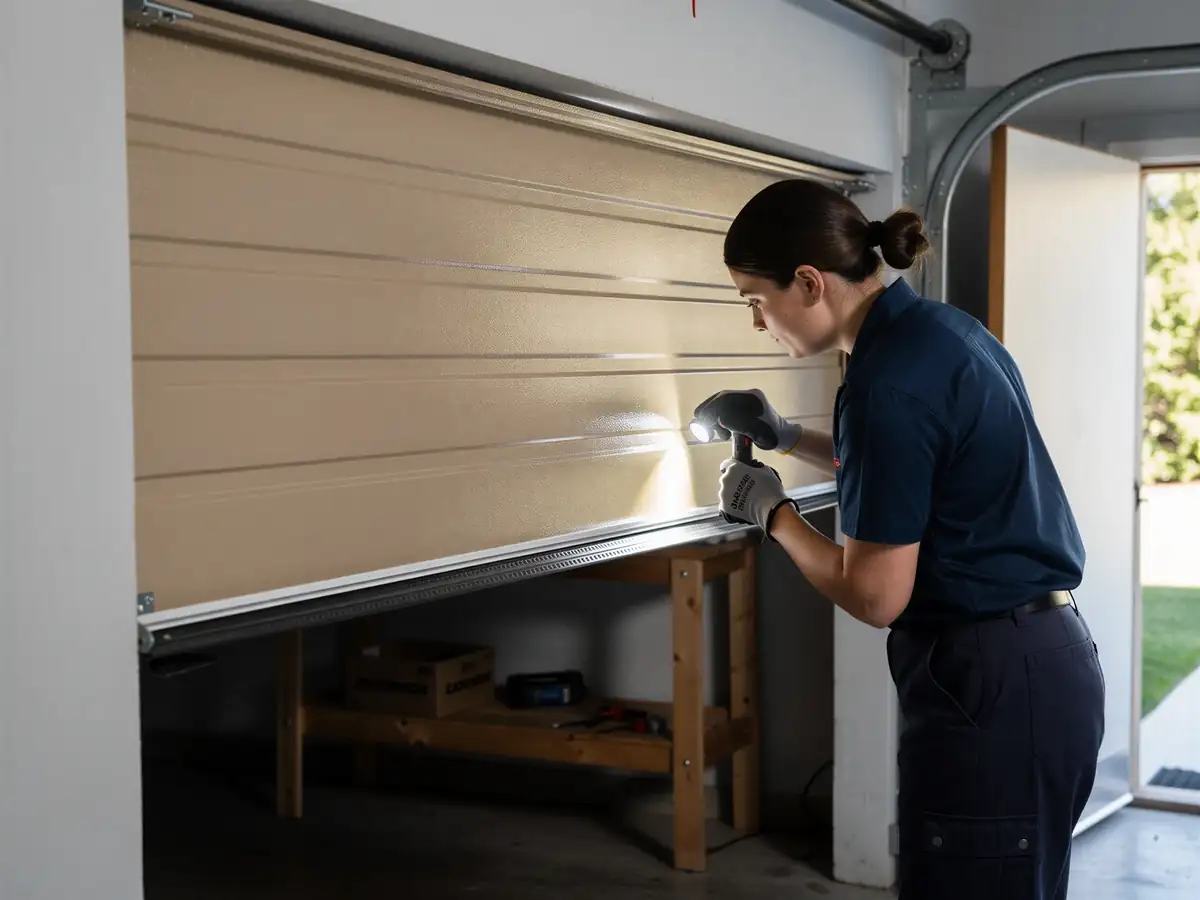
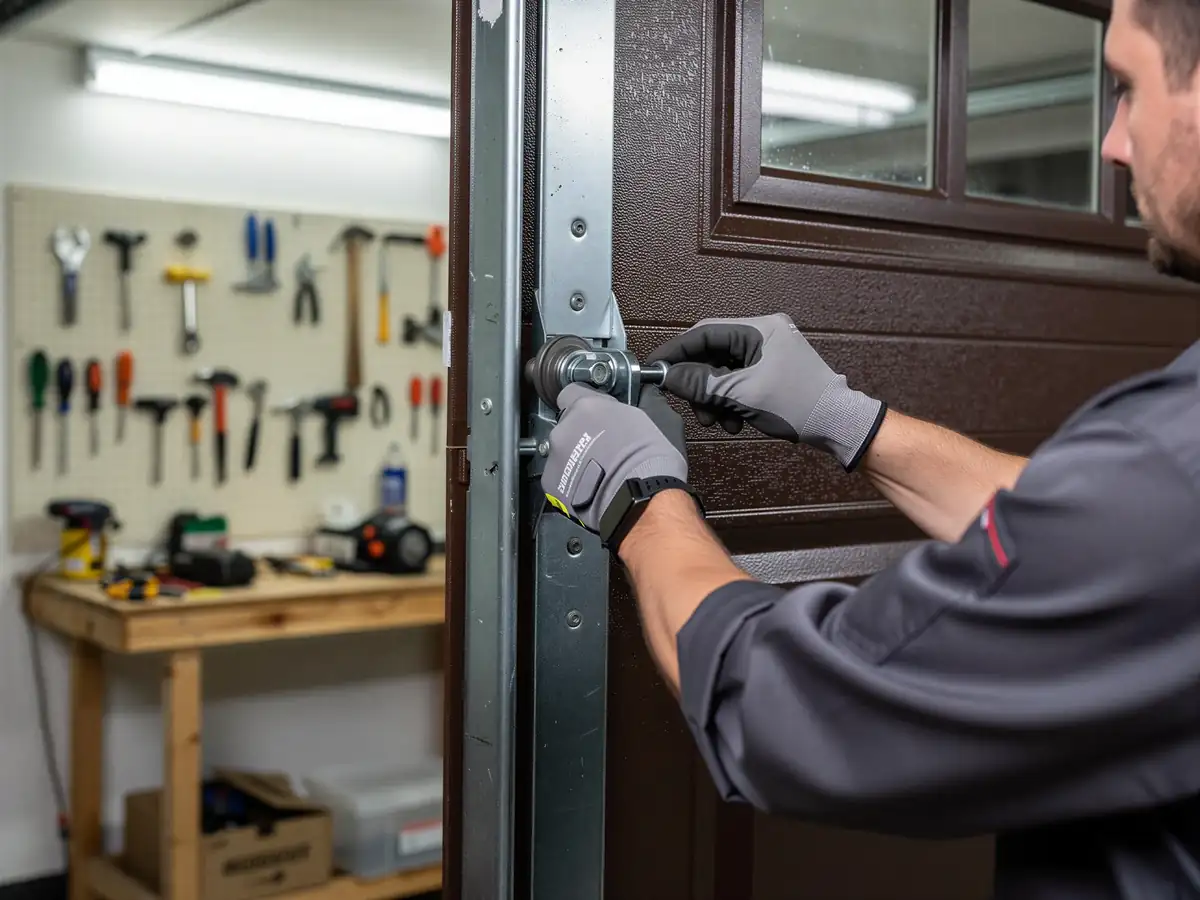
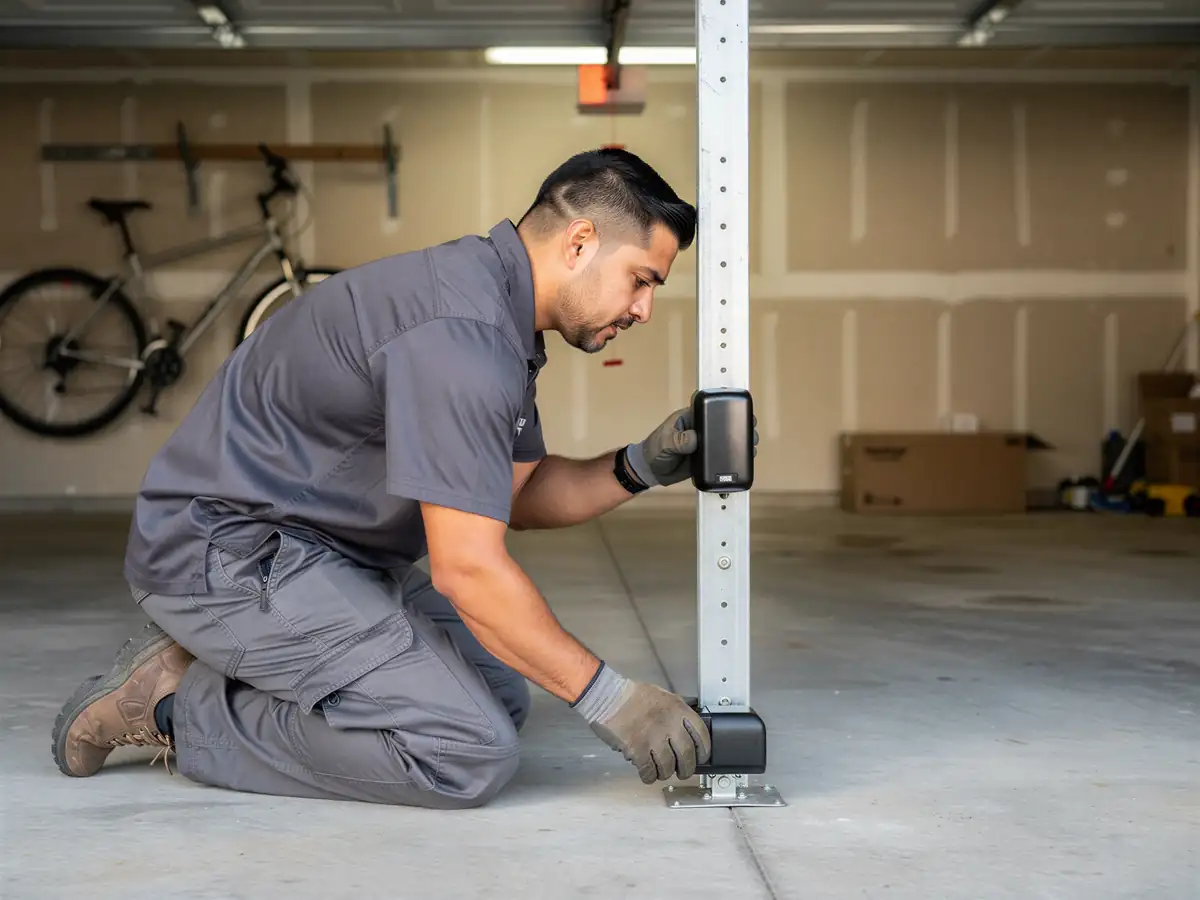
Wiping down tracks, checking that the photo-eye sensors are clean and aligned, listening for new noises, and keeping the area around the door clear - none of that needs a truck. Lubricating hinges and rollers with the right product, done a couple times a year, is reasonable homeowner maintenance too.
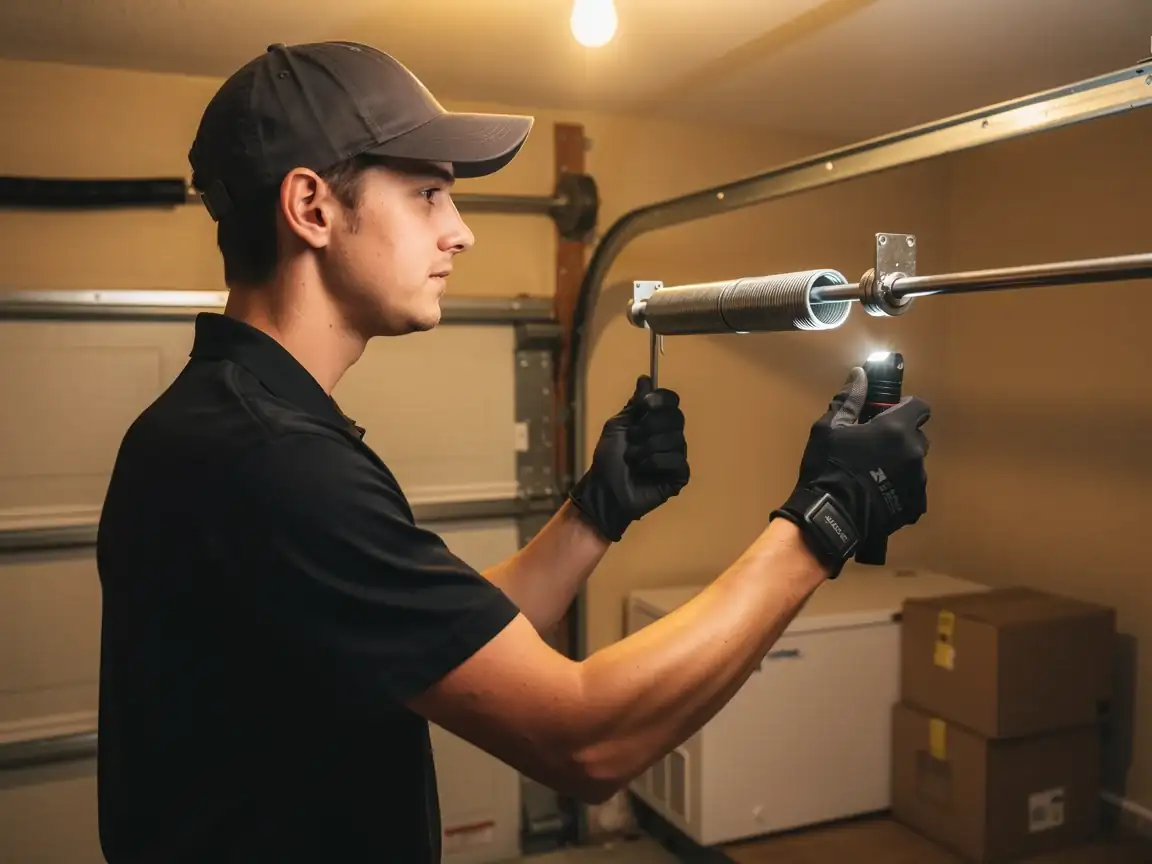
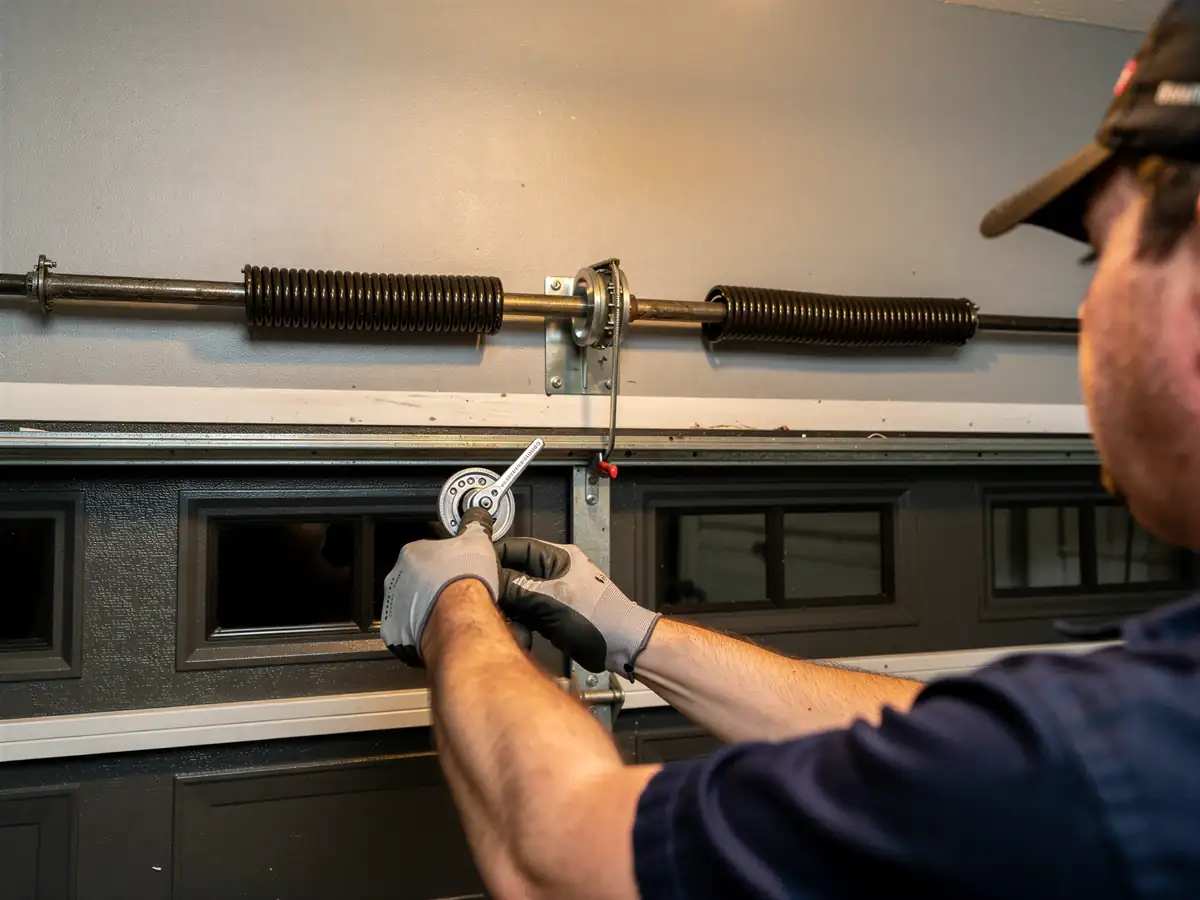
What isn't a DIY job is anything involving the torsion spring
These springs hold enough stored tension to break a bone or worse if they let go while you're working near them, and tightening or replacing one without the right bar and clamps is how people get hurt. Same goes for cable adjustment and anything that requires taking real load off the door. If you're not sure whether a noise is a lubrication issue or a spring issue, that's a reasonable thing to have someone look at rather than guess.
Where This Job Goes Sideways
The honest limitation here: a maintenance visit can't undo thirty years of deferred wear in one appointment. If a door has original 1970s-era springs and hardware that's never been touched, sometimes the right call after inspection is to talk about replacement rather than keep tuning a system that's at the end of its service life. We'll tell you that straight rather than keep billing small adjustments on a door that's done.
The other place this goes sideways is when someone waits until a part has already failed to book a tune-up. Maintenance works best as prevention - catching a roller that's starting to crack, a spring that's lost a coil's worth of tension, a track that's a few degrees out of plumb. Once a cable has jumped the drum or a spring has snapped, that's a repair call, not a maintenance visit, and it usually costs more and takes longer than the tune-up would have.