What Local Conditions Do
Midlothian sits in a cold-moderate climate band, which means the strain on a garage door isn't one brutal freeze - it's repeated freeze-thaw swings through the winter months. That cycling matters more than people expect. Steel panels expand and contract, torsion springs lose coil tension faster when they're wound and unwound through temperature shifts, and nylon rollers dry out and crack years before they'd fail in a steadier climate.
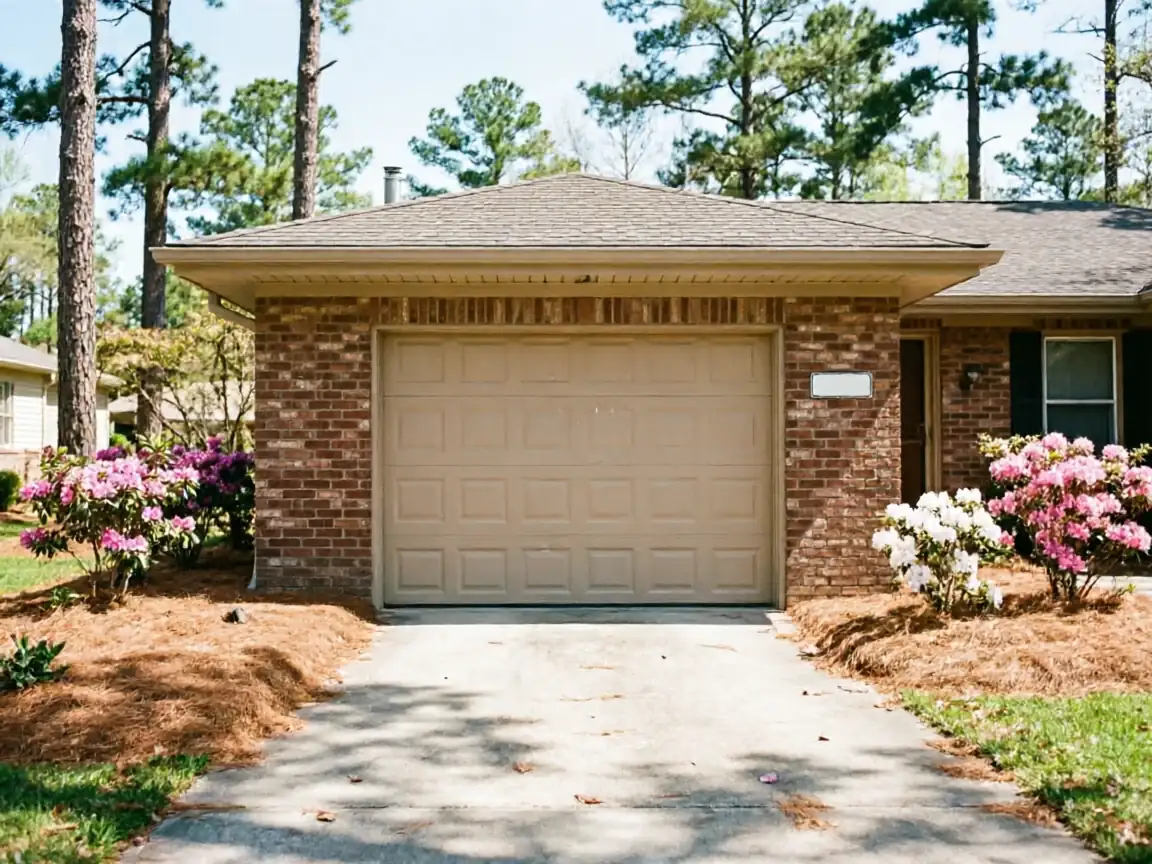
Most houses in this area were built between 1954 and 2005, with the heaviest concentration going up during the 1960s and 70s across neighborhoods like Brandermill and Woodlake. A door installed on a 1970s build has been cycling through that freeze-thaw pattern for roughly fifty years, often on the original track and spring hardware from construction, even if the opener itself has been swapped out once or twice. That's a long run for hardware that was never rated to last that long in the first place, and it's why a door that looks fine from the driveway can have a spring close to its last few hundred cycles.
None of this means every older door is in trouble. It means the climate here puts a ceiling on how long certain parts realistically hold, and that ceiling is lower than most owners assume.
When to Get Help
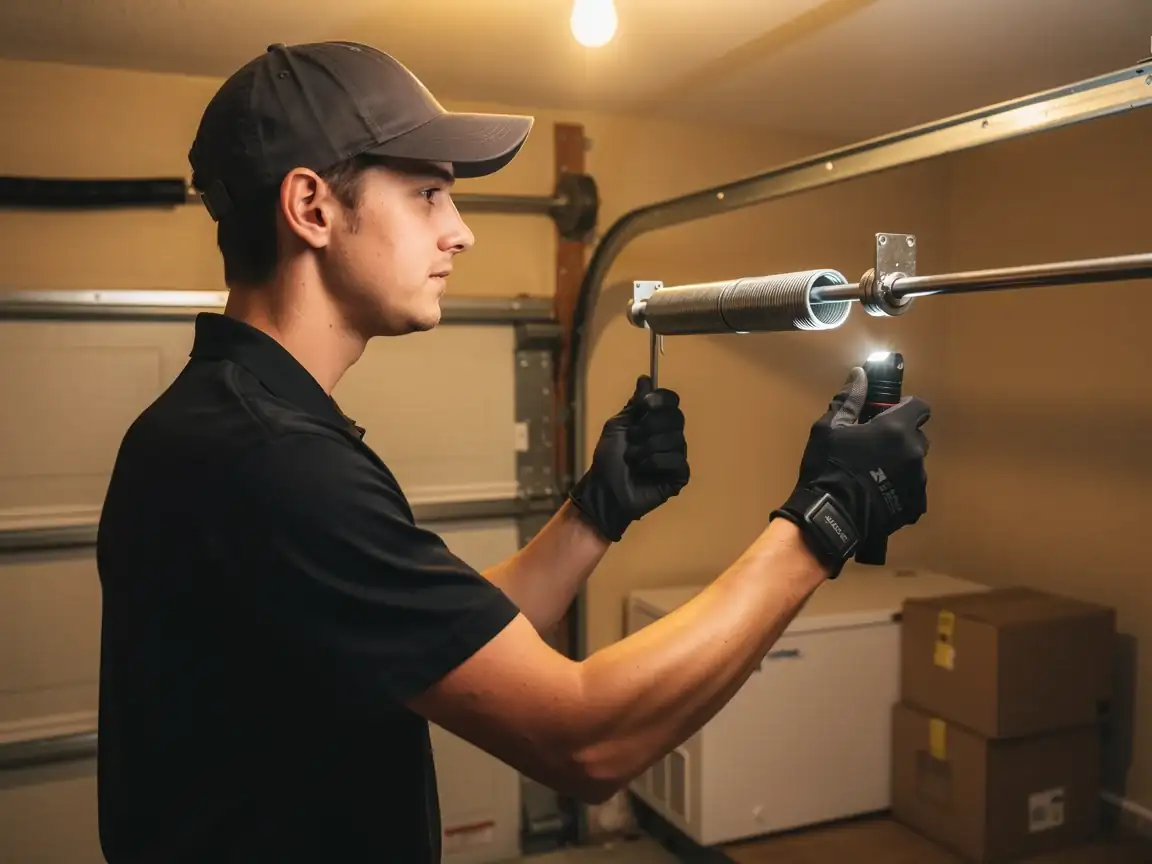
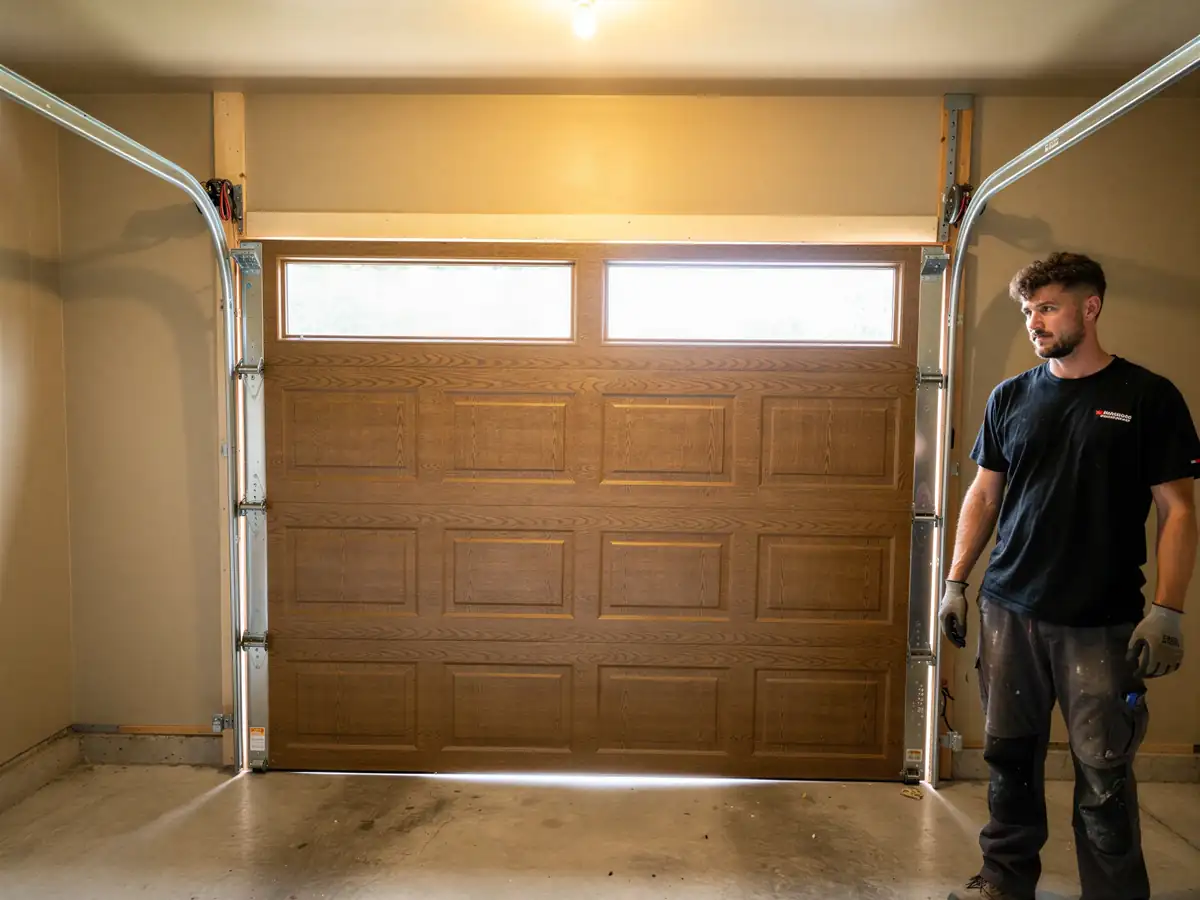
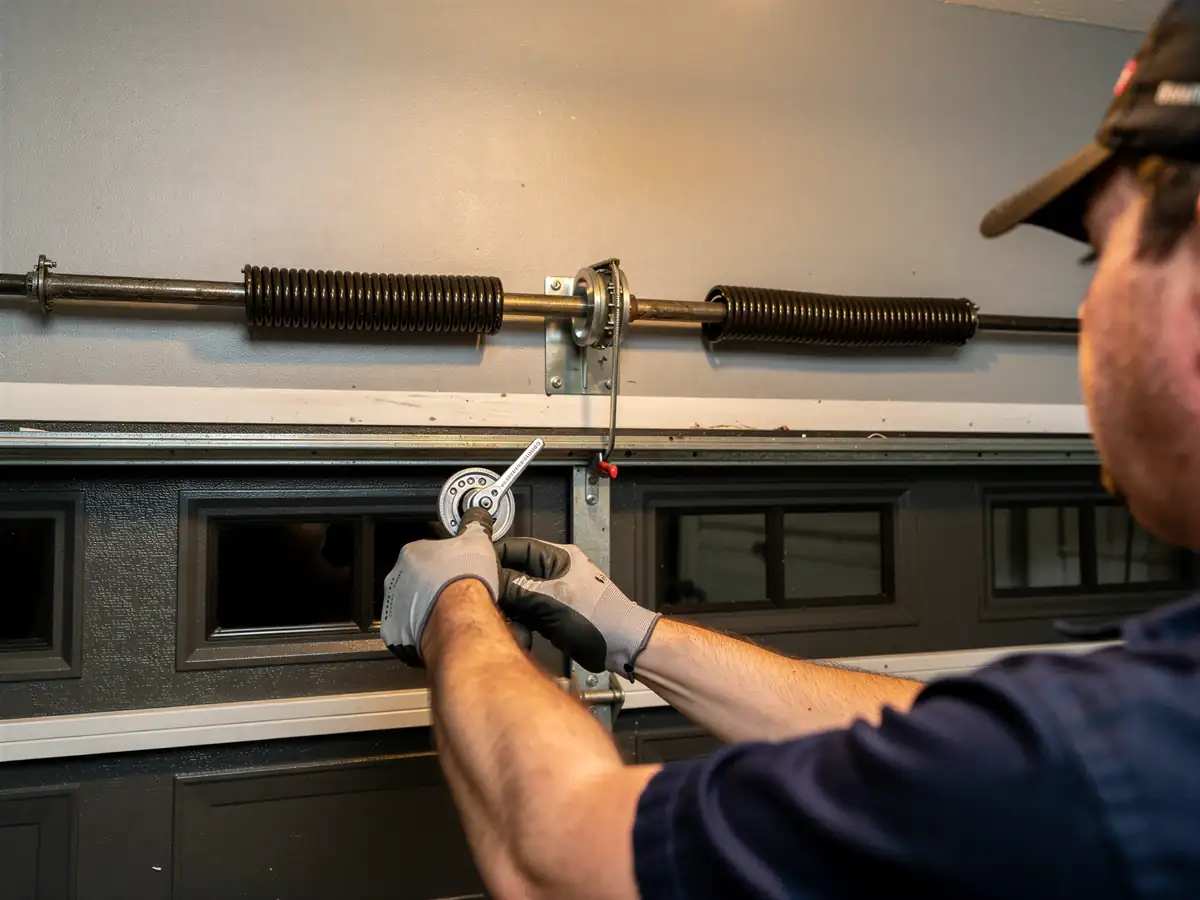
A torsion spring doesn't fail gracefully - it fails on a cycle count, and a spring installed during a 1960s or 70s build in this area has likely put in more winters of freeze-thaw stress than its rated life accounts for. If the door feels heavier than it used to, or the opener strains and reverses partway up, that's usually the spring, not the opener motor.
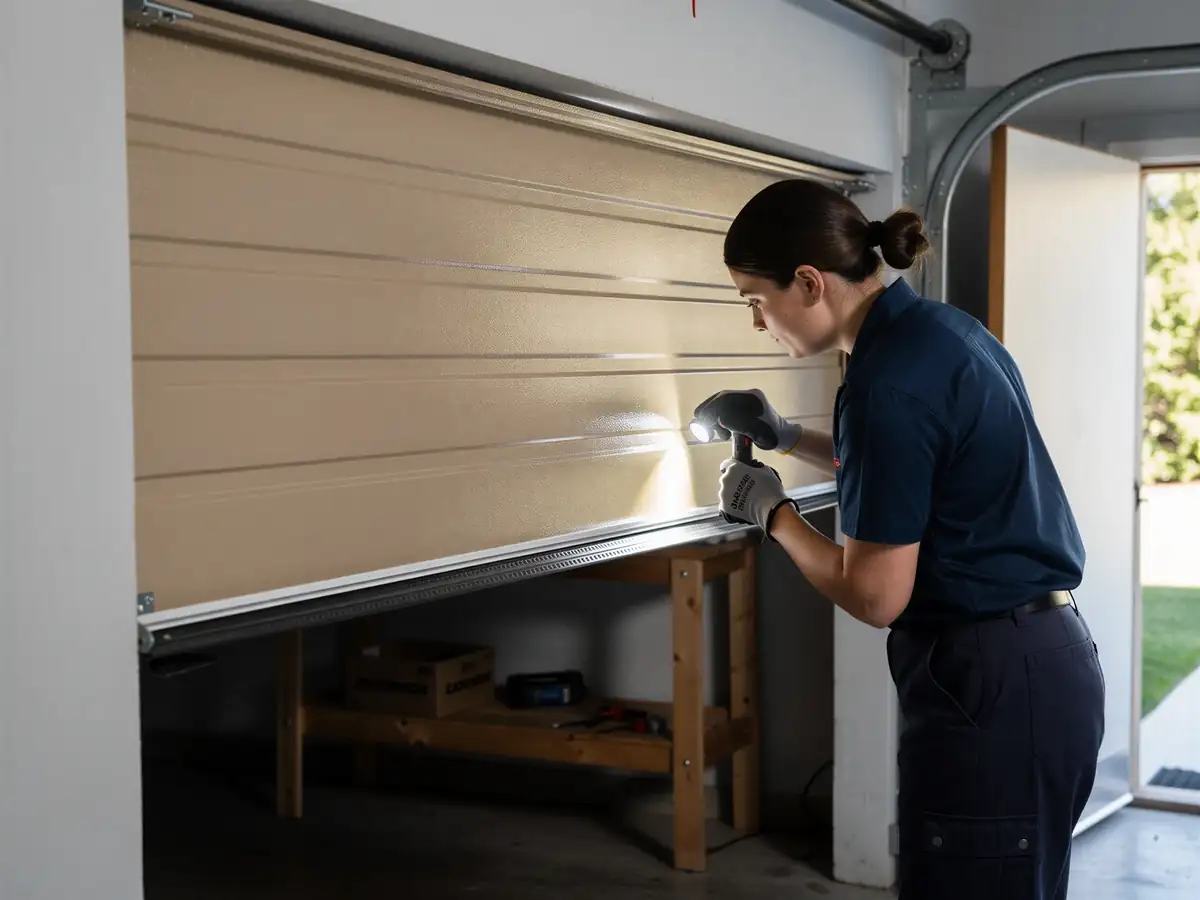
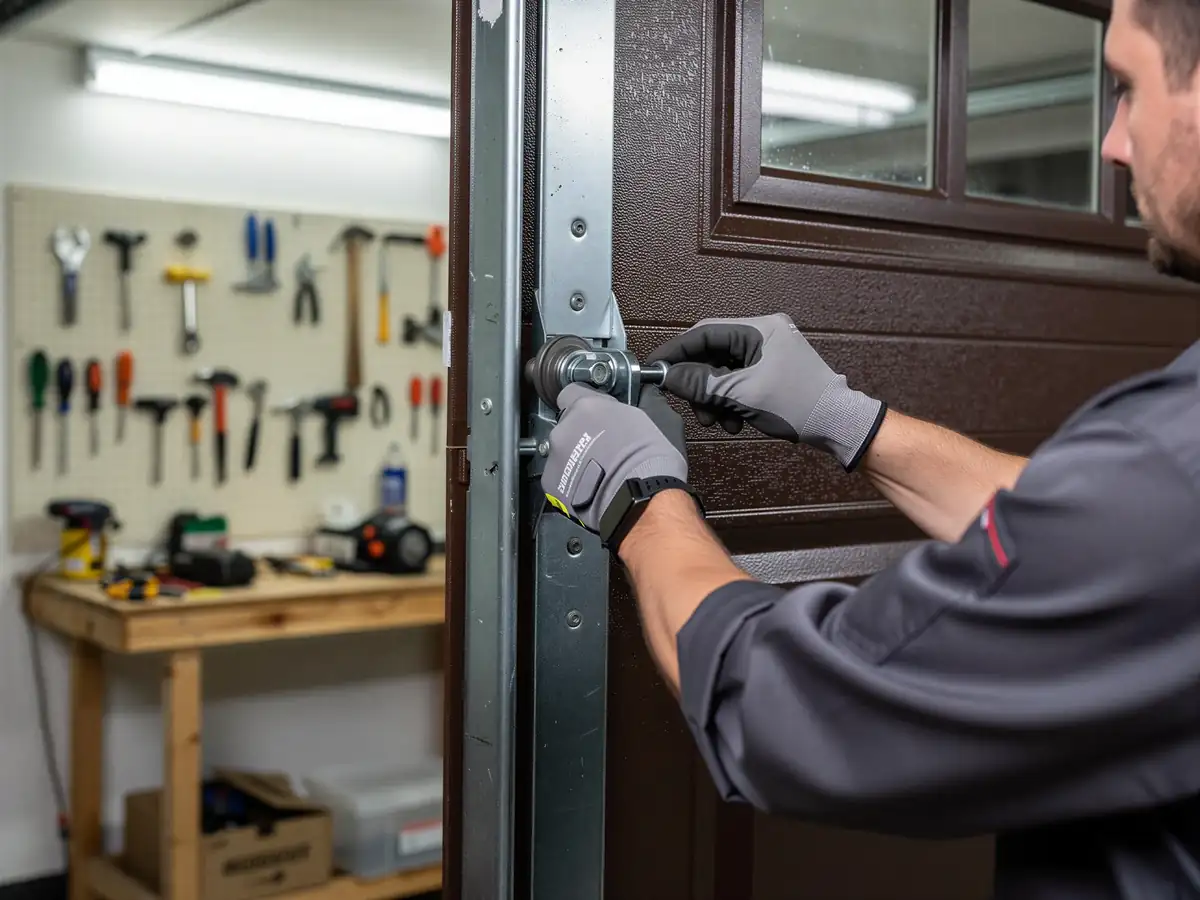
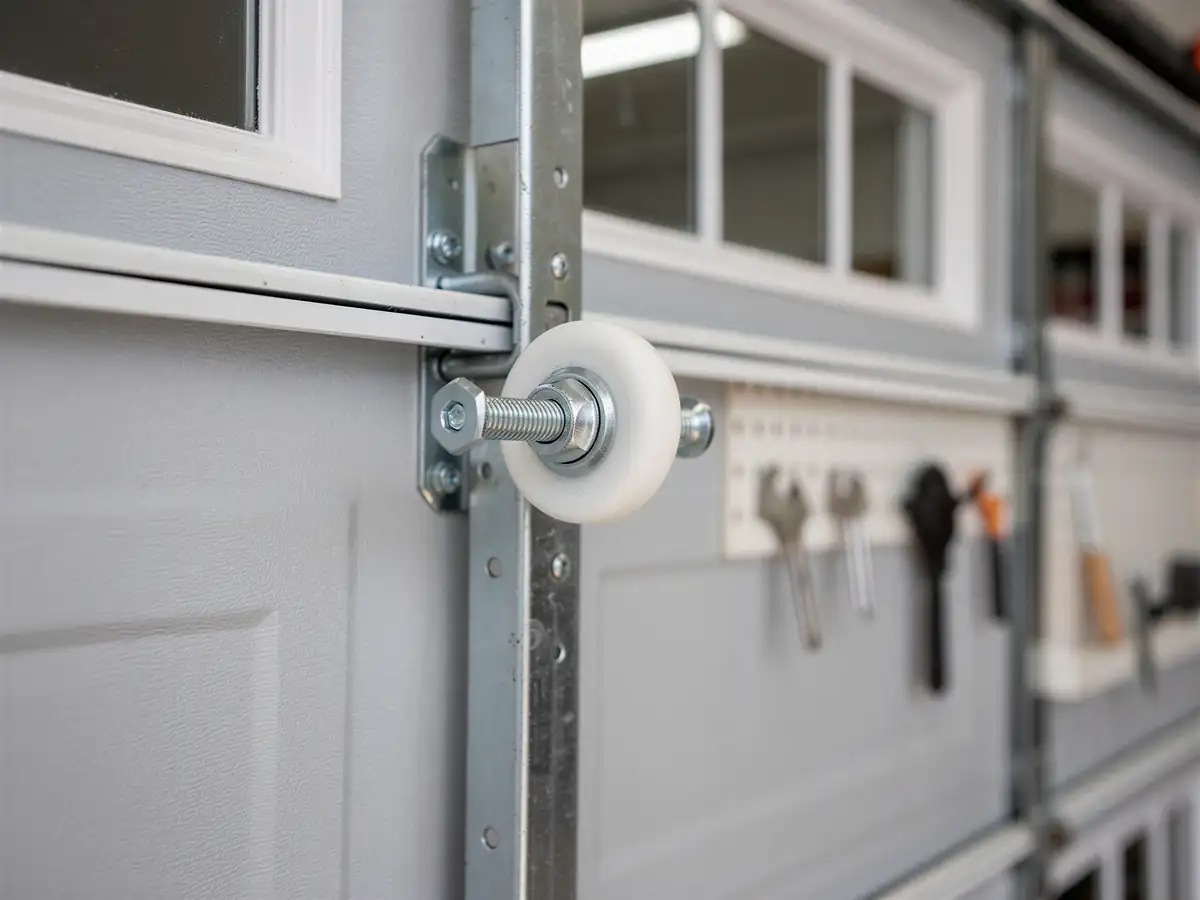
Rust at the bottom panel seam or around hinge brackets is another sign worth acting on, especially on houses from the earlier end of the 1954-2005 build range, where the original steel gauge is thinner than what's installed today. Grinding or popping noises from the rollers, especially nylon ones original to a 60s or 70s build, usually mean the roller is near the end, not the track.
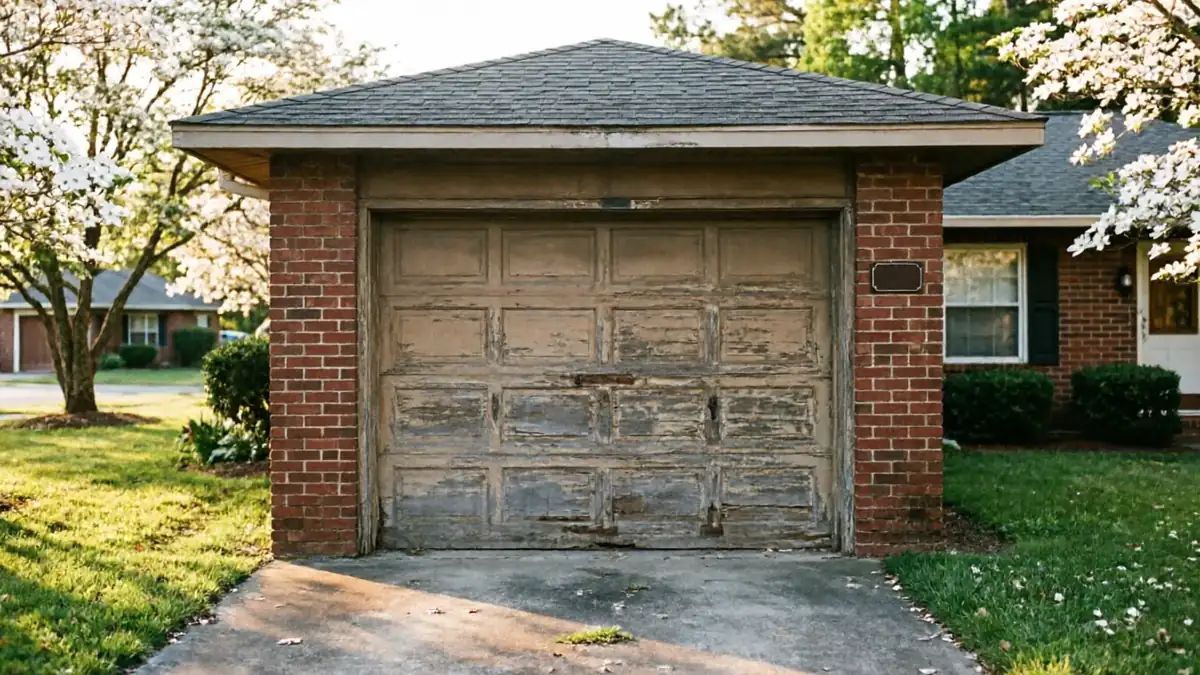
The honest limit here: if a panel has rusted through or a wood composite door has delaminated at the bottom rail, that's a replacement conversation, not a repair one. Patching a rusted-through panel costs nearly what a new section does, and it won't hold. We'll tell you straight when a call isn't worth the truck roll for a repair and should go straight to a replacement quote instead.
What Most People Get Wrong
The most common mistake we see is assuming an old door means a bad door, full stop
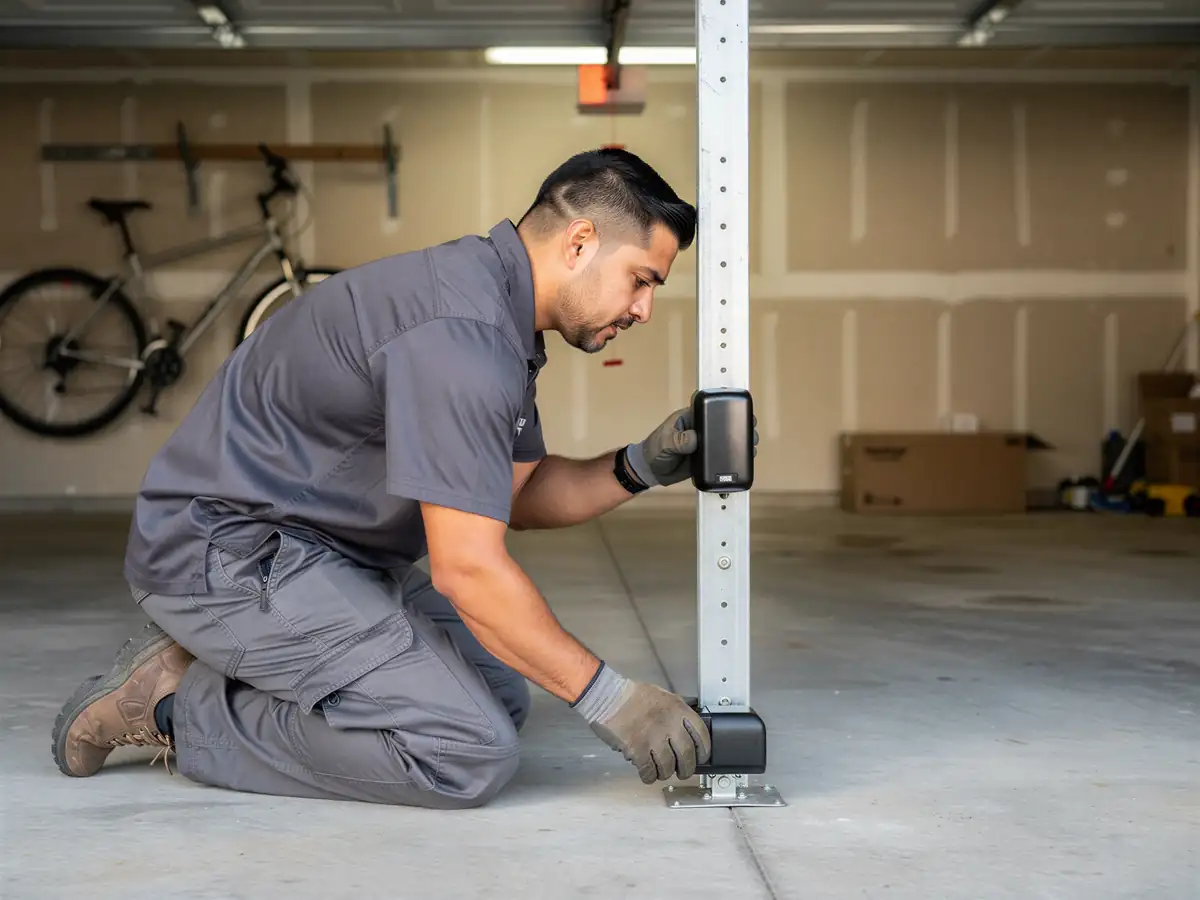
A torsion spring and track system on a house built in the 1960s or 70s often outlasts two or three openers, because the opener does the daily work while the spring just holds tension. Replacing a working spring and track assembly because the door looks dated wastes money that would be better spent on insulation or a new opener with modern safety sensors.
The opposite mistake happens too
Owners keep replacing rollers and cables on a wood composite door that's already delaminating at the bottom rail. Once that happens, water keeps getting in no matter how many hardware parts get swapped, and the repairs become a pattern instead of a fix.
The other thing people get wrong is judging the door by the opener
A strong, new opener on a worn-out track from original 1970s construction will still strain and misalign, because the motor isn't the problem - the rail it's riding is. Given how much of the housing stock here dates to that era, this mismatch between opener age and door-hardware age is one of the more common calls we get.
The Situation
This service area covers roughly 72,105 households, with about 32,837 of them owner-occupied houses, spread across neighborhoods that range from Charter Colony close in, out to Bon Air, Manchester, and Brandermill a few miles further, and further still to places like Bensley, Dumbarton, and Innsbrook. The housing stock across these areas mostly dates to 1954 through 2005, with the bulk concentrated in the 1960s and 70s wave, which means a lot of original torsion hardware is still out there doing its job, or close to done doing it.
With a median household income of $69,917 in this area, most owners we talk to want a straight answer on repair versus replace rather than an upsell. A $300 spring and roller job on a sound 1970s-built door is usually the right call. A full replacement only makes sense once rust, panel damage, or delamination has set in, or when the door's old enough that parts for it are getting hard to source.
That's the real decision point for most calls here: not the door's age by itself, but what fifty-some years of this climate's freeze-thaw cycling has actually done to the specific parts carrying the load.