The Symptom
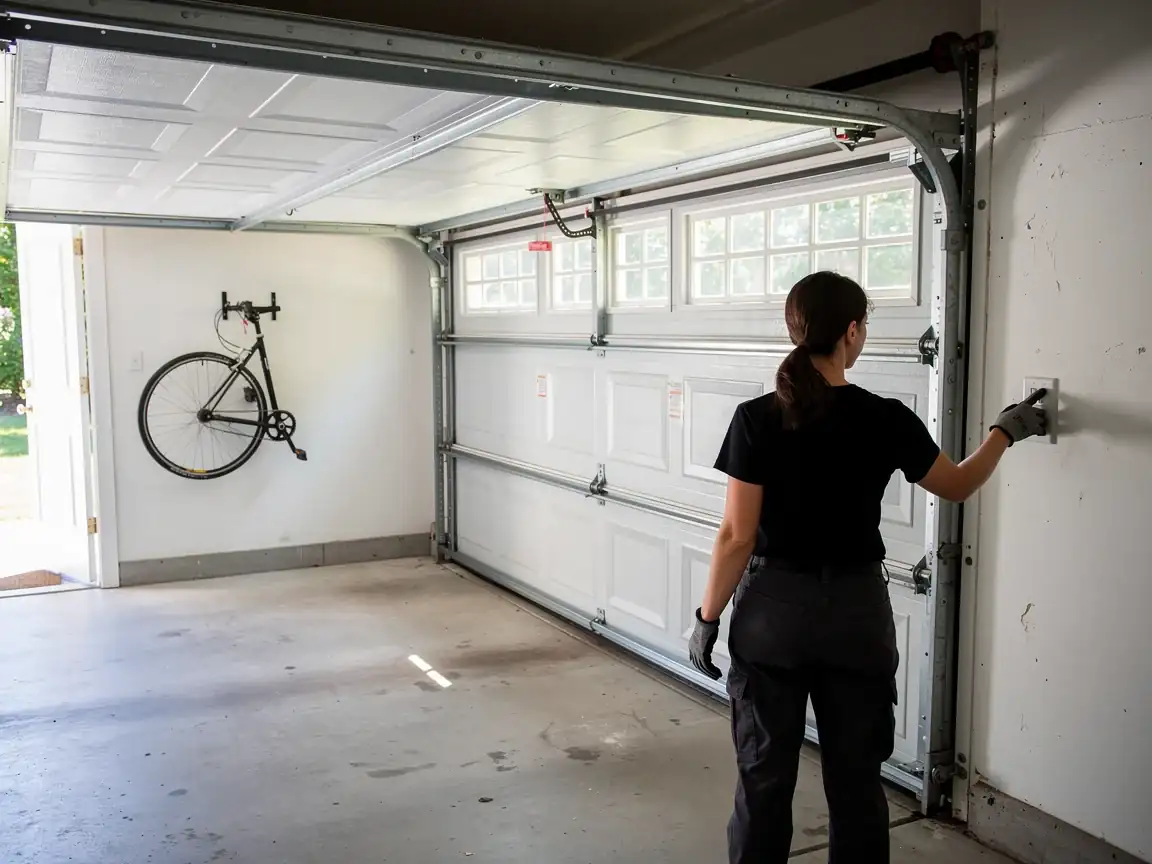
The door won't budge, or it only goes up a few inches before the opener strains and stops. Sometimes you hear a bang from the garage - that's usually the spring itself letting go, not the opener. Other times the door feels like it weighs twice what it did last week, because it does: a broken spring means the door's full weight is now on the opener and on you if you try to lift it by hand.
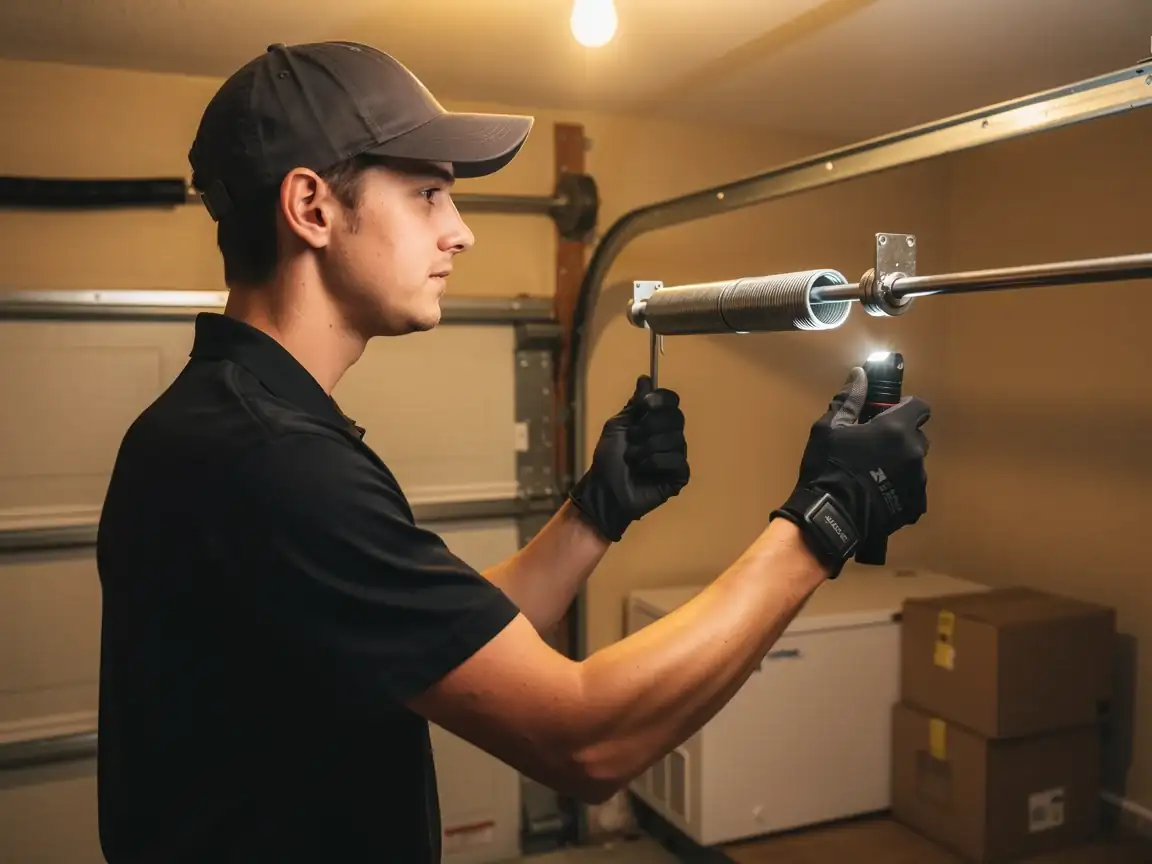
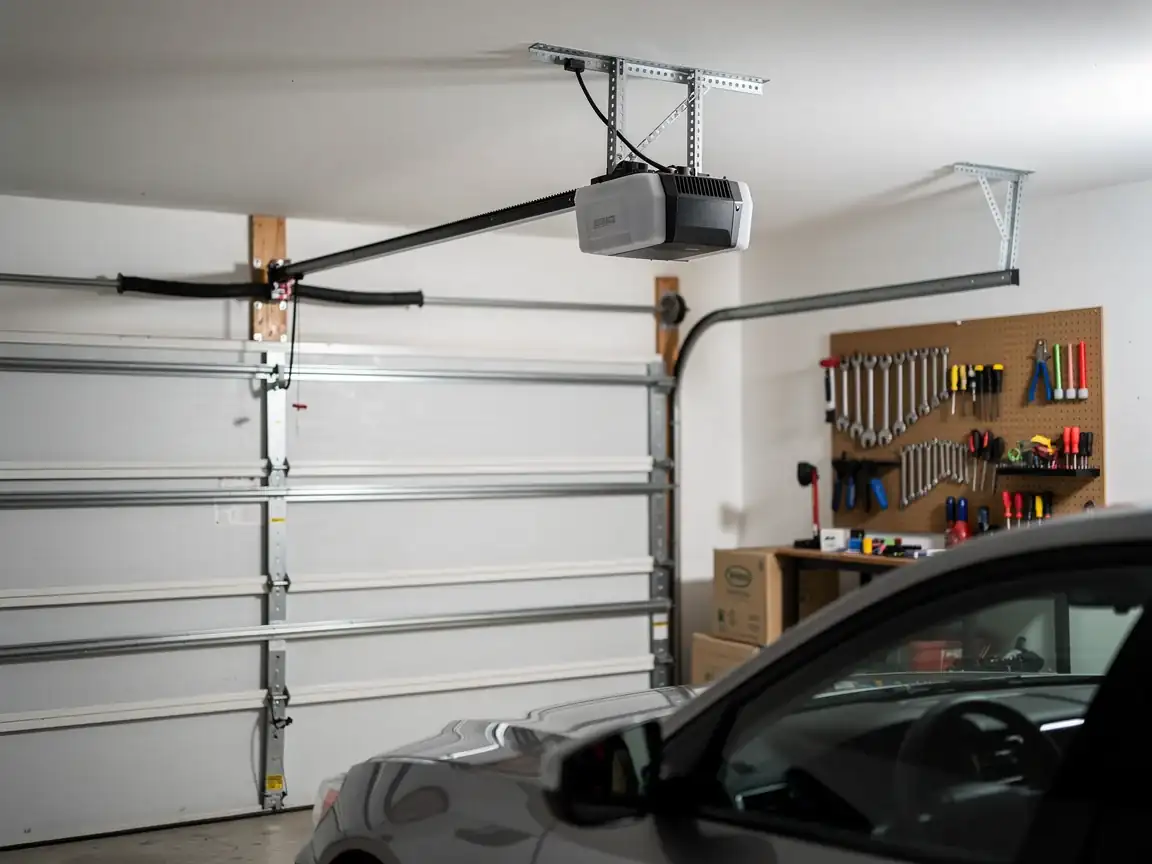
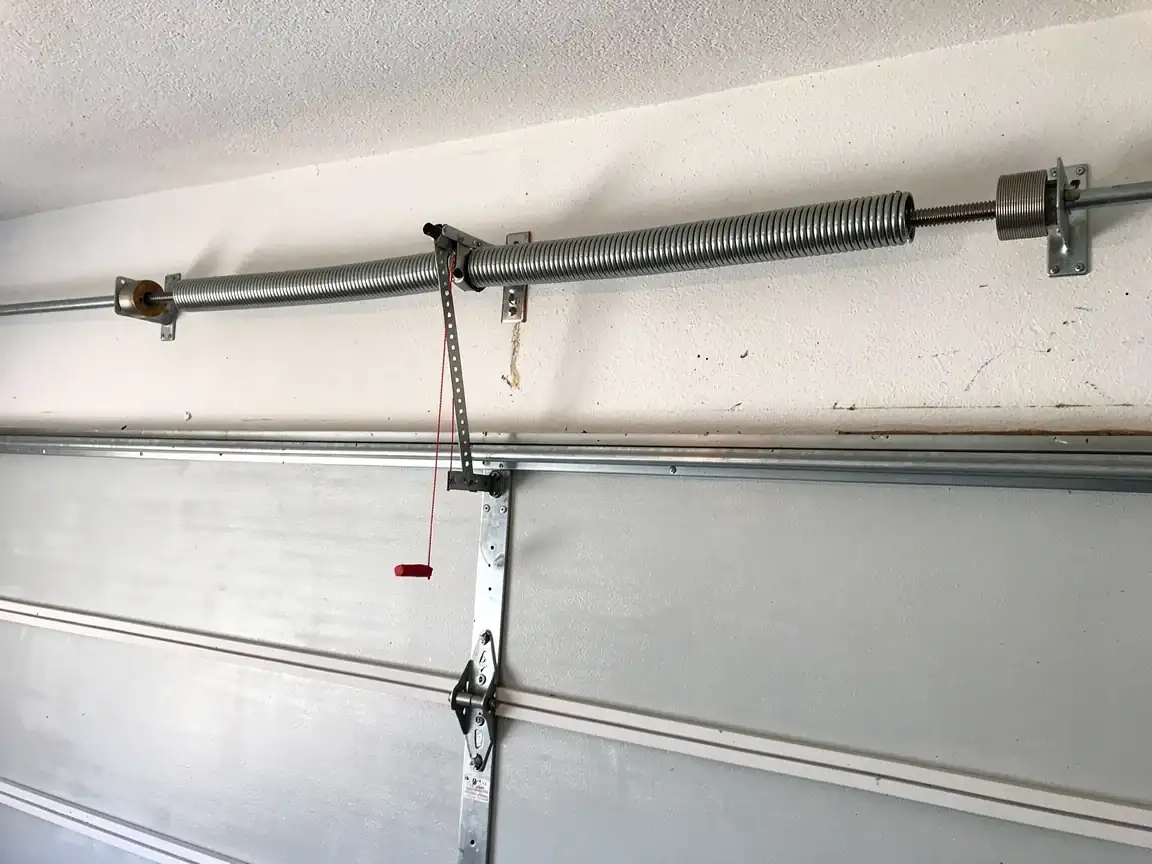
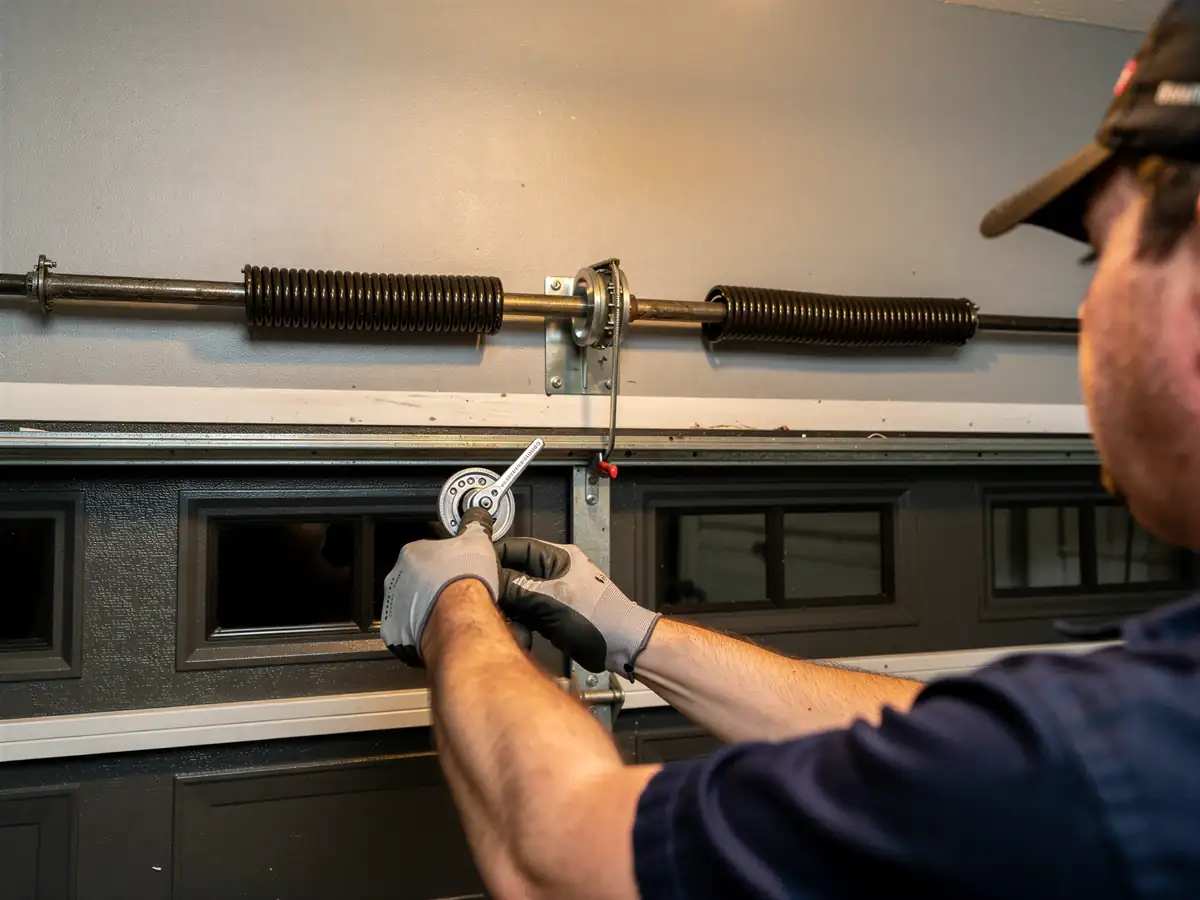
A torsion spring over the door, or a pair of extension springs along the upper tracks, does the actual lifting work. The opener only has to move the door, not hold it up. When that spring snaps, every other part of the system - cables, rollers, the opener's gears - starts carrying load it was never built for. Leave it a week or two in that state and you're often looking at a second repair on top of the first.
If the door is off-track, sagging to one side, or the cable has come off the drum, that's a related but different fault, and it changes how we approach the job. Either way, don't force it. A spring under tension that lets go while someone's hands are on the door is how people get hurt.
What Causes It Around Here
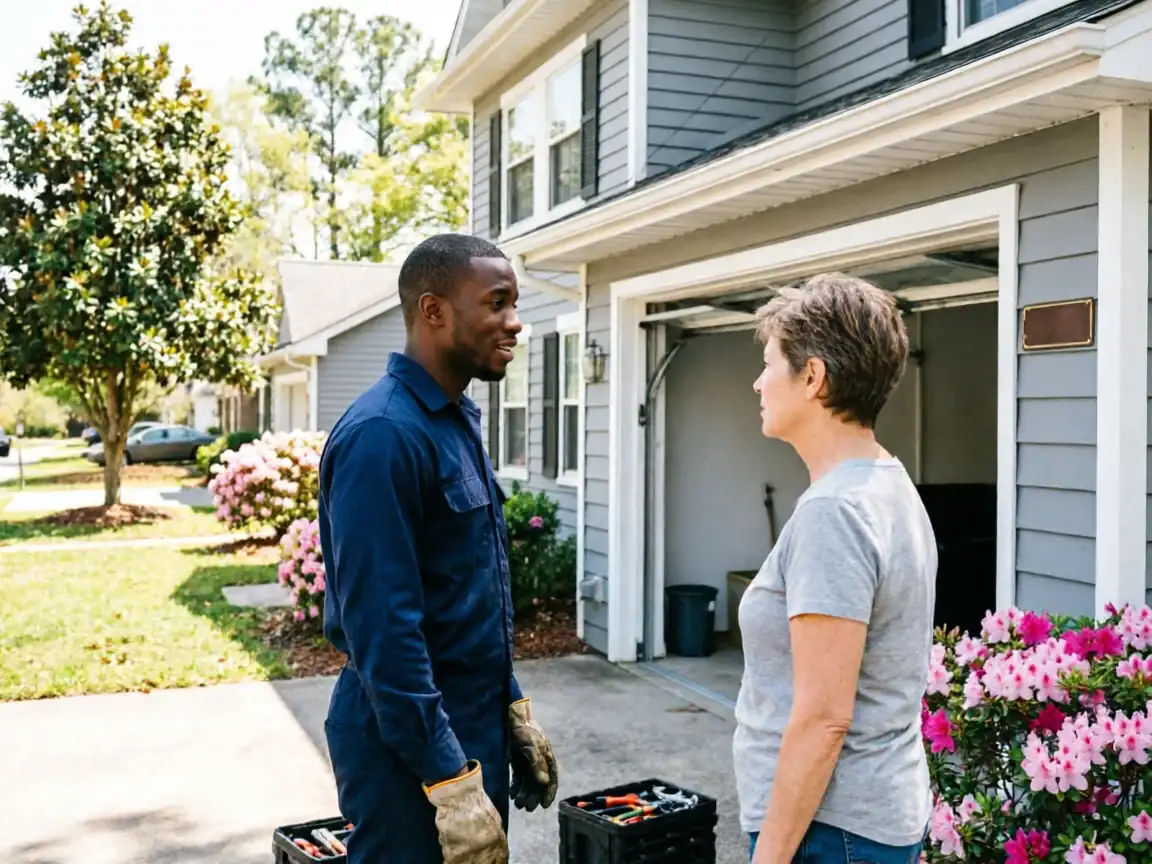
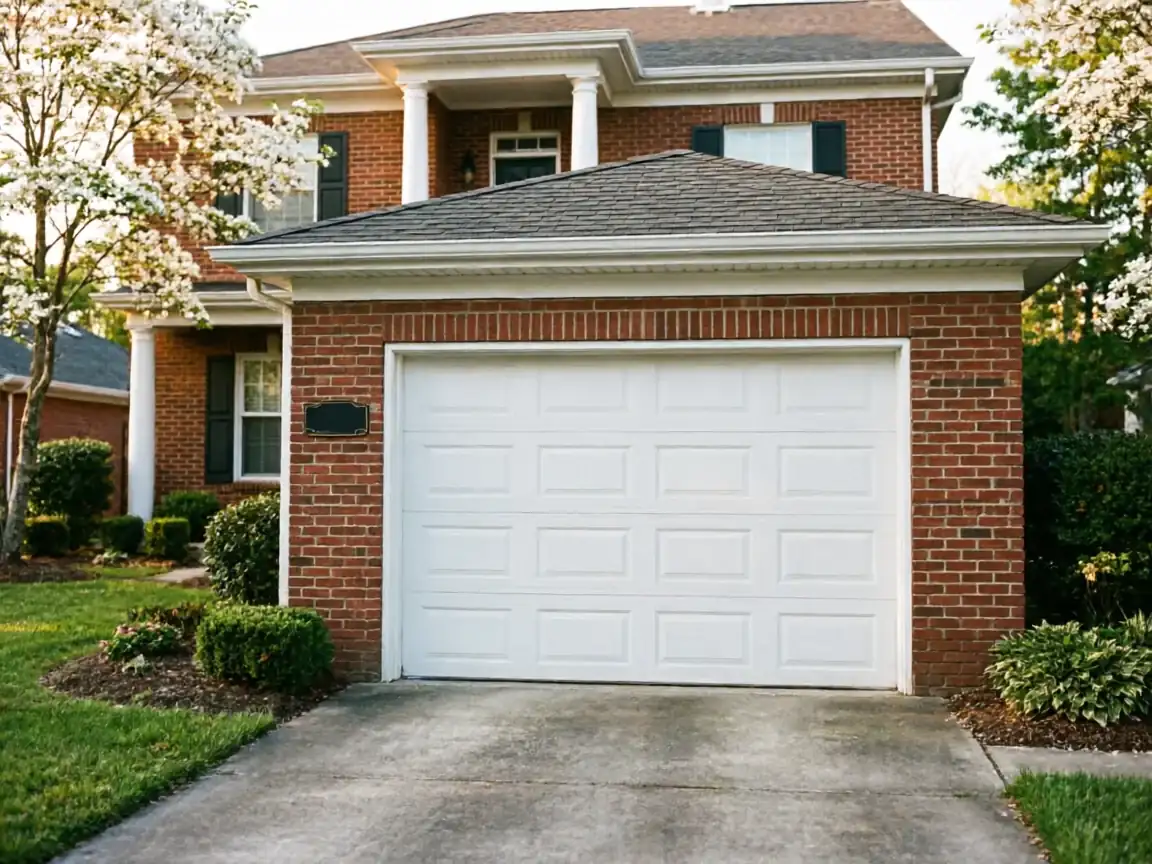
Housing across the Midlothian service area mostly went up between 1954 and 2005, with the bulk of it dating to the 1960s and '70s across the 18 named communities we cover. That matters because a spring is rated for a cycle count, not a calendar date, and a lot of these original torsion and extension springs have been doing 3-4 lifts a day for decades without ever being swapped.
The other factor is the cold. This area sits in a moderate cold climate band, and steel fatigues faster through repeated freeze-thaw swings than it does in a climate that just stays one temperature. A spring that's been stretching and contracting through forty-some winters is a spring that's closer to the end of its rated life than the owner usually realizes - right up until a cold morning is the day it finally lets go.
We see this pattern across Brandermill, Woodlake, Bon Air, Charter Colony, and the rest of the area the same way: older stock, original hardware, and a cold snap that happens to land on the cycle that breaks the spring. It's not bad luck so much as math catching up.
The DIY Question
We'll say it plainly: don't replace a torsion spring yourself
The spring is wound under several hundred pounds of tension, and the tools to wind and unwind it safely - proper winding bars, a locked ladder position, the right cone-and-shaft setup - aren't something most garage toolboxes have, and getting it wrong can put a bar through a windshield or a hand.
Extension springs are lower-tension and some owners do swap those themselves
But even there, the safety cable that's supposed to catch a broken spring is often missing or rusted solid on original hardware from this era, which defeats the whole point of having one.
What you can safely check yourself
Whether the door is a one-spring or two-spring torsion system, whether one spring looks intact while the other is clearly broken or stretched, and what size opener and door you have. That information speeds up the call and the quote. Past that, this is a job where the tension in the spring is the whole danger, and that doesn't change based on how careful you are.
Where This Job Goes Sideways
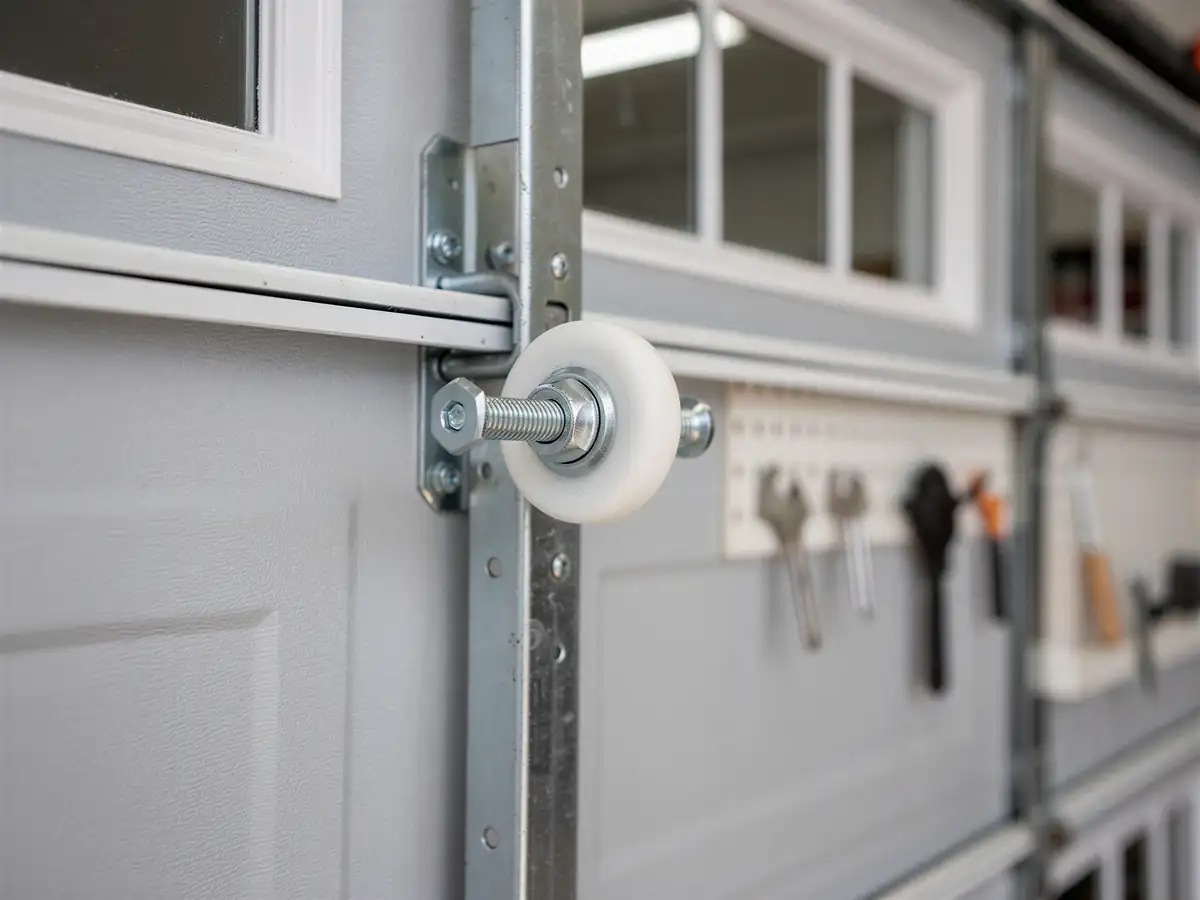
The spring itself is rarely the expensive part. Where a repair runs long is when the broken spring has already damaged something else - a bent track from the door dropping unevenly, a cable that jumped the drum, or an opener gear that stripped trying to lift a door with no spring assistance. On the original 1960s-70s hardware still common in this area, we also sometimes find the drums or bearing plate worn enough that replacing just the spring doesn't actually fix the noise or the uneven lift.
Matching spring size to door weight is the other place things go wrong. A spring rated for the wrong cycle count or wire gauge will lift the door, but it'll wear out in a fraction of the time, and you're back to square one sooner than you should be.
One honest limitation: if the torsion shaft, drums, or bottom brackets are rusted or bent beyond spec, swapping the spring alone won't hold for long, and we'll tell you that instead of selling a quick fix that fails in a year. Sometimes the right call is replacing more than just the spring, and sometimes it's replacing the door.