The Symptom
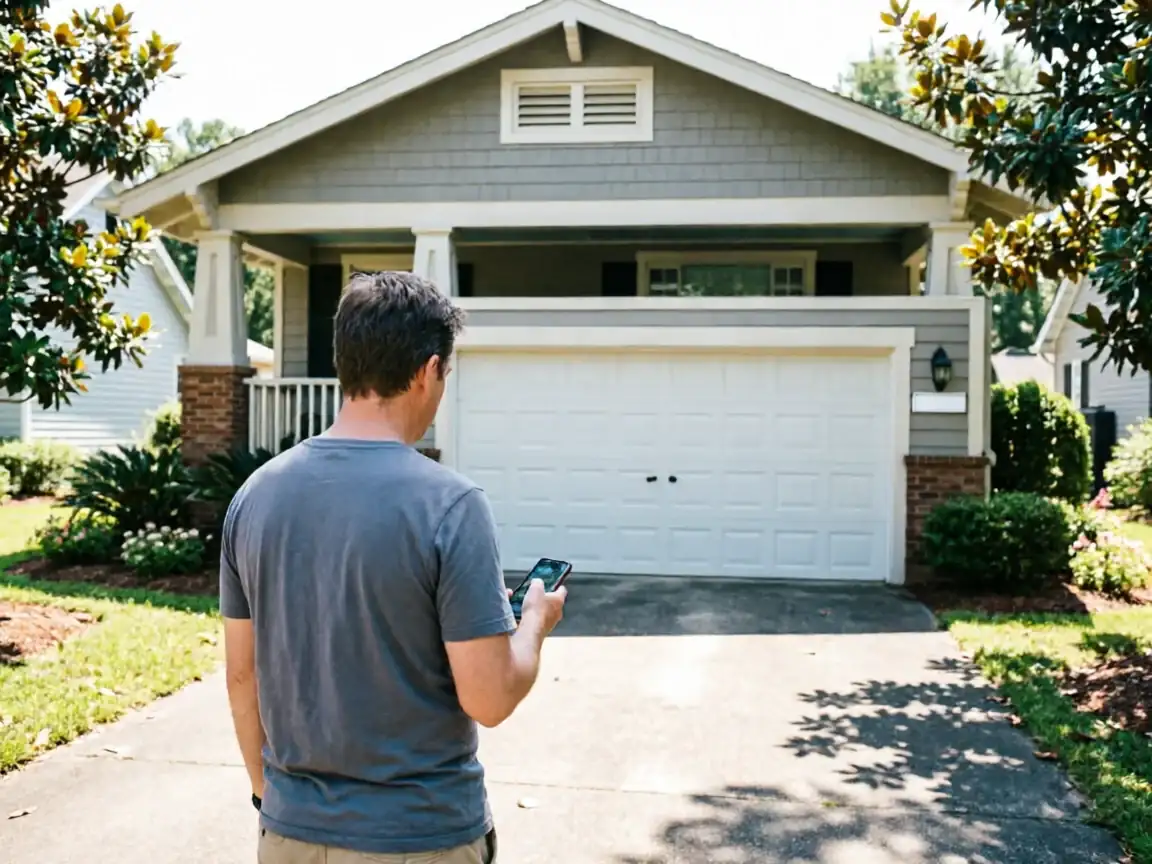
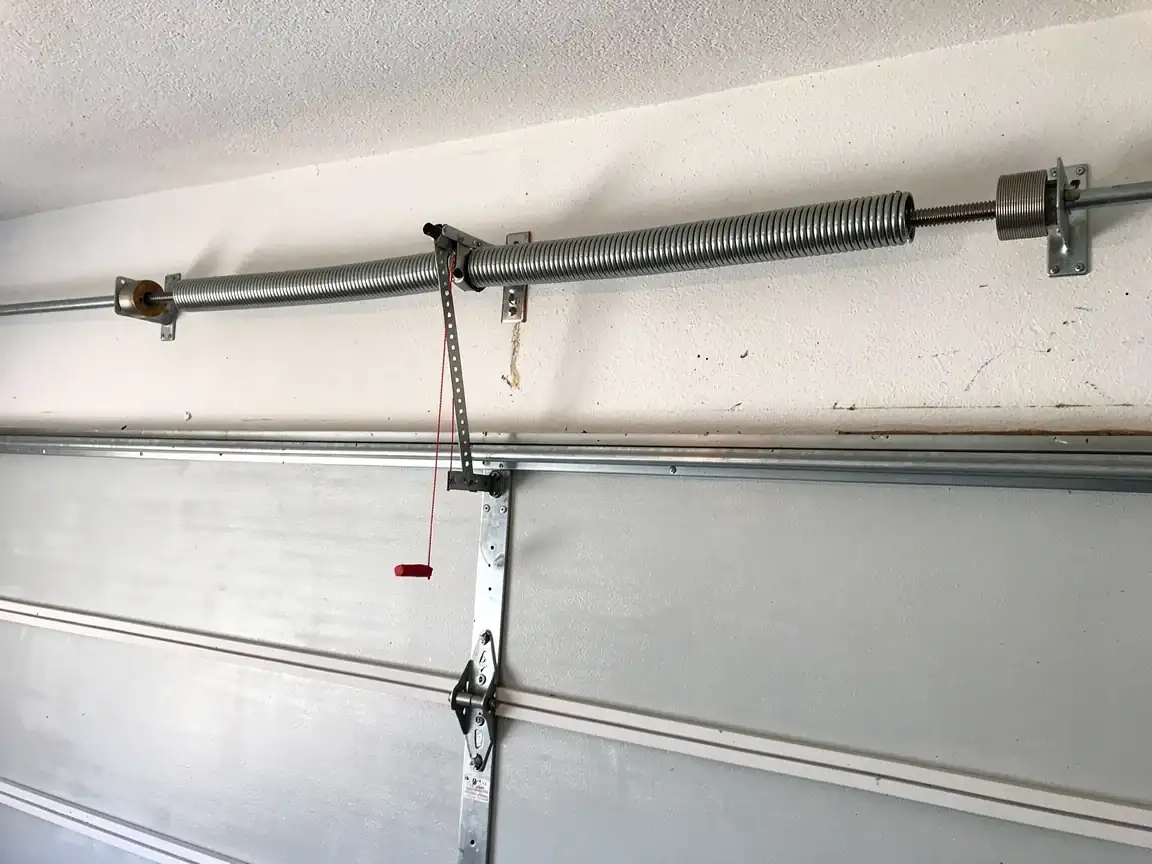
Most calls start the same way: the door won't go up, or it goes up and slams down, or the opener grinds and the door doesn't move at all. Sometimes it's a loud bang from the garage followed by a door that won't budge - that's almost always a torsion spring letting go. Other times it's a slow sag on one side, which usually means a cable has jumped the drum or a roller has worn through.
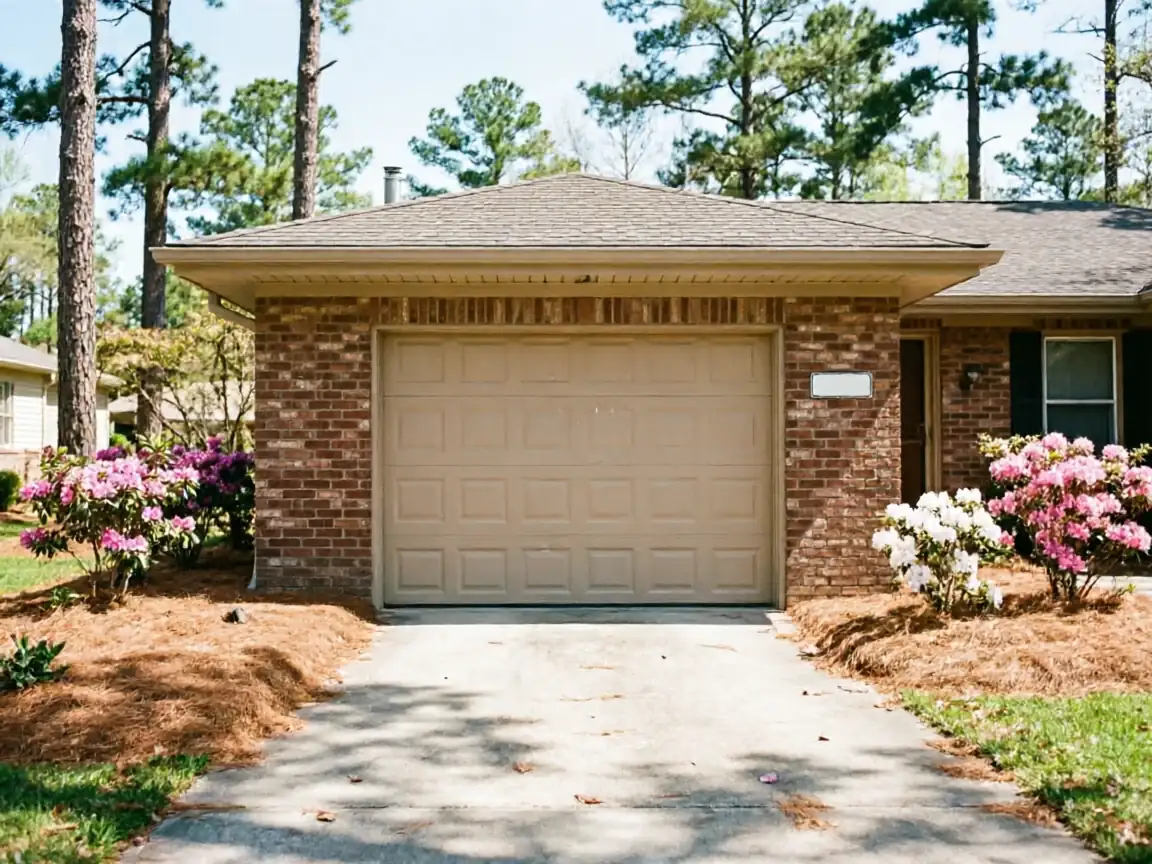
Midlothian's housing stock runs from 1954 up through 2005, with a lot of it clustered around 1979. That matters more than people think. A door and opener installed when a house was built in the late '70s or early '80s is now pushing 45 years old, well past the working life of the springs and the gearing inside most openers from that era. If your house sits in one of the older pockets near Brandermill or Woodlake, built closer to the 1960s-70s wave, the hardware underneath that door is original more often than not.
The symptom you're seeing is rarely the actual problem. A door that won't open is a spring, a cable, or a opener board - not the panel itself, usually.
What Causes It Around Here
Two things wear a garage door out in this area: age and temperature swing. Midlothian sits in a cold-moderate climate band, which means the garage sees real seasonal swings - not brutal winters, but enough freeze-thaw cycling every year to fatigue steel over decades. Torsion springs lose tension through repeated expansion and contraction, and a spring rated for a certain number of cycles when it was wound in 1985 has usually spent that budget by now.
Layer the housing age on top of that. With most of the service area's stock built between 1954 and 2005, and a lot of it dating to the 1960s and '70s across the eighteen named areas we cover - from Brandermill and Woodlake close in to Powhatan and Goochland farther out - you get a wide spread of doors that are simply at or past the end of their service life at the same time. It's not one bad batch of hardware. It's that a huge share of the housing stock around here hit the 40-to-60-year mark in roughly the same stretch of years, so the failures cluster.
Humidity and temperature cycling inside an unconditioned garage also speeds up corrosion on cable ends and drum bearings, which is why cable failure often shows up alongside spring failure rather than on its own.
The DIY Question
Some of this is fine to check yourself
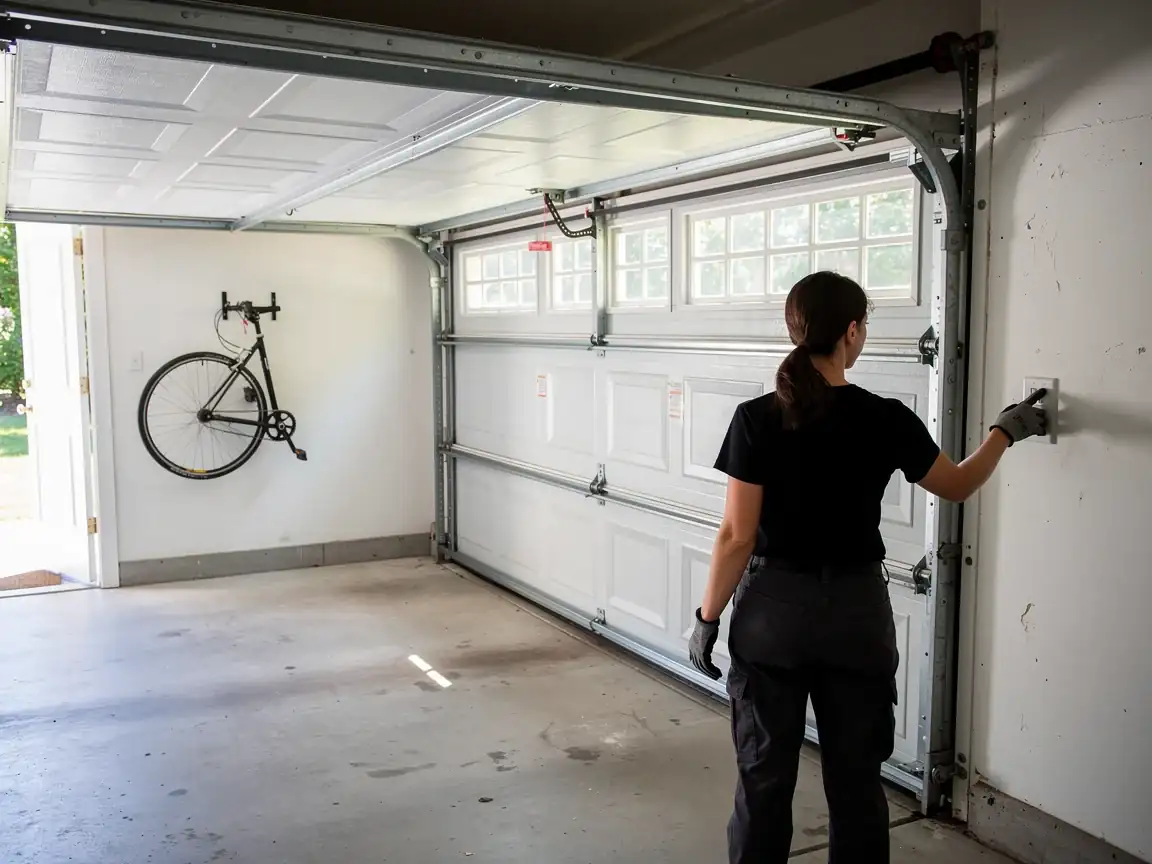
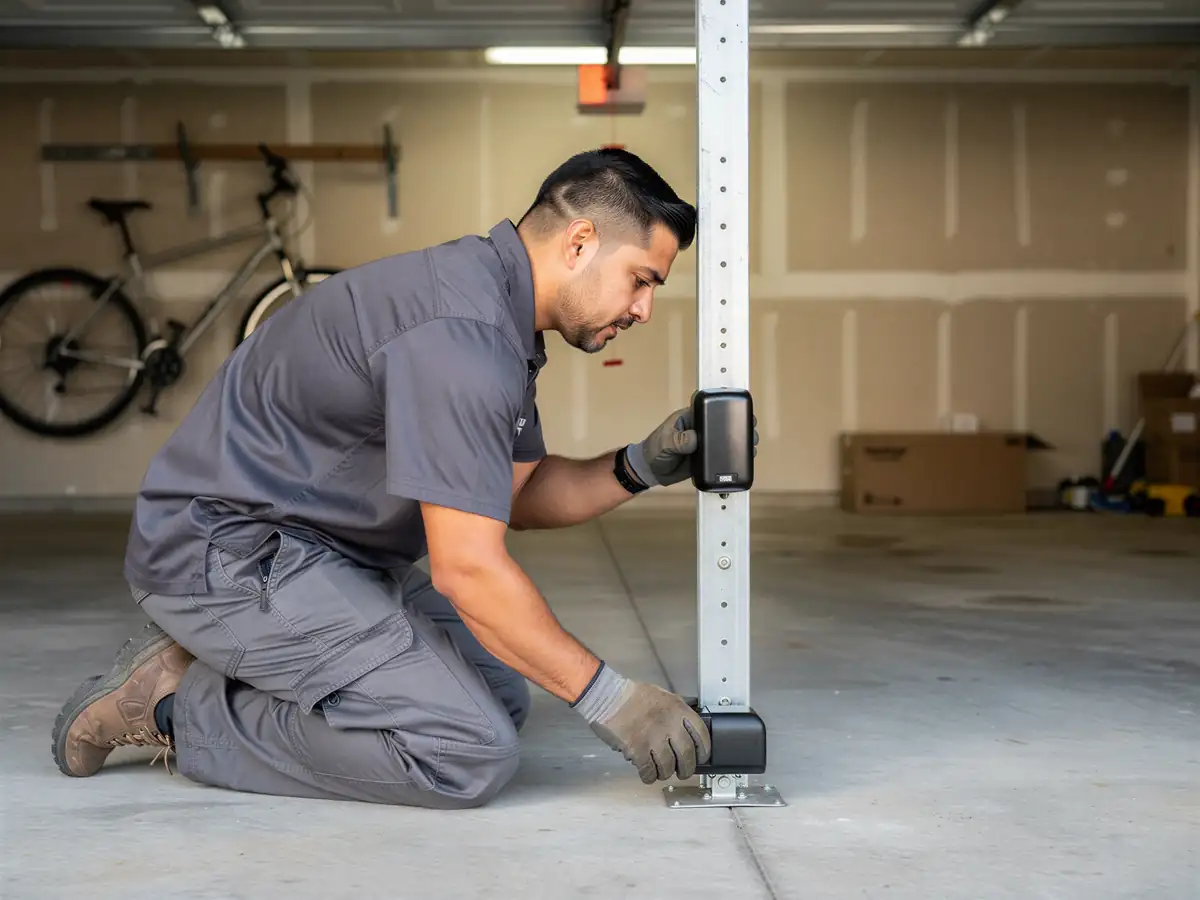
If the door won't respond to the opener at all, check the wall switch, the photo-eye sensors, and whether the opener is actually getting power before you call anyone. That's a five-minute check and it solves more calls than people expect.
What you should not touch is the torsion spring
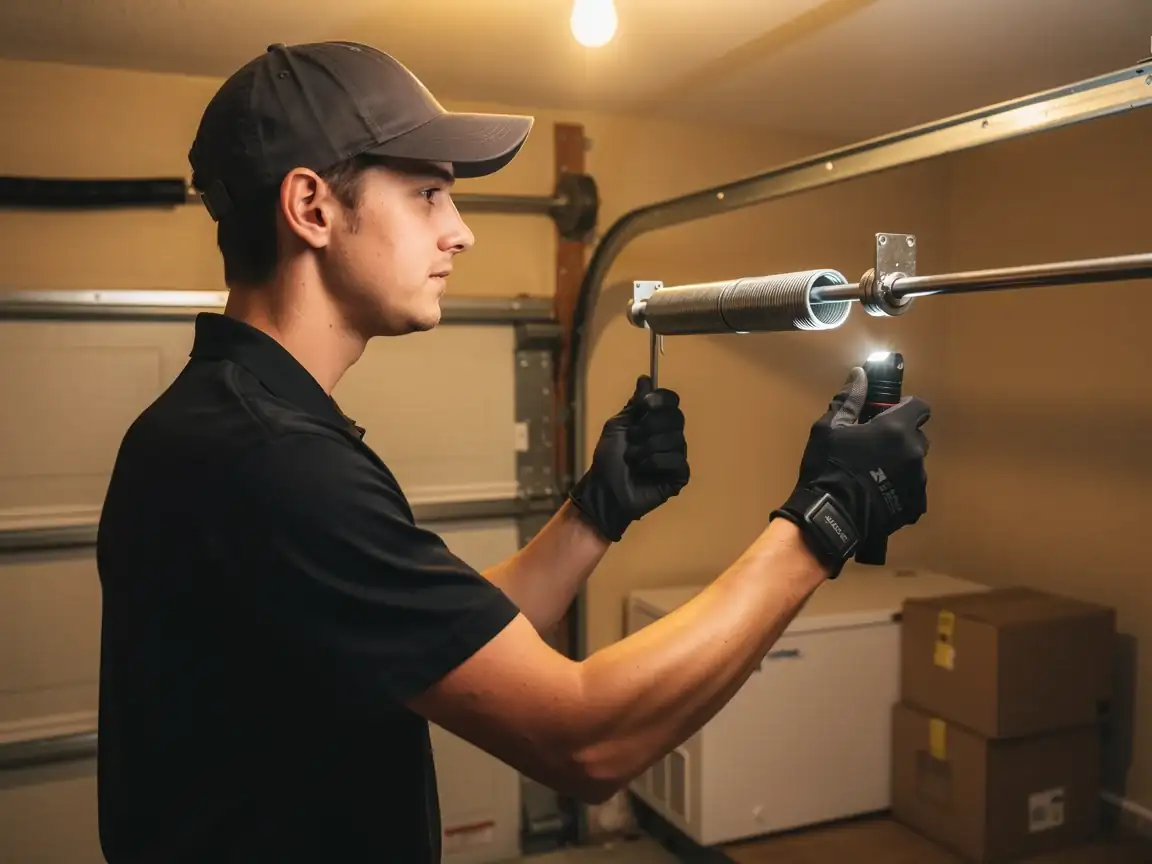
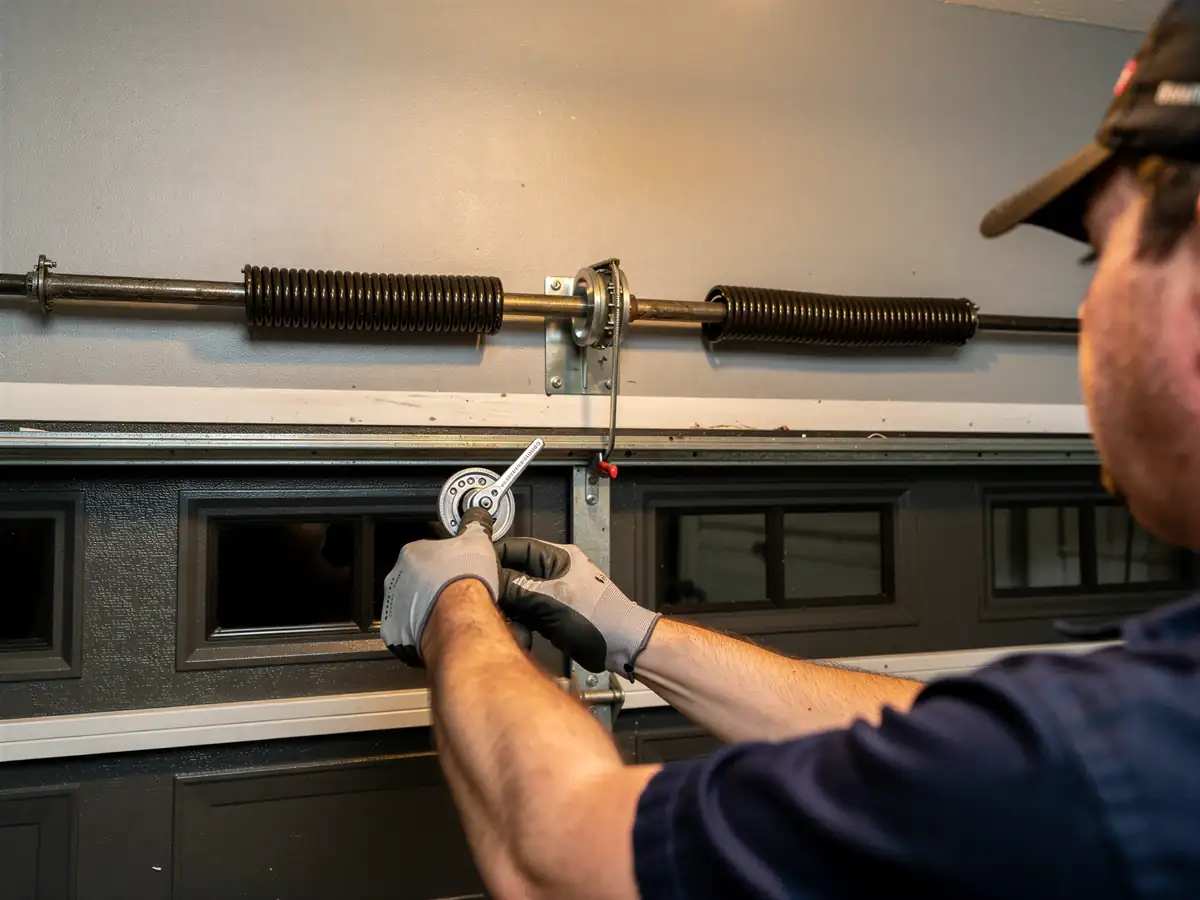
A wound torsion spring holds enough stored energy to break a bone or worse, and the tools to safely unwind and replace one aren't things most homeowners have lying around - winding bars, a correctly sized socket, and knowing which way the spring is wound. We won't pretend this is a weekend project with the right YouTube video. It isn't.
Cables, rollers, and track alignment sit in a gray zone
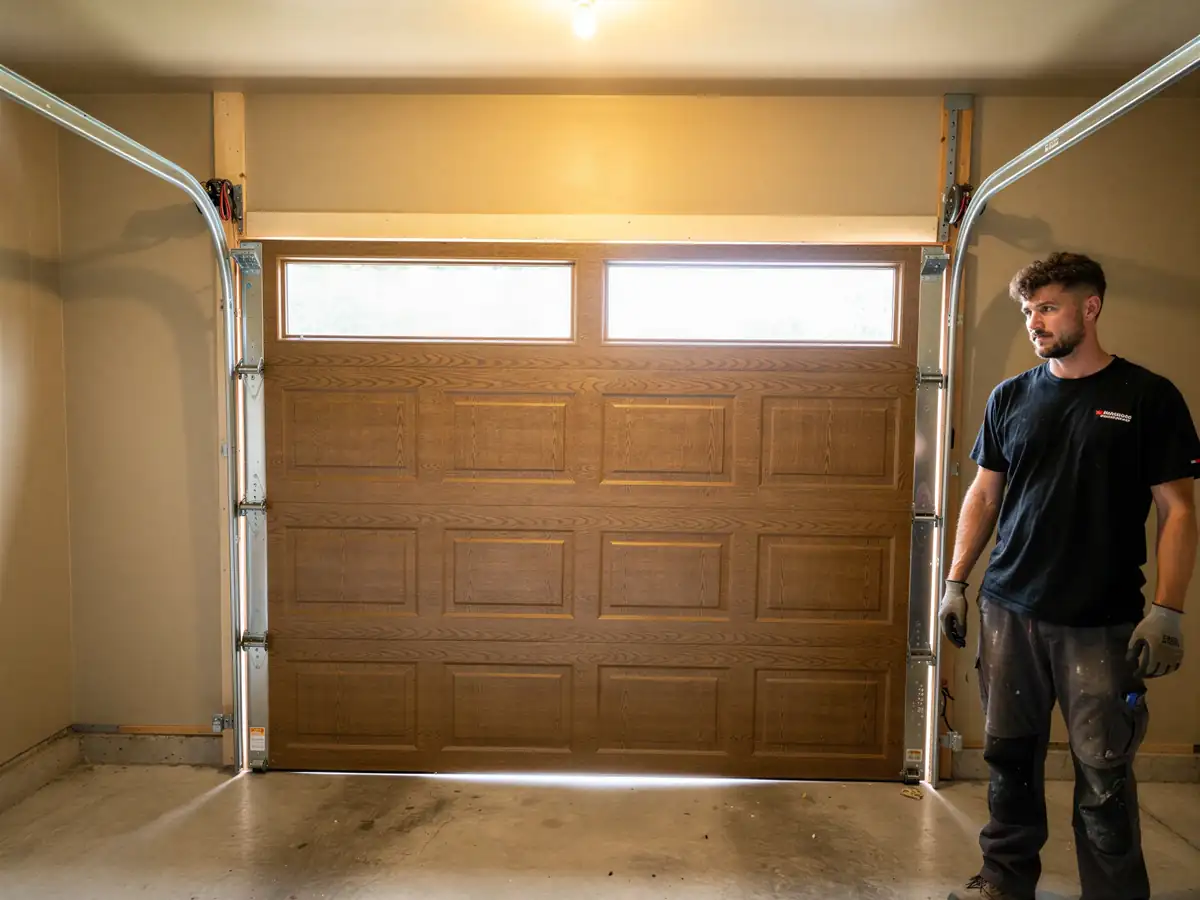
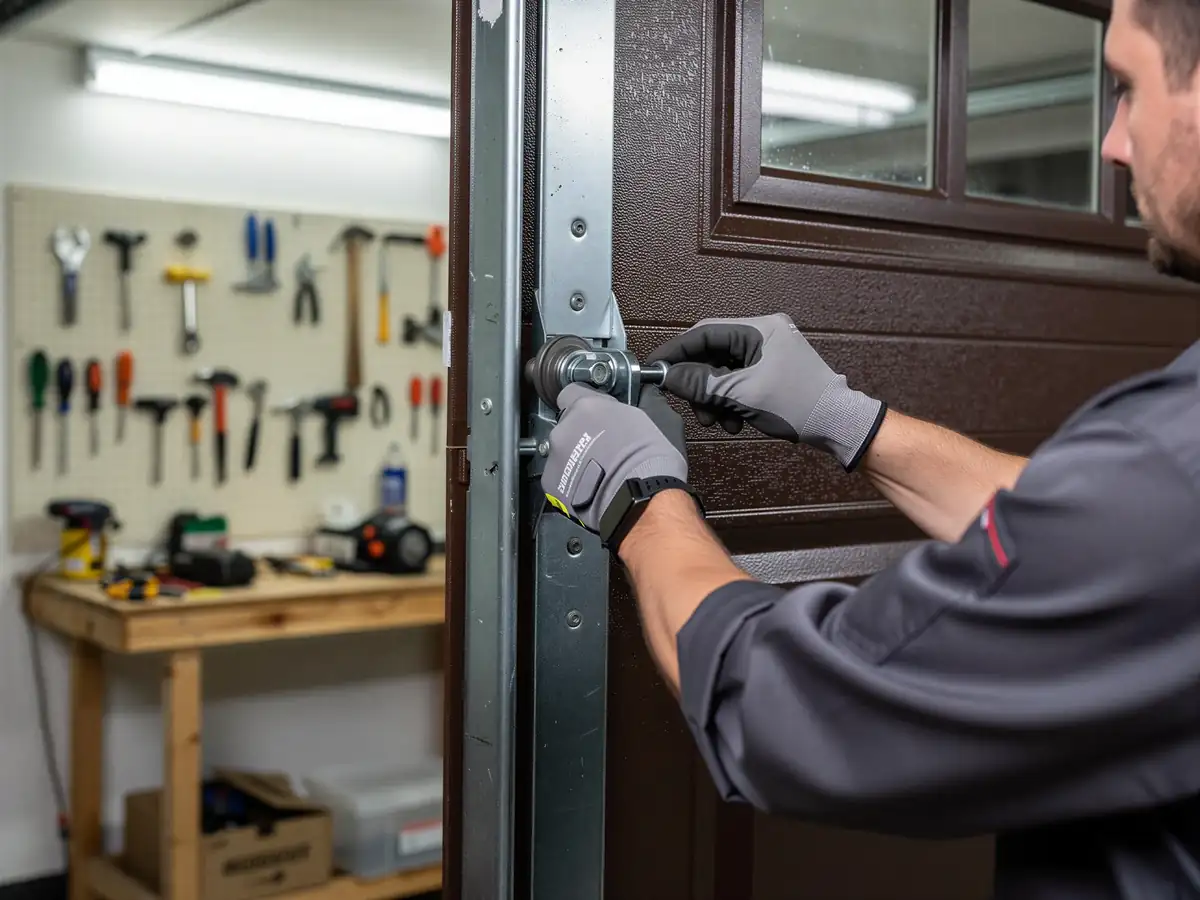
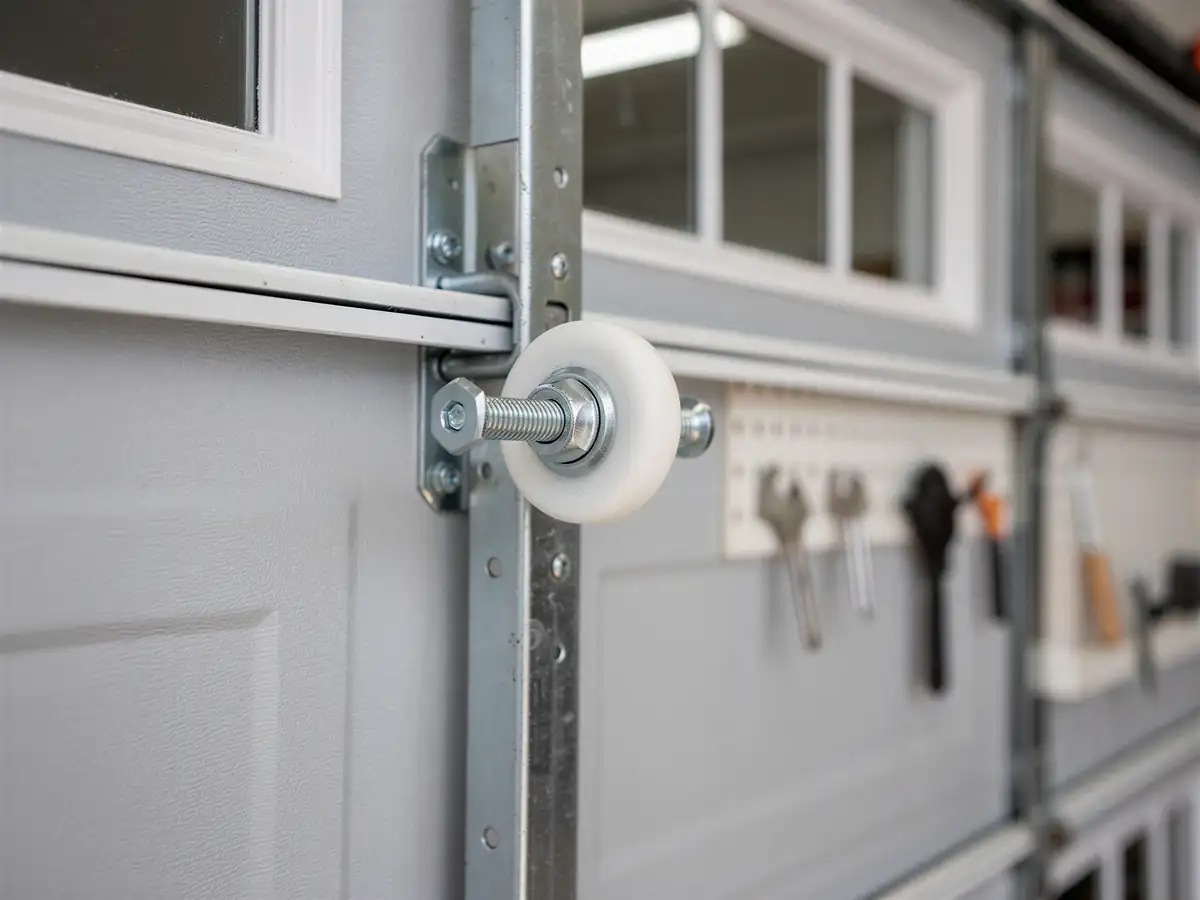
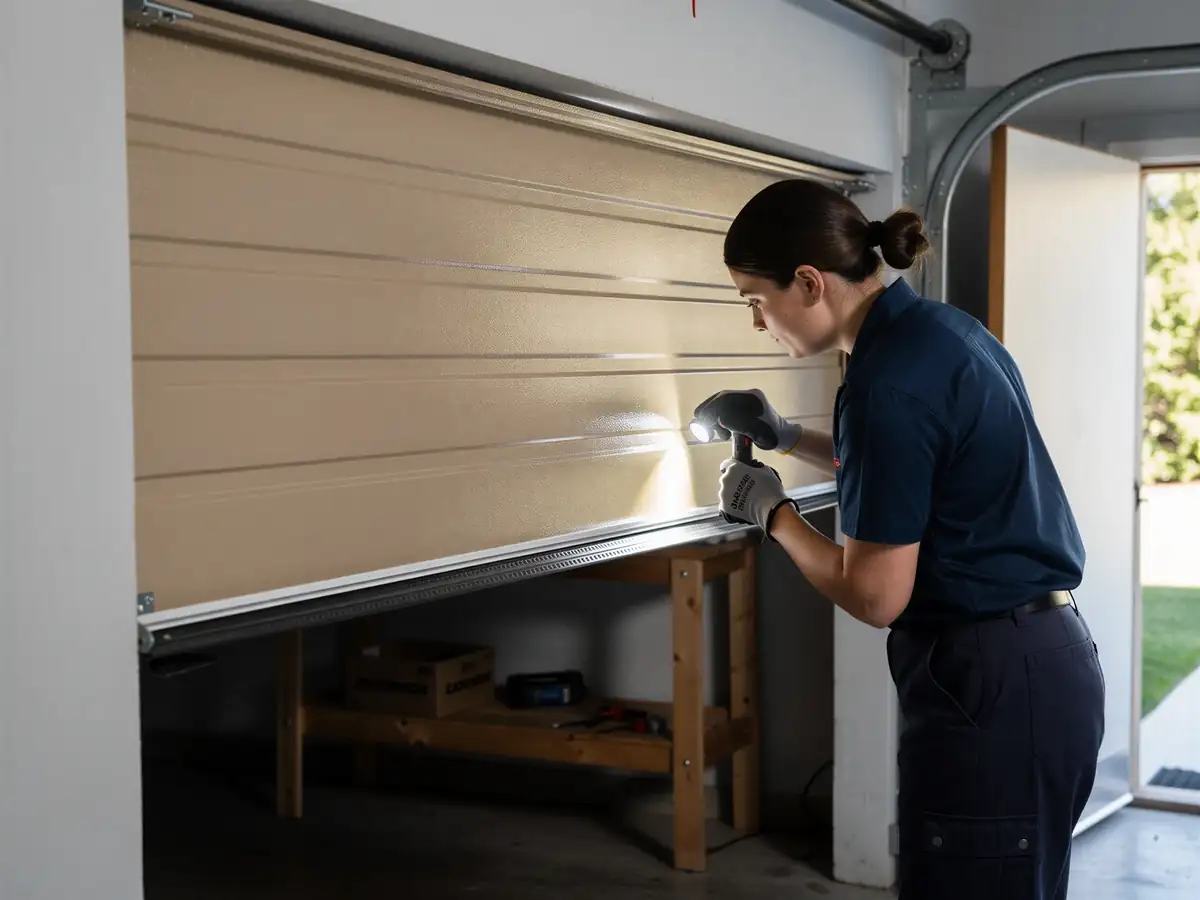
A bent track or a frayed cable is visible and diagnosable without special tools, but fixing it still means working under a door that could come down. Our honest limitation here: we don't do same-day emergency calls outside normal scheduling, so if a spring goes on a Saturday night, you may be waiting until the next business day. Plan around that if you can.
Where This Job Goes Sideways
A spring replacement turns into a bigger job when the rest of the hardware has been quietly failing alongside it. On a lot of the older homes in this area - the ones built in that 1960s-70s wave rather than the newer construction out toward Charter Colony - the drums, bearing plates, and center bracket are original too. Replace just the spring on a door like that and you're often back out within a year for a cable or bearing failure that was already halfway there.
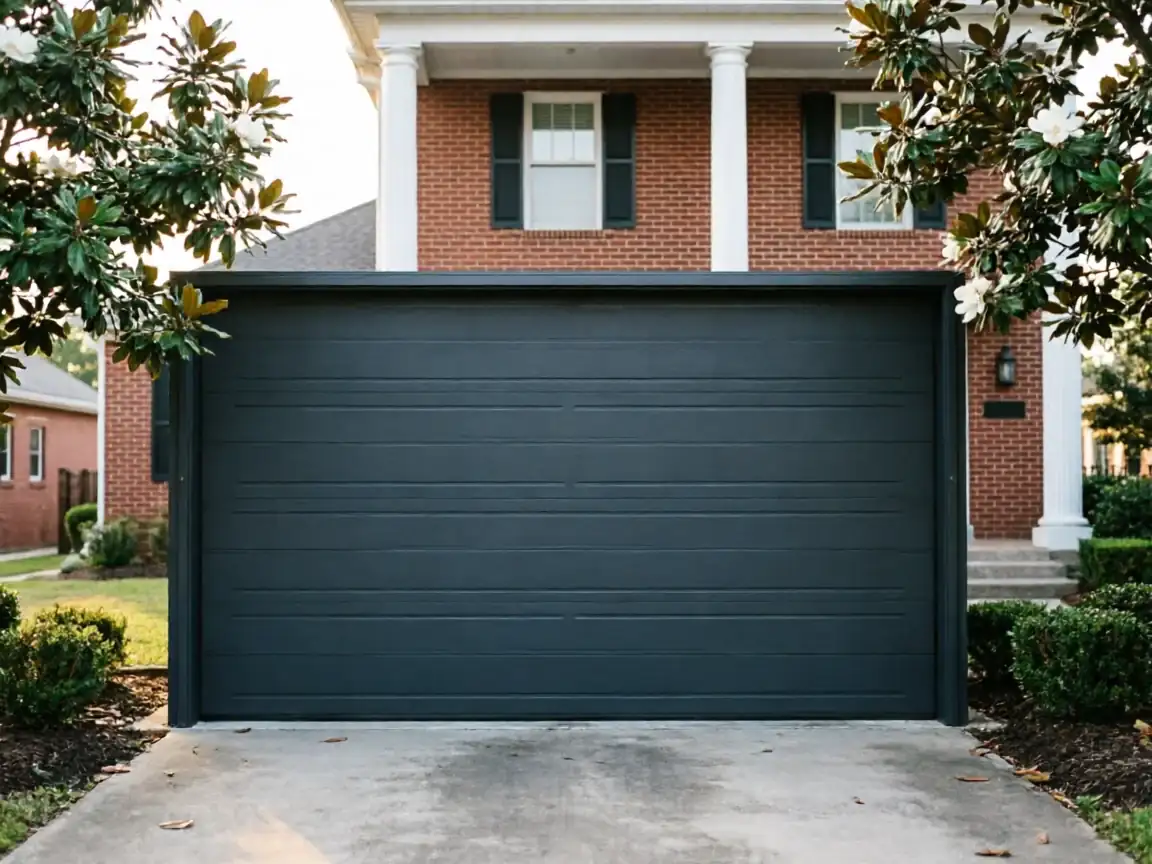
The other place it goes sideways is when a door looks repairable but the panel section is rusted or warped enough that a new spring just exposes the next failure. At that point we'll tell you straight that replacement beats repair, even though that's a bigger number than a spring swap. We'd rather lose the smaller job than have you call back in six months with the same complaint.
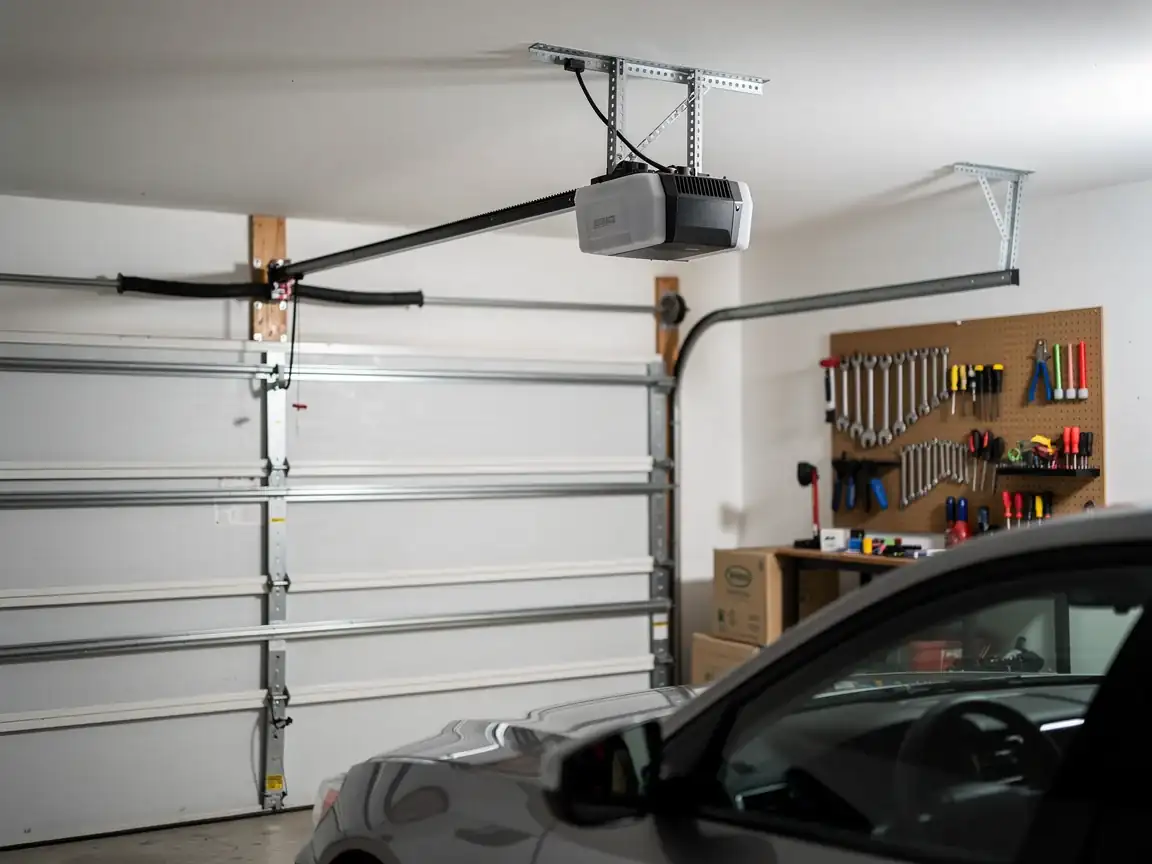
Parts availability is the other wildcard. Some of the openers from the late '70s and '80s used gearing and circuit boards that aren't made anymore, so a 1979-vintage opener sometimes can't be repaired piece by piece - it gets replaced as a unit, not patched.