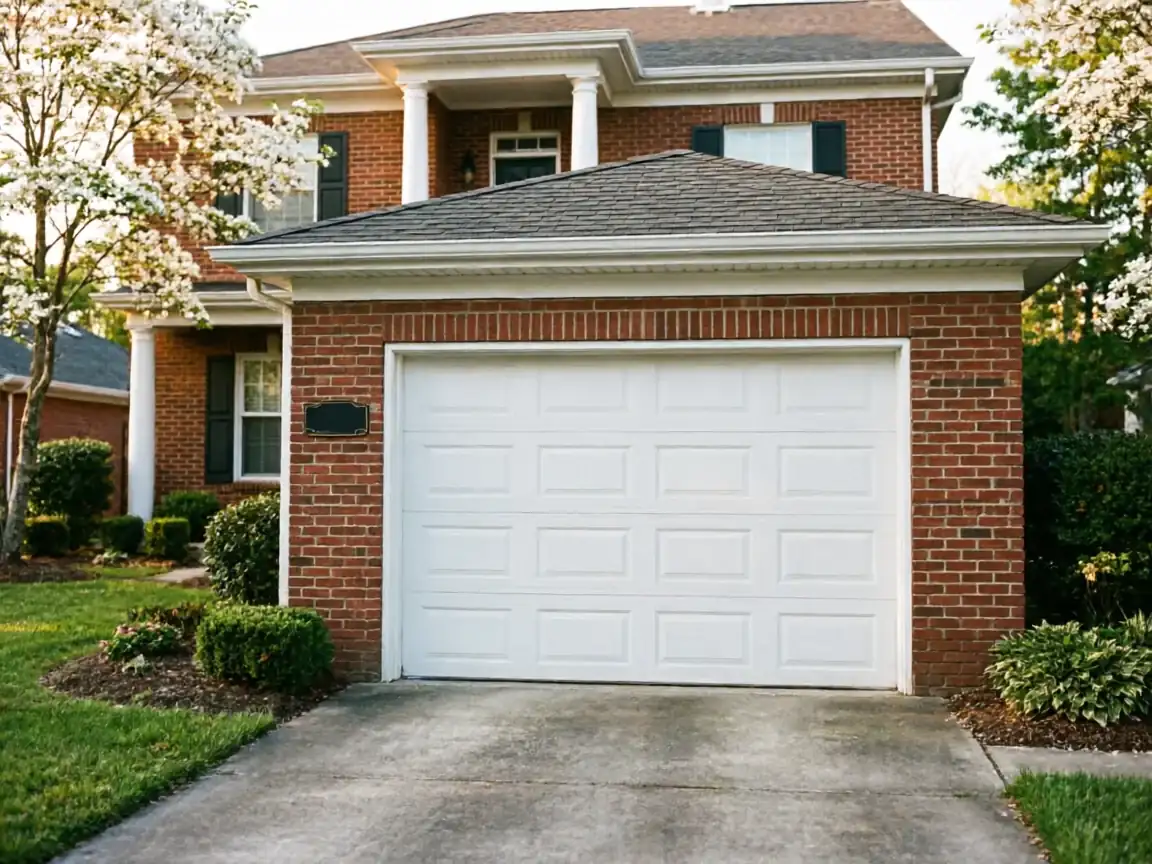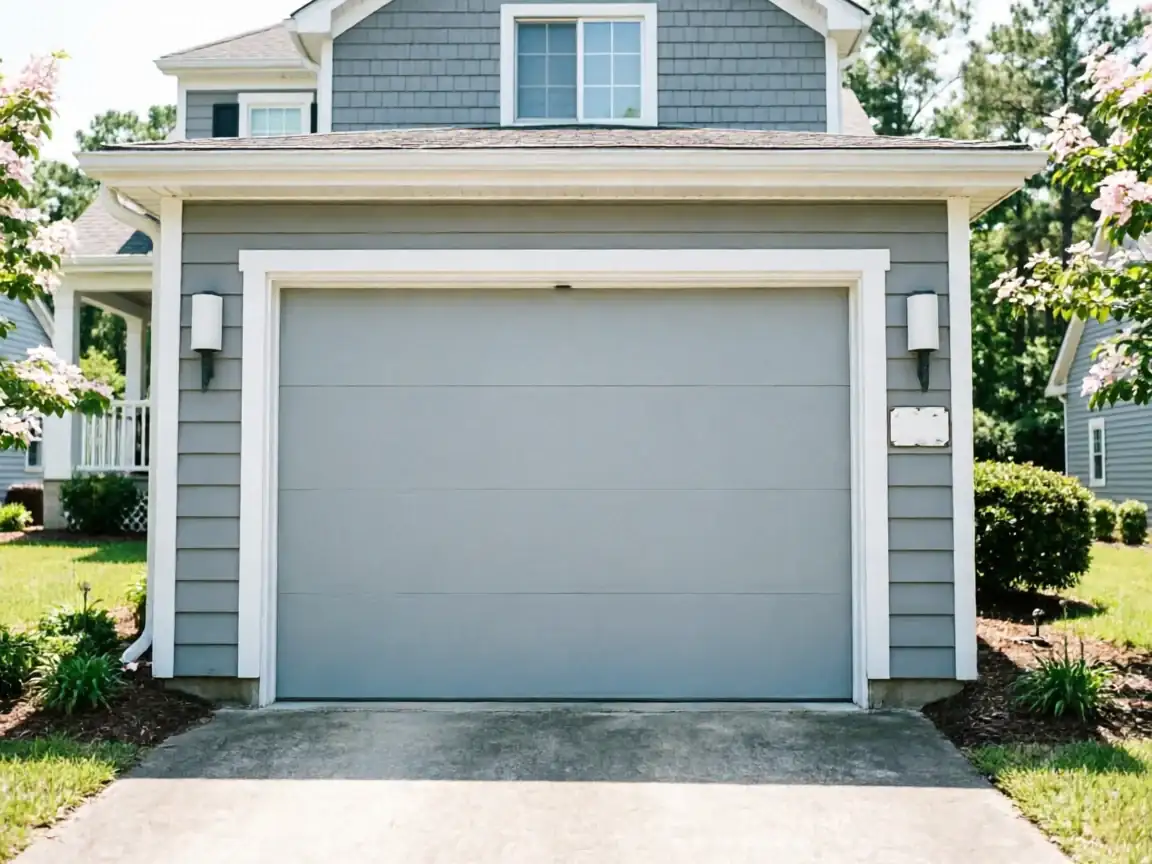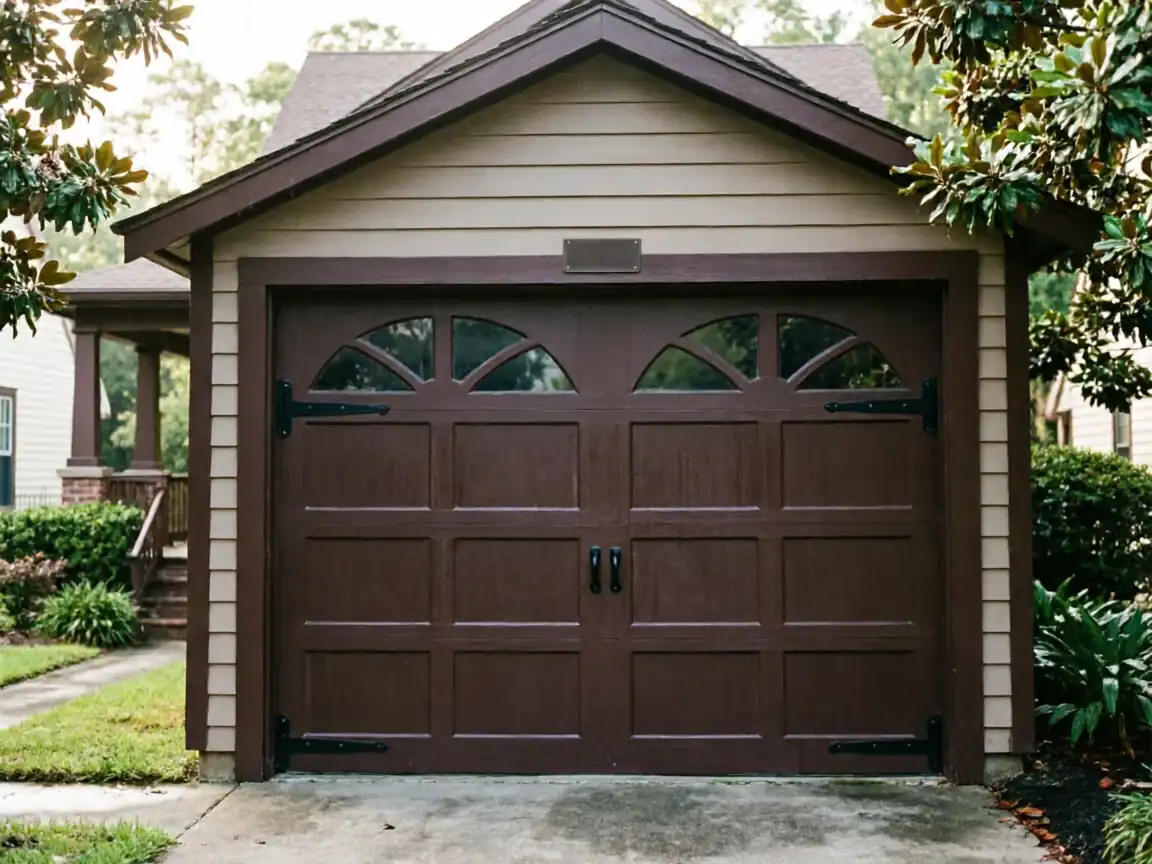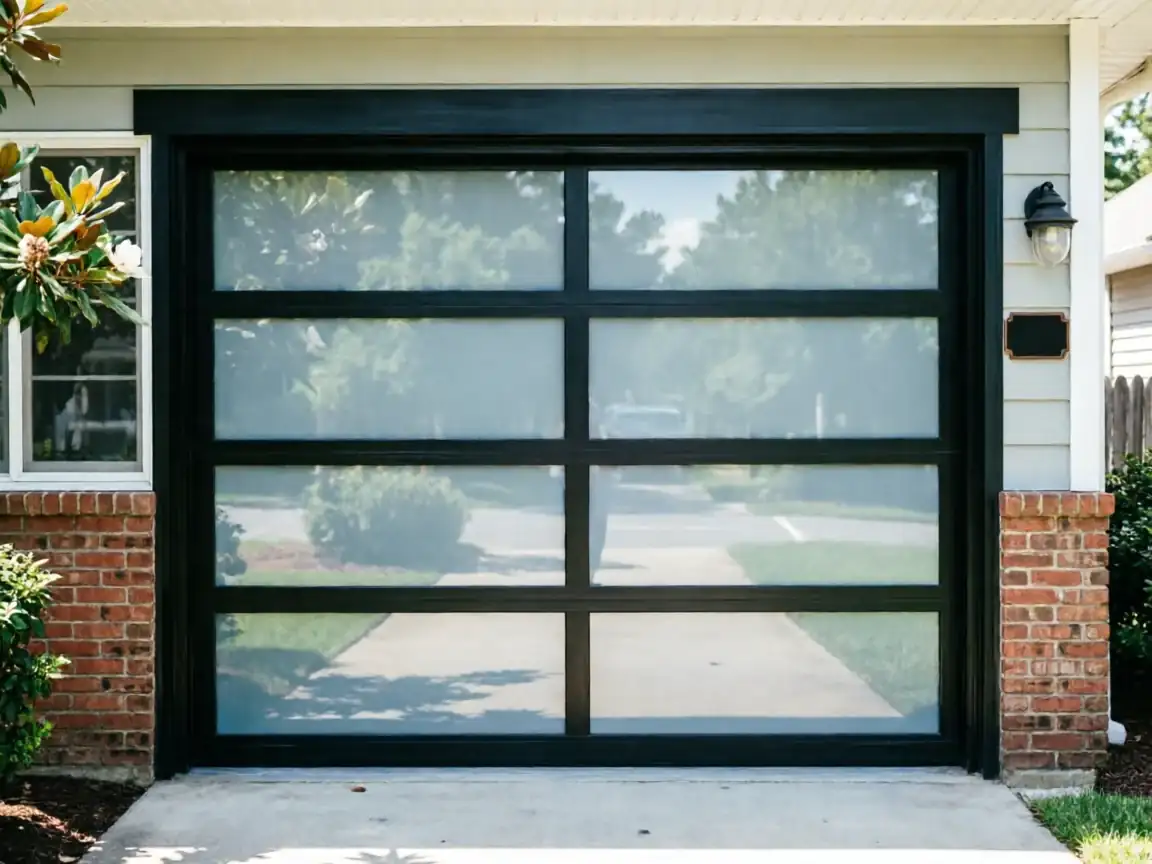
Stocked Parts
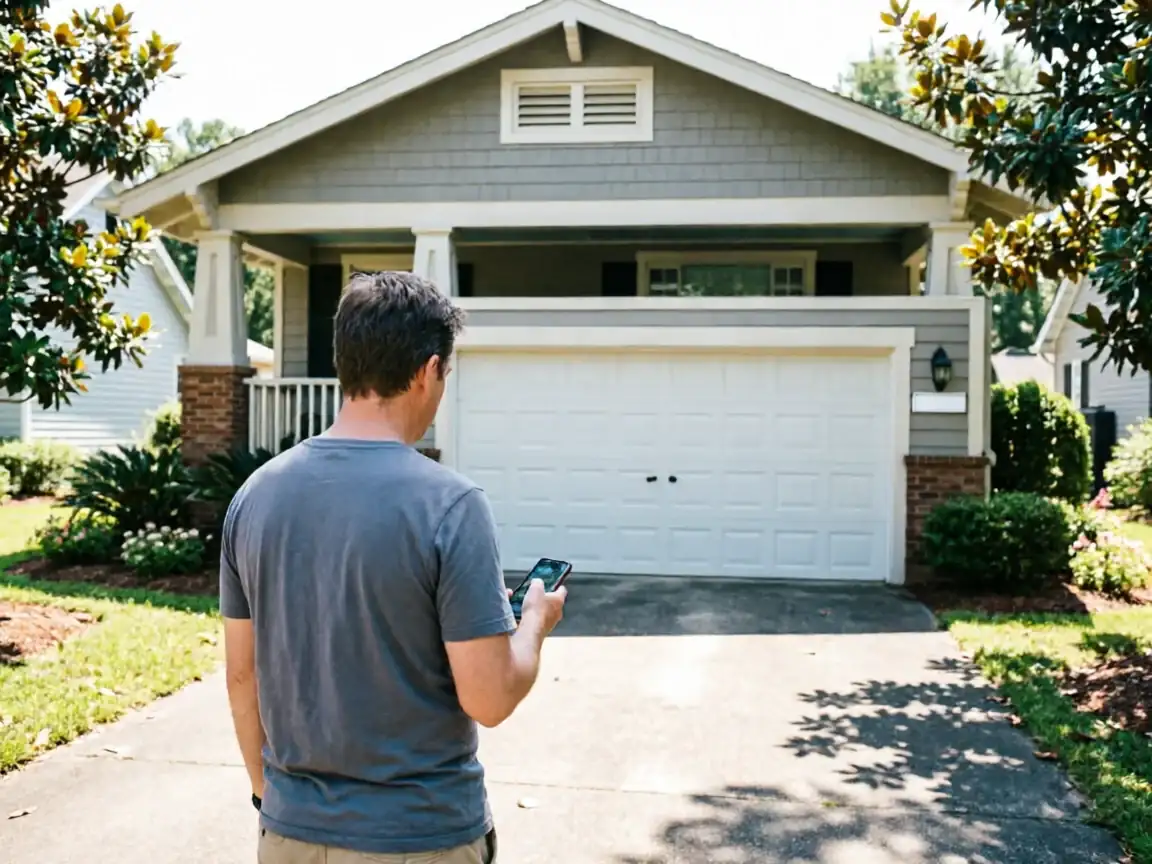
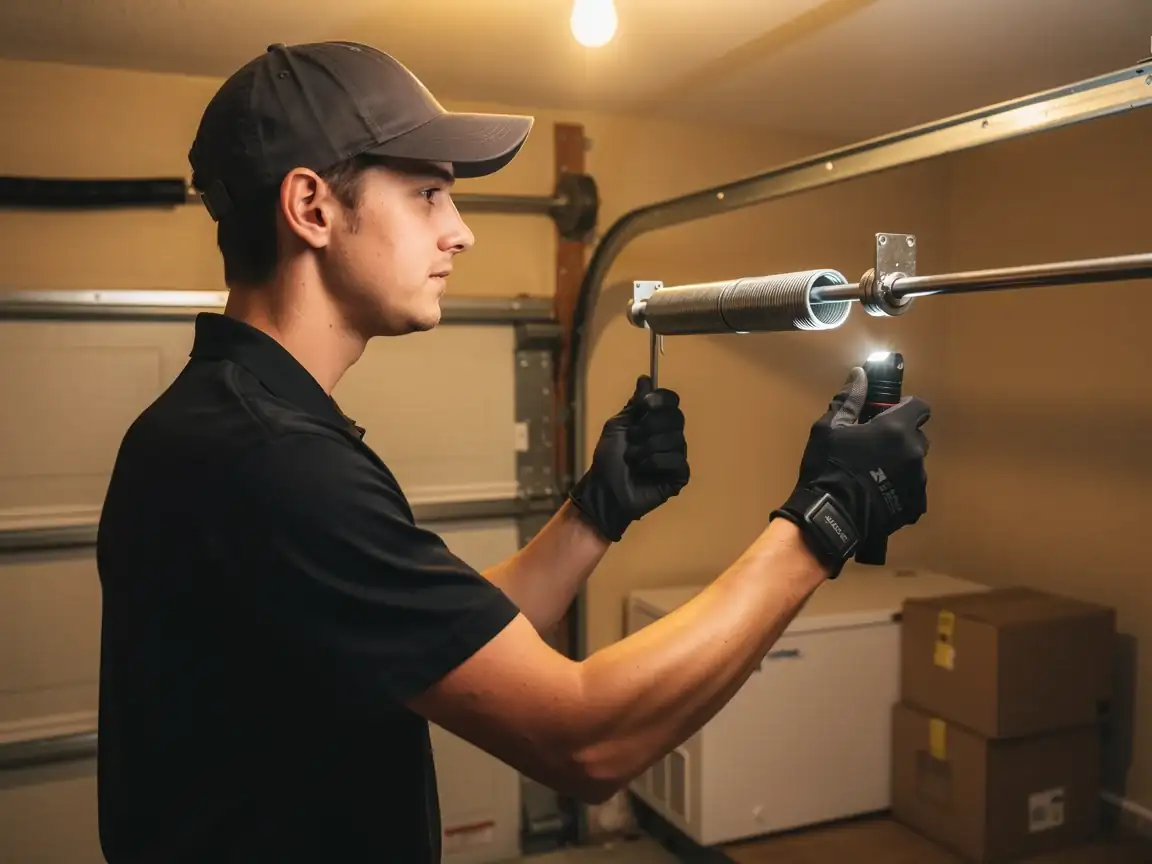
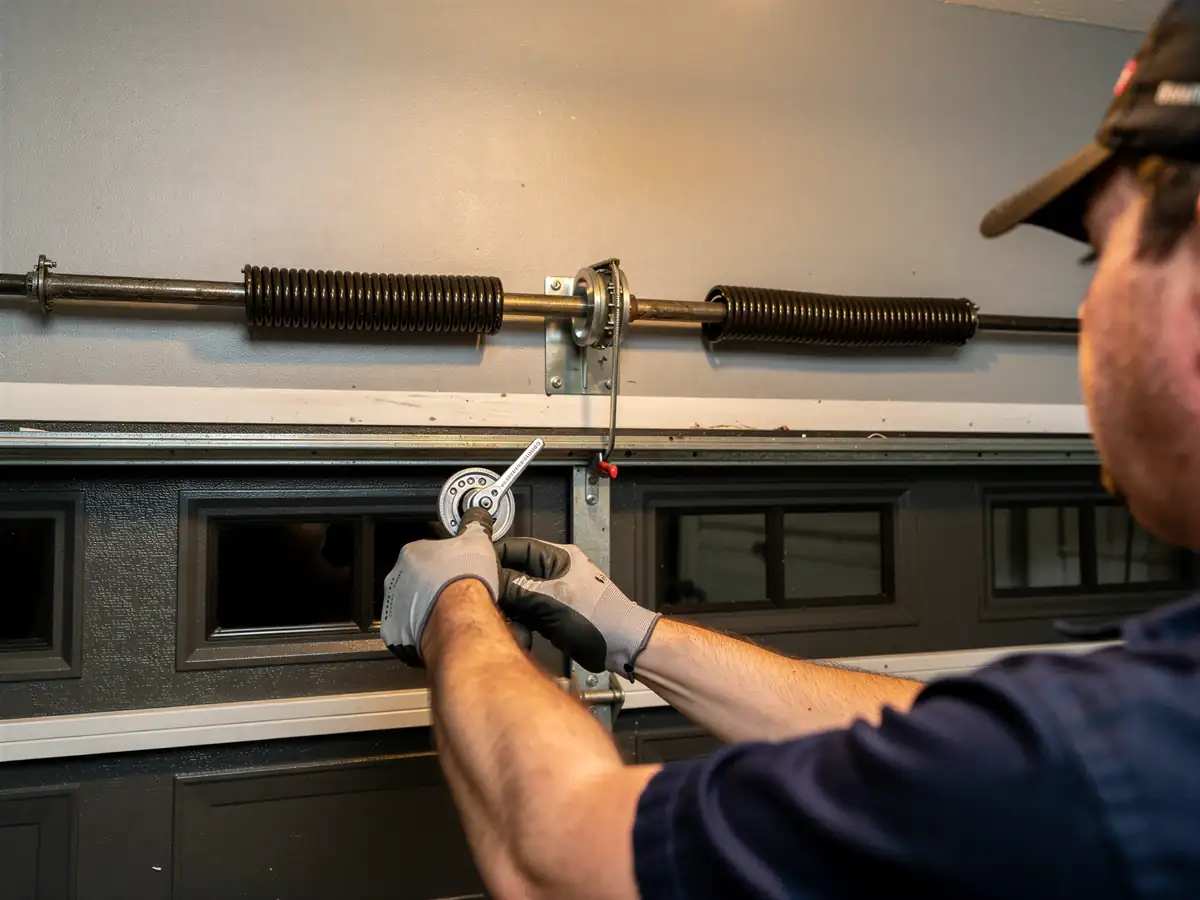
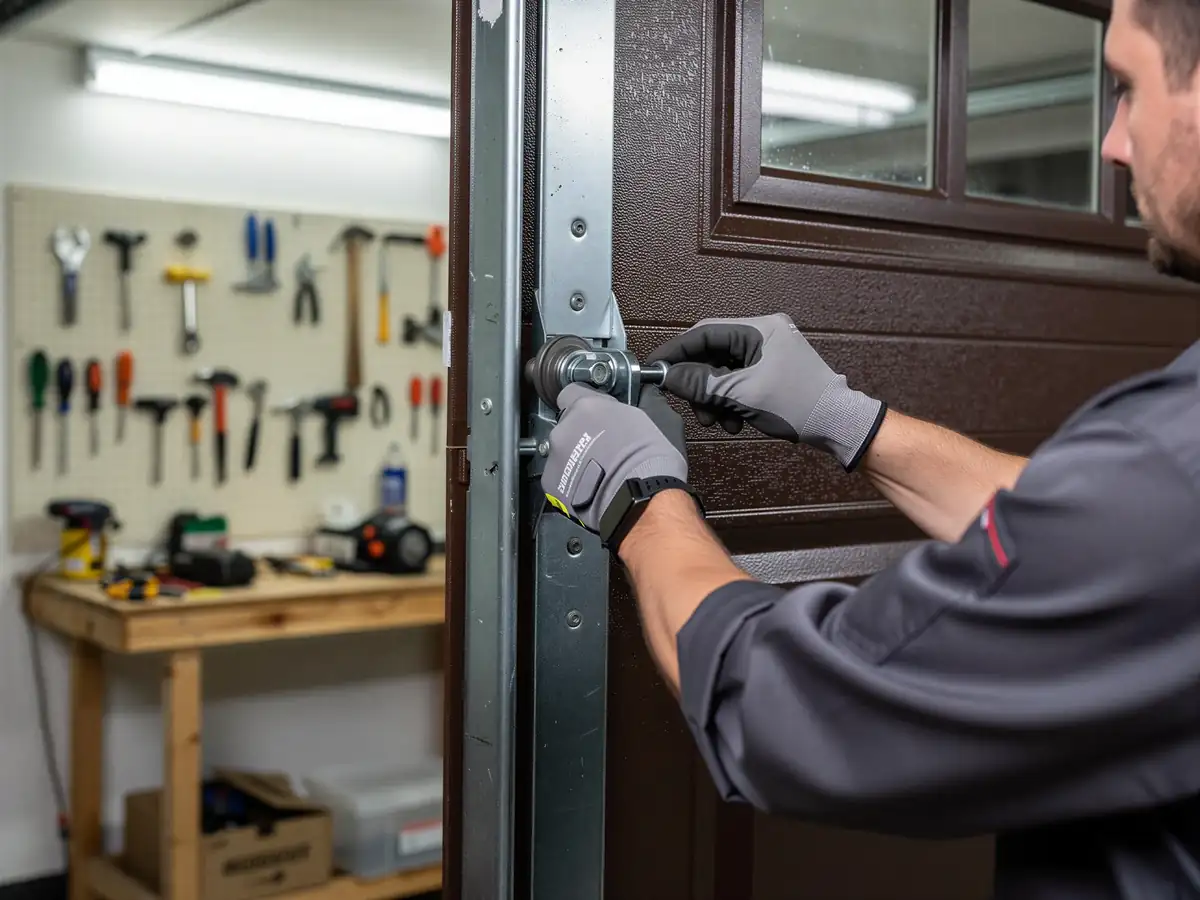
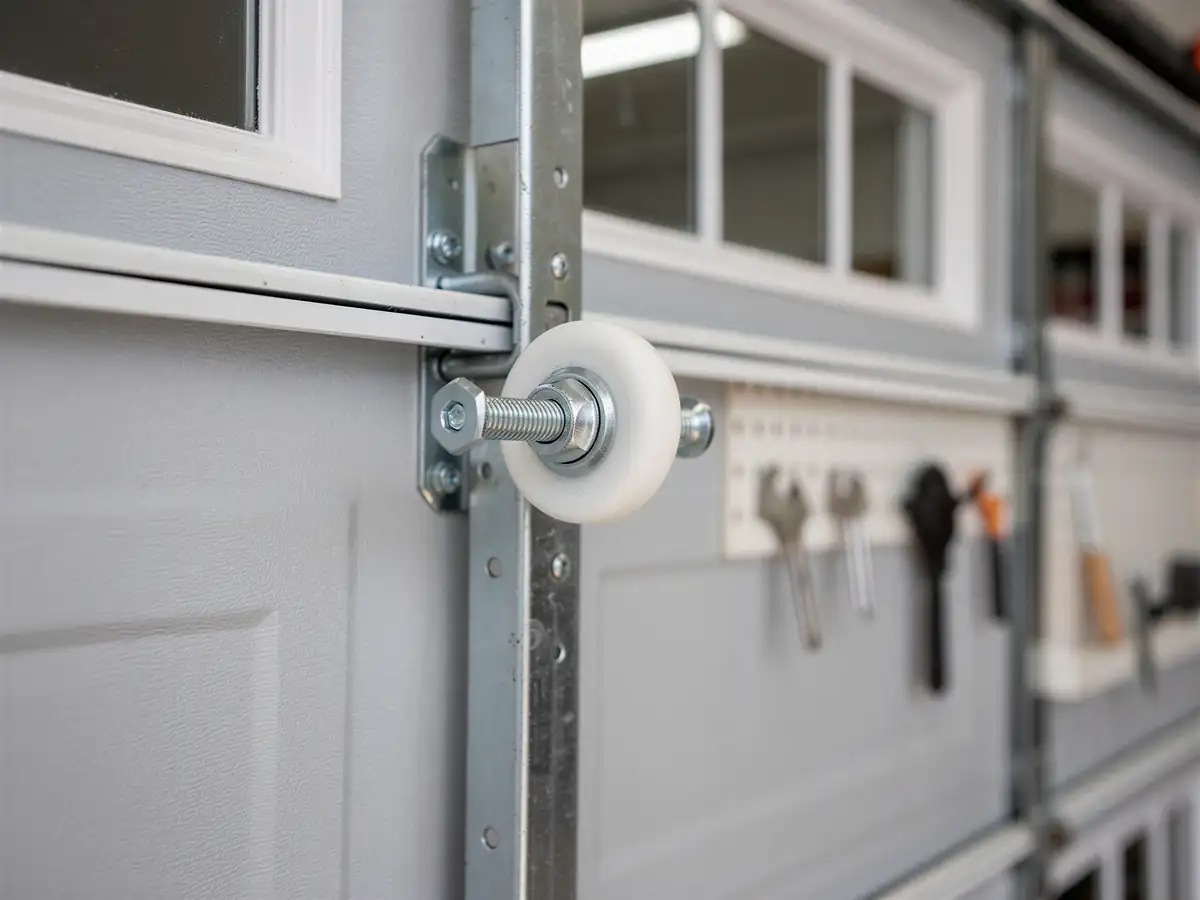
We don't keep a parts counter in Chamberlayne - the truck comes from Midlothian, about 16 miles out, loaded for the job once it's scoped. For new installs that means we carry standard-width panel sections, torsion springs sized to the door weight, and galvanized track in the common residential widths. What we don't keep on the truck is anything custom-cut to an odd 1971-era opening - if your rough opening doesn't match a stock width, that gets ordered ahead of the install date, not improvised on site. Better to know that before we're standing in your driveway than after.
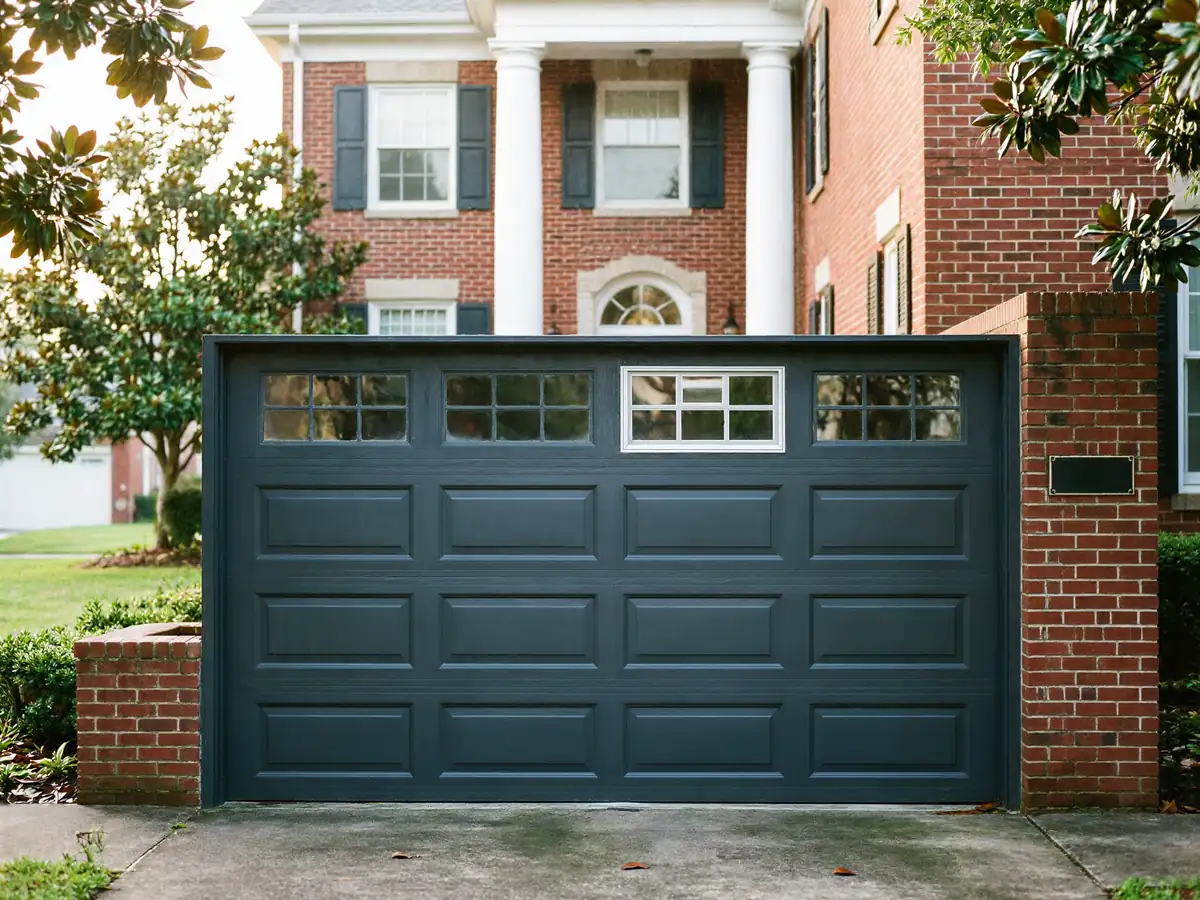
Most Chamberlayne garages we see were framed when the neighborhood went up, and openings from that period aren't always the 16-foot or 9-foot standard a door manufacturer ships today. We measure before we quote, not after, specifically so the order matches the house instead of the catalog.
What Causes It Around Here
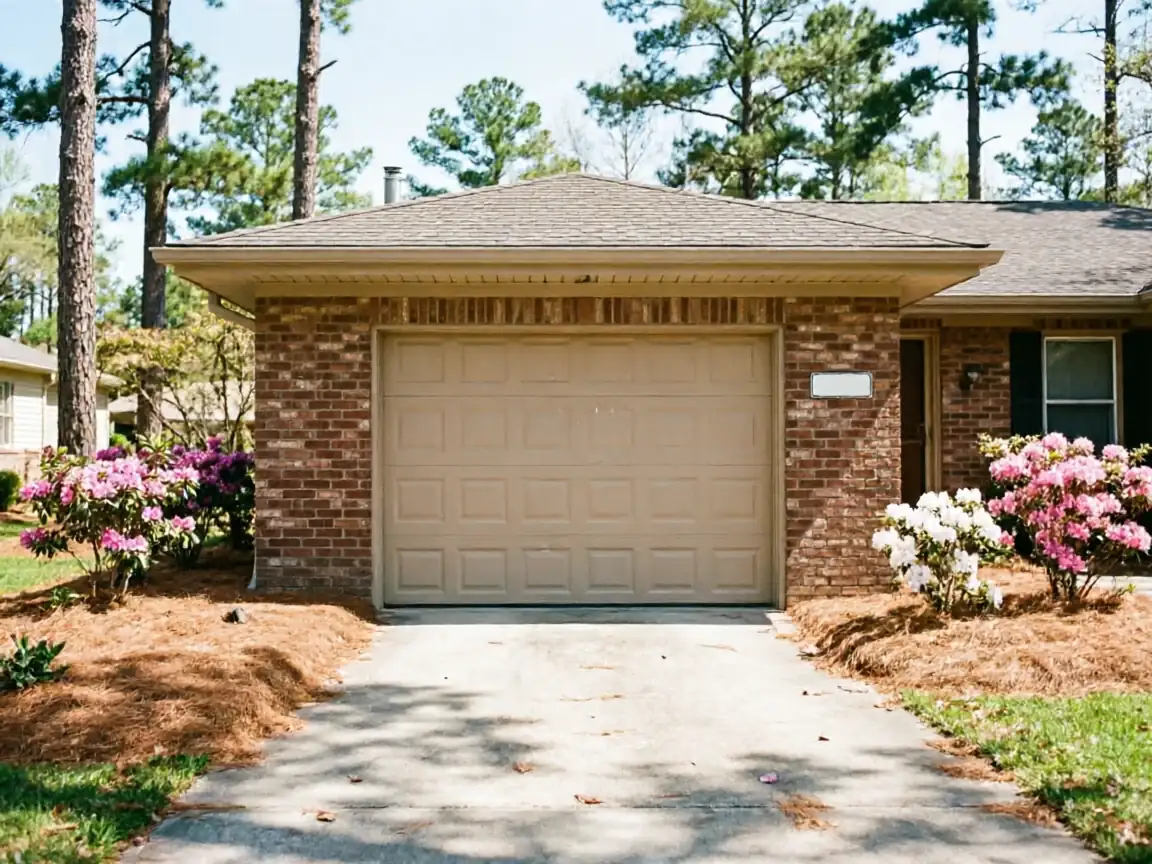
The reason Chamberlayne calls us for new installs more than for patch repairs comes down to age. A house built around 1971 is pushing past fifty years, and the original garage door - if it's still the original - was almost certainly a single steel panel slab with no insulation layer and a lightweight extension spring setup, not the torsion systems common in later construction. That hardware wasn't built to last five decades, and by the time a homeowner calls us, the door itself is usually the weak point, not just a broken part.
The cold-moderate winters this area gets also matter more than people expect. An uninsulated 1970s slab door transfers outside temperature straight into the garage, and if there's a mudroom or laundry hookup on the other side of that wall, that cold travels further into the house than it should. New installs here lean toward insulated steel or composite panels for that reason - not because it's trendy, but because the old doors were never built for it.
The Symptom
The call usually starts the same way
The door still opens, but it's heavy, loud, or sagging slightly at the bottom corners when it's down. Sometimes it's rust along the bottom panel where decades of ground moisture have worked at the steel. Sometimes it's a track that's bowed just enough that the rollers chatter the whole way up. None of this is a spring problem or a sensor problem - it's a door that's simply aged out, and no amount of lubricant or adjustment is going to make a fifty-year-old slab behave like a new one.
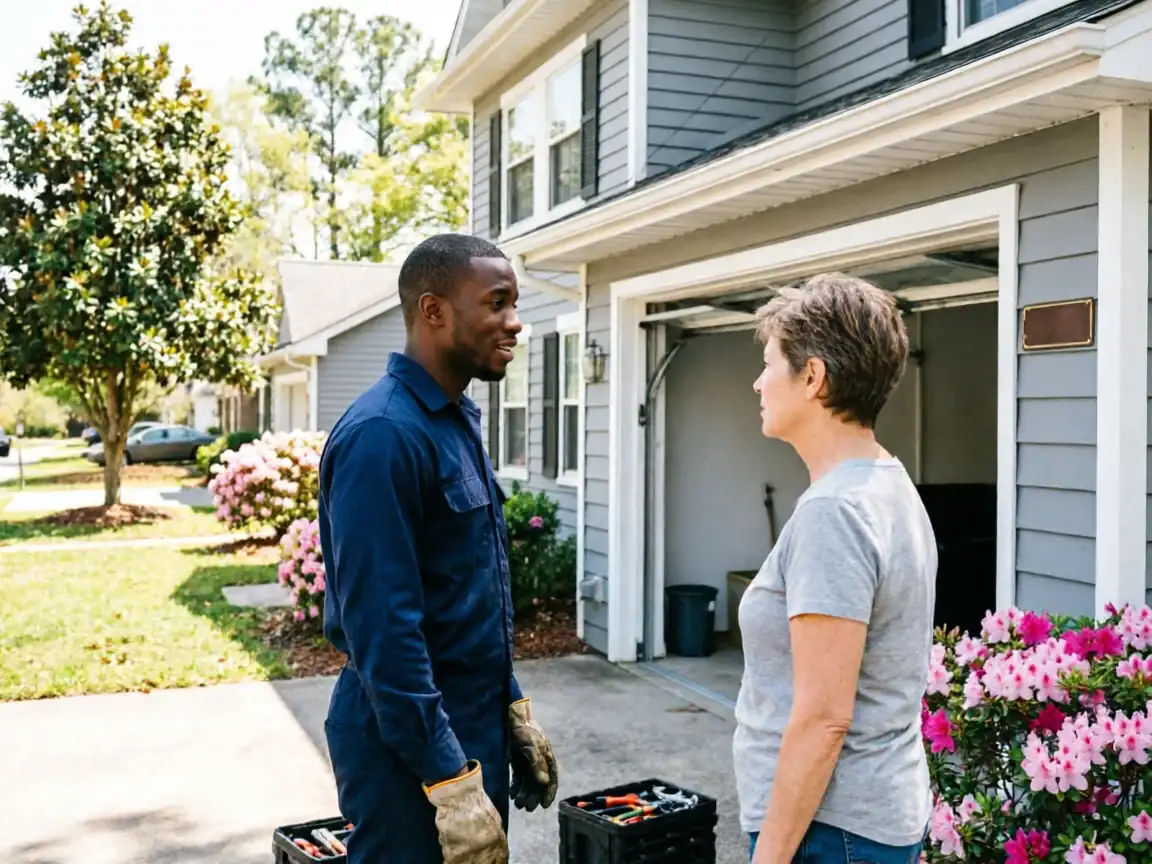
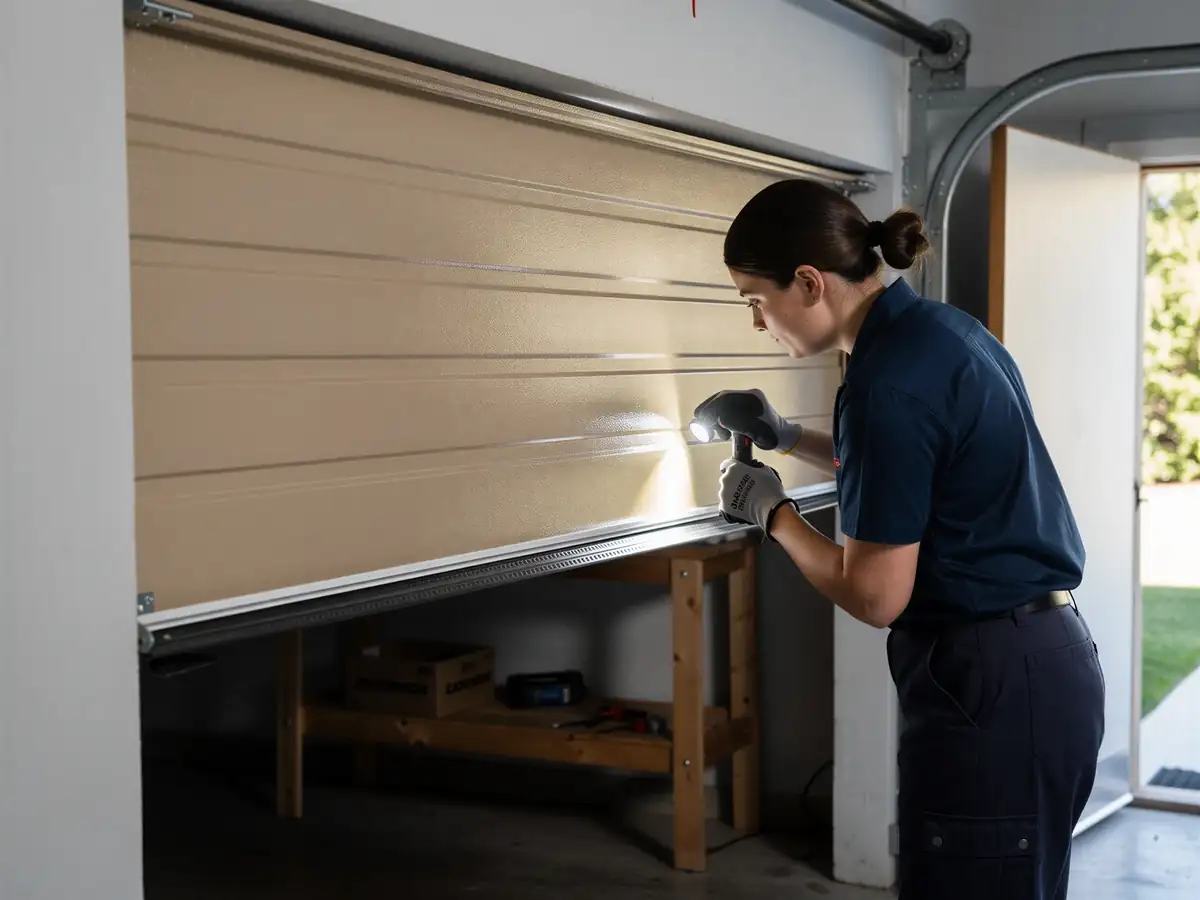
Once we're on site we check the opening dimensions, the condition of the jambs
And whether the existing track and header can carry a new door's weight, or whether those need replacing too.
Where This Job Goes Sideways
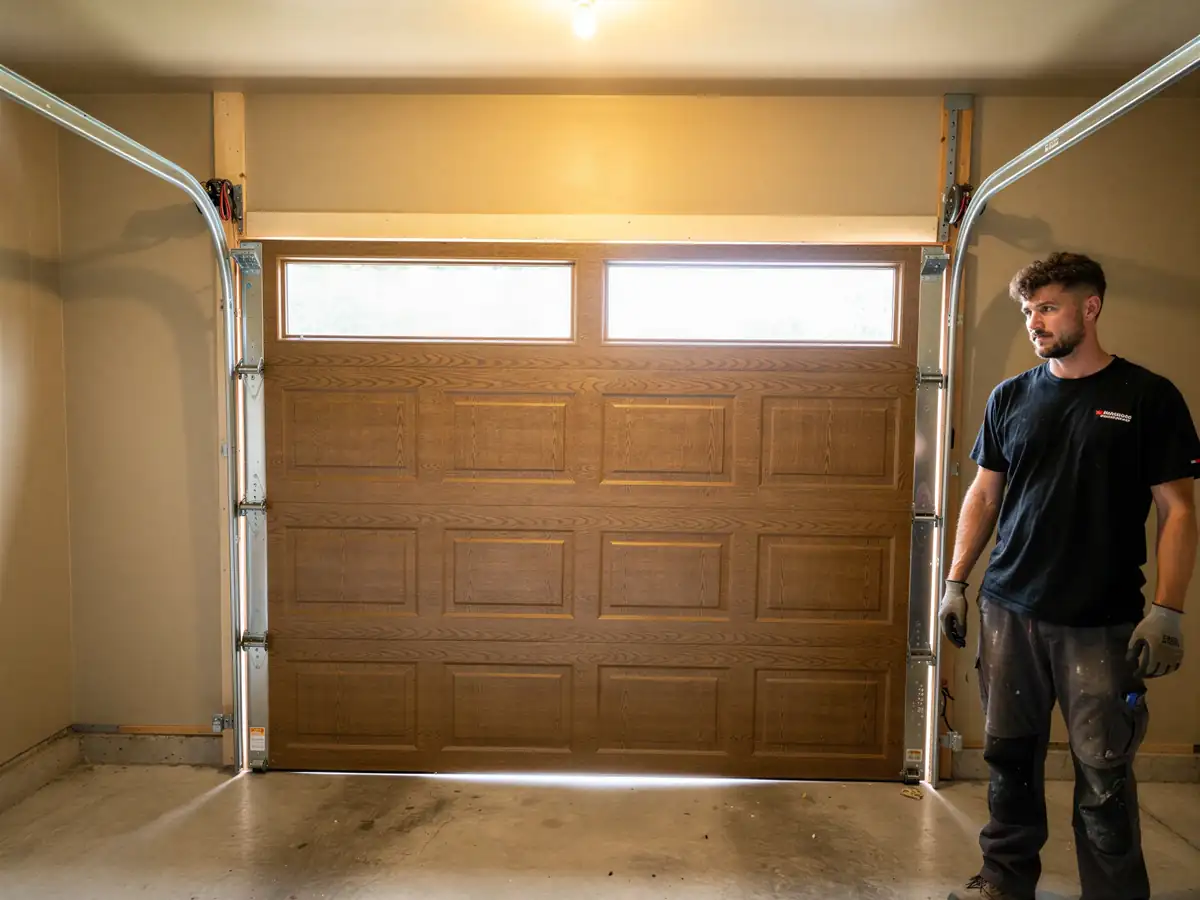
The part that catches people off guard isn't the door - it's the opening behind it. On a house built around 1971, we sometimes find the jambs have shifted slightly over the decades, or the header isn't square enough for a new door to seal properly without some carpentry first. That's not a garage door company's normal scope, and we'll say so rather than force a door into an opening that's going to bind or leak air around the edges.
The other place this goes long is insulation expectations. A new insulated door cuts down on heat loss, but it won't fix a garage that was never conditioned to begin with. We'll tell you what the door can and can't do before you pay for it.
Getting It Booked In
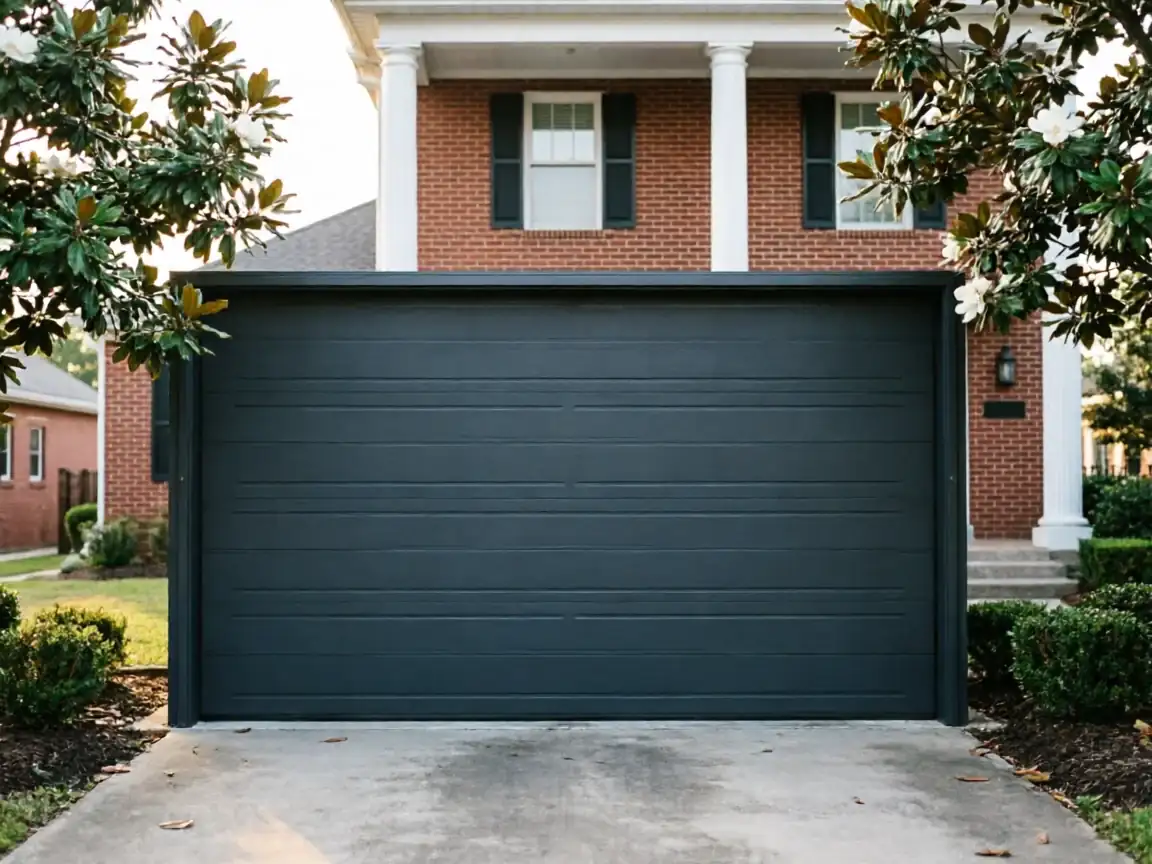
Because we're coming from Midlothian, roughly 16 miles each way, we schedule installs rather than drop in same-day. Measuring the opening, confirming the hardware spec, and ordering the door - if it's not a stock width - all happen before a crew is on site, so the actual install day isn't spent waiting on parts. Chamberlayne's households skew toward higher income for the area, and we see more requests here for insulated or composite doors over the cheapest steel option, which is a spec worth deciding on ahead of time rather than at the driveway.
How We Fix It
For a straight new install, we pull the old door and track, inspect the opening and header
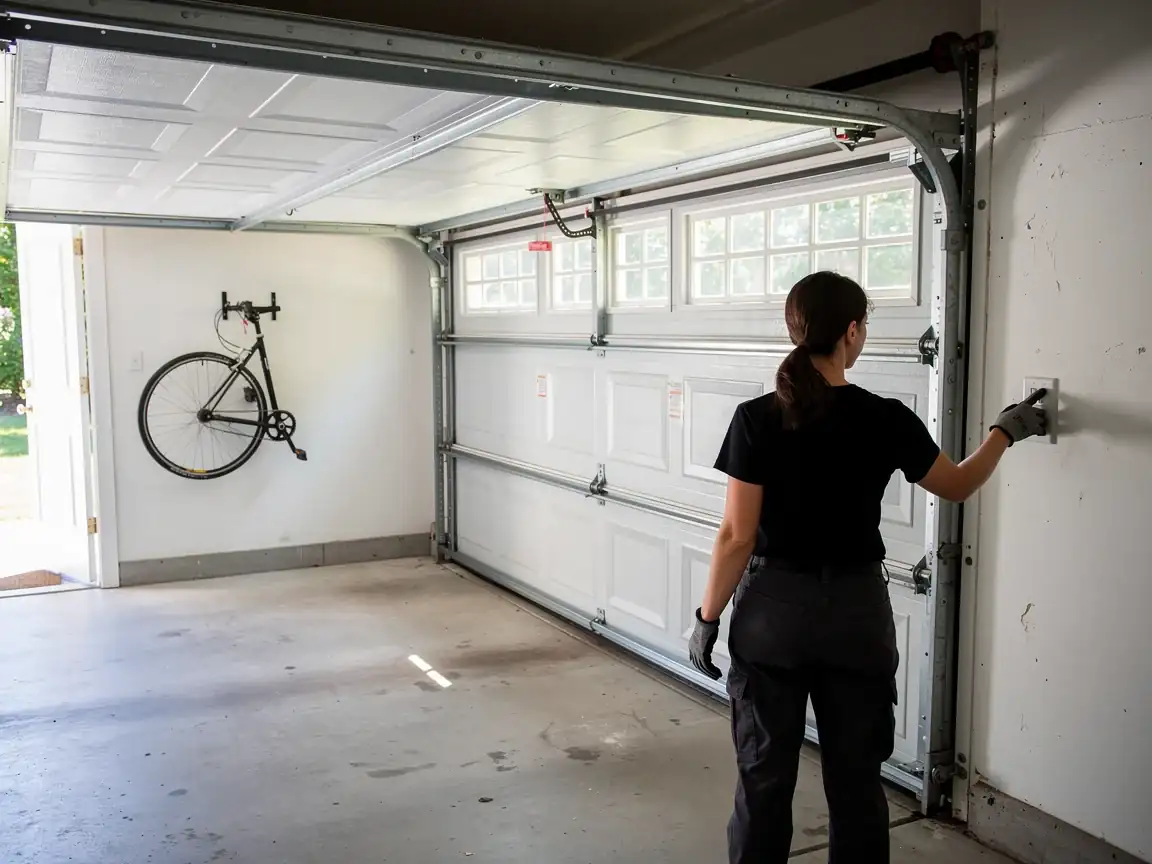
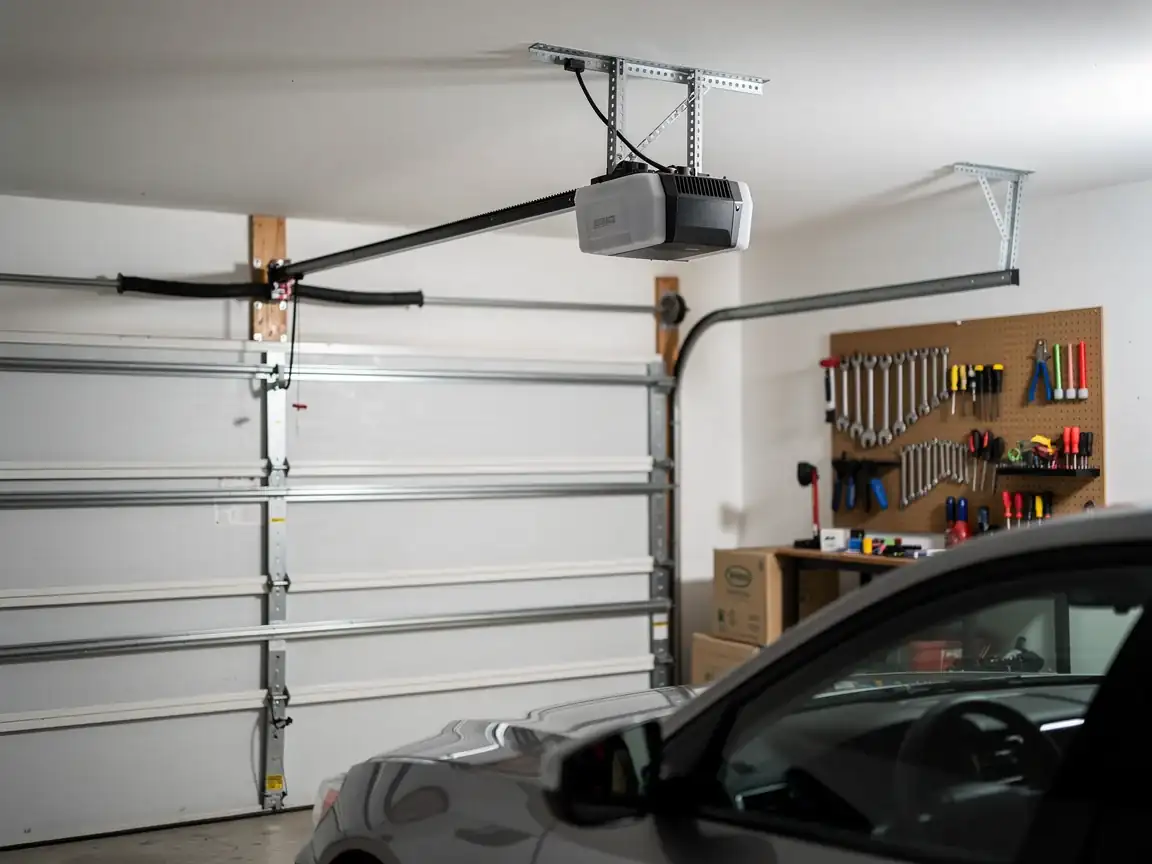
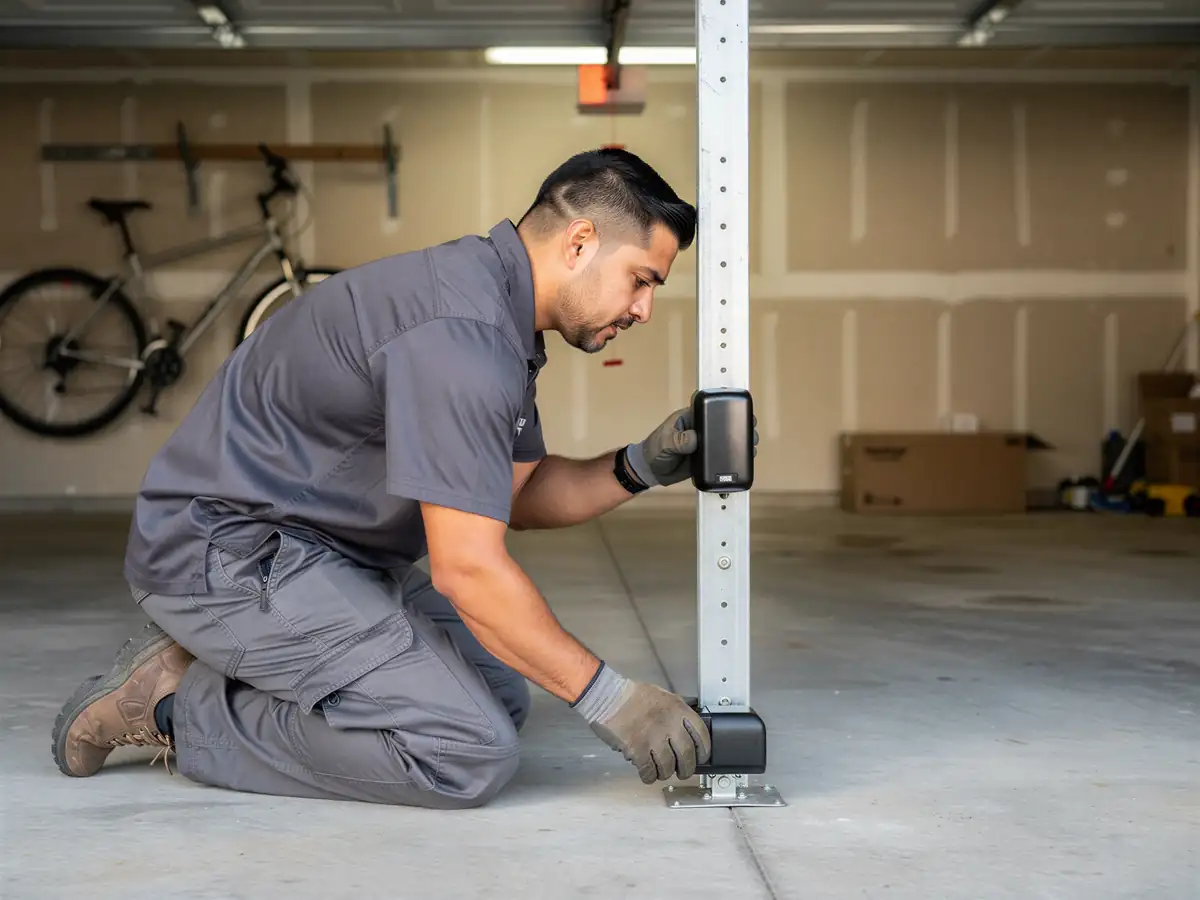
And set new jambs or brackets if the old ones won't hold square. Then the new door goes in - insulated panel, new torsion spring sized to the actual door weight, new track, and a drive unit matched to the door, not whatever was cheapest that week. We test the balance and the auto-reverse before we call it done.
If the opening itself needs framing work beyond garage door hardware
We'll say that plainly and point you to someone who does that scope - we install doors, we don't rebuild door frames from scratch.