Stocked Parts
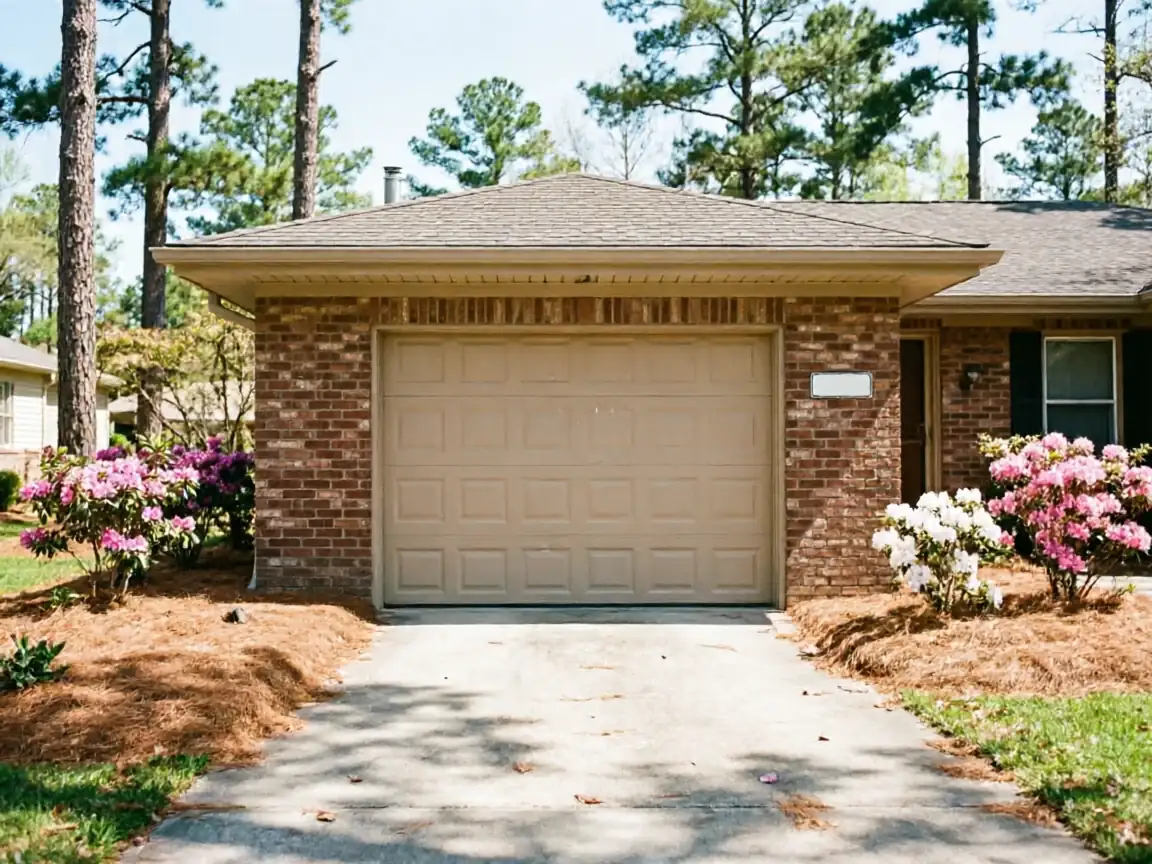
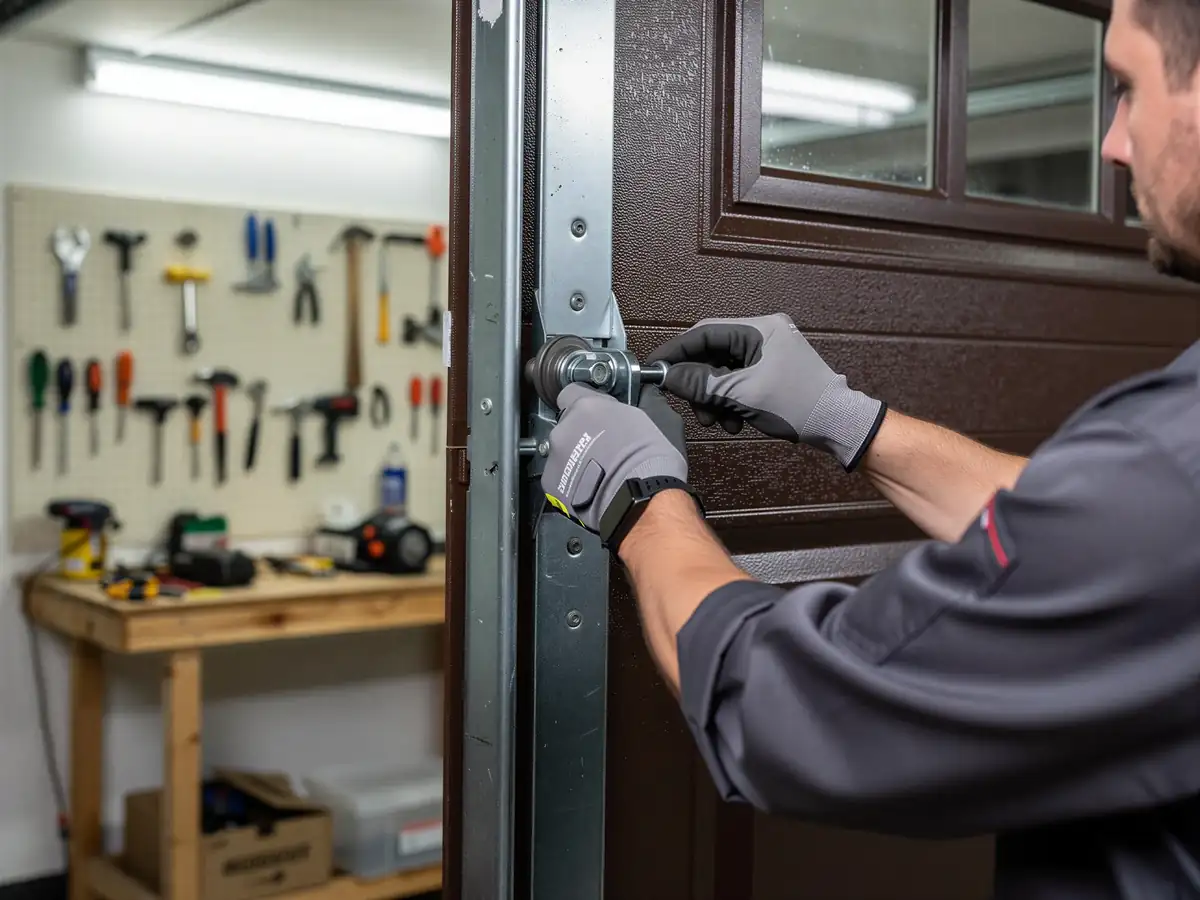
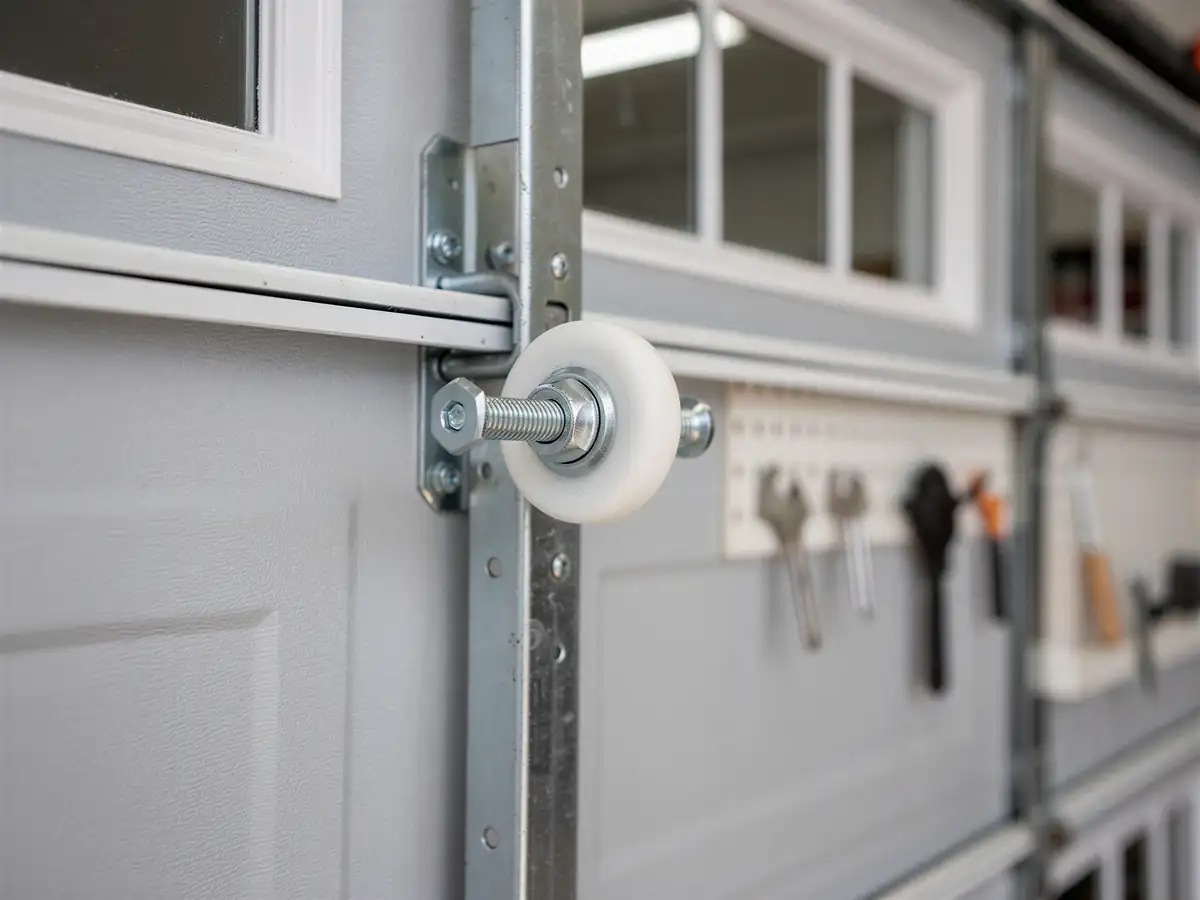
Chamberlayne sits 16 miles out from our Midlothian shop, which means we don't swing back for a part we guessed wrong on. Before the truck leaves, we load nylon rollers with sealed bearings in the two stem lengths that fit doors built in the early-to-mid 1970s, plus a handful of steel rollers for the older track gauge some of those original doors still carry. Houses in this part of the service area went up around 1971, on the early end of our 1954-2005 build range, so the roller brackets and track width aren't always what a big-box replacement kit assumes. We also carry the longer carriage bolts those early brackets need, since the hardware on a 50-year-old track rarely matches what's sold off the shelf today. If a door's track itself is bent badly enough that rollers alone won't fix the ride, we say so on-site rather than swap rollers into a track that's going to chew through them again in a year.
What Causes It Around Here
A door built around 1971 has had five decades of track flex, and steel rollers from that era wear a groove into the track rail that nylon rollers won't fix on their own - the groove has to be addressed or the new rollers just ride the same worn path. Cold-moderate winters put a yearly freeze-thaw cycle on the lubrication inside steel roller bearings, and once that grease gums up or washes out, the bearing seizes and the roller stops turning - it just drags, flat-sided, every time the door moves. On a door this age the stems have usually already been replaced once with a mismatched length, which throws the roller's angle into the track and accelerates wear on whichever side took the bad fit. None of this is Chamberlayne-specific weather drama - it's just what 1971 steel rollers do after enough winters.
Where This Job Goes Sideways
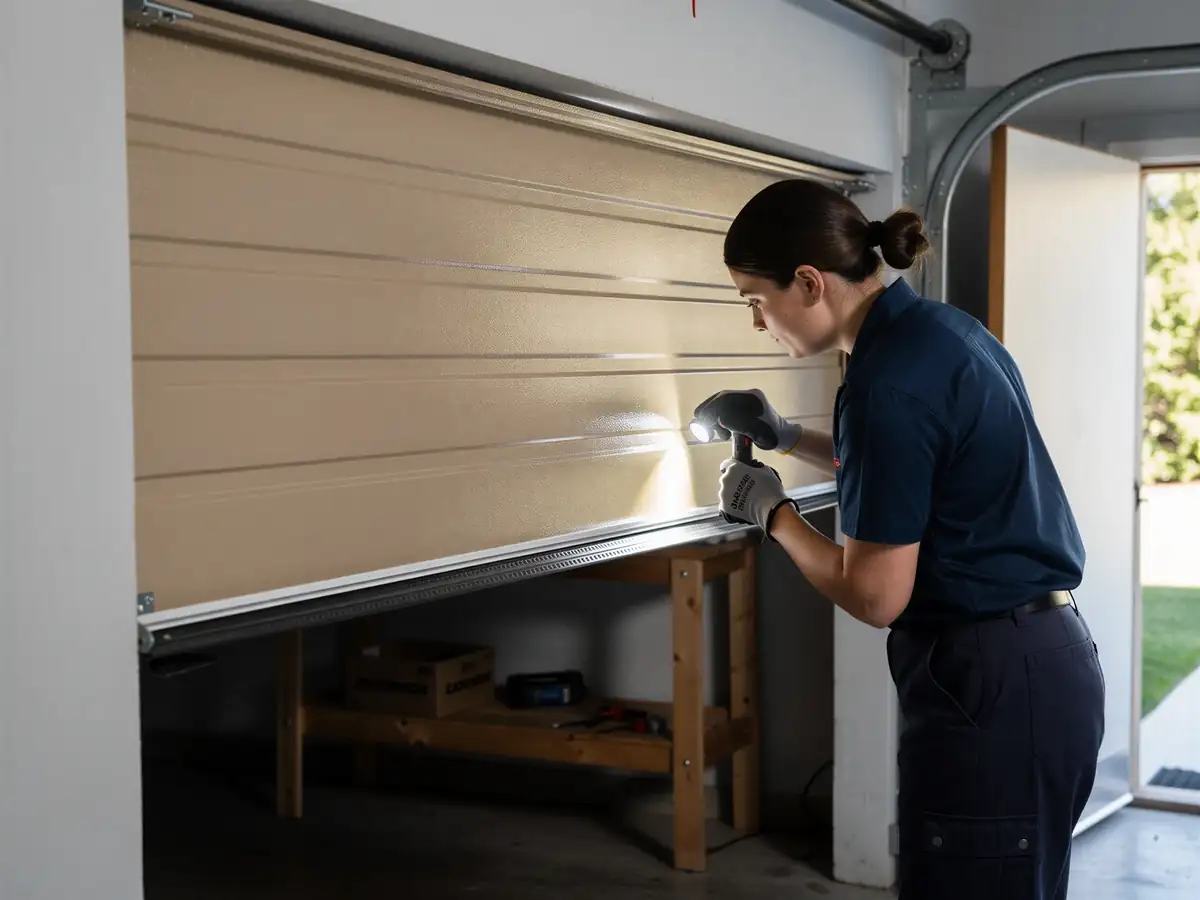
Roller swaps go wrong on these older doors when the track itself has worn into an hourglass shape from decades of steel rollers - new nylon rollers will ride smooth for a few weeks and then start binding in the narrowed sections. We check the track width at three points before we commit to a roller-only fix, and if it's tapered, the track section gets replaced along with the rollers rather than billing you twice for two visits. The other place this goes sideways is the bottom bracket, which on a 1971-era door is often held with bolts that have rusted into the jamb - those sometimes shear on removal, and if that happens the bracket gets replaced on the spot rather than reused. We tell you this upfront because it changes the job from a quick roller swap into a longer repair, and you should know that before we start, not after.
Getting It Booked In
Since we're coming from Midlothian, 16 miles south, we schedule Chamberlayne jobs in the same window as other calls on that side of the service area when we can, so the drive isn't dead time tacked onto your bill. Tell us the rough sound and where in the travel it happens when you call - that lets us load the right roller stem length and track stock before we're on the road instead of guessing at the door. We don't keep a branch out this way, so everything we might need rides on the truck from the start; that's the reason we ask a few more questions up front than a shop with a local counter would.