How We Fix It
Bon Air's median household income runs $97,620, well above the $69,917 median across our wider service area. That number matters more than it sounds like it should, because it sets where the repair-or-replace line falls. A homeowner here can usually afford a clean replacement instead of nursing along a dying opener or a warped panel, so our first call on a Bon Air job is to tell you honestly which side of that line you're on.
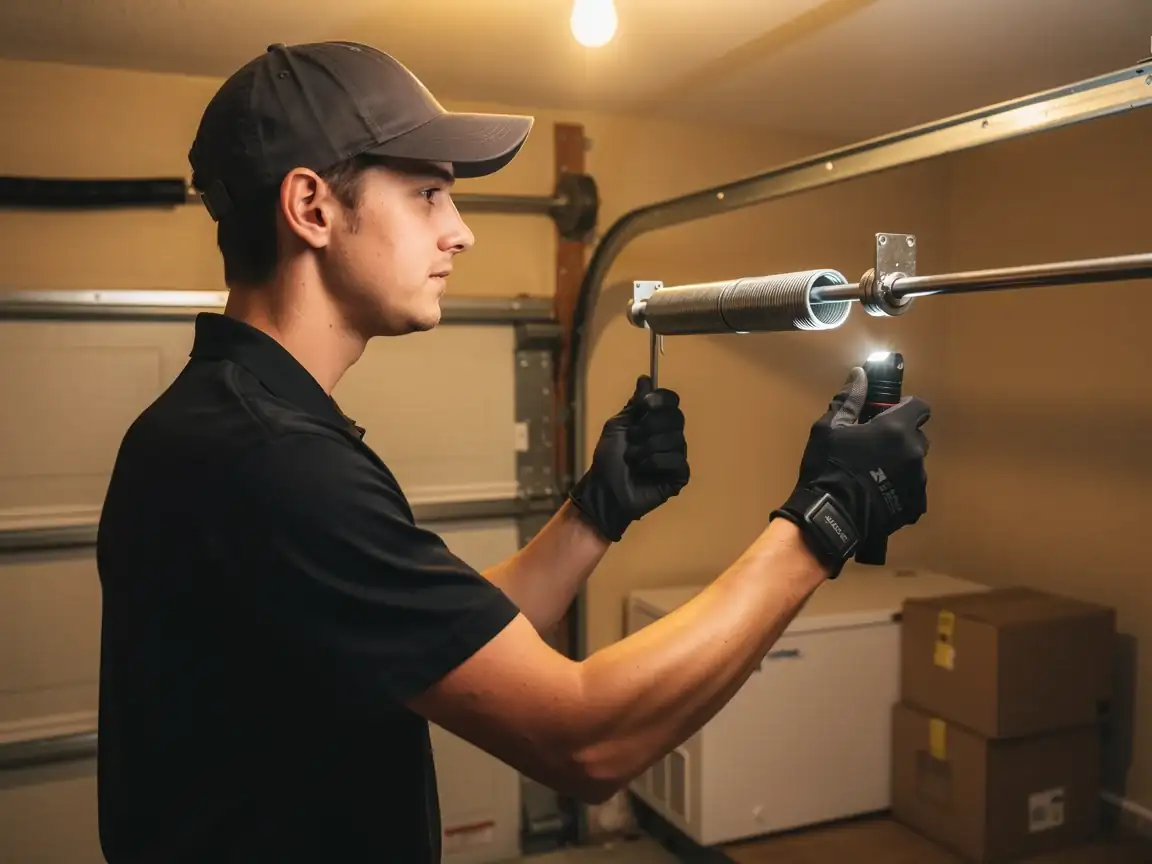
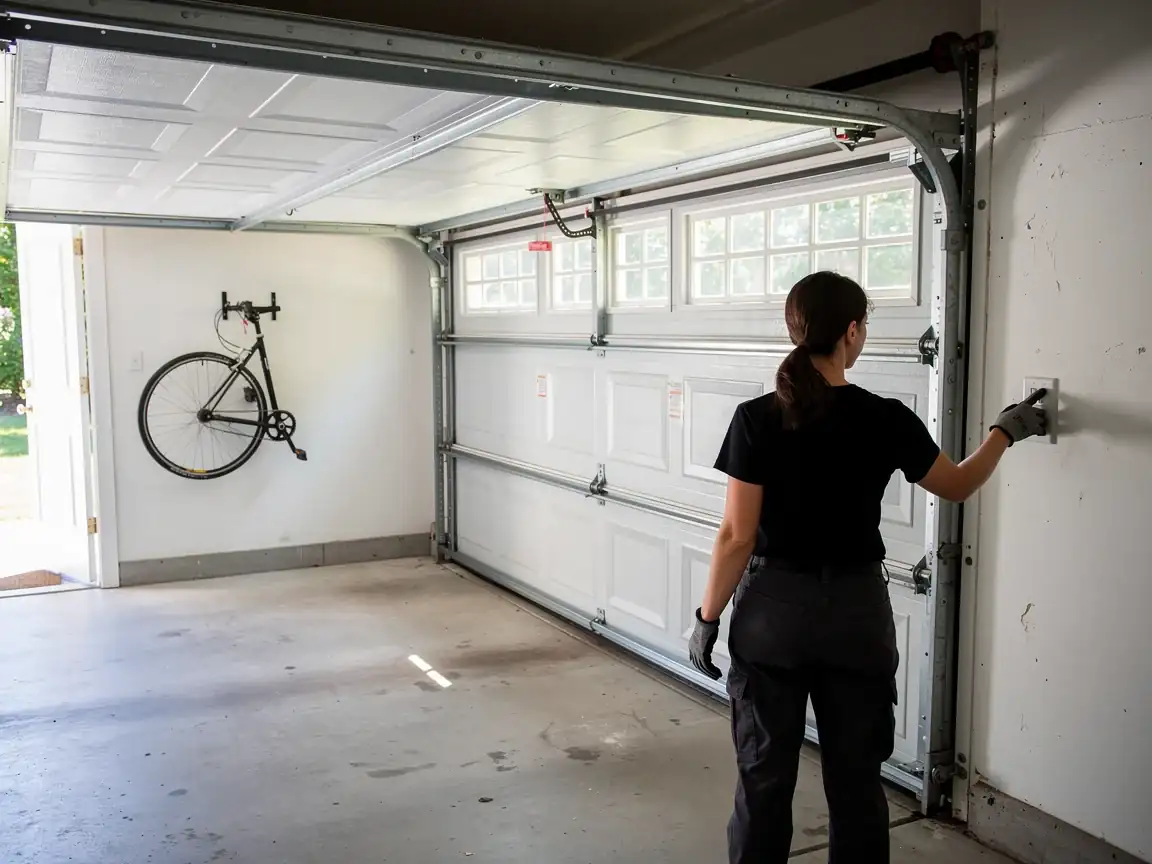
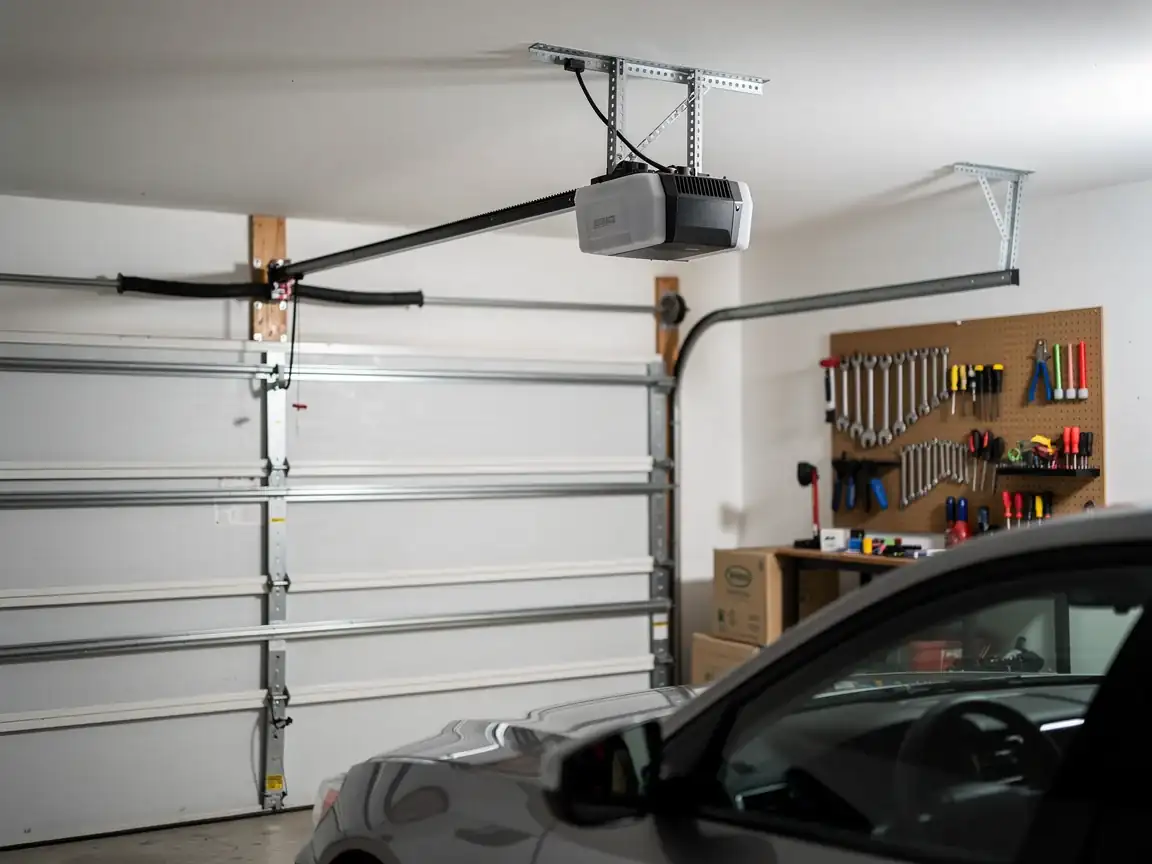
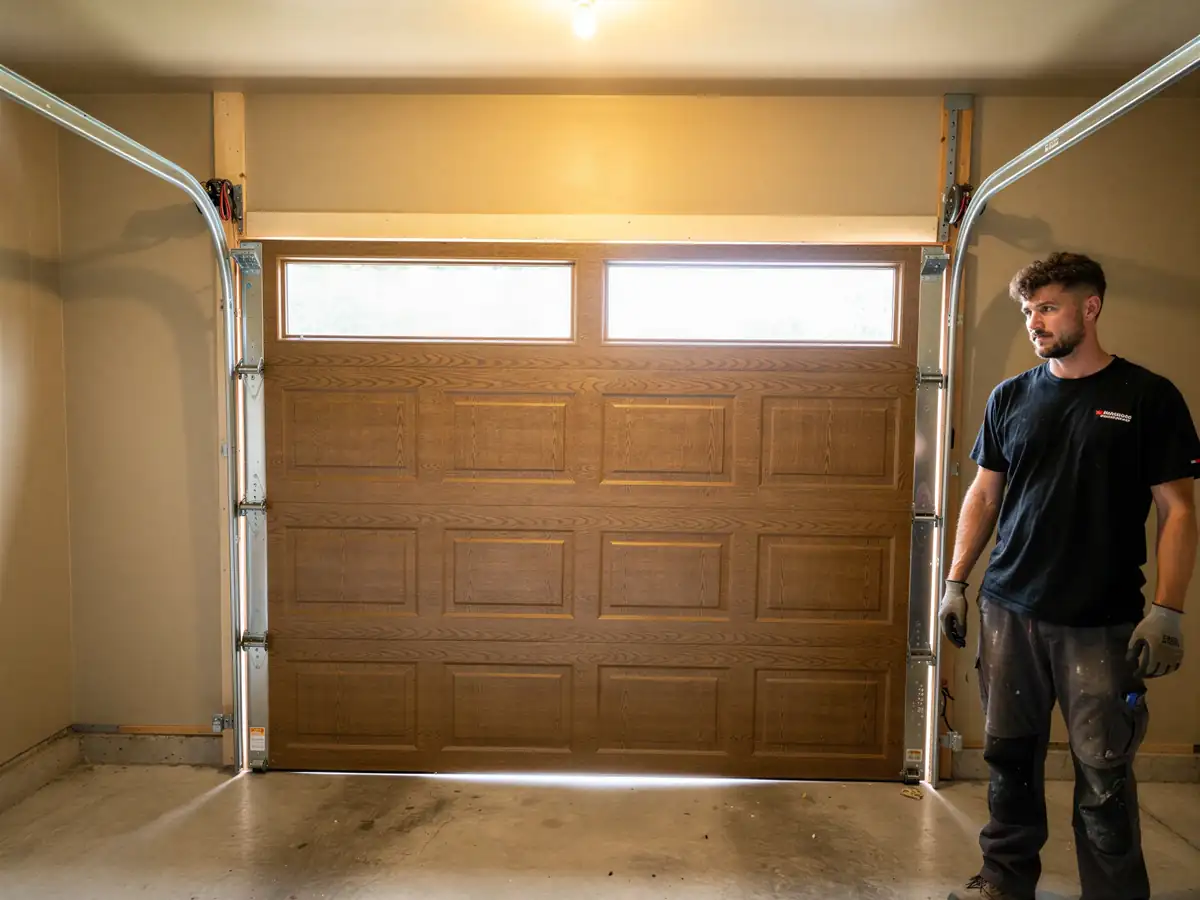
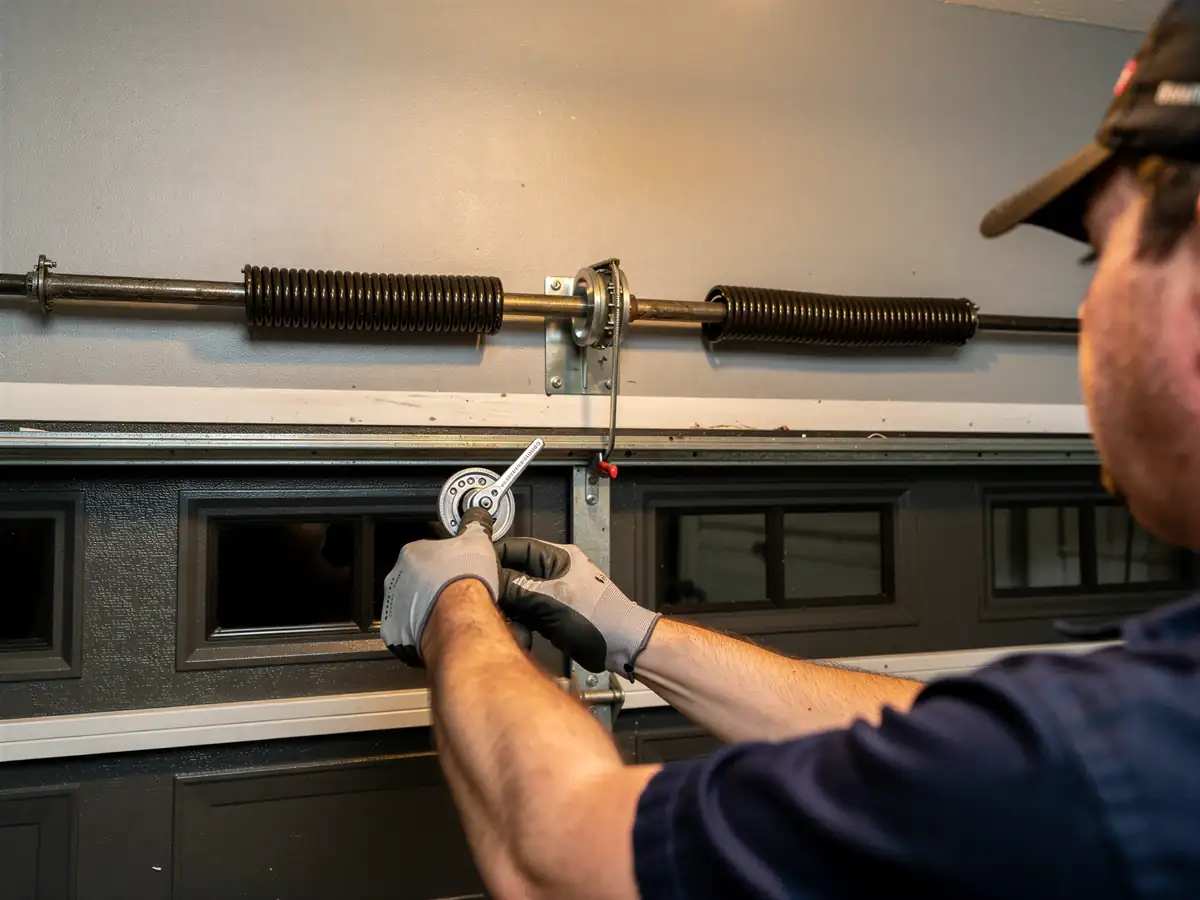
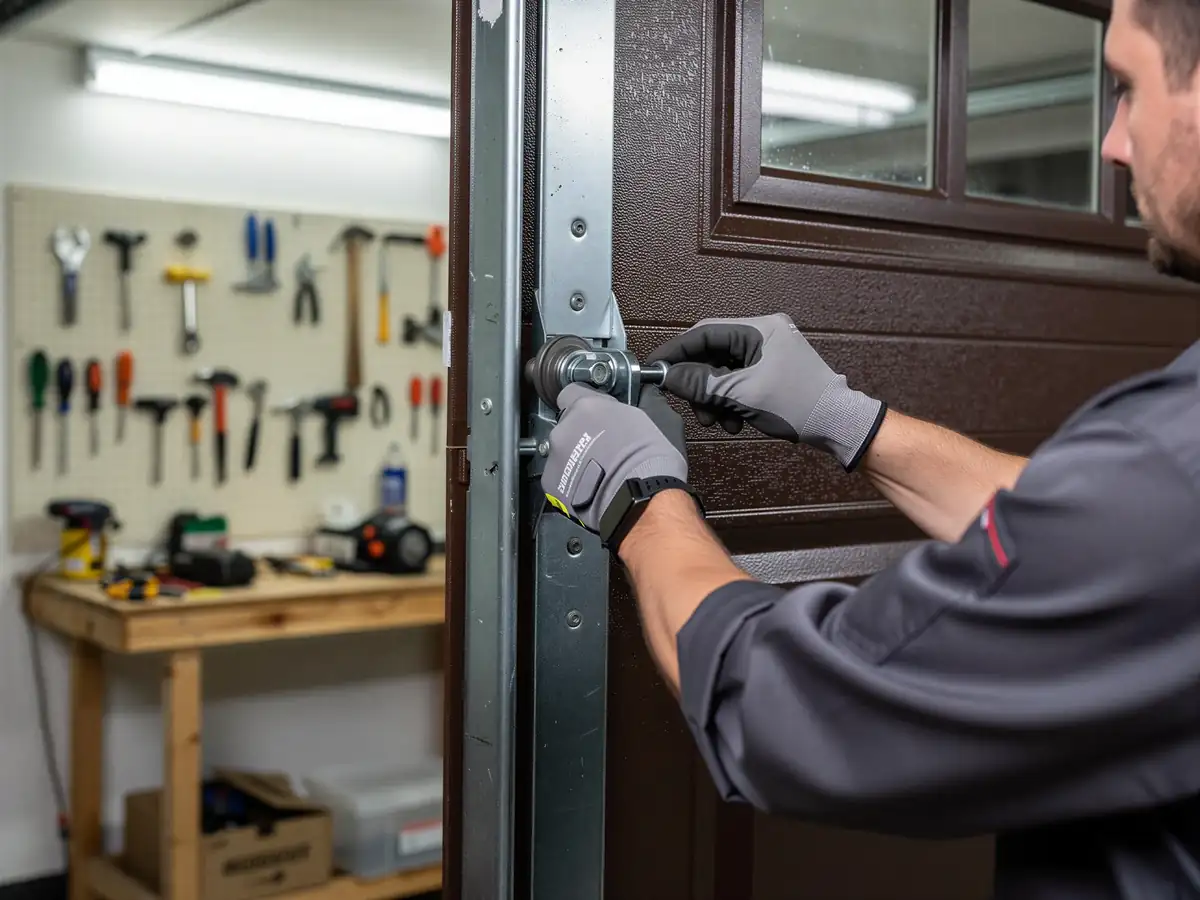
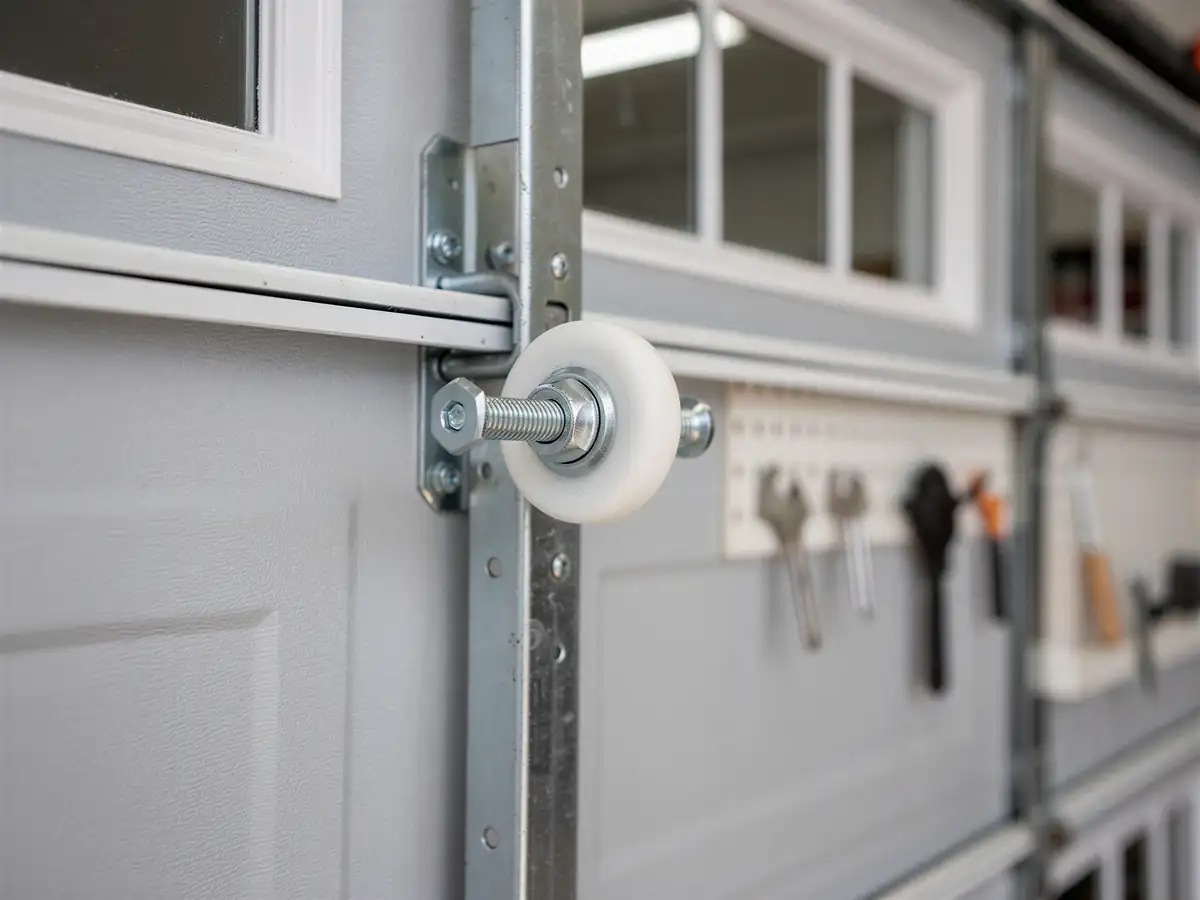
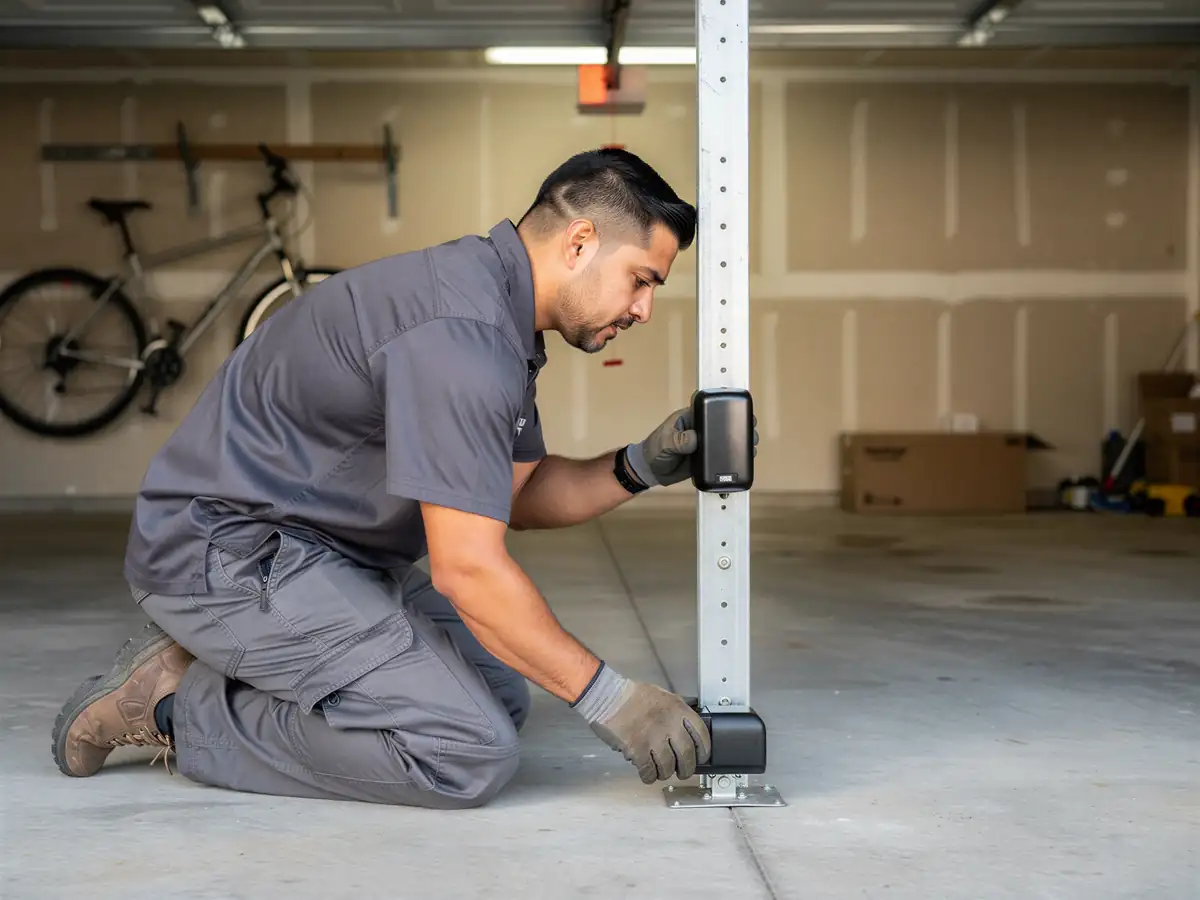
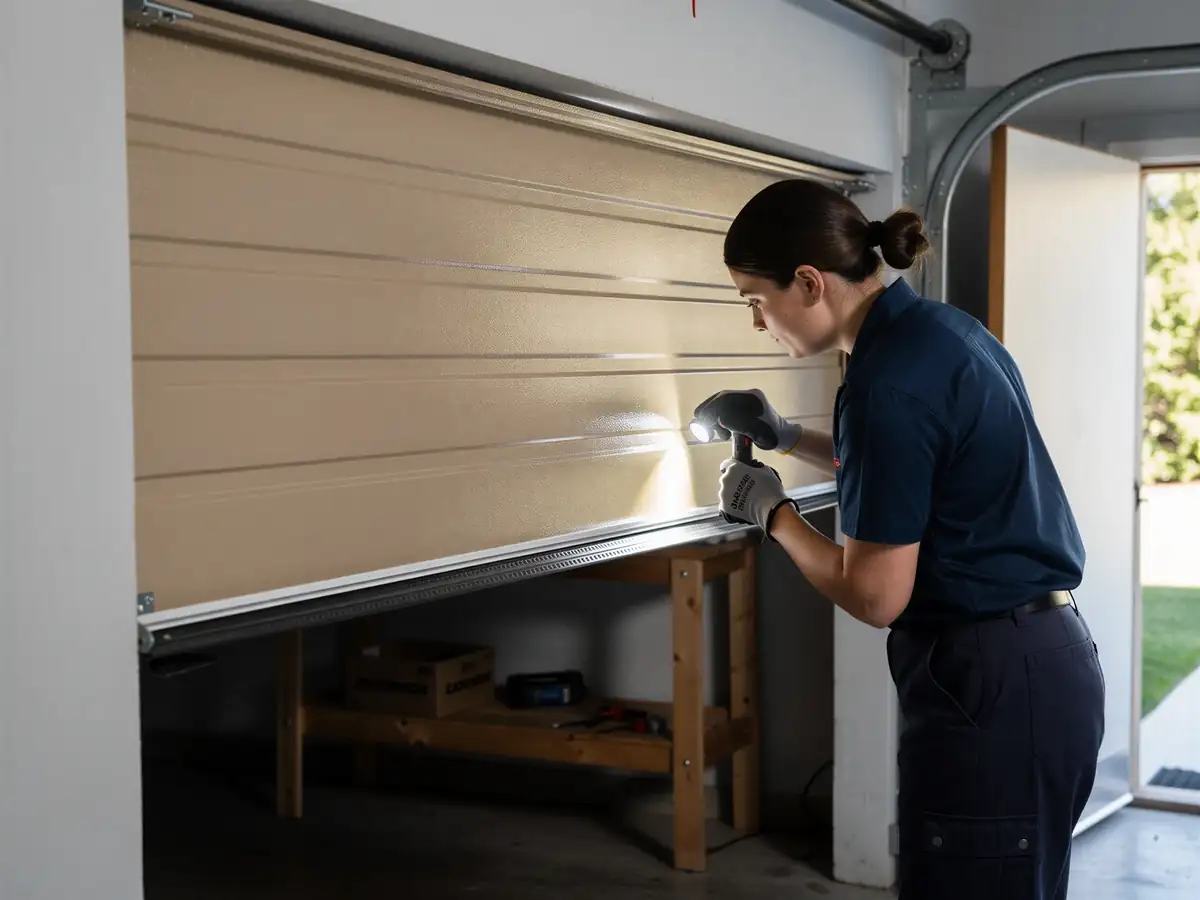
Most of the actual repair work is the same regardless of income: a broken torsion spring on a double door, a snapped cable, a roller that's worn its track groove wide, an opener logic board that's finally quit after years of humidity cycling. We replace springs in matched pairs, not singles, because a mismatched pair just breaks the other side within months. Cables get swapped with the springs they ride with. If the opener is the actual failure and not the door, we say so rather than selling a spring job the door doesn't need.
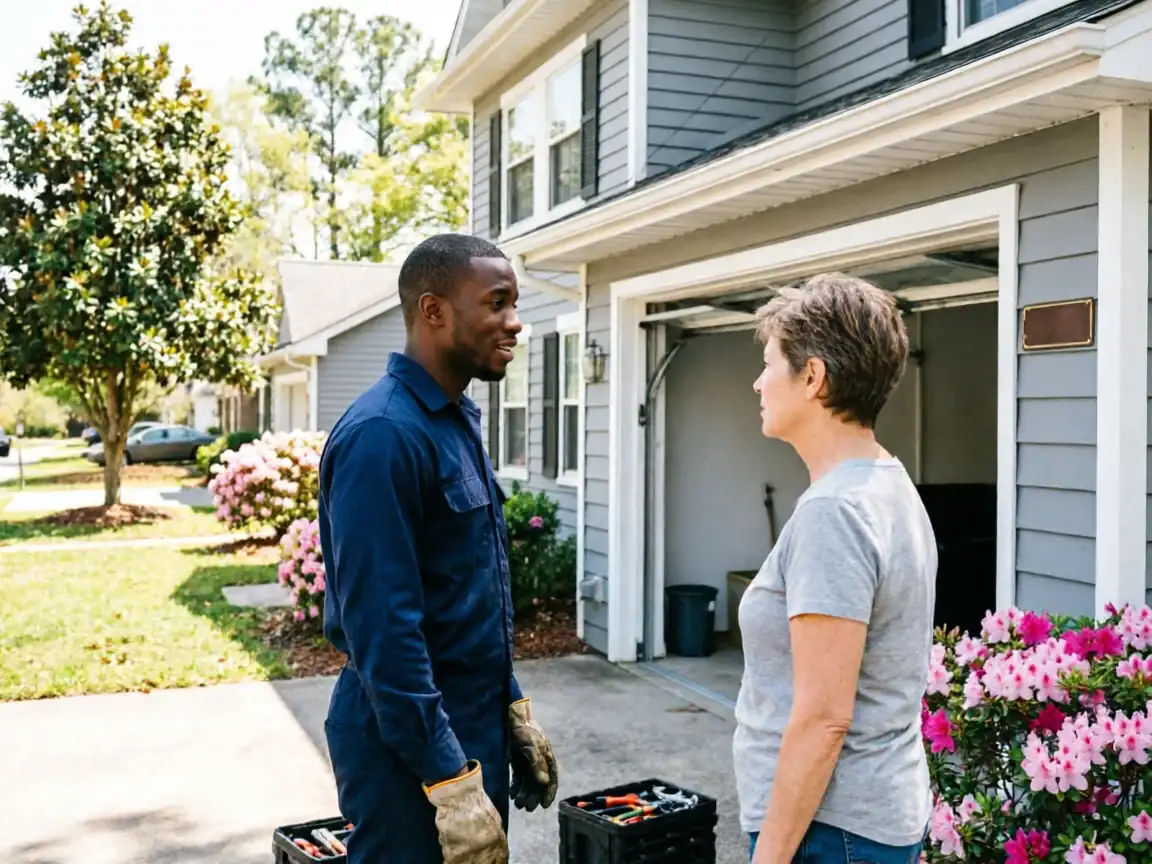
We travel from our Midlothian shop for every Bon Air call - there's no branch office here, just a truck coming five miles down the road.
Where This Job Goes Sideways
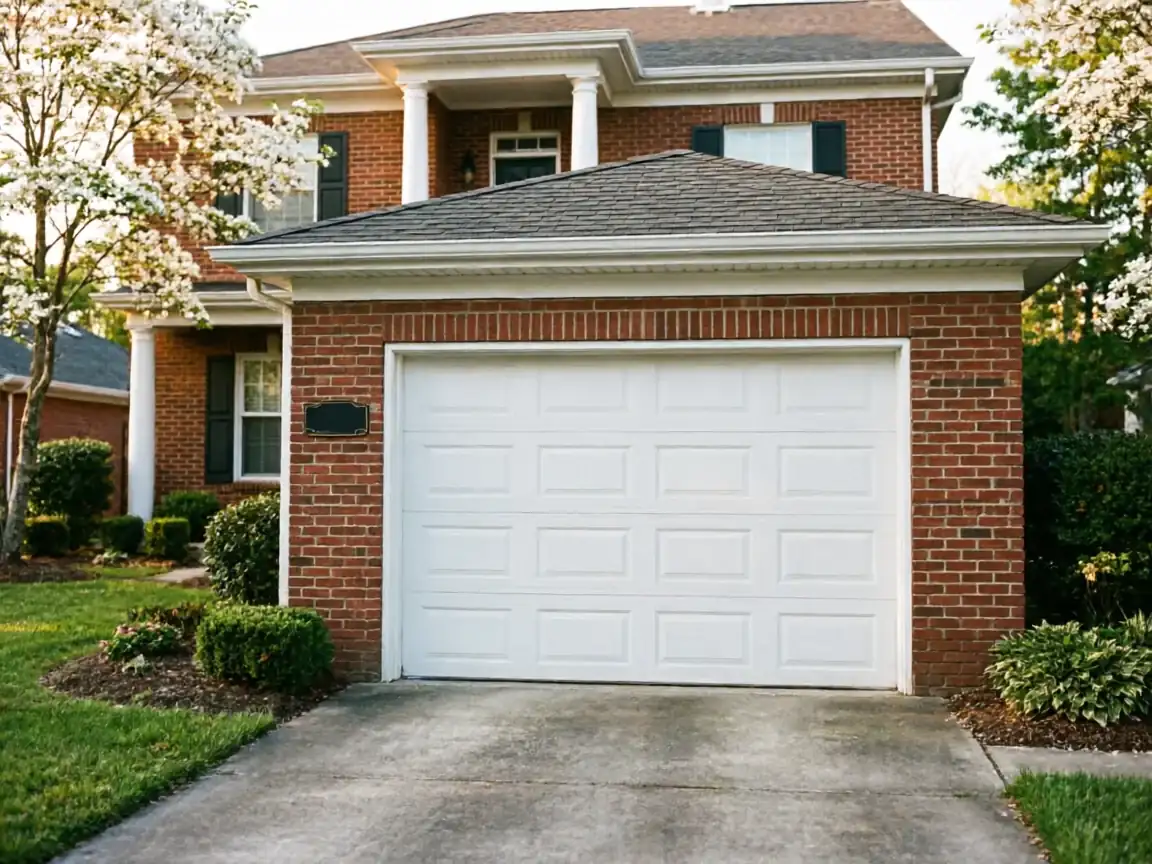
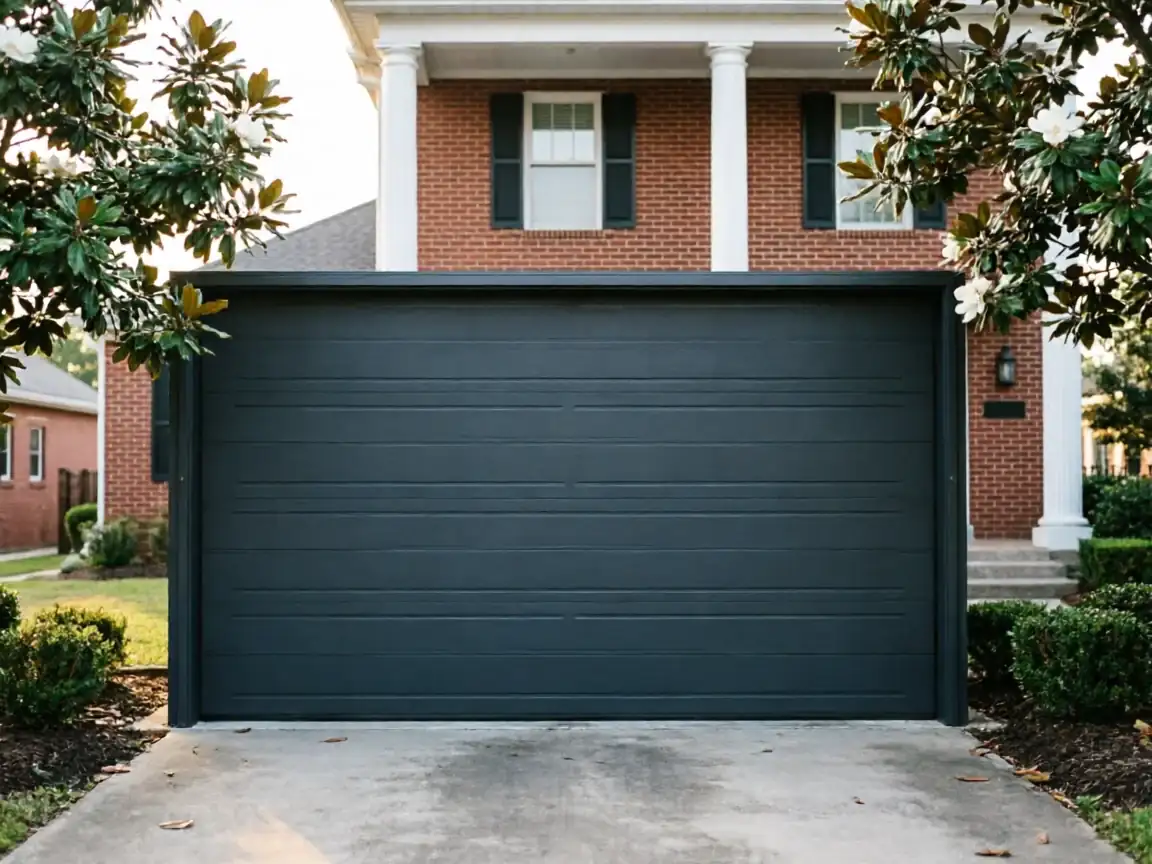
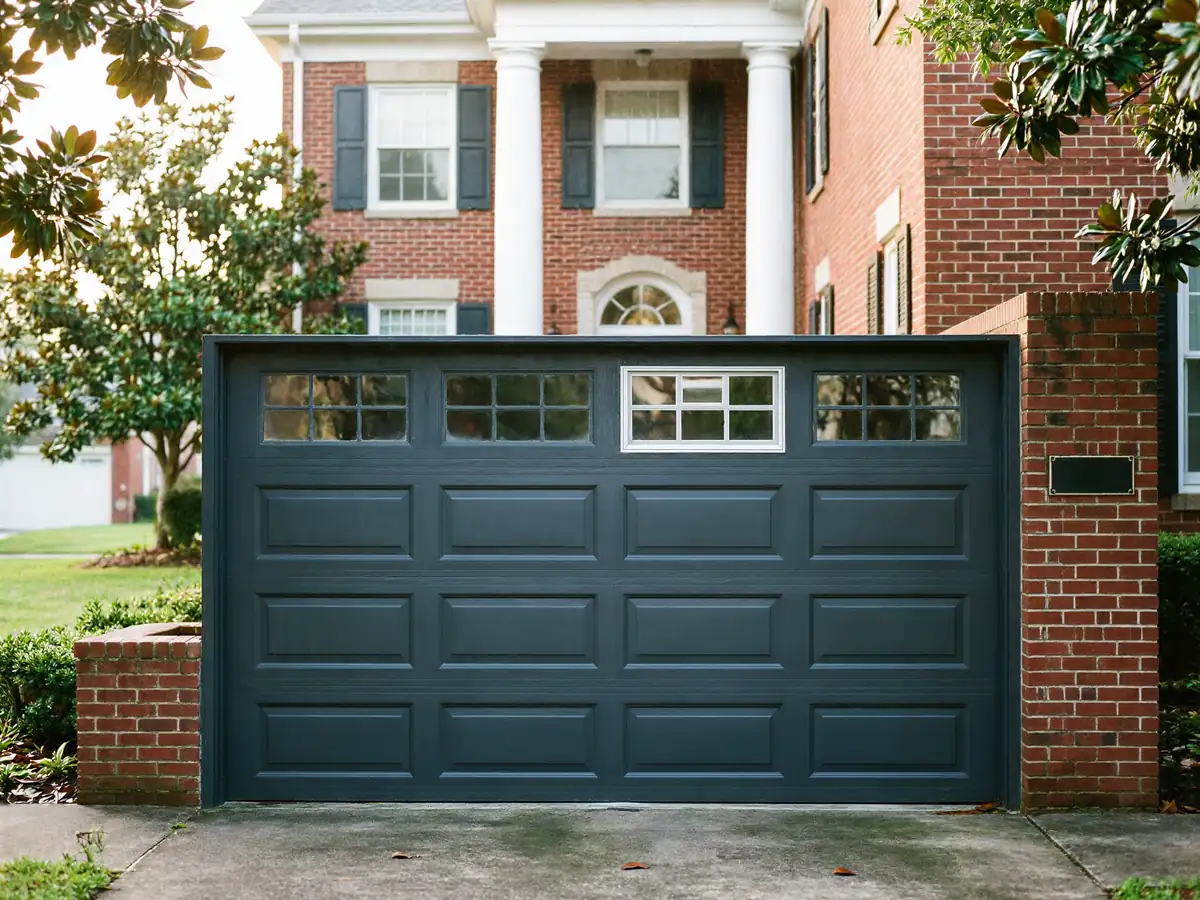
The honest limitation first: if your door is an older model and the manufacturer's stopped making that panel profile, we can't always match it exactly. Houses built around 1975, which is Bon Air's rough median build year, sometimes carry doors or track hardware that's been discontinued long enough that a single-panel patch isn't possible. In that case we're replacing the whole door, not because we want to sell you one, but because the part doesn't exist anymore.
The other place it goes sideways is springs that were sized wrong at install or during a prior repair. A torsion spring rated for the wrong door weight will look fine for a year and then fail early, and when that happens twice on the same door it's usually a sign the whole assembly needs resizing, not just another spring swapped in on faith.
Given the income level here, we'd rather tell a homeowner straight that a 1975-era door with worn-out hardware is a replacement, not a fourth repair, than keep billing small fixes on something that's done.
What Causes It Around Here
The region sits in a cold, moderate climate band, and that shows up in specific ways on a garage door
Cold stiffens torsion spring steel and thickens opener gear grease, so winter mornings are when marginal springs finally let go and openers that were already straining start grinding instead of lifting smoothly. It's not dramatic, it's just wear accelerated by temperature swings.
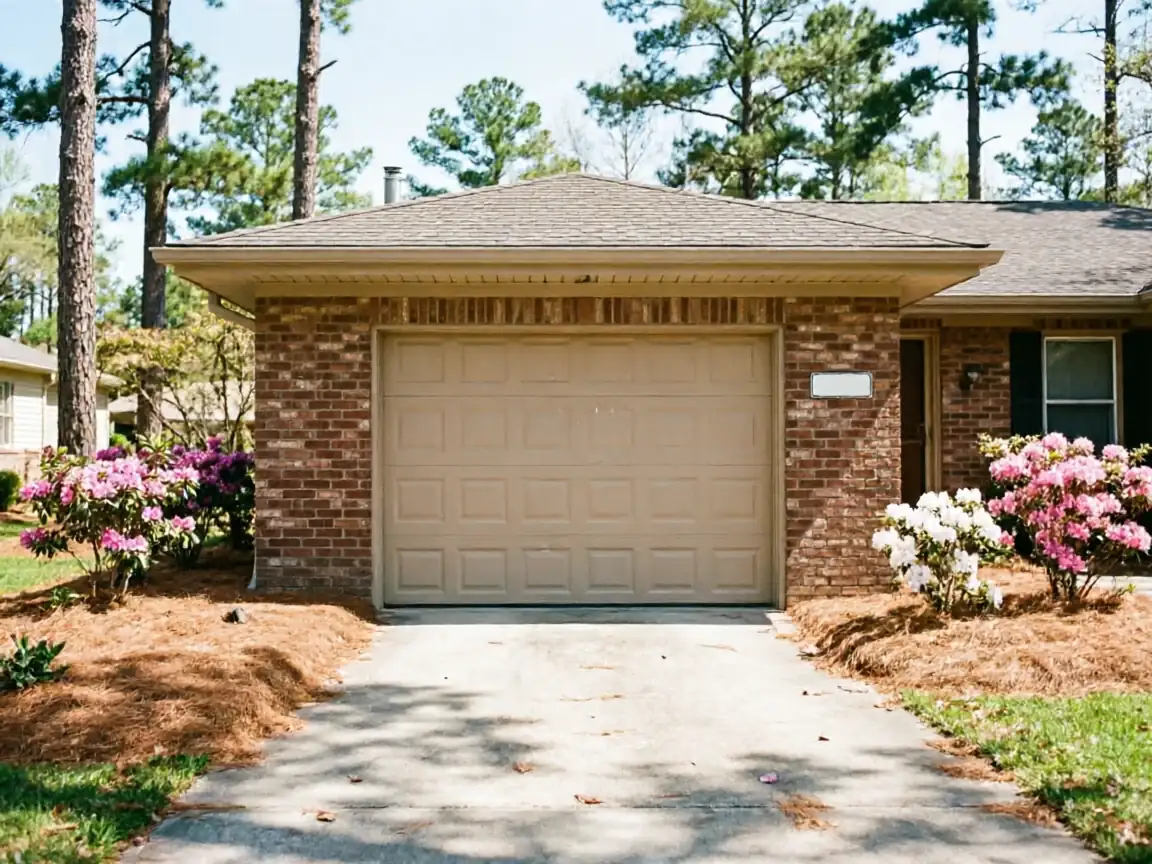
Bon Air's housing stock, built mostly around 1975
Falls into the same 1960s-70s band that runs across much of the area's 18 named neighborhoods. Doors from that era were often installed with side-mounted torsion hardware that's simpler than what goes in new builds but also harder to source replacement parts for. Combine aging hardware with cold-weather stress on the spring steel and you get the two most common calls we see: a broken torsion spring in January or February, and an opener motor that finally dies after years of fighting a door that's gotten harder to lift as the rollers wear.
Getting It Booked In
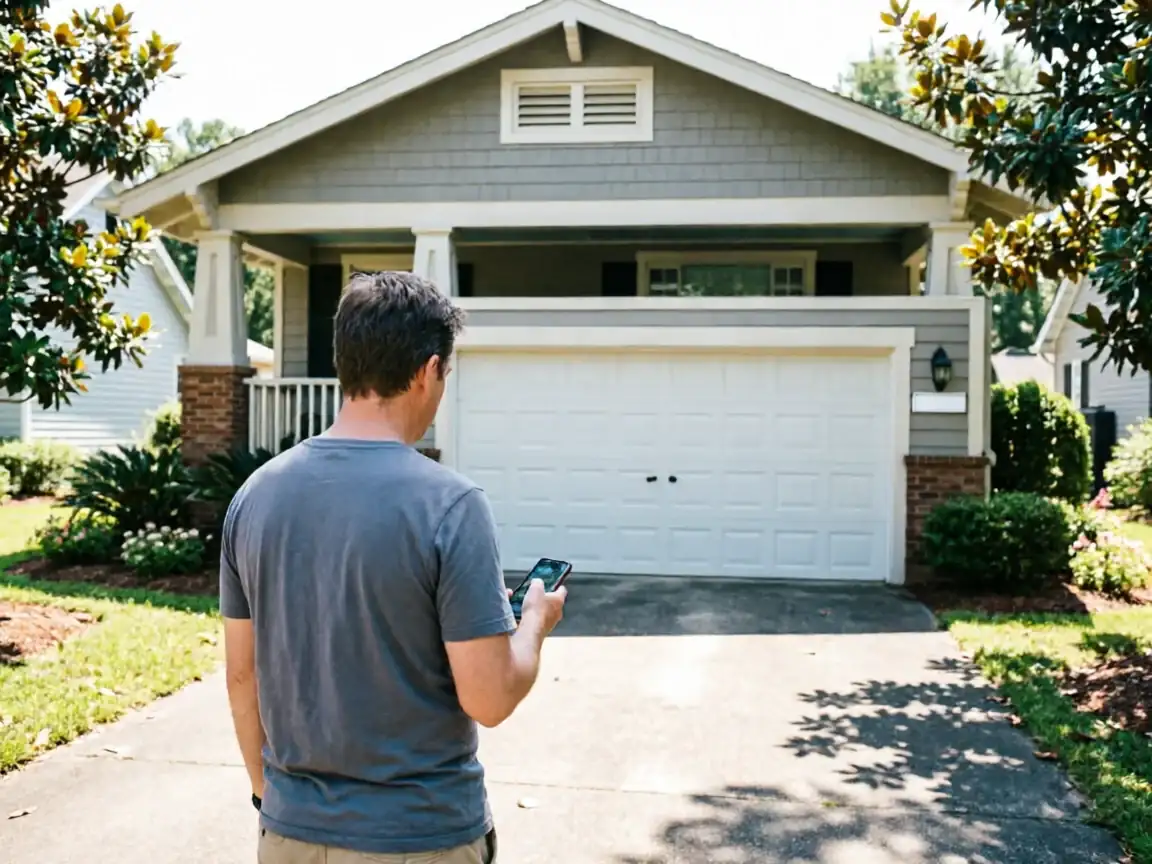
Bon Air sits about 5 miles from our Midlothian shop, which is a short enough drive that it doesn't change how we schedule the day. When you call, tell us what the door's doing - won't open, opens partway and reverses, makes a bang and stops - and we'll tell you roughly what that points to before anyone drives out.
If your house falls in that 1975-ish build range common to Bon Air, mention it. It helps us bring the right spring sizes and track hardware on the first trip instead of a second visit to grab the right part. We'd rather show up with what the job actually needs.