How We Fix It
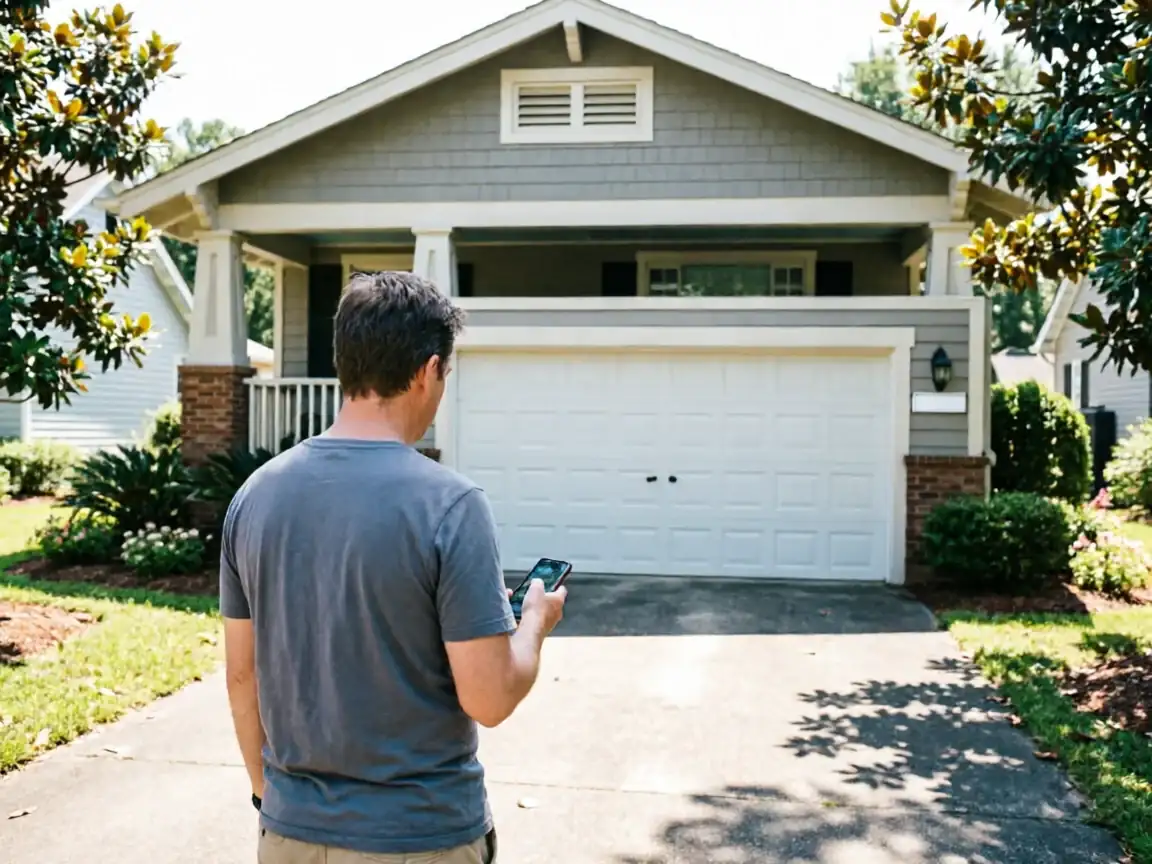
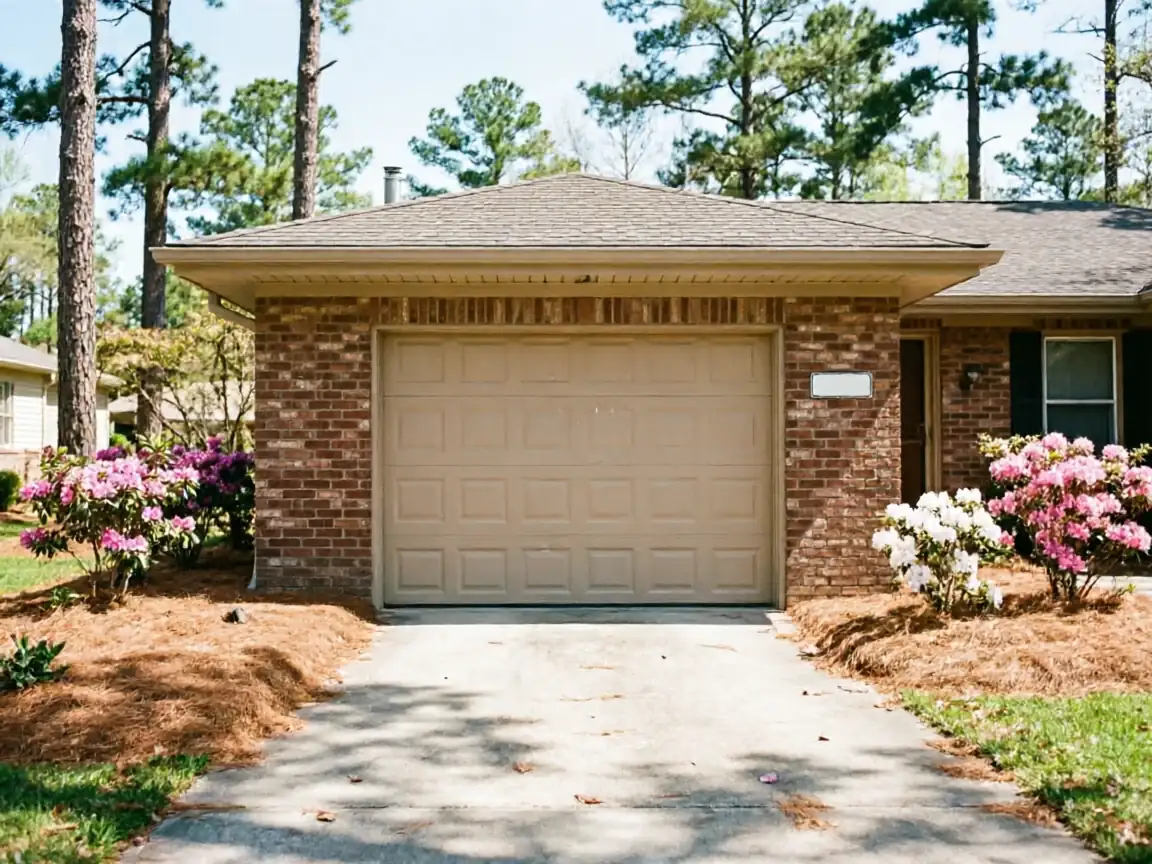
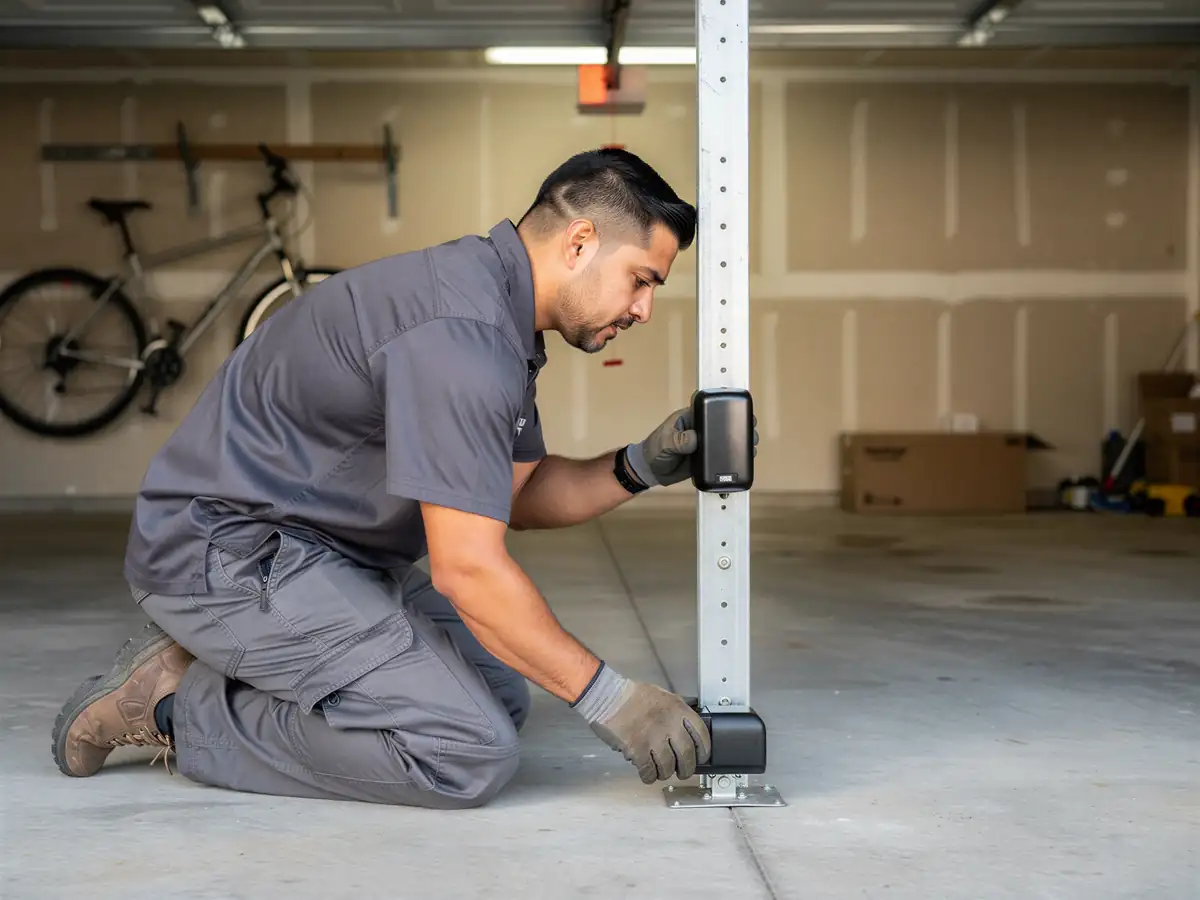
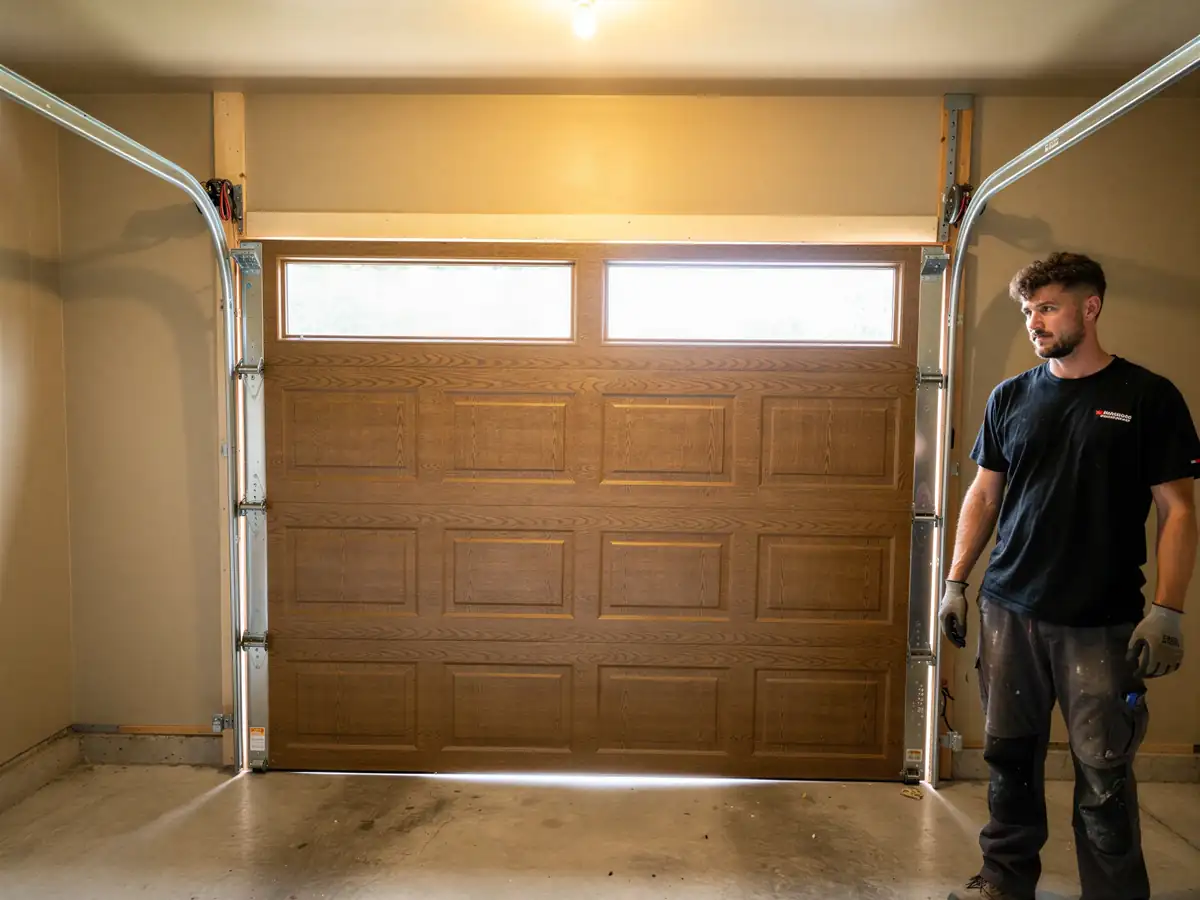
The first thing we check on a Bon Air job isn't the door, it's the header. Most houses here went up around 1975, and builders of that decade framed garage openings a shade tighter than what gets built today. A stock 16-foot door off a truck doesn't always drop into a 1975 opening without trimming the jamb or re-flashing the header, and skipping that step is how you end up with a door that binds on one side six months in.
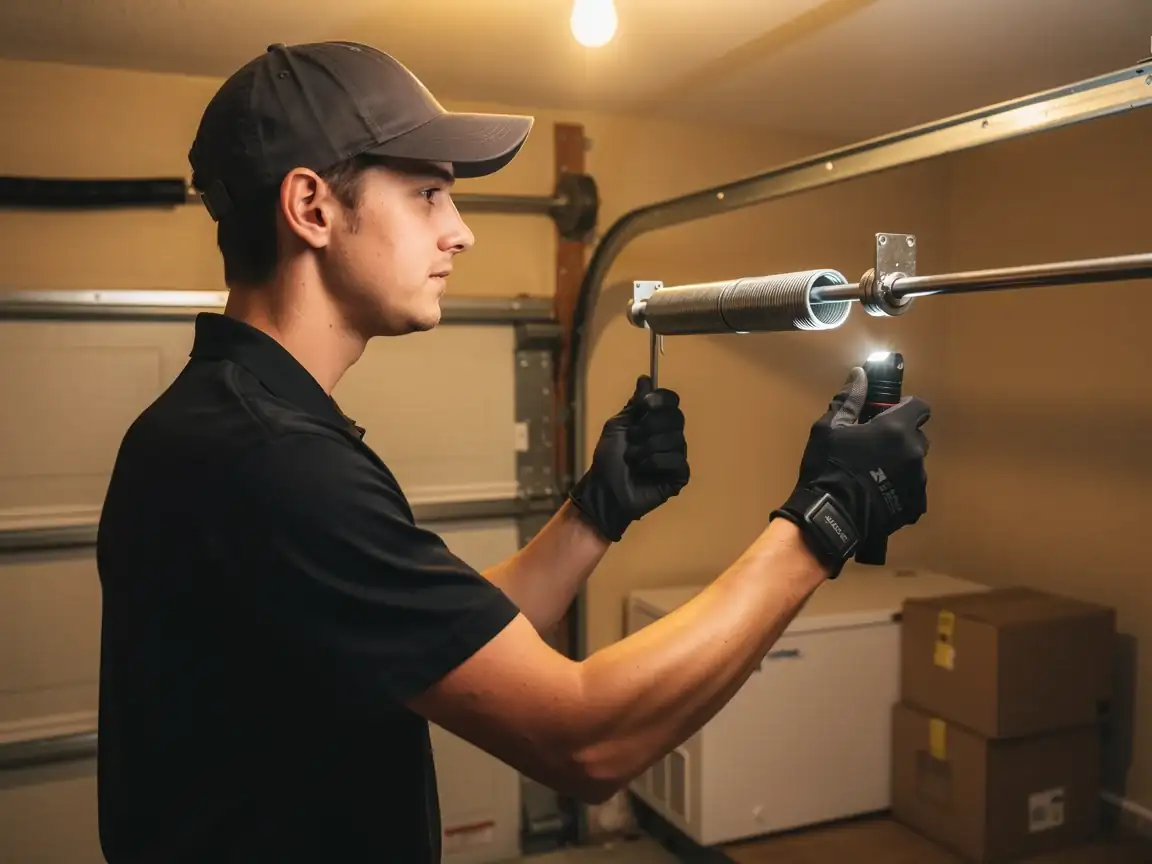
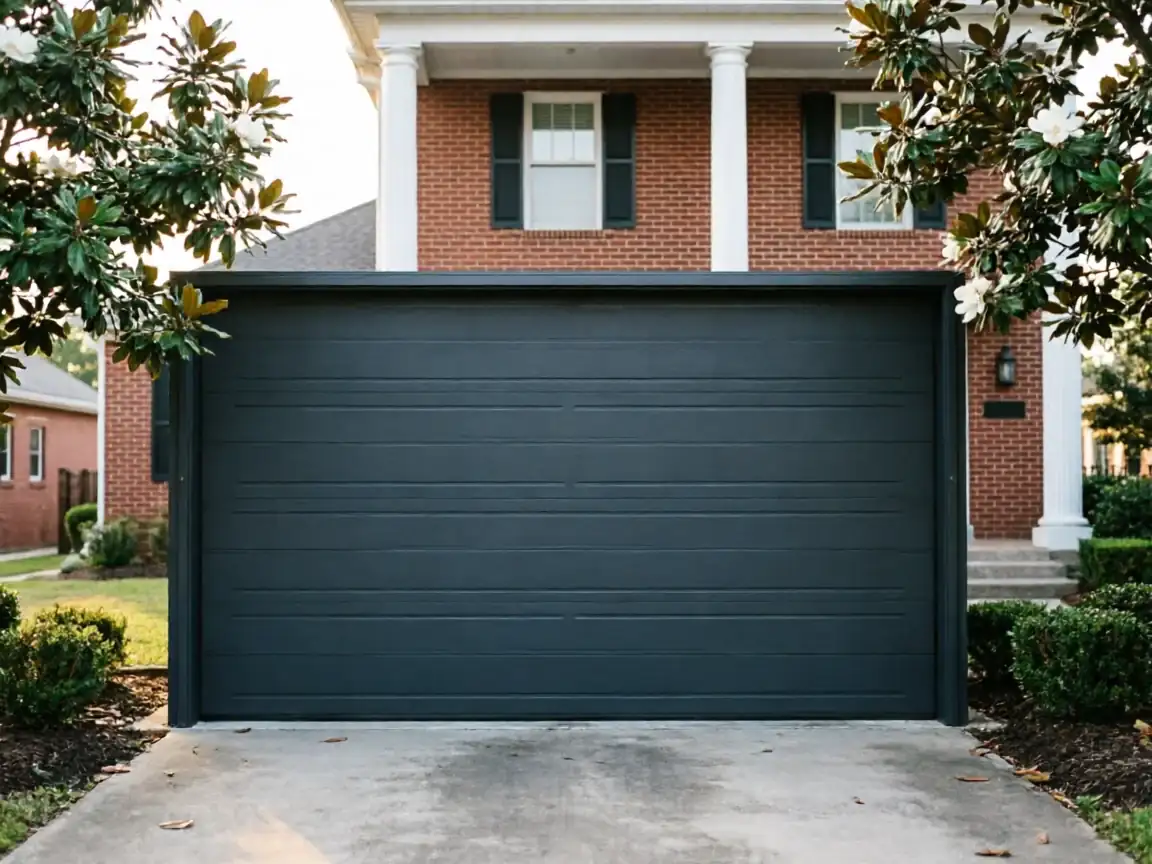
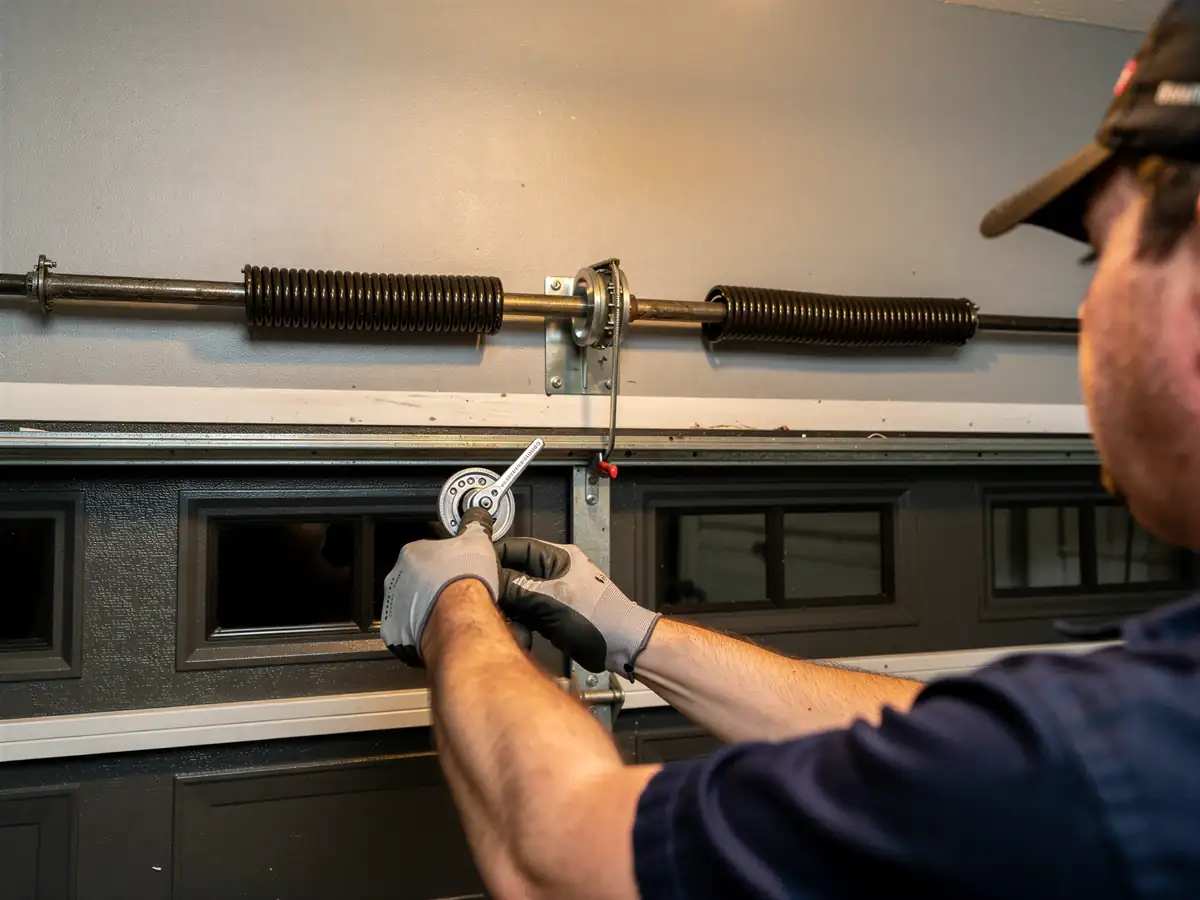
Across the wider service area, homes run from 1954 up through 2005 with a median around 1979, so Bon Air sits almost dead center of that range. That matters because the track hardware and spring sizing changed more than once in that window. We measure the opening, check the header depth, and spec torsion springs to the actual door weight rather than guessing off a chart built for new construction. For insulated steel doors we size the R-value to a cold-moderate climate, not a mild one - a door that's fine in Virginia Beach can sweat and warp here over a winter.
We don't install doors we haven't measured in person first. Phone quotes on a install this old are a guess, and we don't sell guesses.
Where This Job Goes Sideways
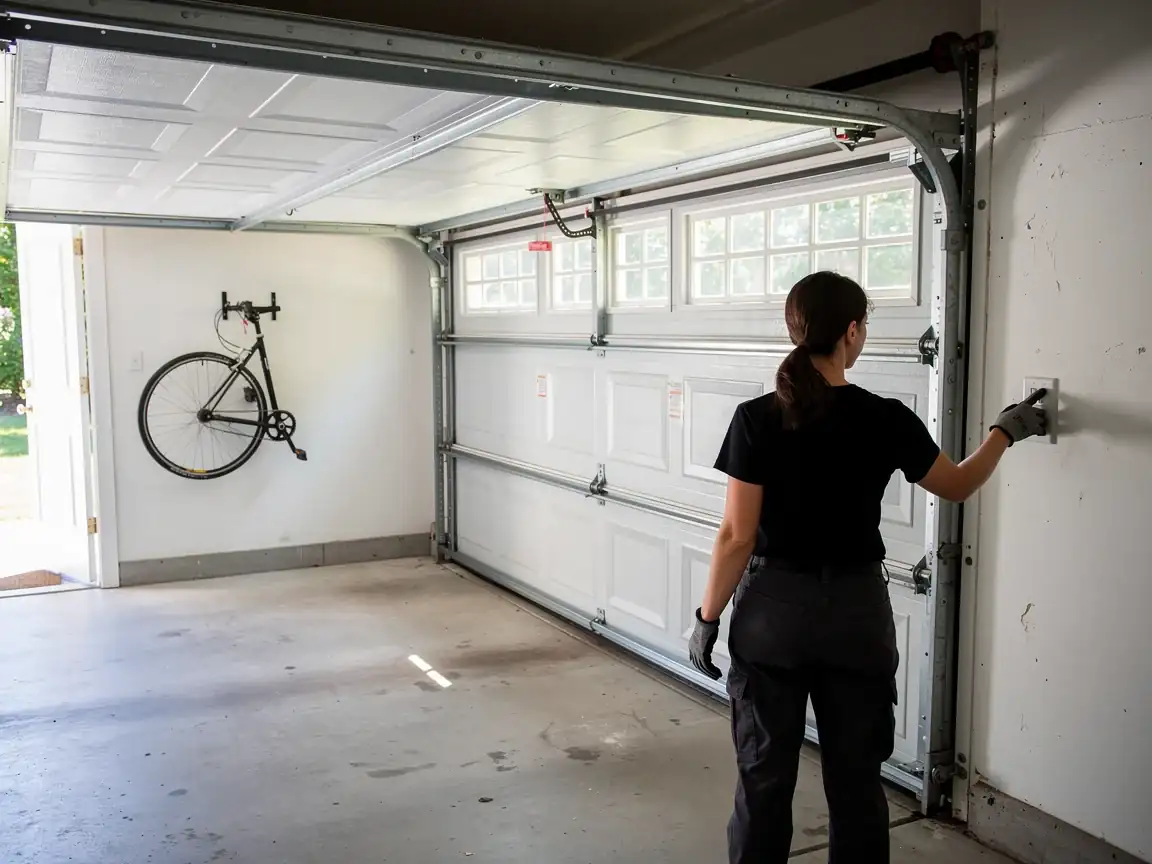
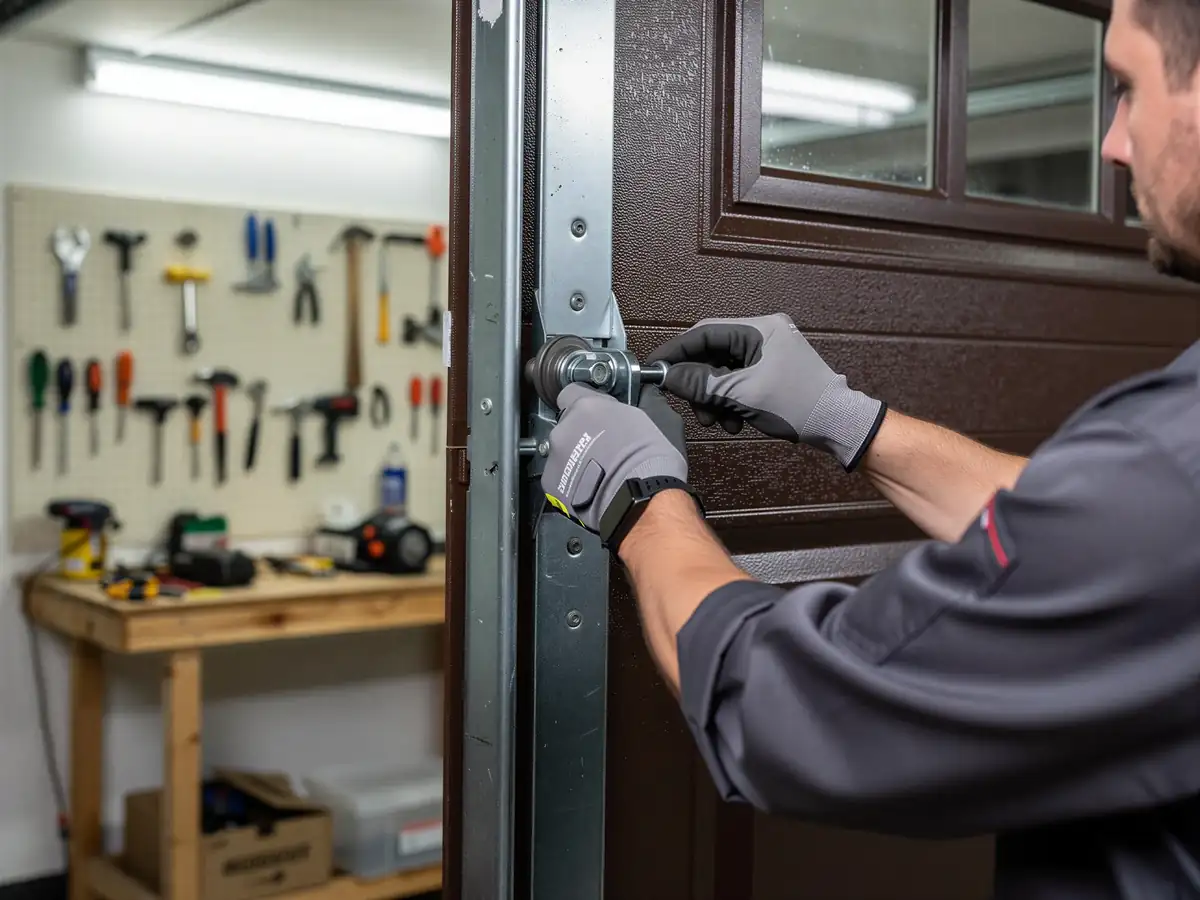
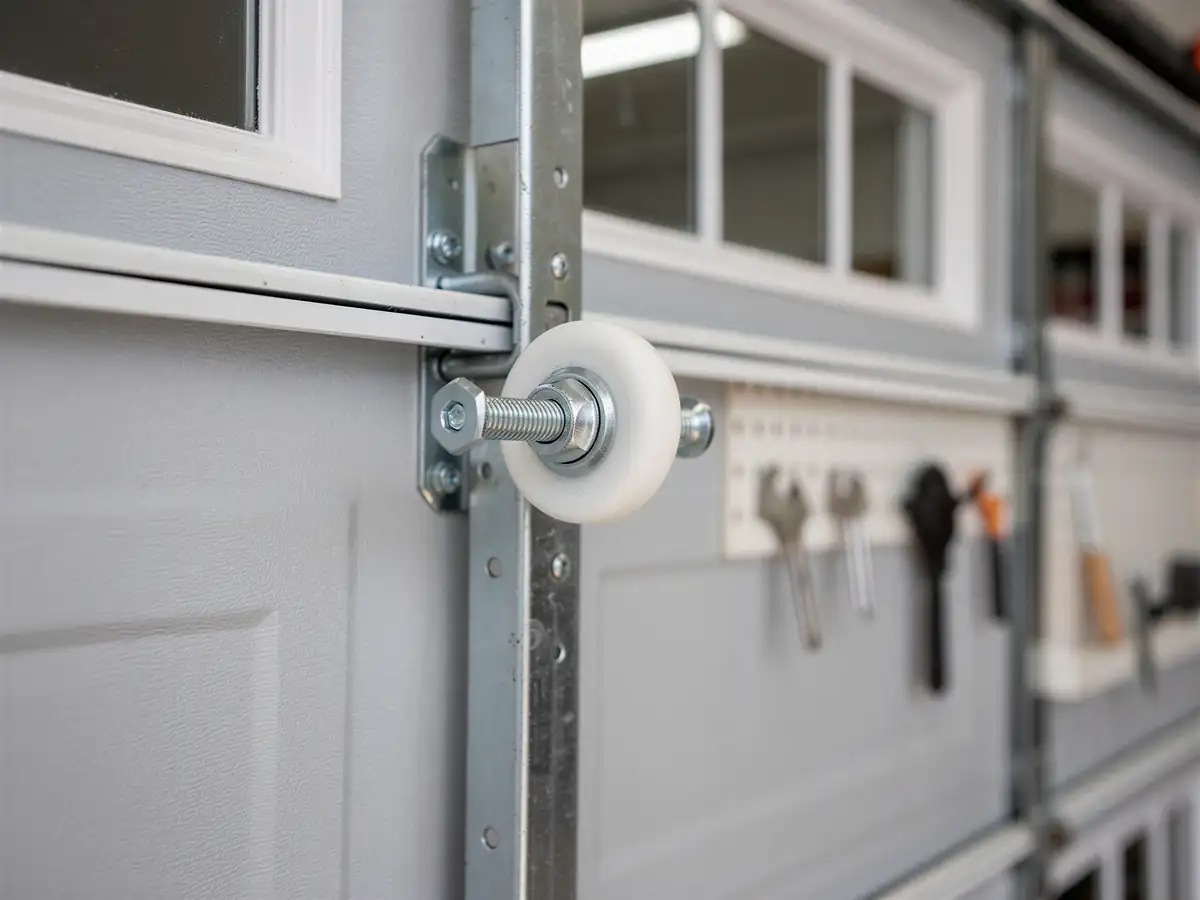
The usual failure point on a mid-70s opening is the vertical track clearance. Builders from that period often left less side room than current code assumes, and a wider double door - the kind homeowners want now for two-car garages - can clip the clearance by an inch or two. We catch that at the measure, not at delivery.
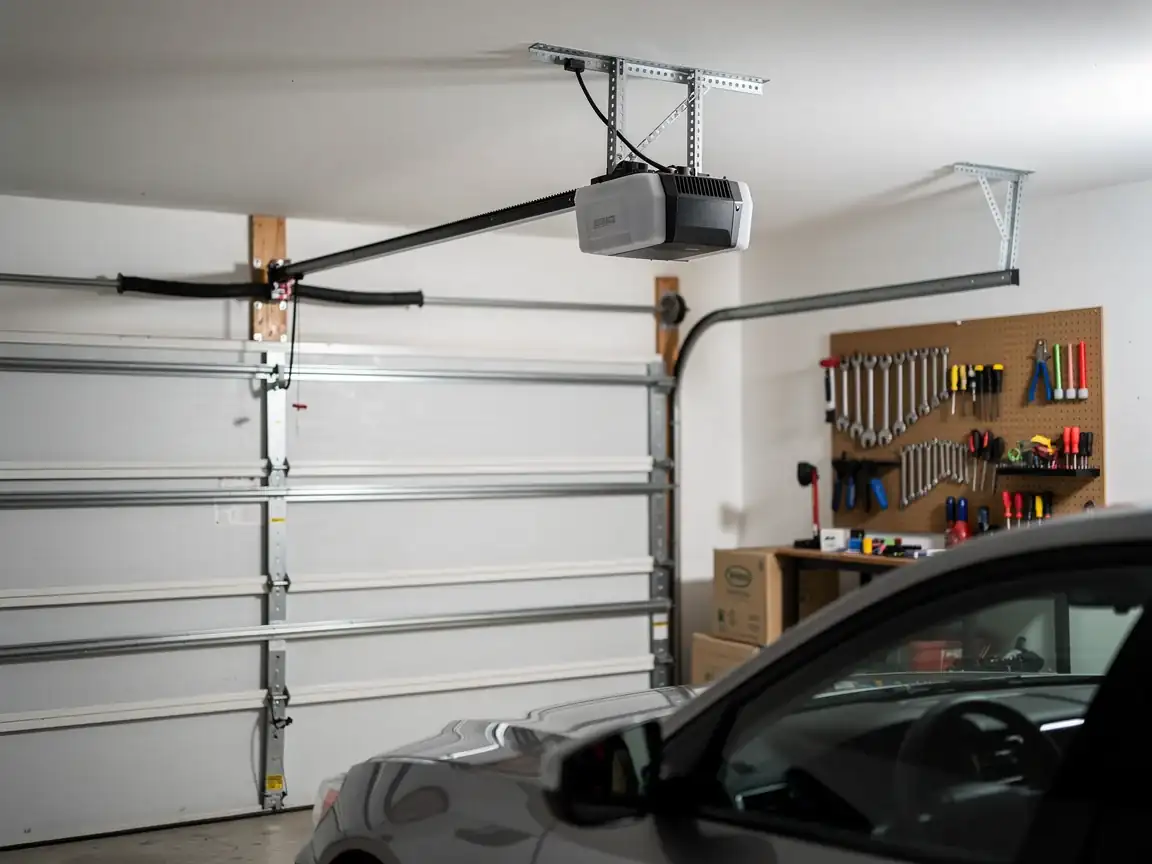
The second thing that trips up a Bon Air install is the opener circuit. Houses from 1975 weren't wired with a dedicated outlet in the garage ceiling as a rule, and running one now is an electrician's job, not ours - we'll tell you plainly if that's what your install needs before we quote the door.
The honest limitation here: if your framing has settled or shifted over fifty years, which happens, we may need to shim or rebuild part of the jamb before a new door will seal right. That's extra labor we can't price until we're standing in the opening. We'd rather tell you that up front than hand you a change order after the old door's already off the hinges.
What Causes It Around Here
Bon Air sits about five miles from our Midlothian shop
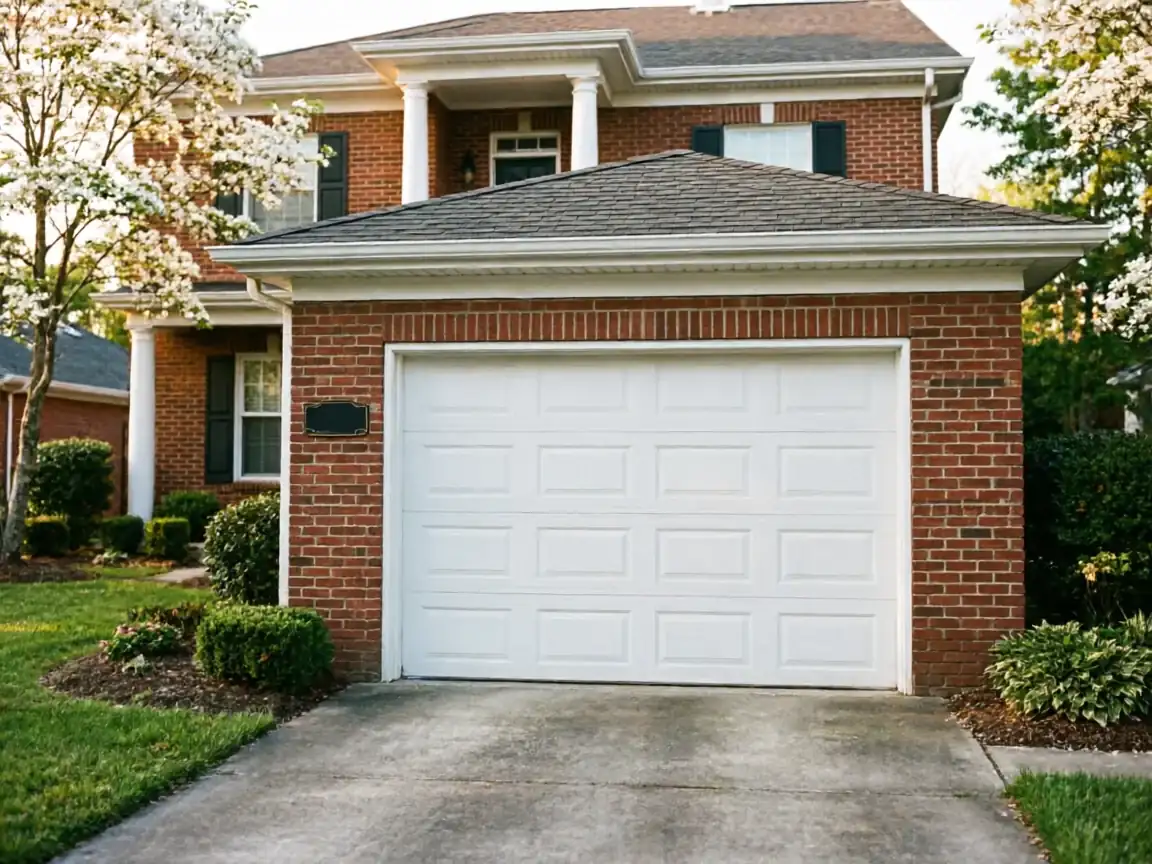
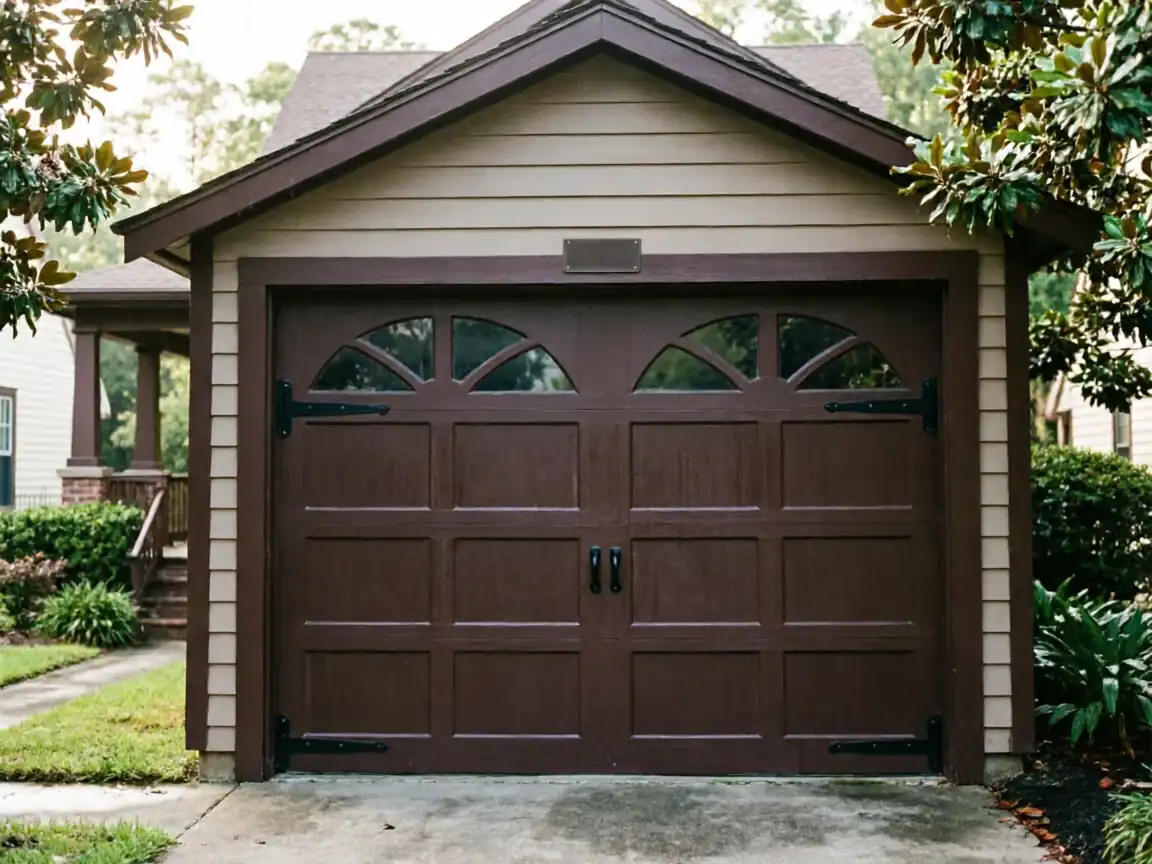
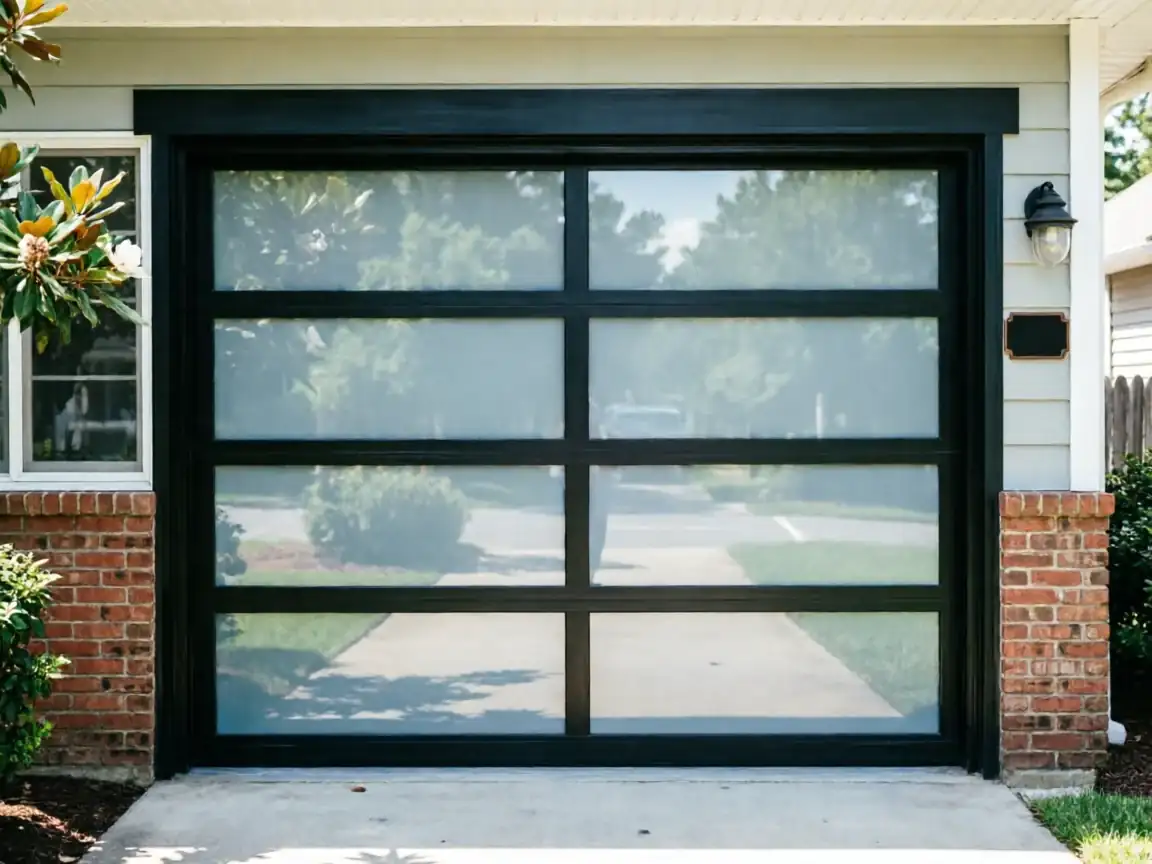
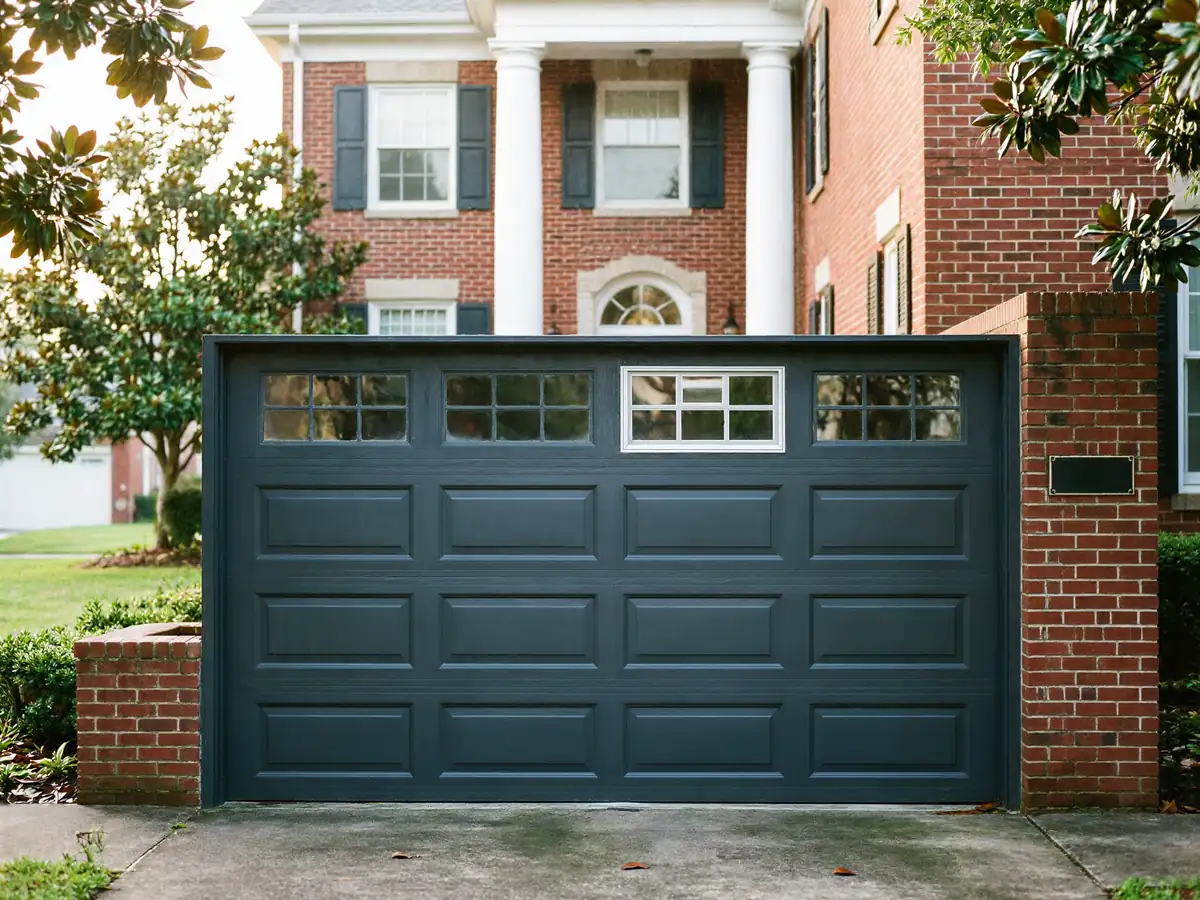
Close enough that a measure visit and the install itself are usually the same trip. Household income here runs noticeably higher than the service area average - about $97,620 against roughly $69,917 across the wider territory - and that shows up in what people ask for: insulated steel or composite doors with window inserts, quieter belt-drive openers, and finish work that matches the house rather than the cheapest door on the lot.
The climate is the other driver
We're in a cold-moderate band here, which means an uninsulated single-layer door isn't just a comfort problem, it's a condensation problem - moisture collects on the inside skin in winter and starts rusting the bottom panel from the inside out. On a 1975 house that's already carried one door its whole life, that's usually the actual reason the old one is failing, not the opener or the springs people blame first.
With about 6,929 households in Bon Air itself
Smaller than some of the other towns we cover, we don't see huge day-to-day volume here, but the work is consistent - replacement, not repair, tends to be the call once a door's original to the house.
- 6,929 households
Getting It Booked In
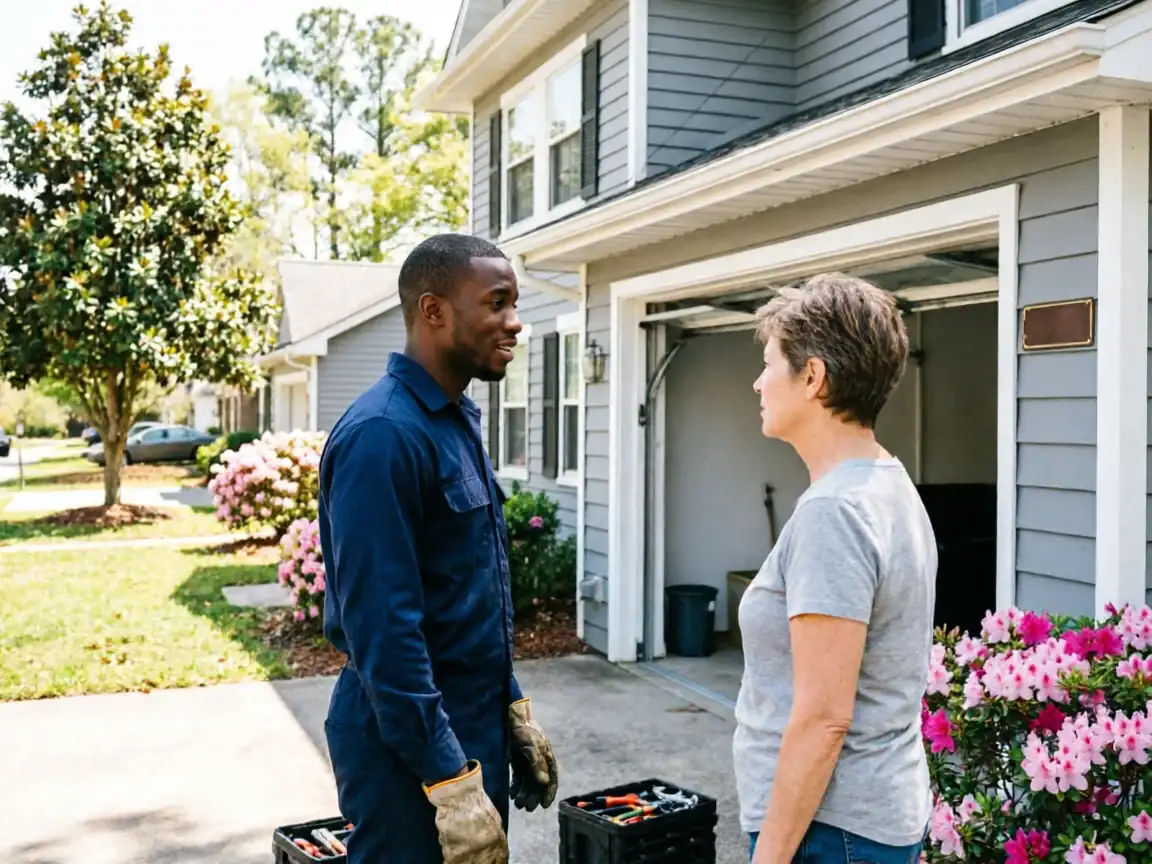
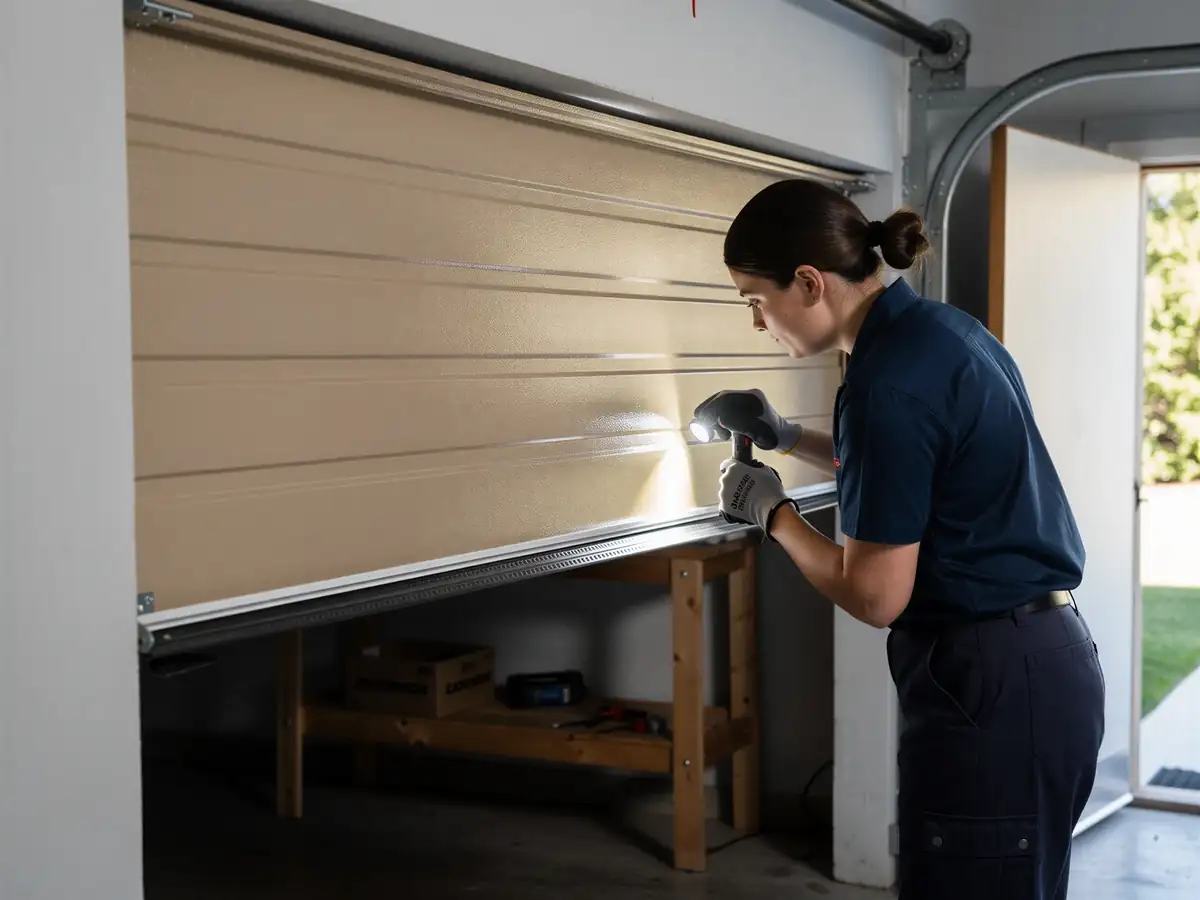
We run this job out of Midlothian, about five miles off, so there's no separate Bon Air crew or depot - just the same team making the short drive over. We measure the opening on site before quoting, because on houses this age a tape measure beats a guess every time.
If you're also weighing repair against full replacement, or want to see the rest of what we do out of Midlothian, that's covered on our main installation page rather than here - this one's about the new-door job specifically.
For general service area details, our areas page covers Bon Air alongside the other towns we work in.