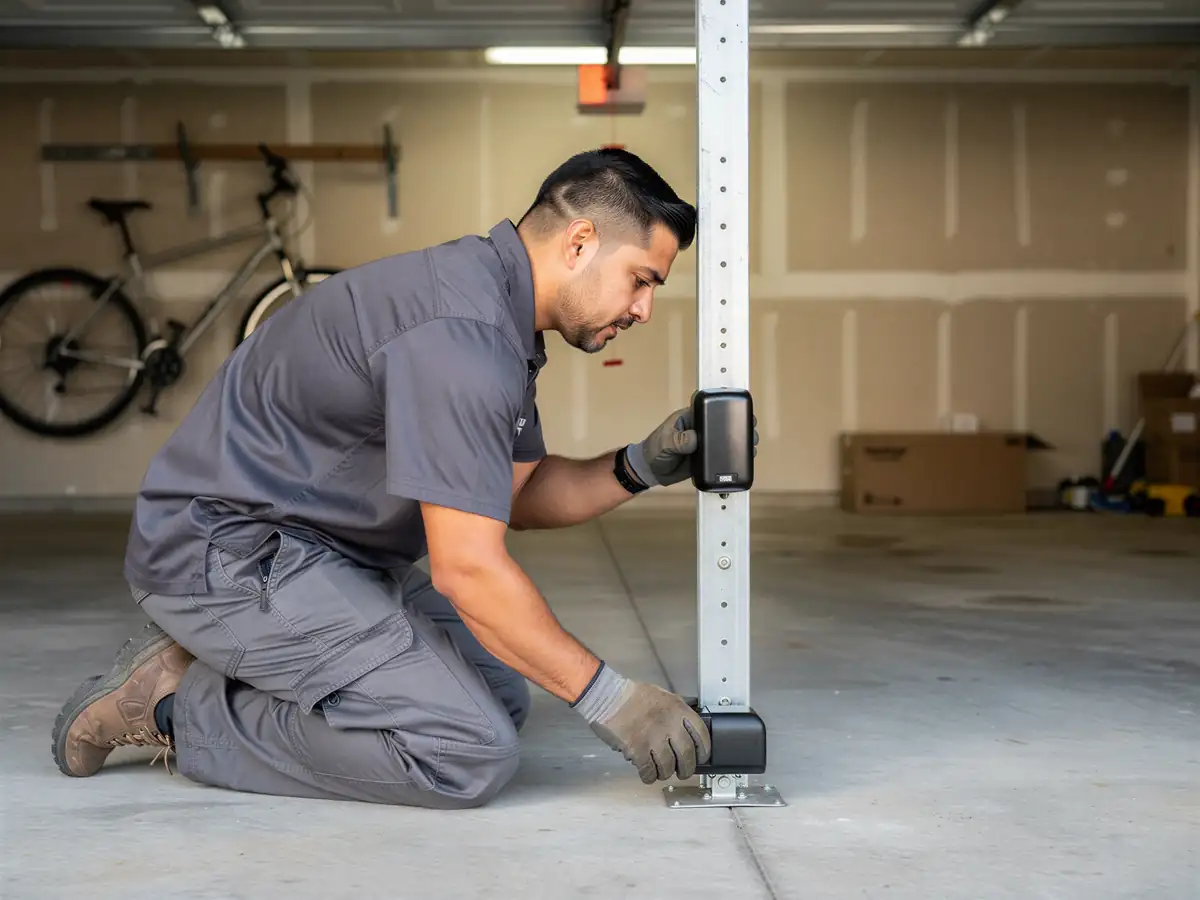
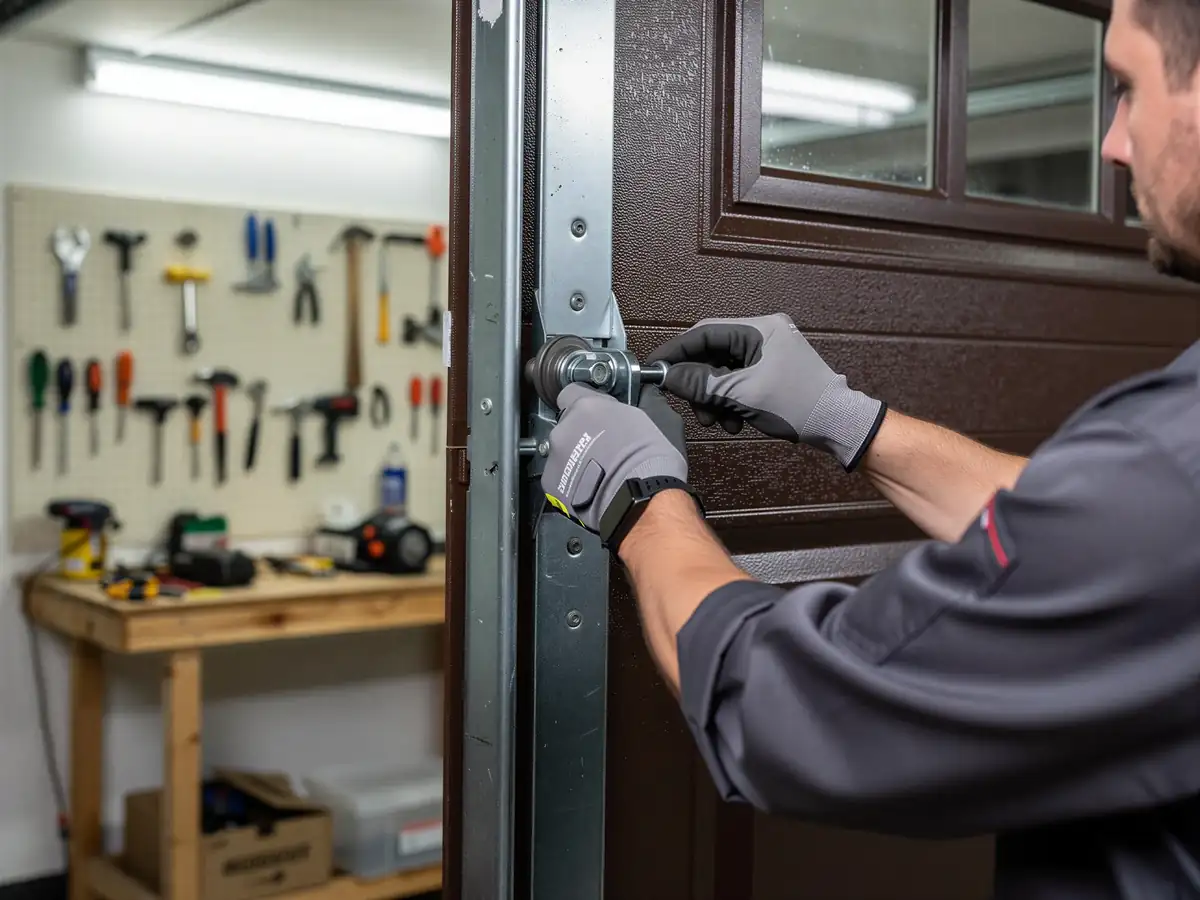
How We Fix It
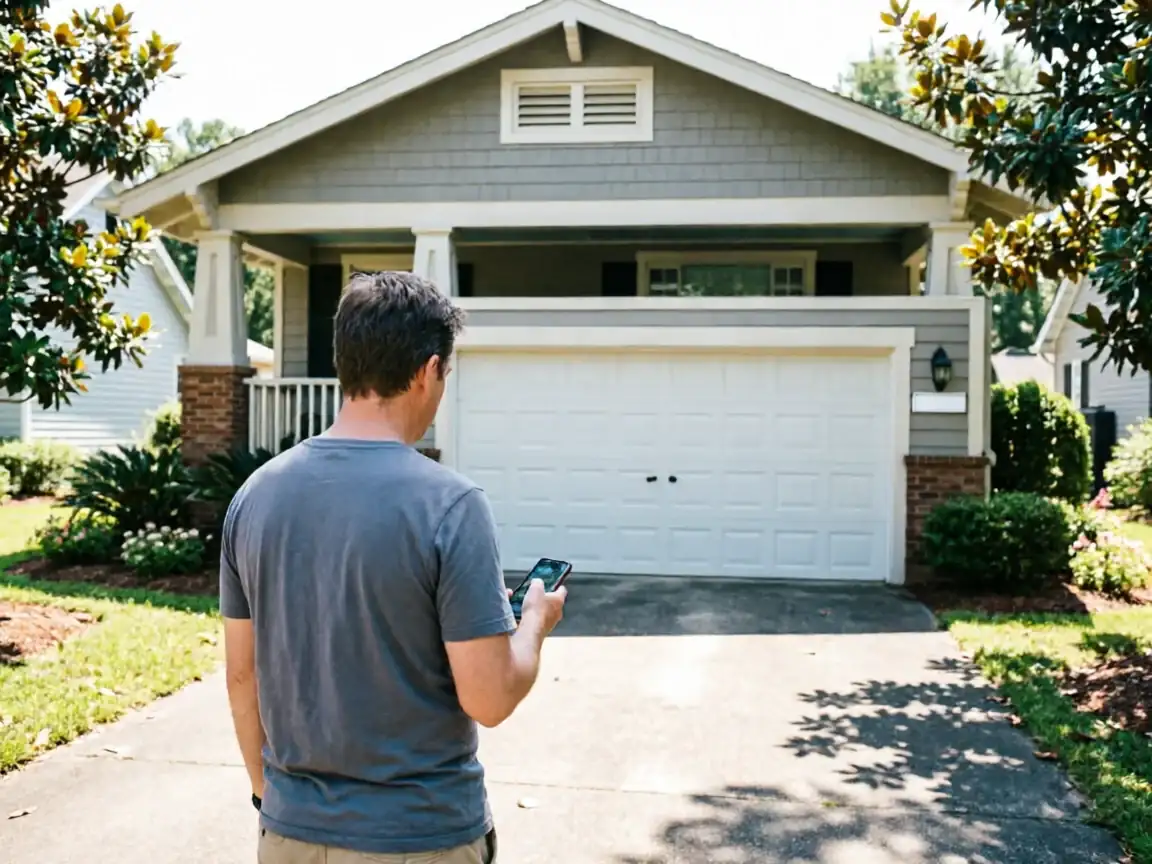
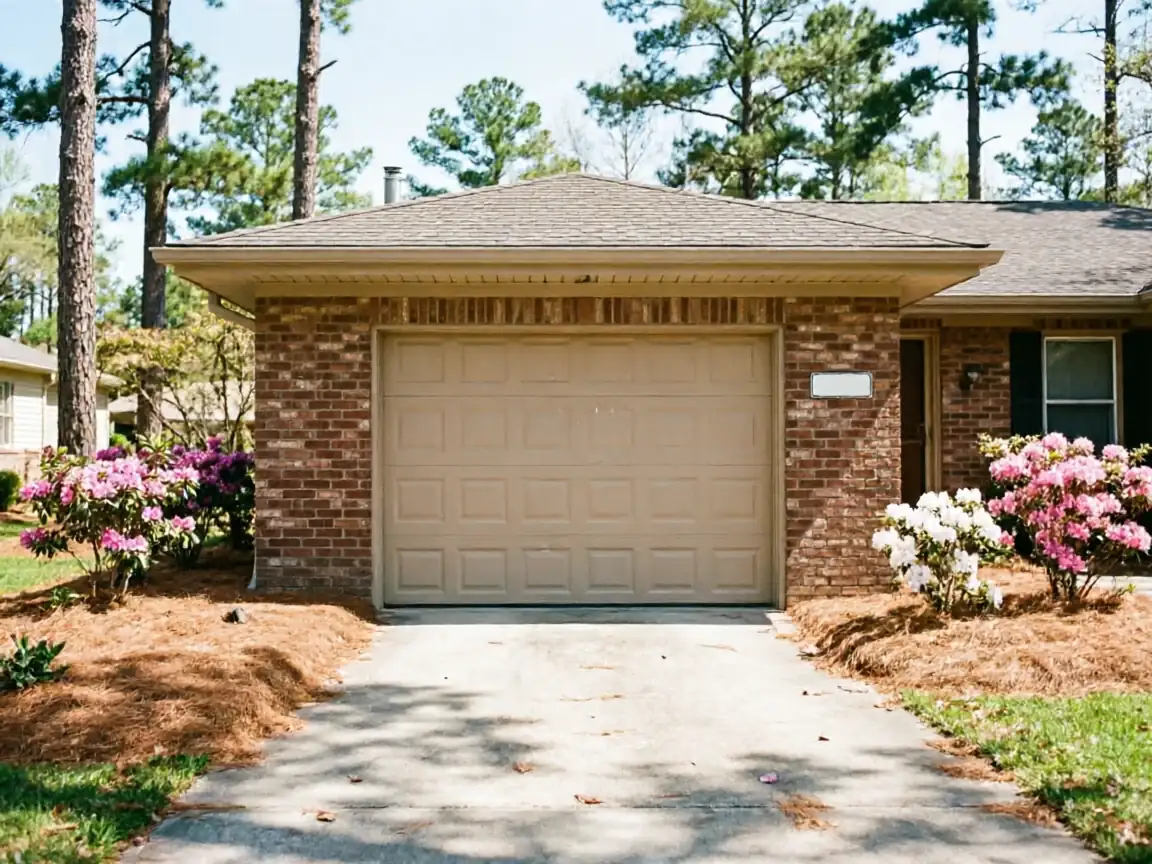
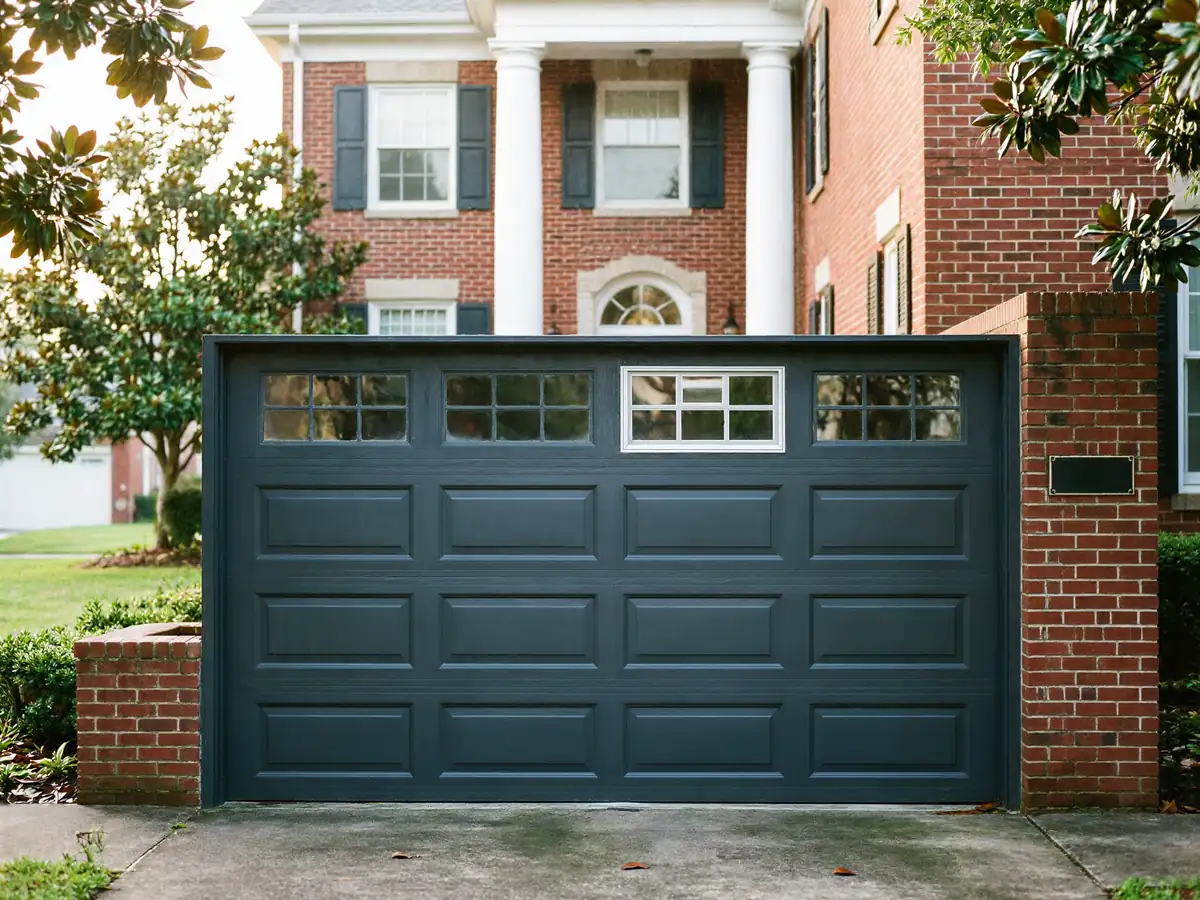
A door that came off track in Bon Air is usually a single-layer steel door hung sometime in the 1970s, when most of this area went up. Those doors run 16 feet wide for a two-car opening or 9 feet for a single, and the track system that came with them is lighter gauge than what gets installed today. The roller pops out of the vertical track at the bend where it meets the horizontal section, or the whole bottom panel walks sideways because a bracket worked loose over the decades.
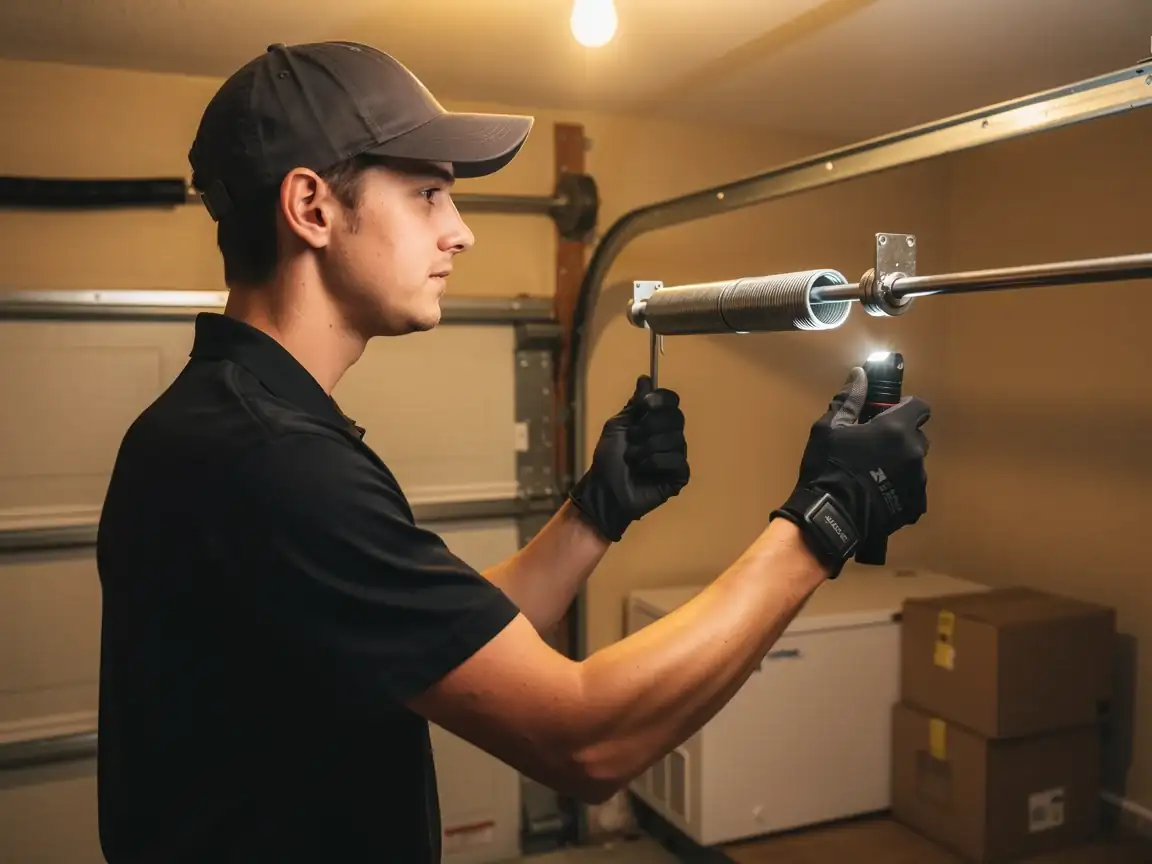
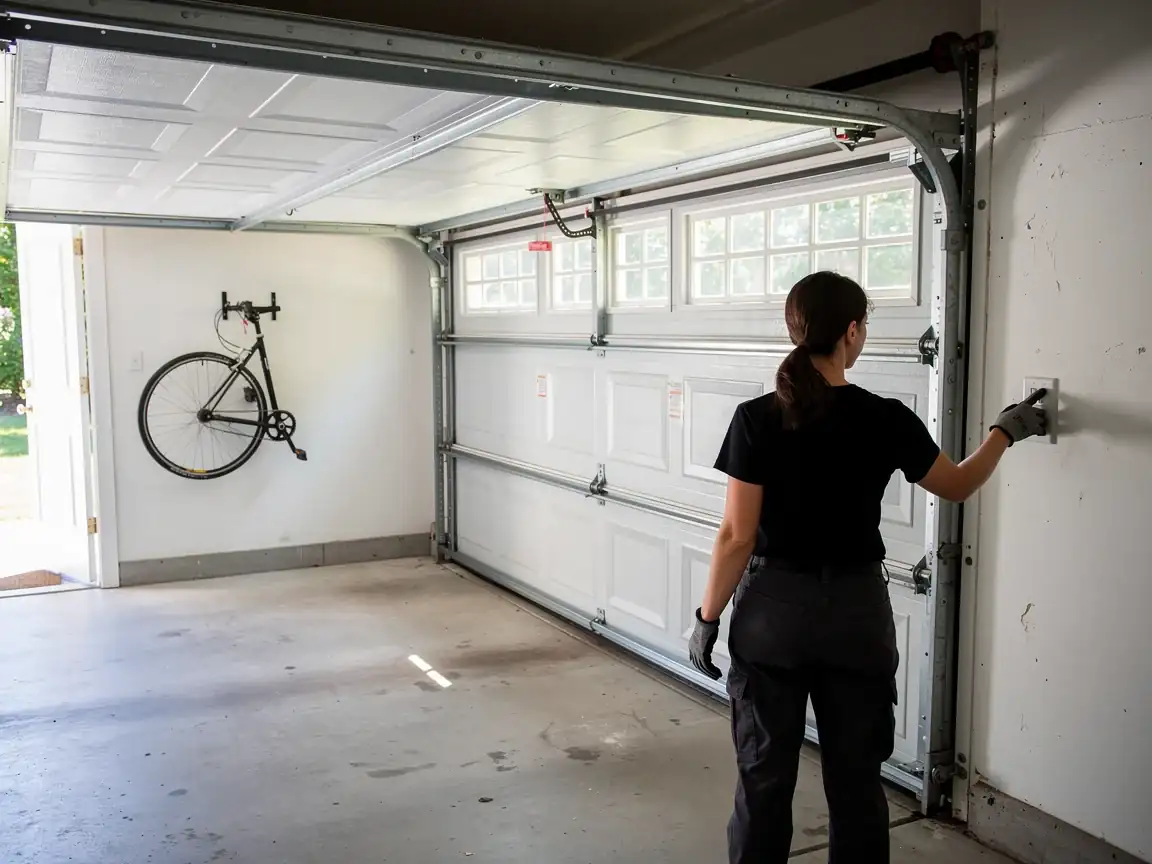
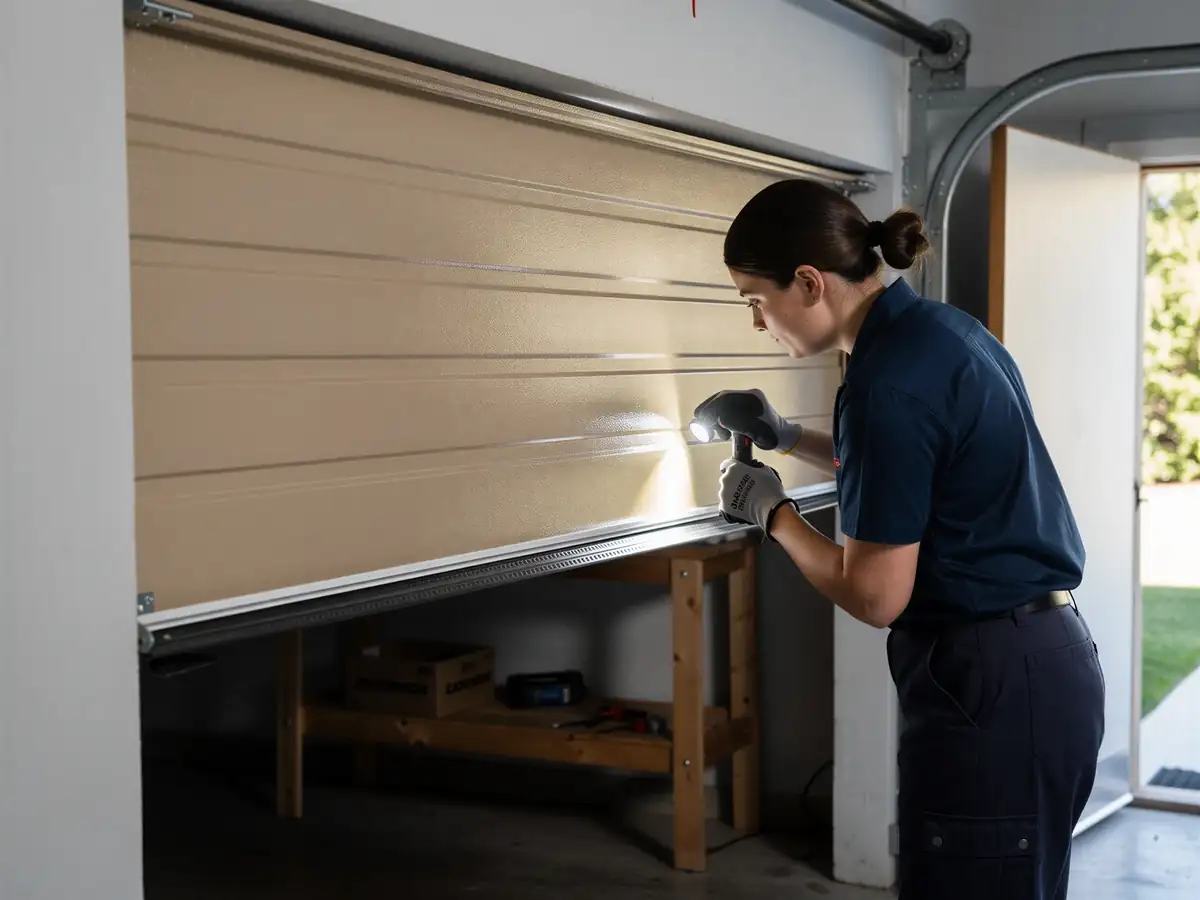
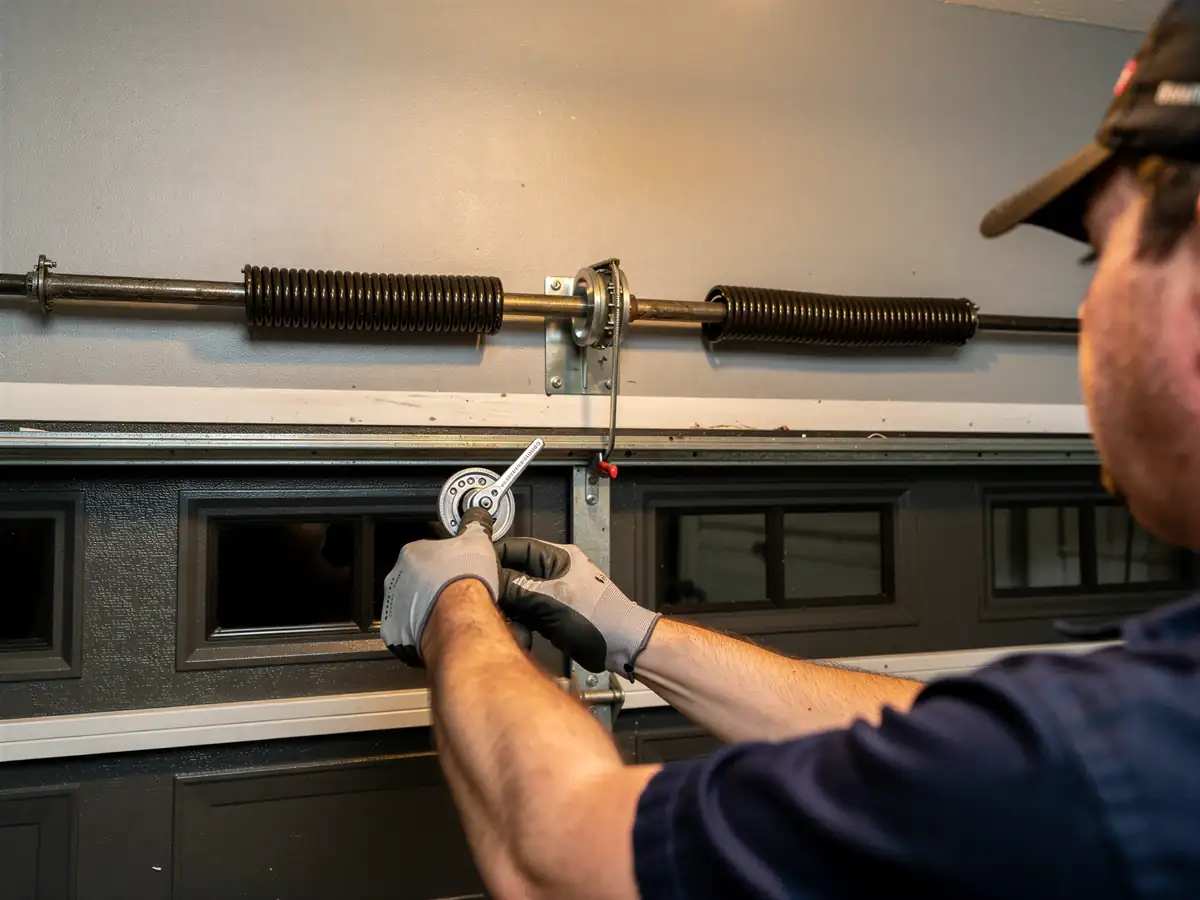
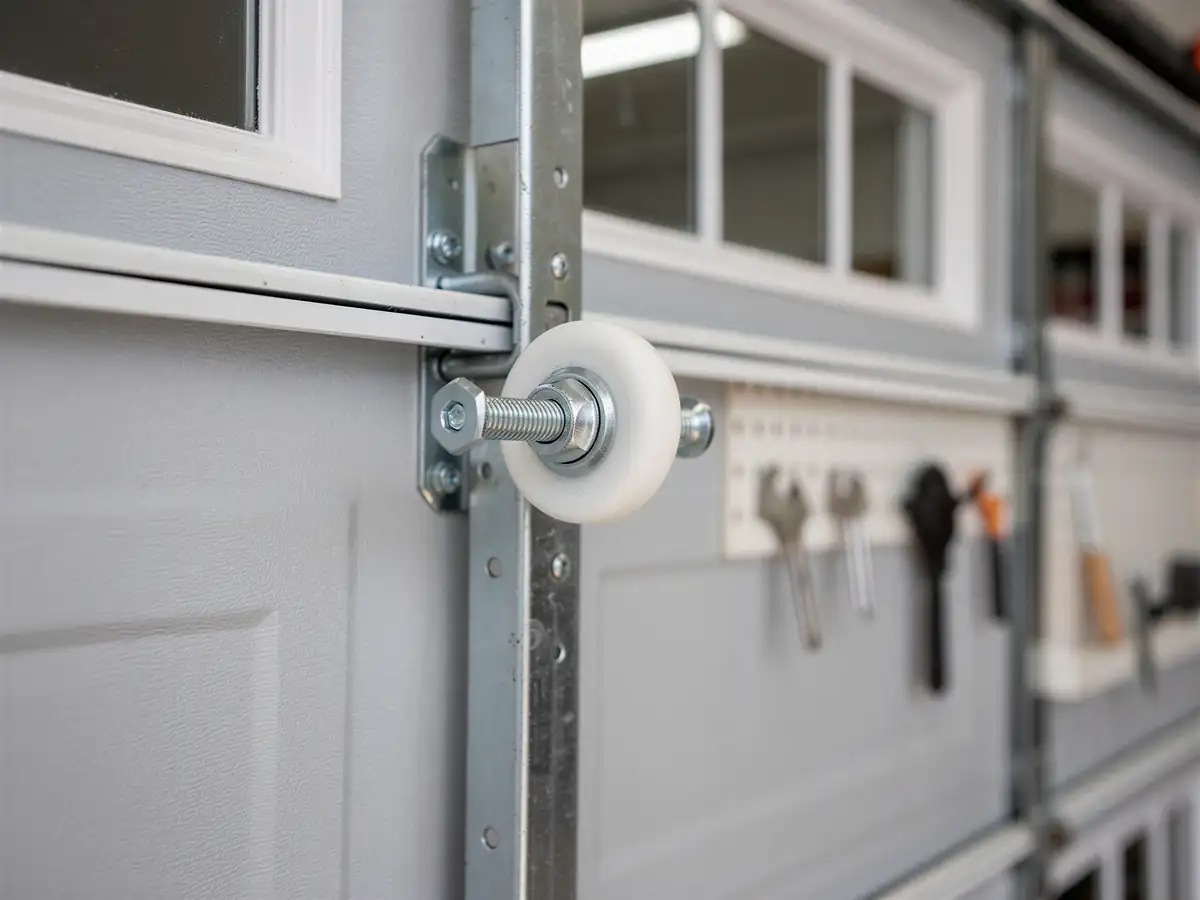
We start by checking whether the door is actually off the track or just binding against it, because those look the same from the driveway and get fixed differently. If it's a true derailment, we release spring tension first, work the rollers back into the channel by hand, and check every bracket along both tracks before we call it done. If the track itself is bent, which is common once a door has jumped it once, we straighten or replace that section rather than force the rollers back into a track that will throw them again in a month.
We don't force a bent door back into square and call it fixed. If the panel's warped badly enough that it won't sit flat once it's back on track, patching it is a short-term fix at best, and we'll tell you that instead of charging you twice.
Where This Job Goes Sideways
The trouble with a house built around 1975, which covers most of Bon Air, is that the hardware has had fifty years to loosen without anyone noticing. A track bracket that's been working its way free since the Ford administration doesn't announce itself until the day the door jumps the rail entirely. By then the rollers are often worn down to a shape that won't hold the track even after you reset them, so part of this job is usually a roller swap, not just a reset.
The other complication is the spring side. A door this old was likely rebuilt once or twice already, sometimes with parts that don't quite match the original track spacing. When that mismatch exists, the door can look fine sitting still and still jump track every time it cycles, because the rollers are riding at a slight angle nobody can see without pulling the door down and sighting along the rail. We check for that mismatch before we touch anything else, because resetting the rollers without fixing the spacing just means a repeat call.
What Causes It Around Here
Across the wider service area, housing runs from 1954 up through 2005
But the 1975 median for Bon Air puts most of these doors and their track squarely in that older half. A door and track system built then wasn't engineered for the openers people run today, which cycle a door more times in a week than the original hardware ever saw in a year. That extra cycling is what finally works a bracket loose or wears a roller down to the point it can't stay seated.
Cold-weather swings play a role too
A steel track mounted in the 1970s will expand and contract with the season, and in a moderate cold climate like this one, that's decades of small movement adding up. None of it shows on the outside. The door looks the same the day before it jumps the track as it did ten years earlier.
Getting It Booked In
We work out of Midlothian and cover Bon Air as part of the regular route, about 5 miles out, so there's no separate dispatch or local branch to wait on here. Bon Air's median household income runs higher than some of the surrounding areas, which doesn't change how we price the job, but it does mean we see more owners who want the hardware done right the first time rather than patched twice.
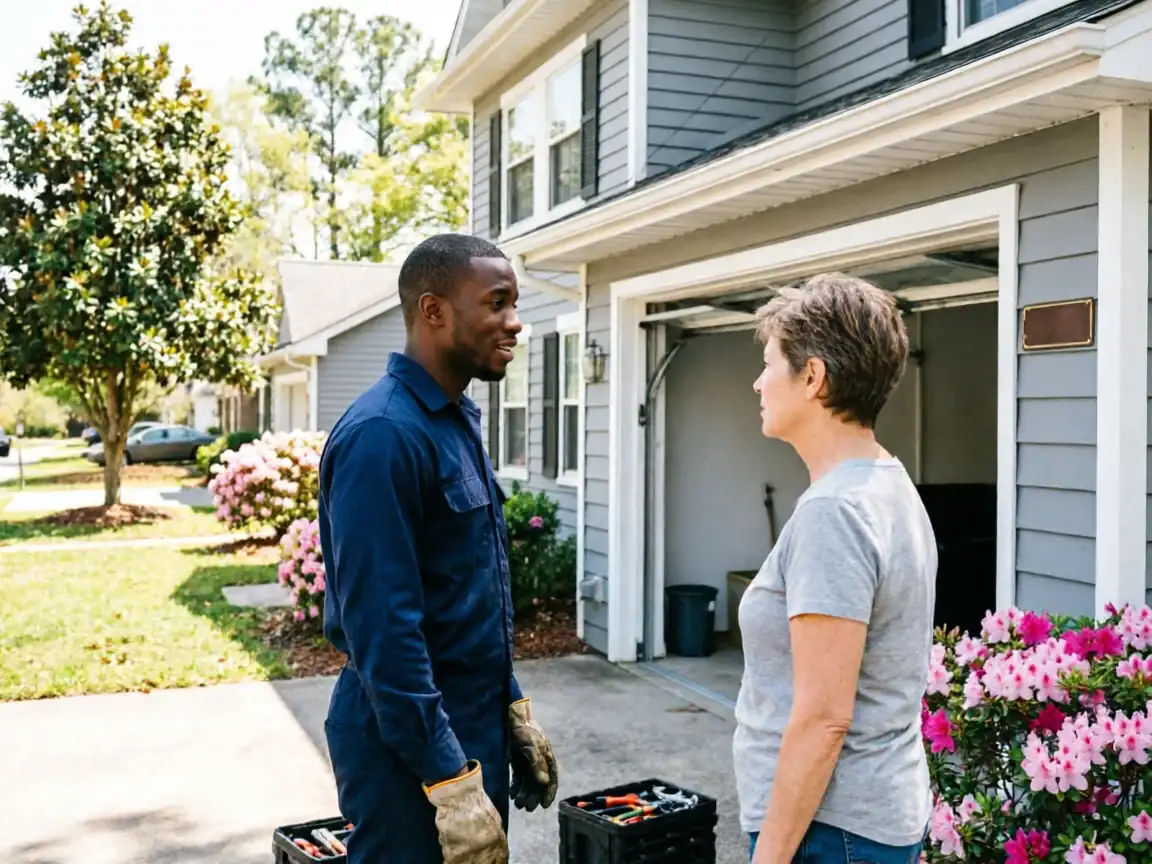
If your door's off the track, don't run the opener trying to force it back. That's the single fastest way to turn a bracket job into a bent track and a cracked panel. Leave it where it sits and call. If you're not sure whether it's off-track or just stuck, we can usually tell from a couple of questions over the phone before a truck ever leaves Midlothian.
For the rest of what we handle out of Midlothian, see our main service page, and for more on how we cover this part of the county, see the Bon Air area page.