How Long It Takes
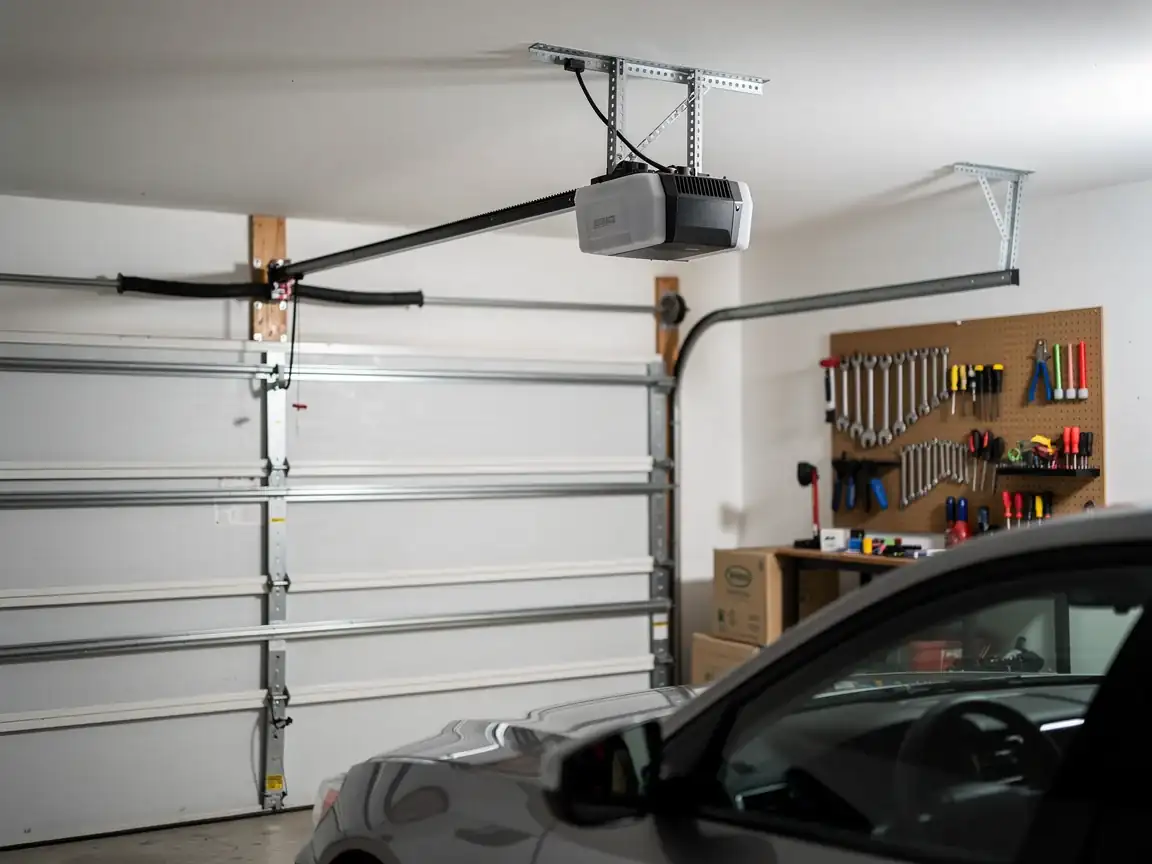
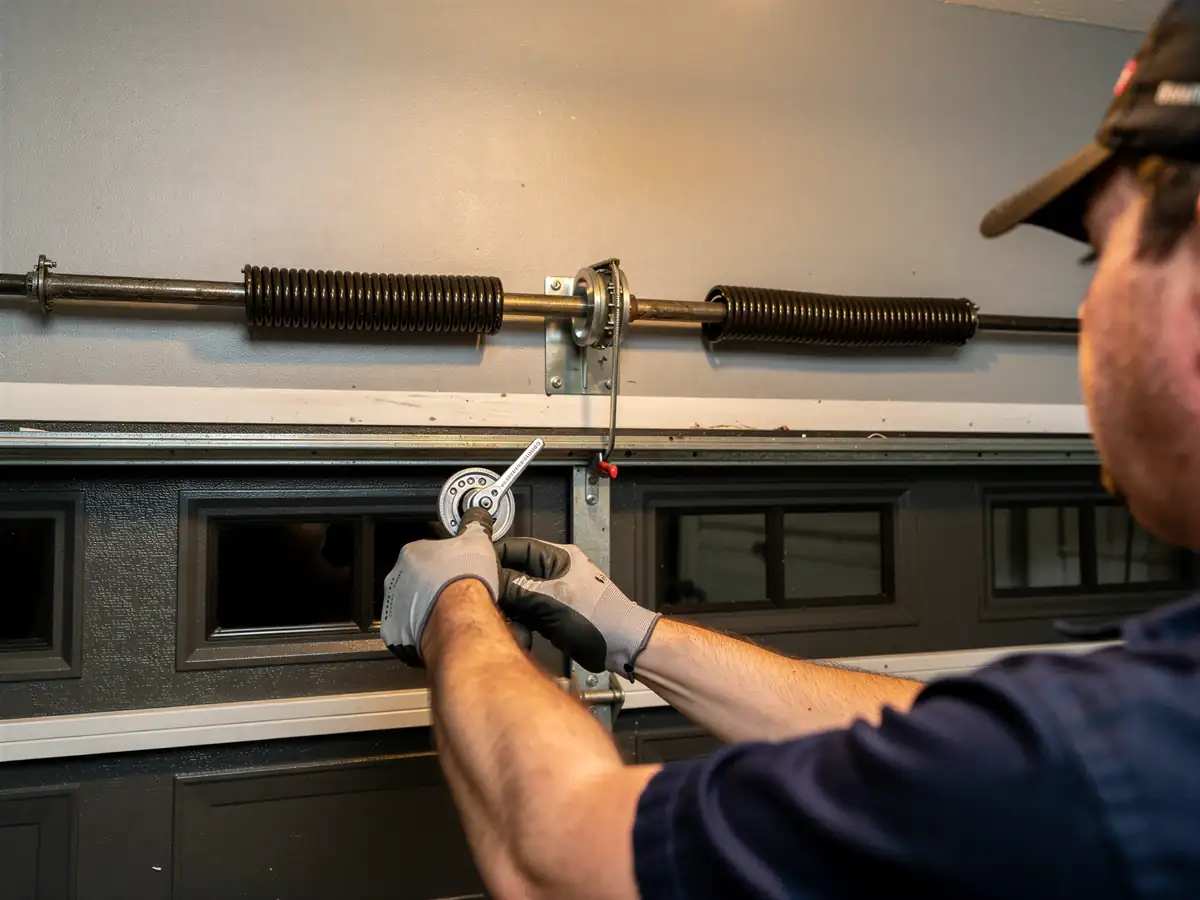
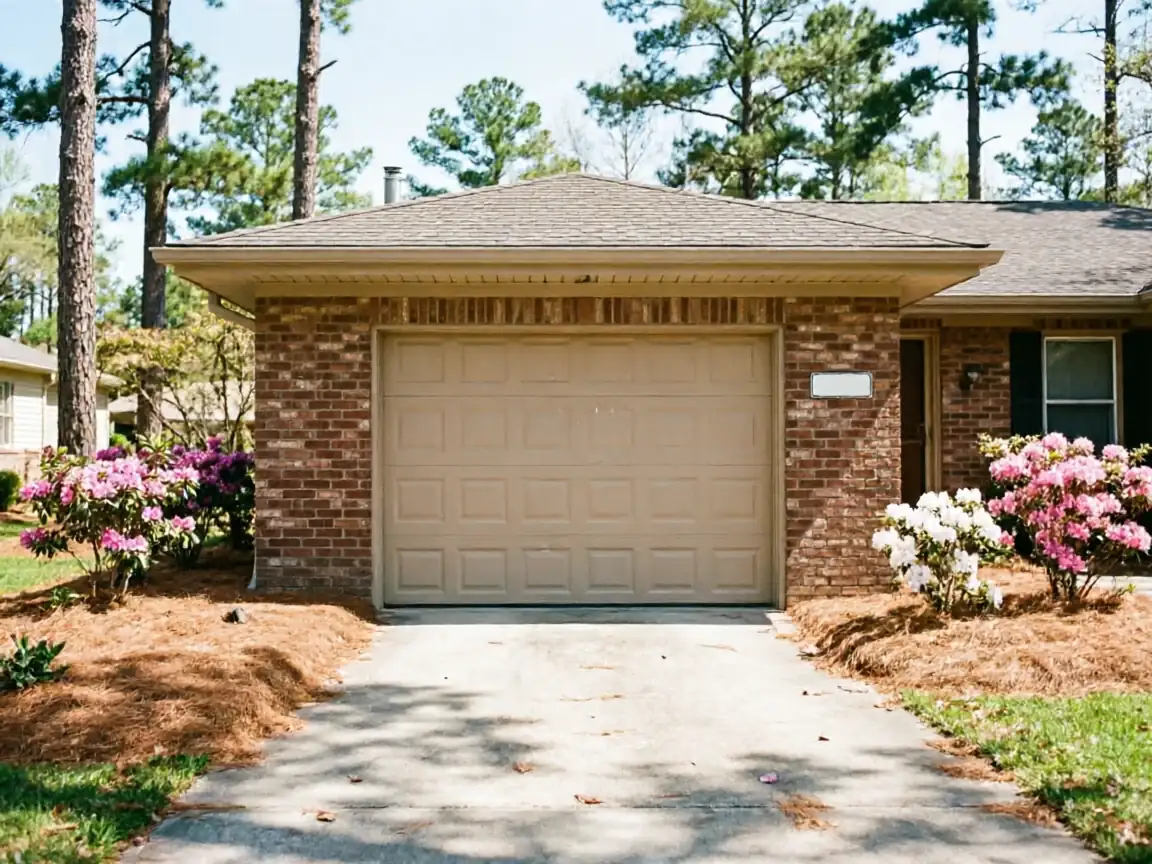
Brandermill's housing stock centers on 1987, which puts most of the neighborhood's original garage doors and openers at roughly 35 to 38 years old. That's past the end of life for almost every chain-drive opener sold in that era, and it's the point where extension springs - the kind that run alongside the horizontal track rather than the kind mounted overhead on a shaft - start snapping without warning. A straightforward spring or cable job here runs the same couple of hours it would anywhere, but we're coming from Midlothian, about 4 miles out, so the clock starts with the drive, not the diagnosis. We don't keep a branch in Brandermill itself. If a part isn't on the truck, that's a second trip, and we'll tell you that up front rather than guess.
Getting It Booked In
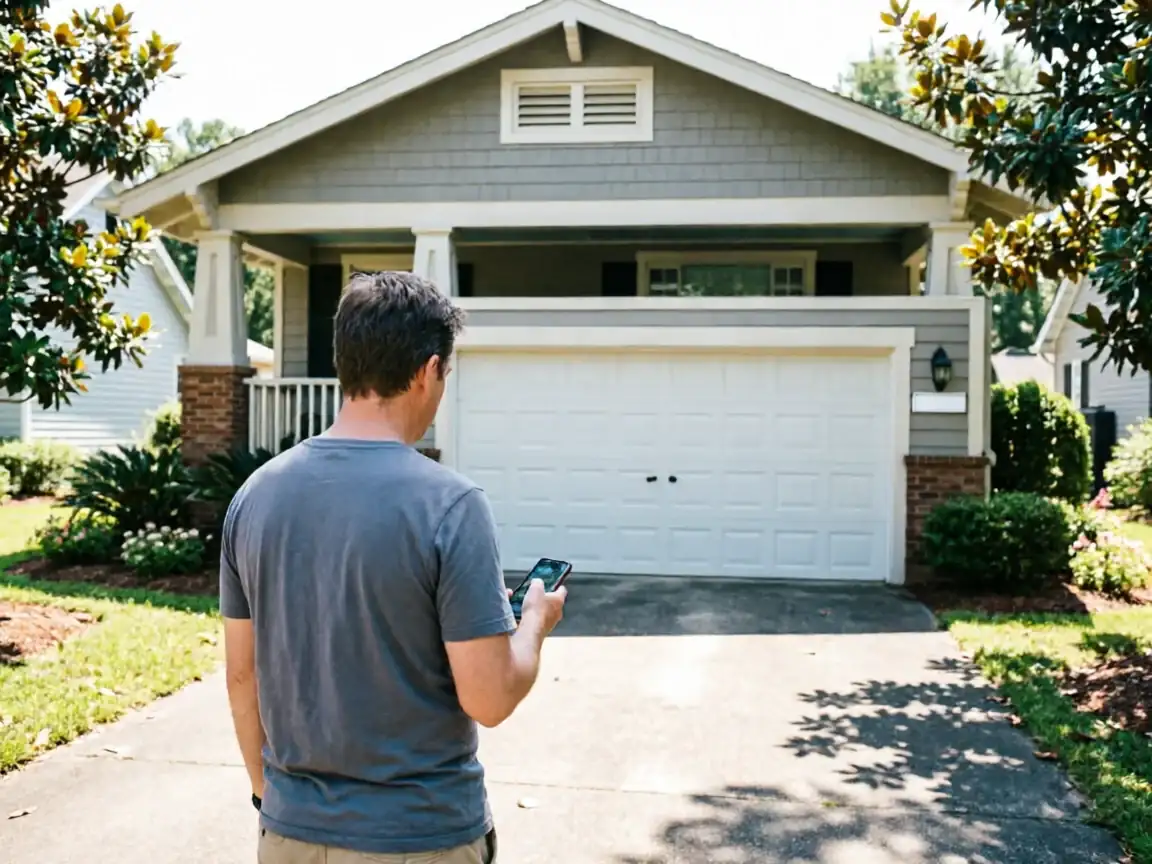
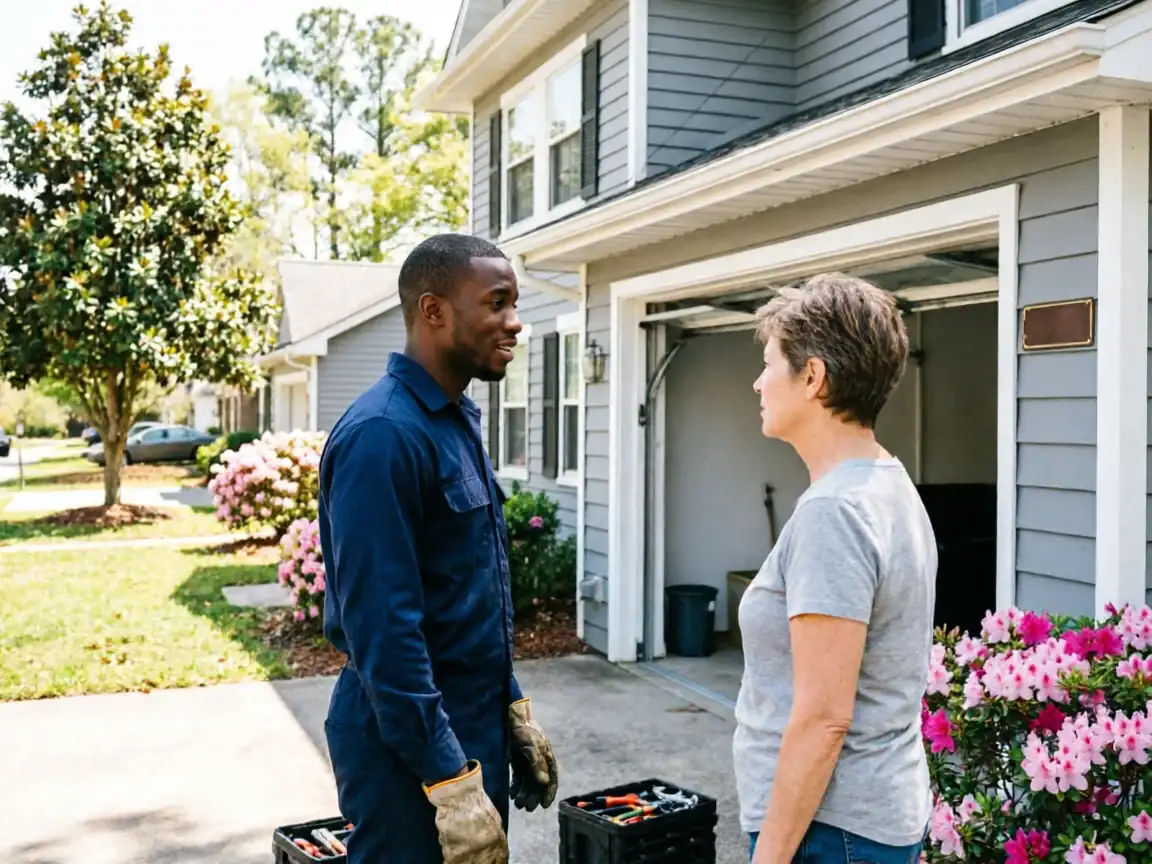
You call, you describe what the door's doing, and we figure out roughly what's involved before anyone drives the 4 miles out. For a neighborhood built mostly in one stretch - Brandermill's median year built is 1987 - a lot of the houses share the same opener brand and the same spring configuration, so a description over the phone usually narrows things down fast. With 5,685 households in the area and a median income of $107,748, we see a fair number of owners who'd rather replace an aging opener outright than keep nursing a 30-plus-year-old chain drive, and that's a conversation worth having before we book the visit, not after.
The Symptom
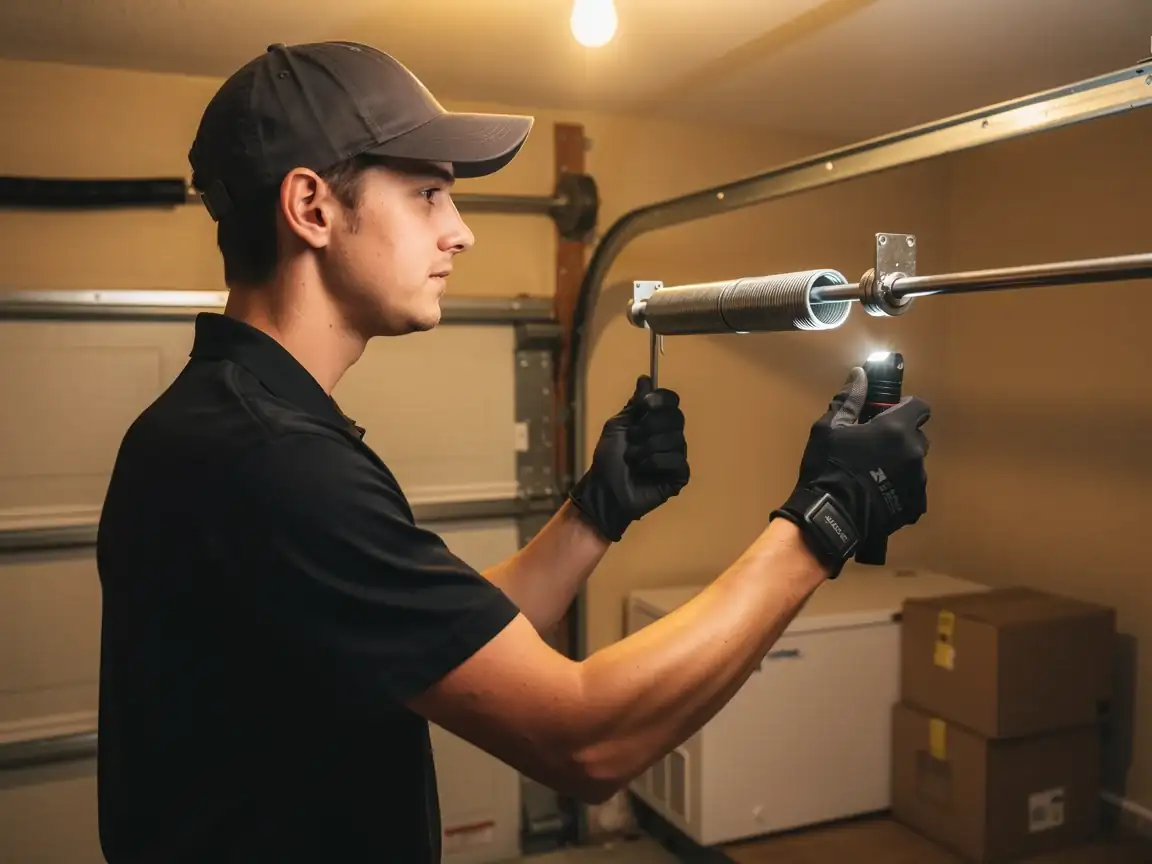
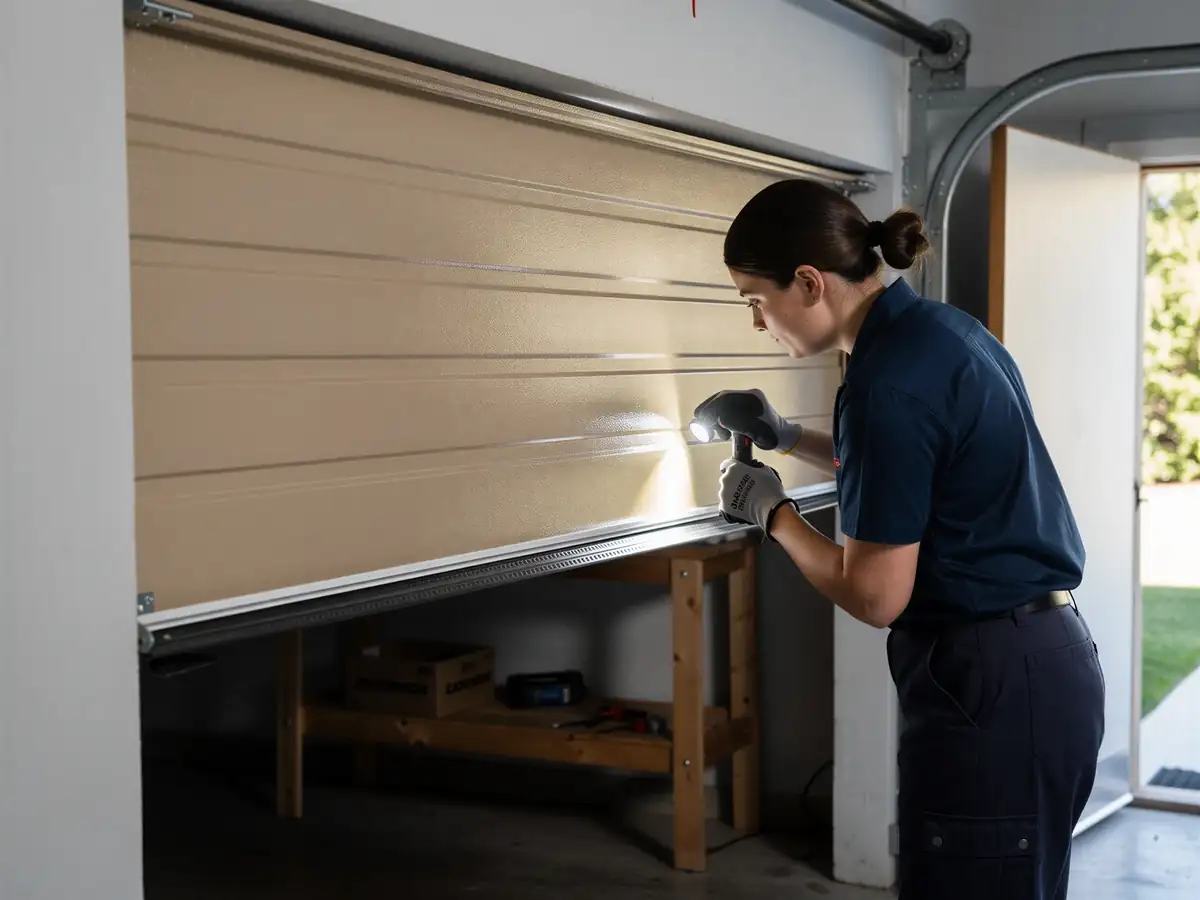
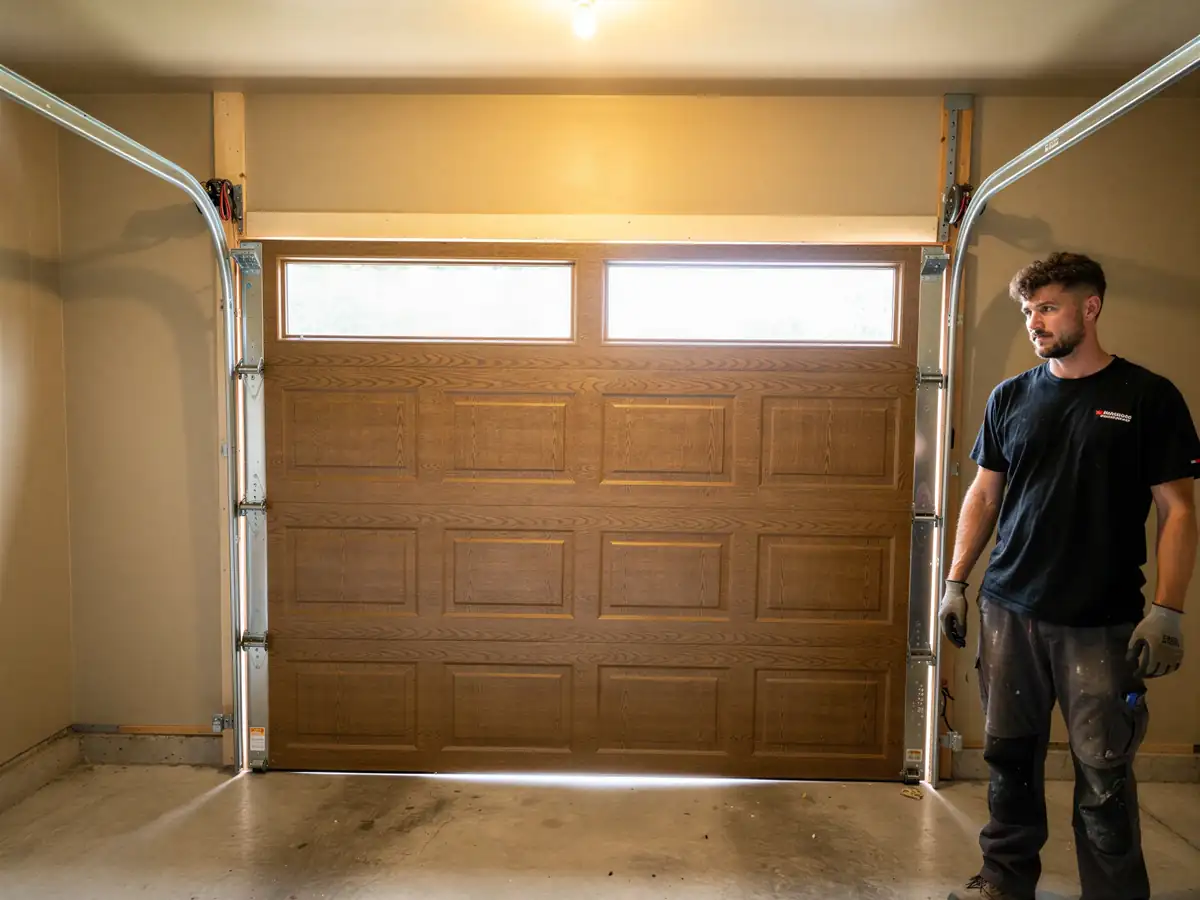
The most common call out of Brandermill is a door that drops suddenly on one side or won't lift past a foot off the floor. On a house from this build era, that's almost always a frayed or snapped extension spring, not the torsion spring people usually picture when they hear "garage door spring." The second most common symptom is a chain-drive opener that runs but the door doesn't move - the drive gear has stripped. Both are tied directly to age, not to how the door's been used, and both show up more often here than in newer construction simply because of when this part of the suburb was built out.
Where This Job Goes Sideways
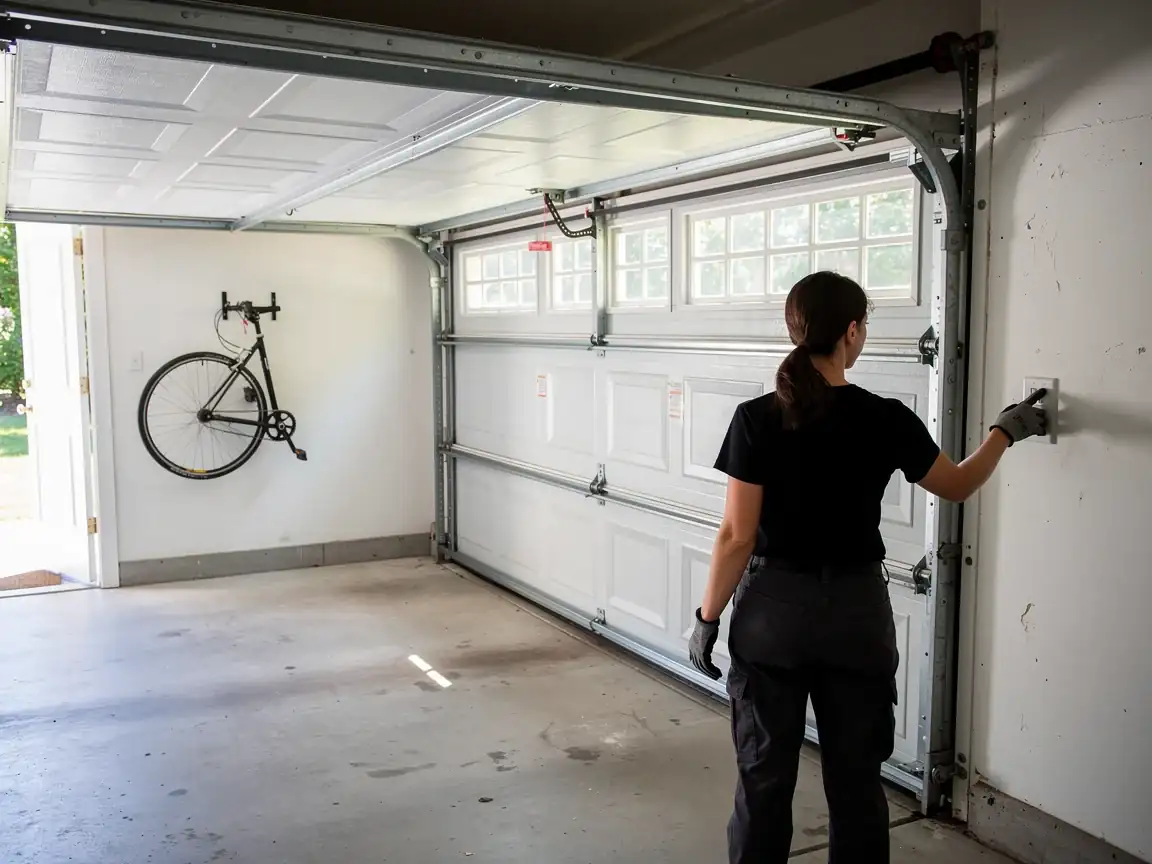
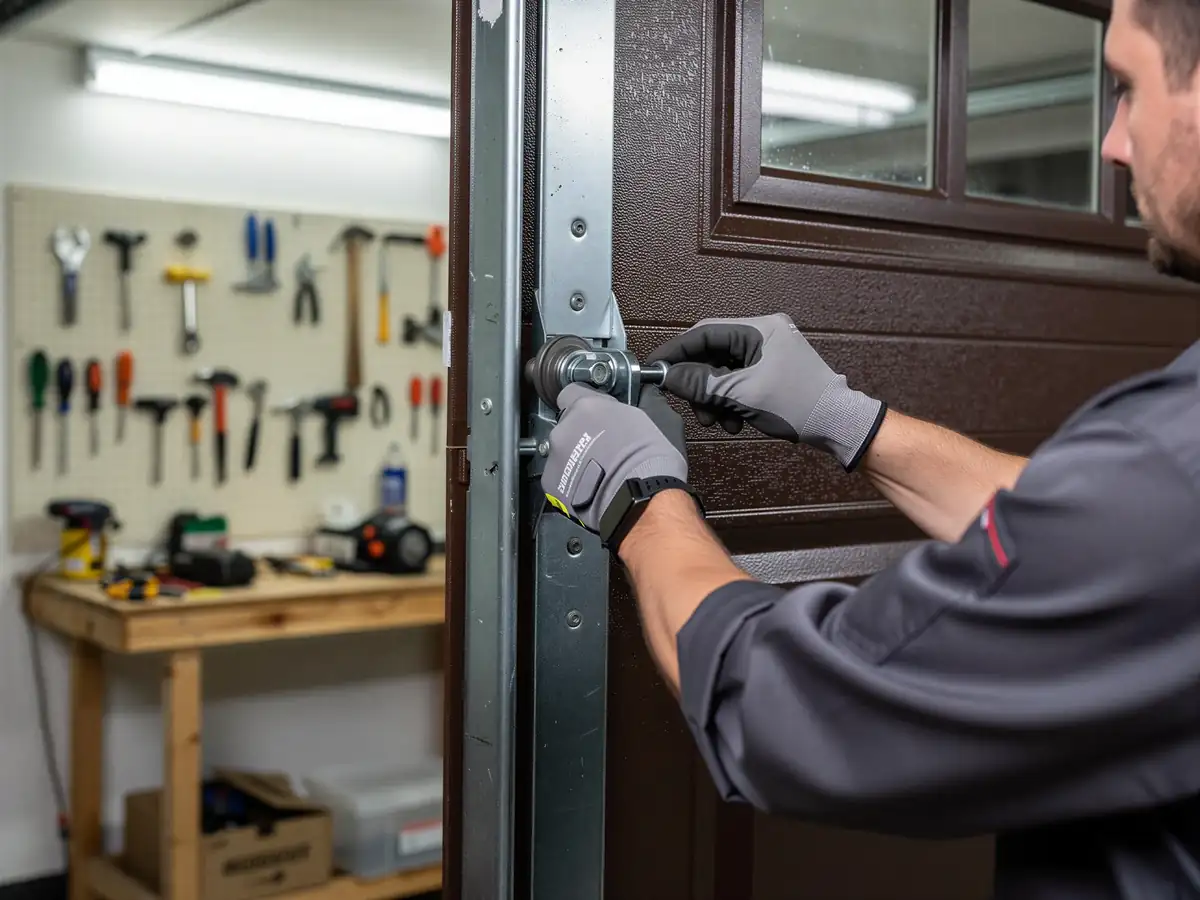
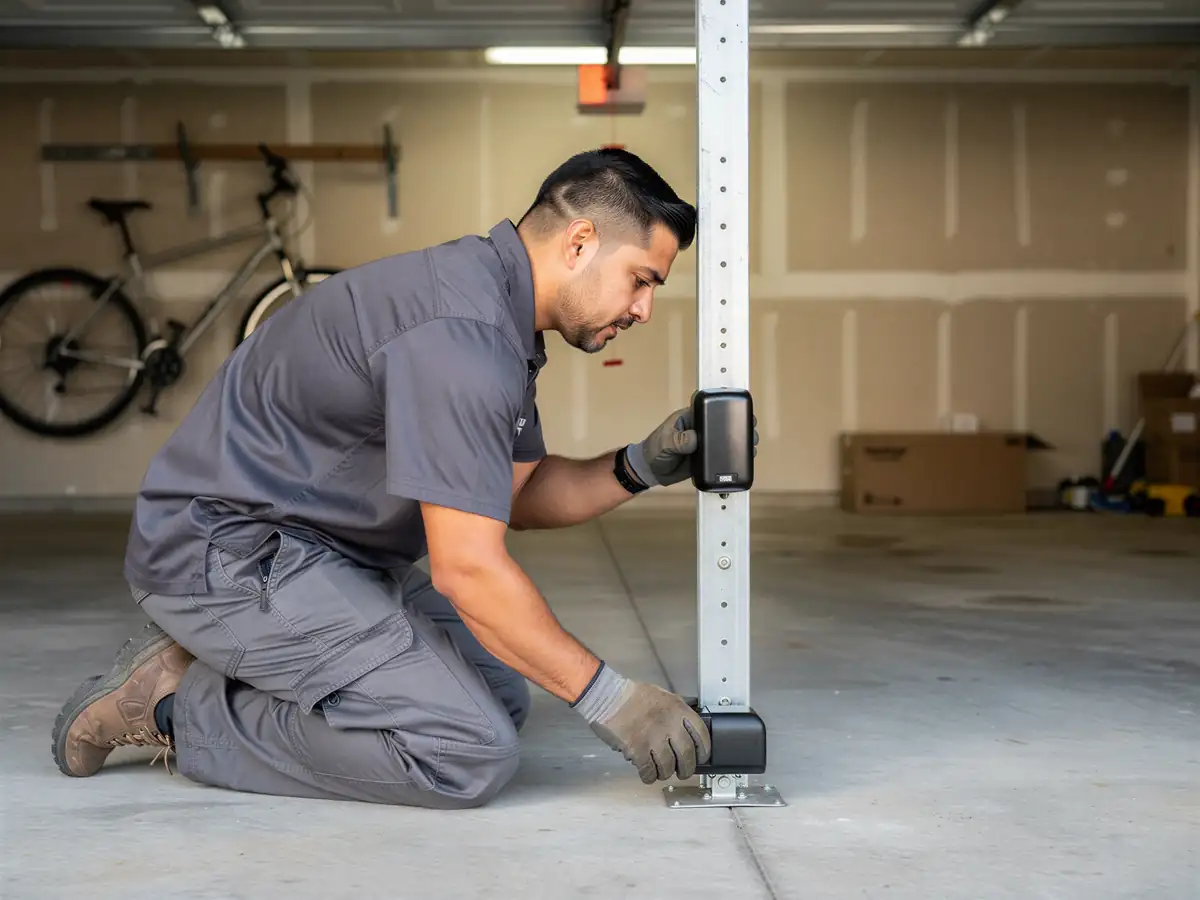
The header bolts on a lot of these 1987-era installs have loosened or rusted over three and a half decades, and when we pull the old opener bracket we sometimes find the wood underneath has softened. That turns a bolt-on opener swap into a header repair first. We also run into extension spring systems where a previous owner mixed in a torsion-style part that doesn't match the pulley setup - that's a mismatch, not a fix, and it has to come back out before we install anything new. Honest limitation: if the header's compromised, we're not going to hang a new opener on it and call it done. That's a separate repair, and we'll say so instead of papering over it.