How Long It Takes
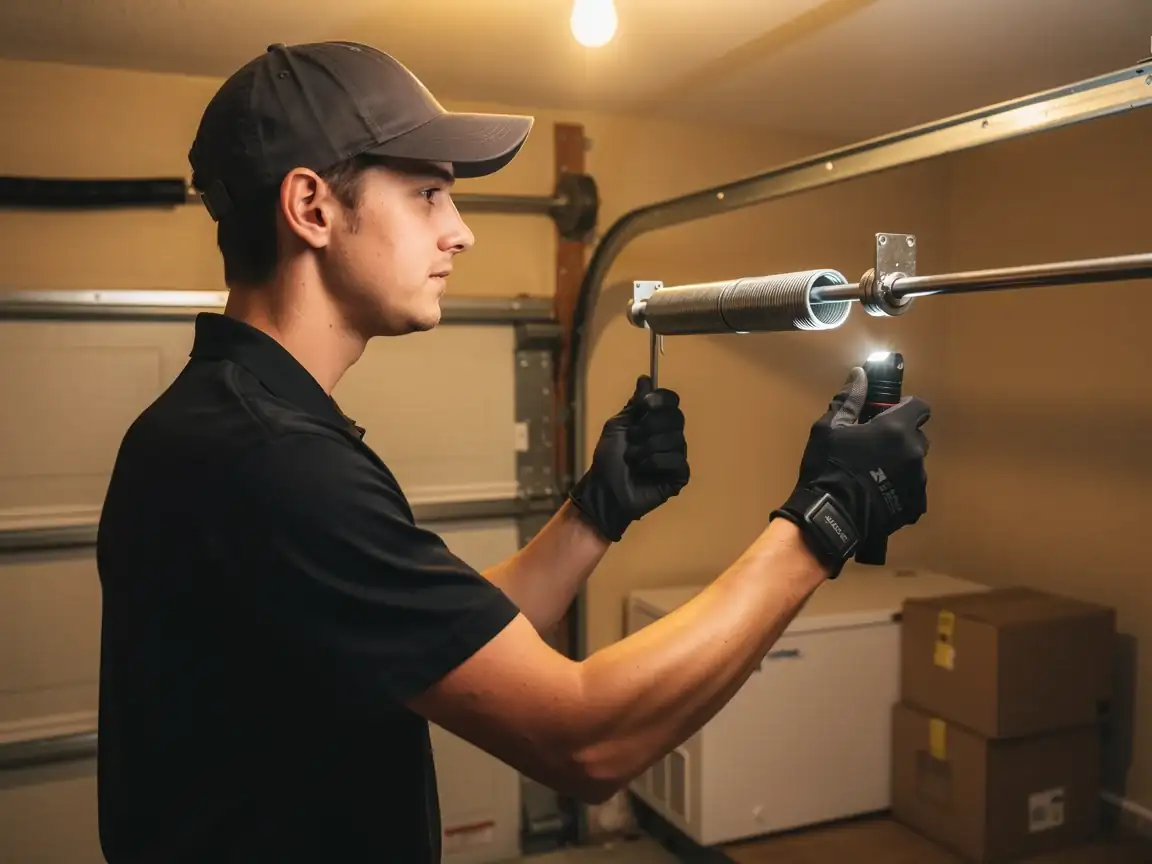
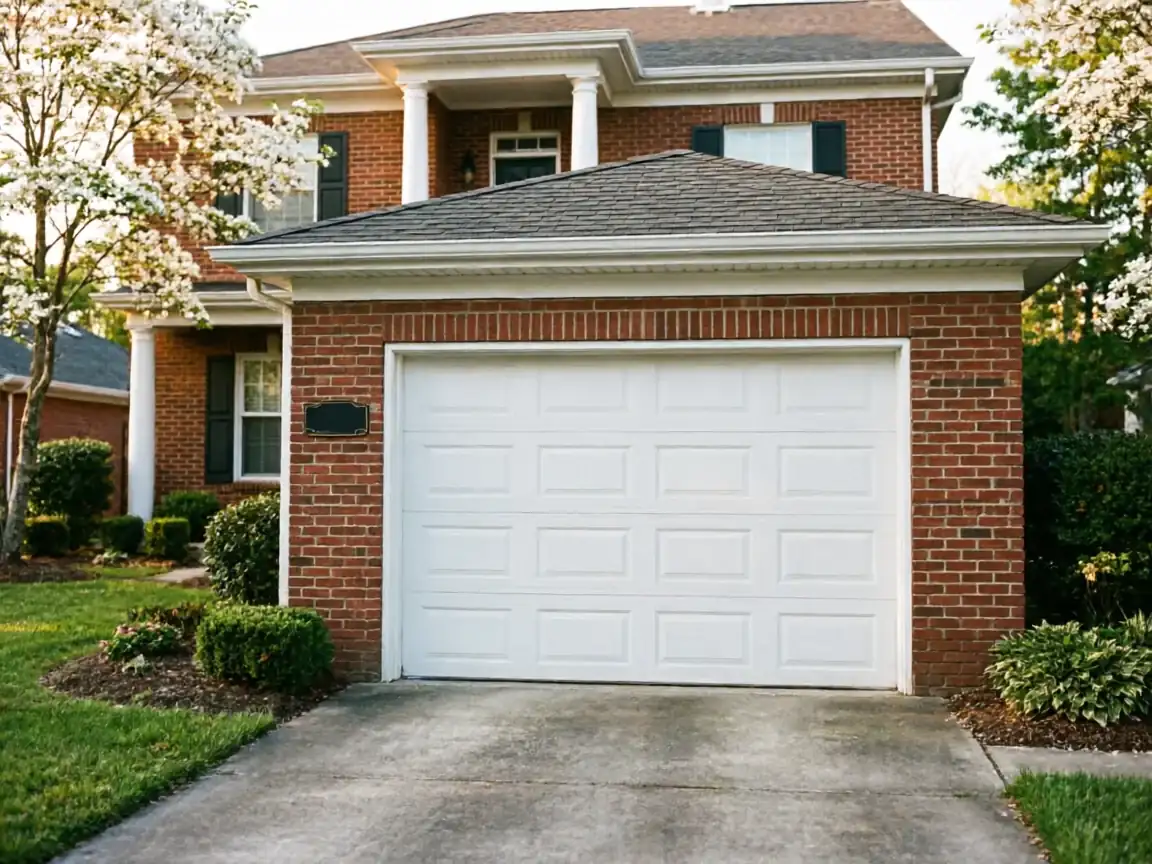
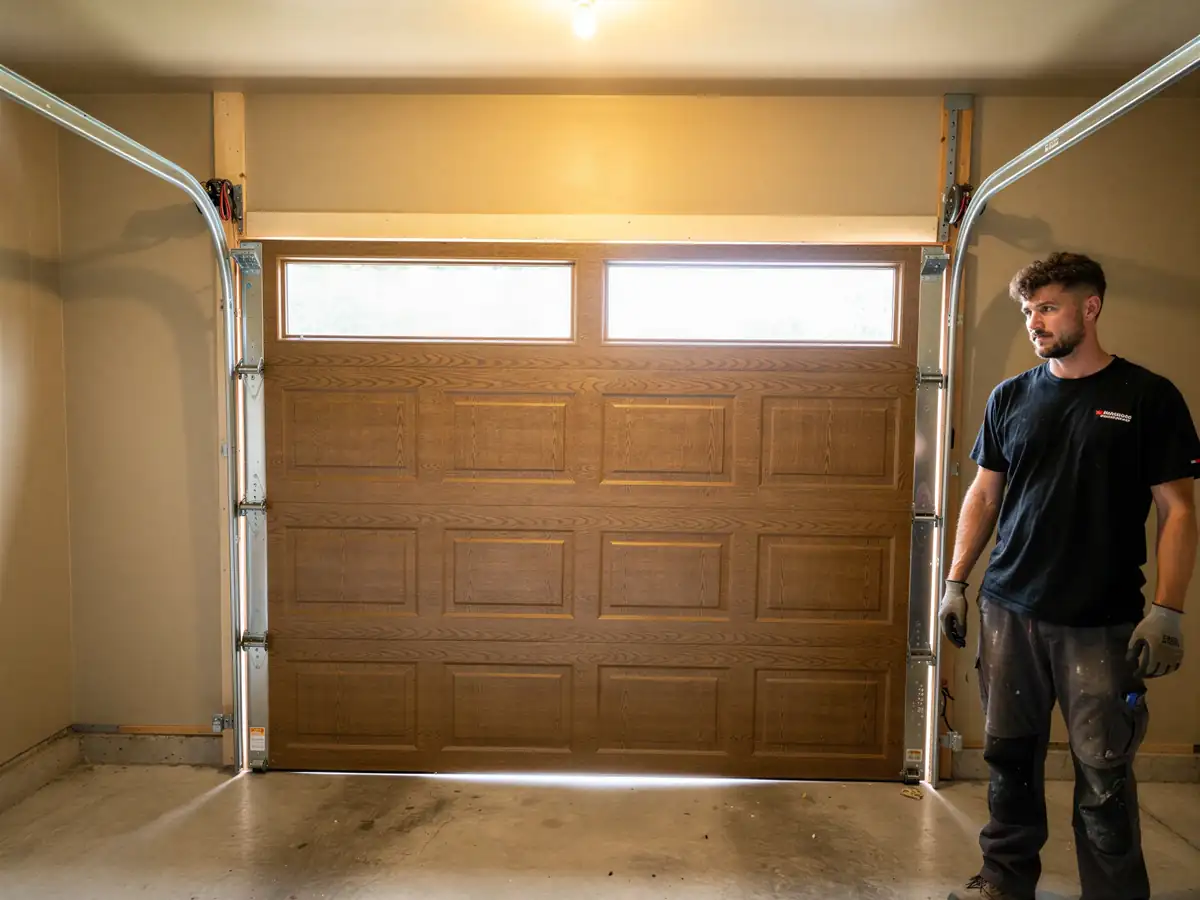
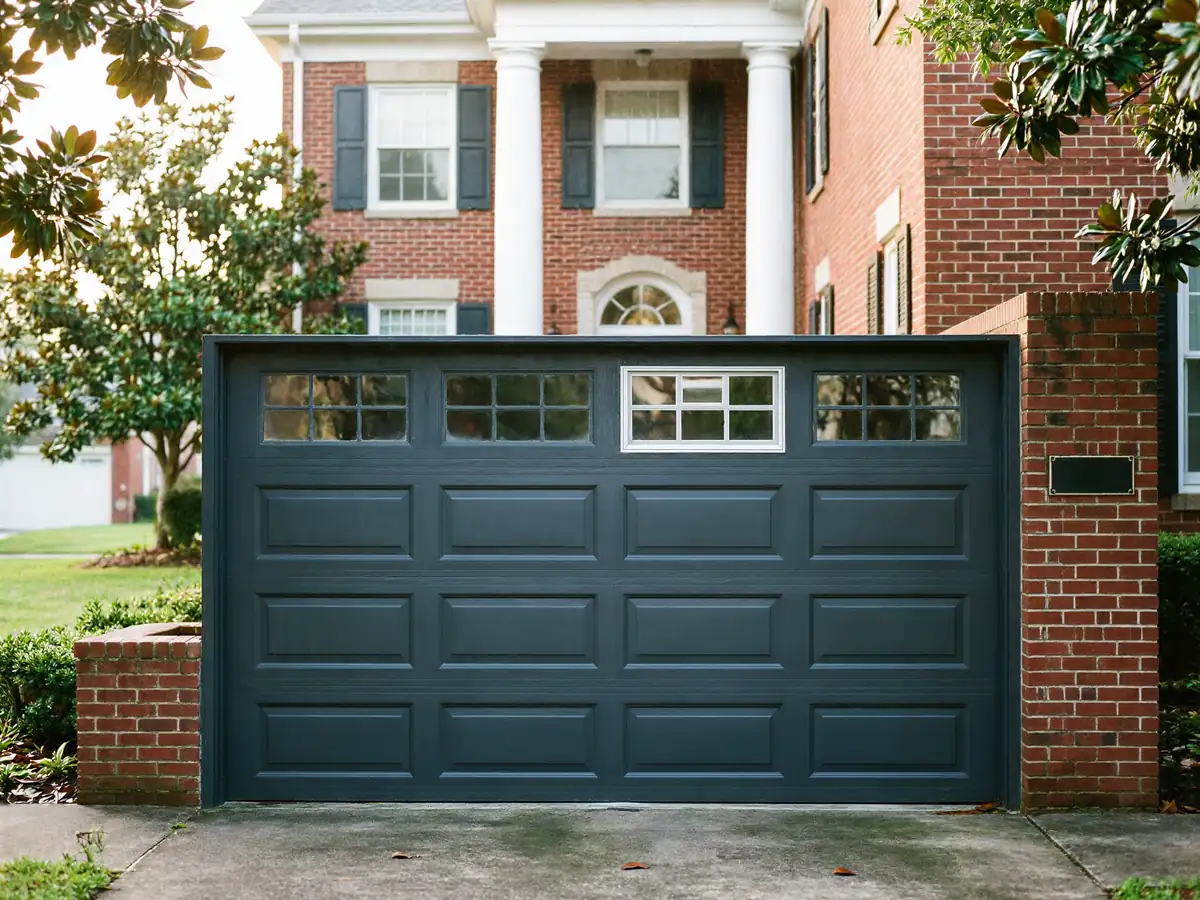
Brandermill's housing stock centers on 1987, eight years newer than the 1979 median across the rest of the service area, which means more of these doors are factory-insulated steel sections rather than the older flat steel panels common in the 1960s and 70s construction nearby. That matters for timing. A single damaged section on a door from this era is usually a straightforward match to current manufacturer catalogs, so the swap itself runs under two hours once we're on site with the right panel in the truck. What stretches the job is sourcing: if the original run has been discontinued, which happens more with builder-grade doors from the mid-80s to mid-90s, we're waiting on a special order rather than pulling stock. We tell owners up front whether their panel profile is common or one we'll need to track down, because guessing wrong on that wastes everyone's time. A full double-door panel set takes longer than a single section, mostly in prep and alignment, not in the actual fastening work.
Getting It Booked In
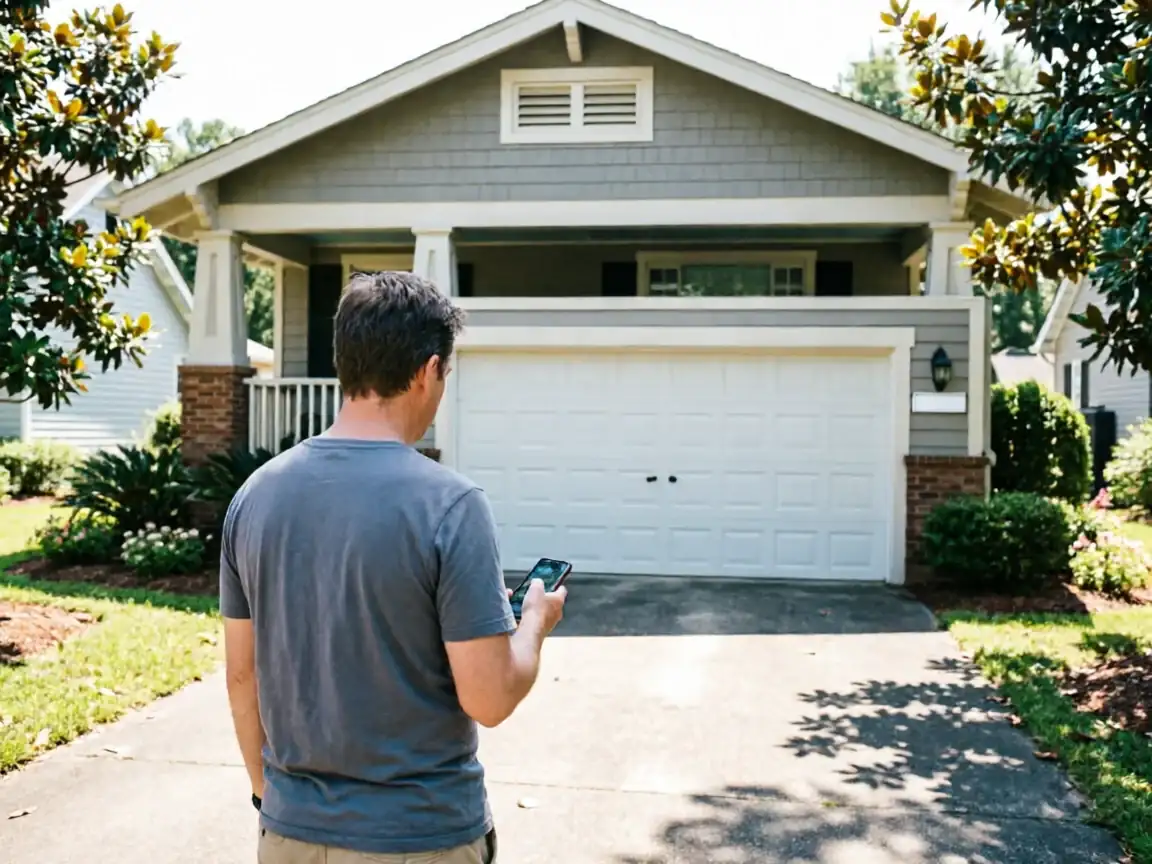
We run this job out of Midlothian, about 4 miles from Brandermill, so it's a short drive rather than a cross-service trip. Booking starts with you telling us the door's approximate age and whether you know the brand - builder plates from the late-80s construction boom are often still legible inside the top section. If you don't know, a photo of the damaged panel and the full door usually gets us close enough to quote before we arrive. We don't keep a branch or walk-in counter in Brandermill itself; scheduling runs through the Midlothian office, and we confirm a window before loading the truck. With 5,685 households in the area, panel requests here tend to cluster around a narrower band of door styles than the older, more mixed stock across the broader 18-area territory, which actually makes pre-visit matching easier, not harder.
The Symptom
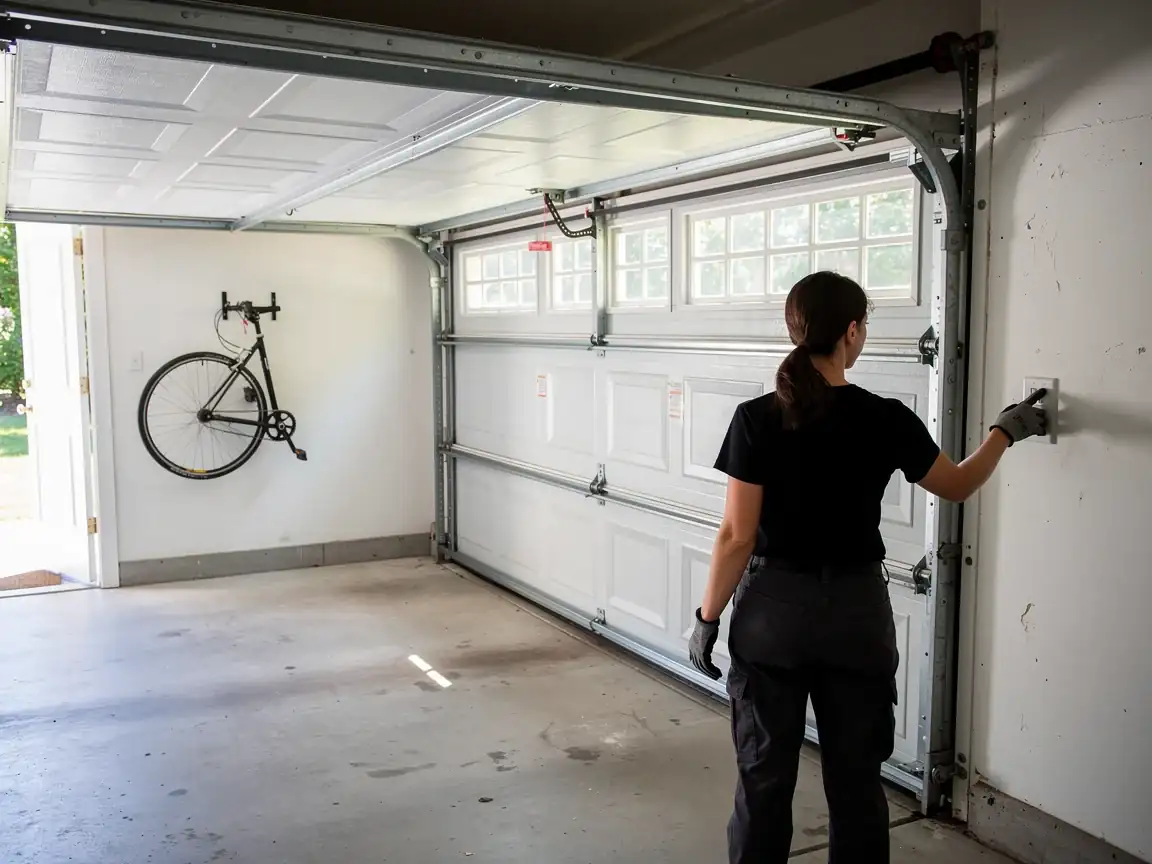
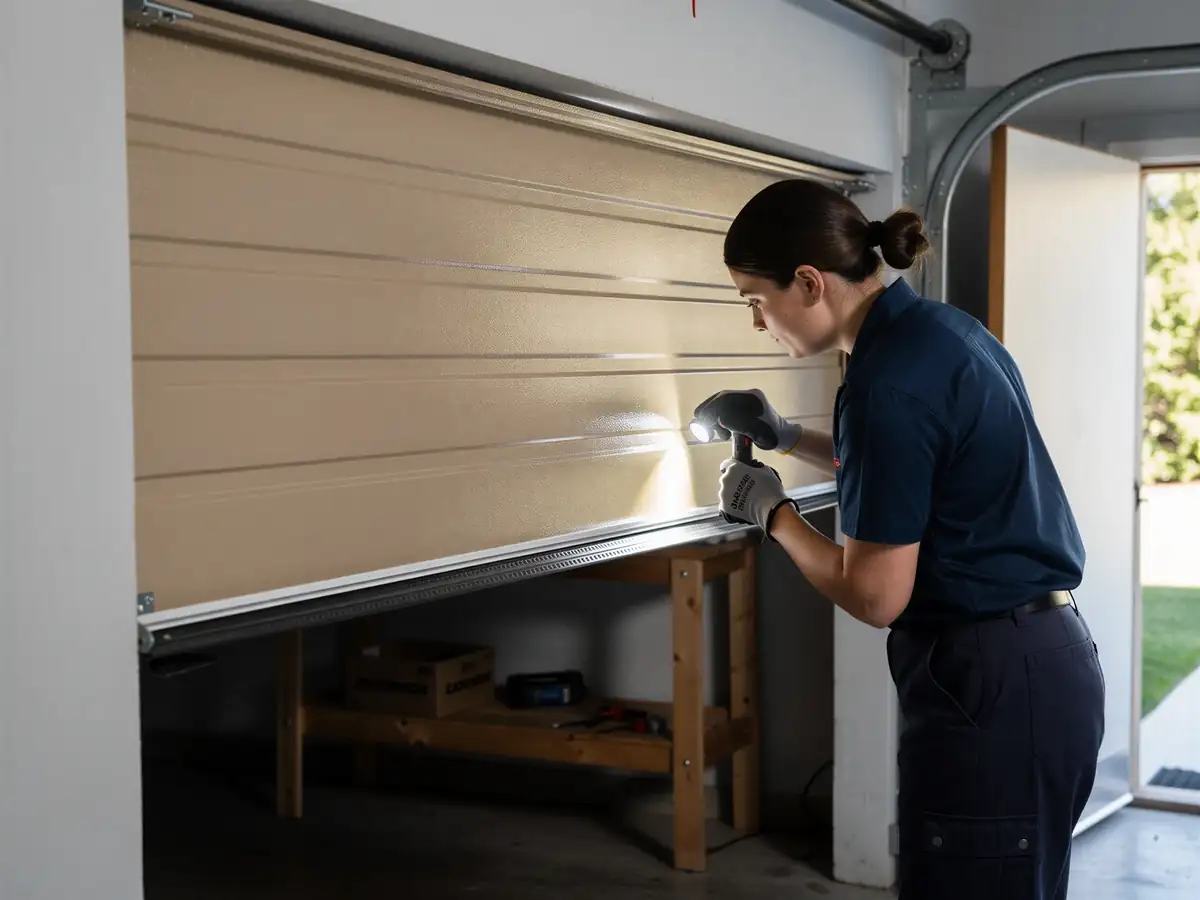
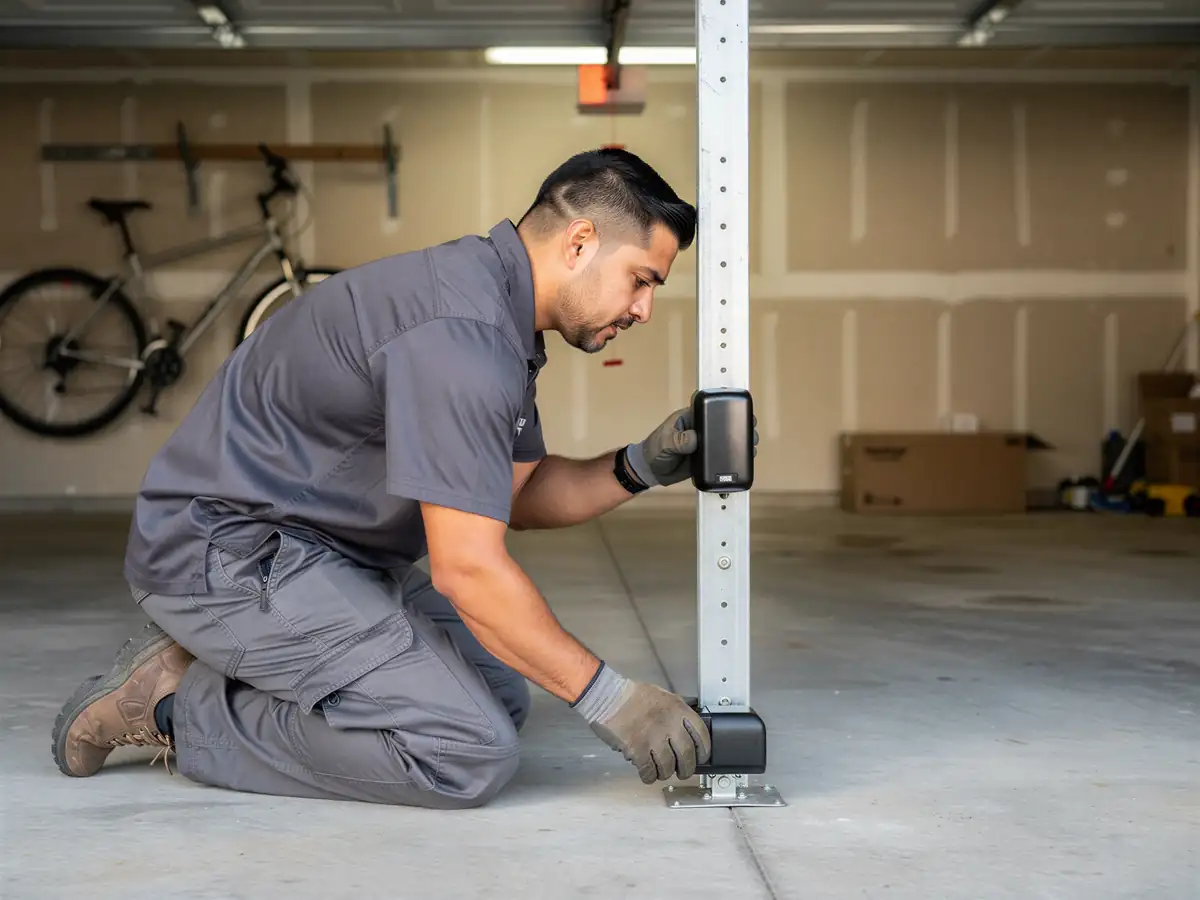
Most calls start the same way: a dent from a car bumper or a thrown object, a crack along a seam, or a section that's started to bow after years of sun and cold. In this cold-moderate climate band, steel panels contract and expand enough over a winter that an existing stress point - an old dent, a hairline crack - tends to widen rather than heal, which is why a panel that looked cosmetic in October sometimes won't close flush by February. Builder-grade steel from the late-80s and 90s is thinner than what's sold today, so it dents more easily than you'd expect from a door that otherwise looks solid. If the opener is straining, reversing, or the door looks racked in the frame, that's usually more than a panel problem and worth a separate look before we order any parts.
Where This Job Goes Sideways
The honest limitation: if your panel profile was discontinued by the manufacturer, and that's common on doors from the 1987-era construction boom once a builder switched suppliers, we can't always get an exact color or texture match even when the dimensions line up. In that case we'll say so rather than install something that looks obviously patched. Sometimes the better call is replacing the full door instead of chasing a mismatched single section, especially if two or more panels are already showing wear - we'll tell you when that math favors replacement over repair rather than running up a parts bill on a door that's near the end of its life anyway. We also don't carry every panel style in the truck; special orders on less common profiles can add a few days to the job, and we won't promise a same-visit fix if we haven't confirmed stock first.