How Long It Takes
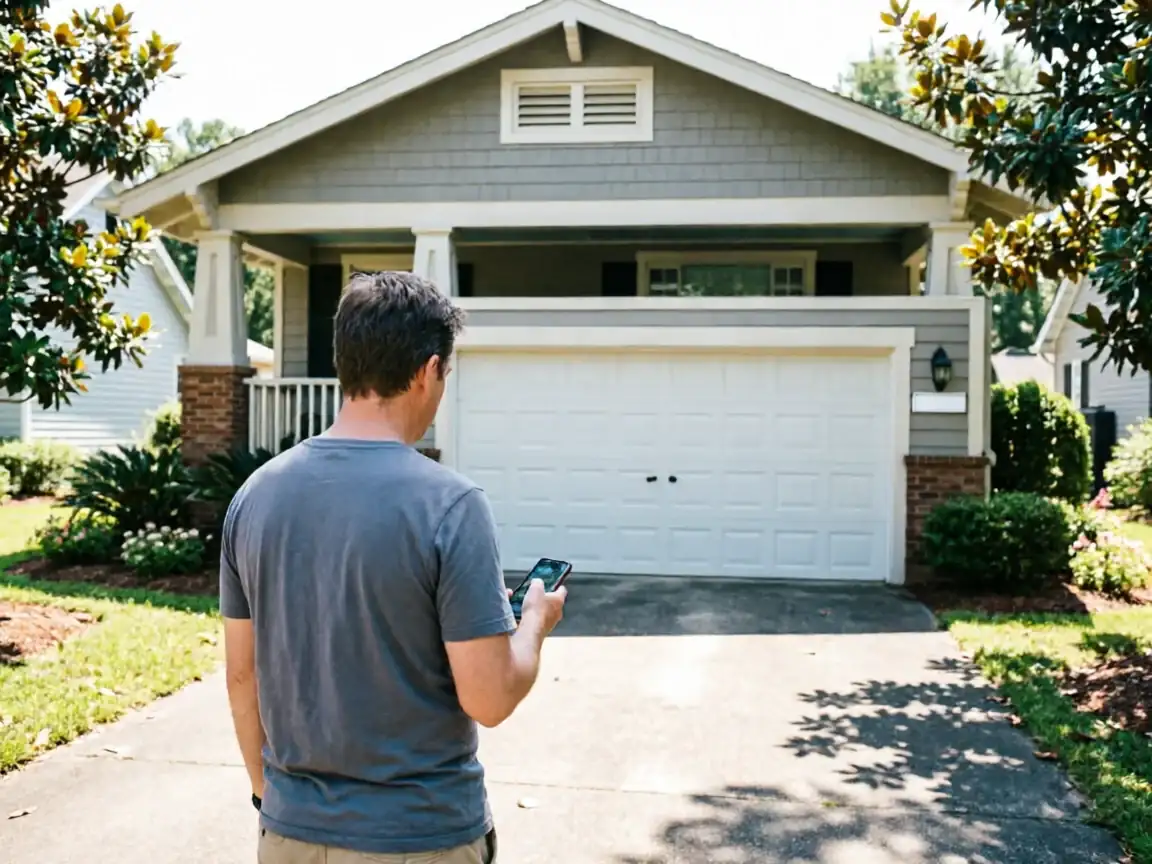
Brandermill sits four miles from our shop in Midlothian, which is close enough that we don't pad the schedule with extra drive time the way we might for a job out past Powhatan or Goochland. That distance matters less for the drive itself and more for how we plan the day: a Brandermill install goes on the same truck run as other Midlothian-area jobs, not its own dedicated trip.
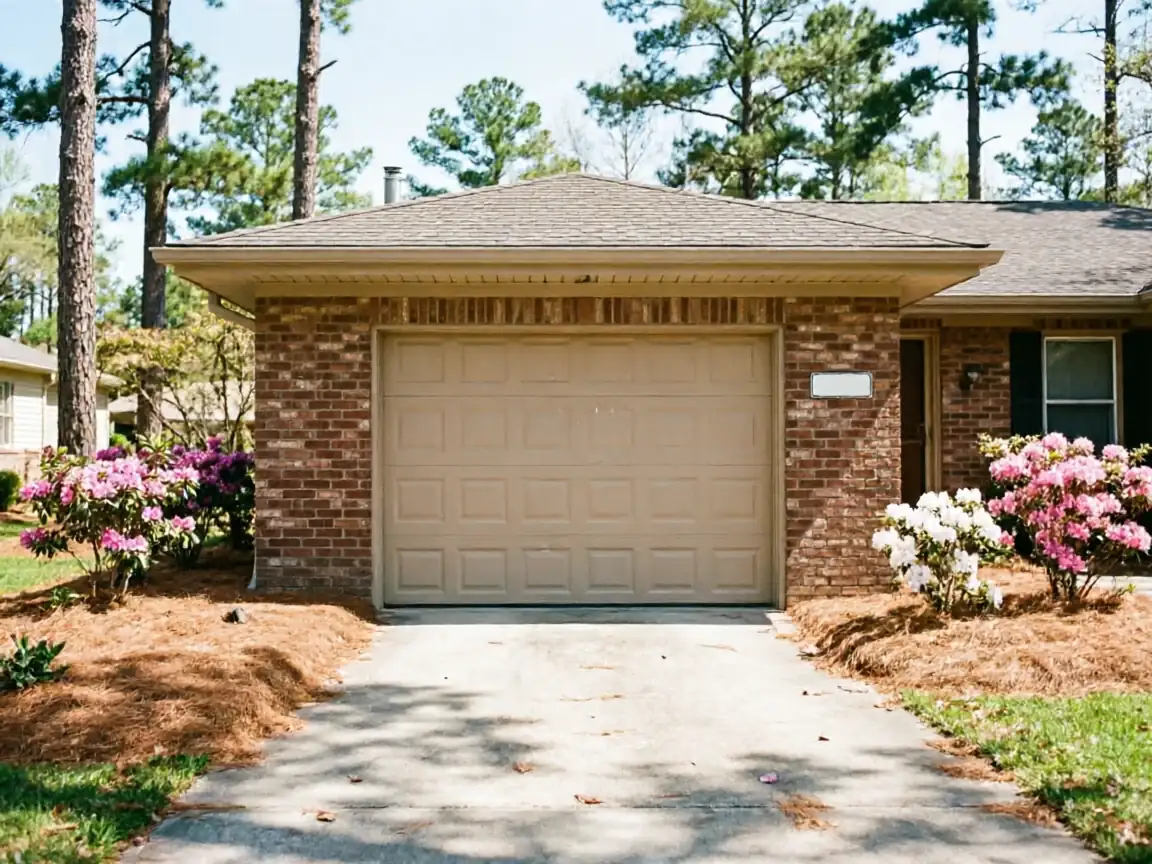
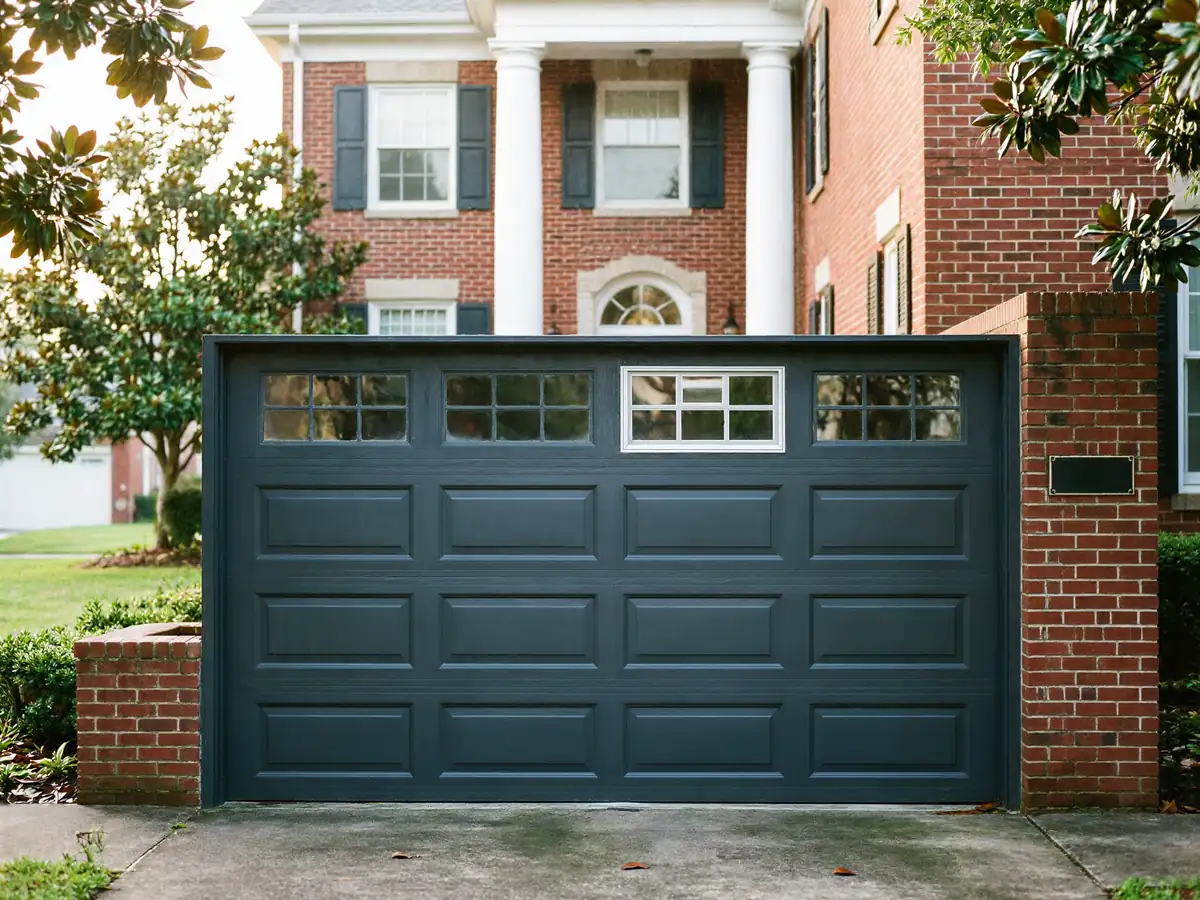
The install itself usually runs half a day for a single door, longer for a double or if we're swapping the opener and reinforcing the header at the same time. Brandermill's housing mostly dates to around 1987, newer than the 1954-2005 range you'll see across the wider service area, so we're less often fighting an undersized or non-standard rough opening than we are in the older pockets closer to town. That saves time on measuring and shimming, but it doesn't change how long the door itself takes to hang, balance, and cycle-test before we leave.
We book the measure visit separately from the install in most cases, since a door built to the wrong width is a bigger problem than a slow afternoon.
Getting It Booked In
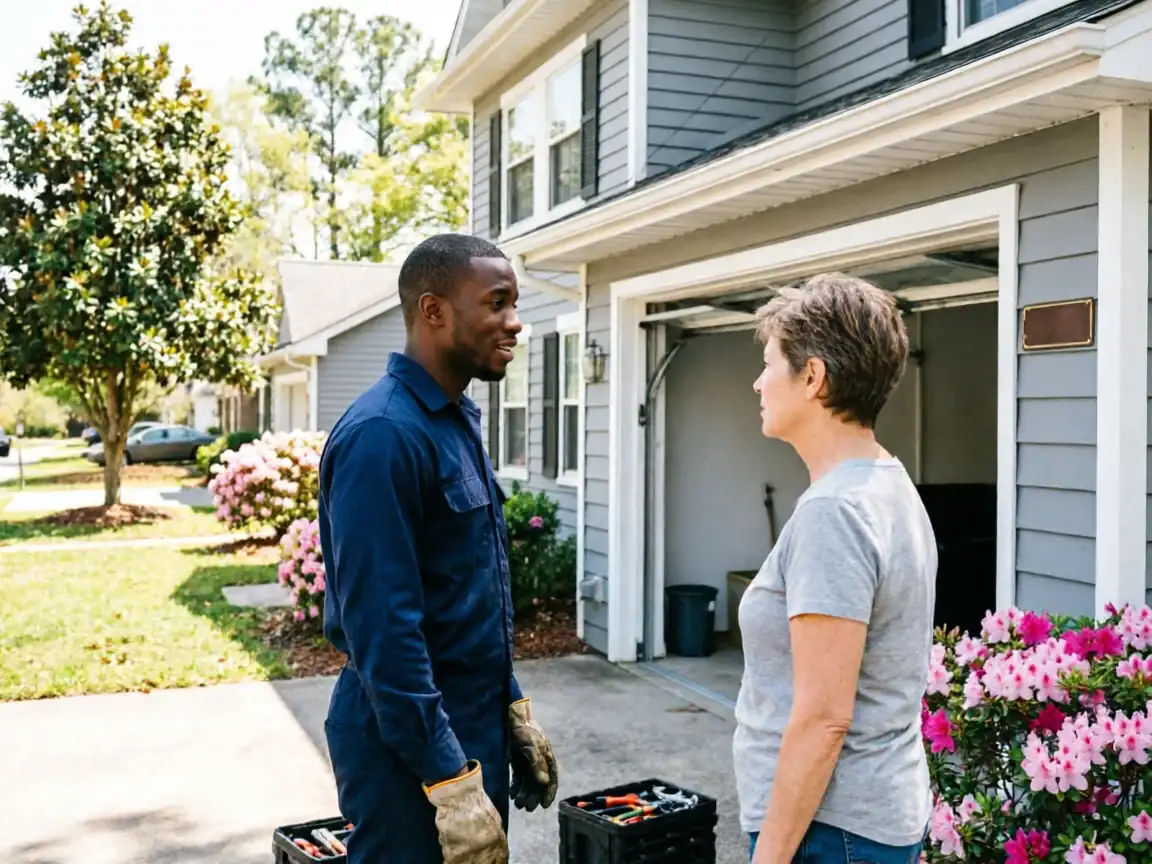
Because we're running out of Midlothian and not out of a Brandermill branch, booking works the same way it would for any job four miles out: we confirm the door size, brand preference if you have one, and whether the opener is coming out with the old door or staying. We don't keep local stock sitting in Brandermill, so the lead time on the door panel itself is set by the distributor, not by how far we have to drive.
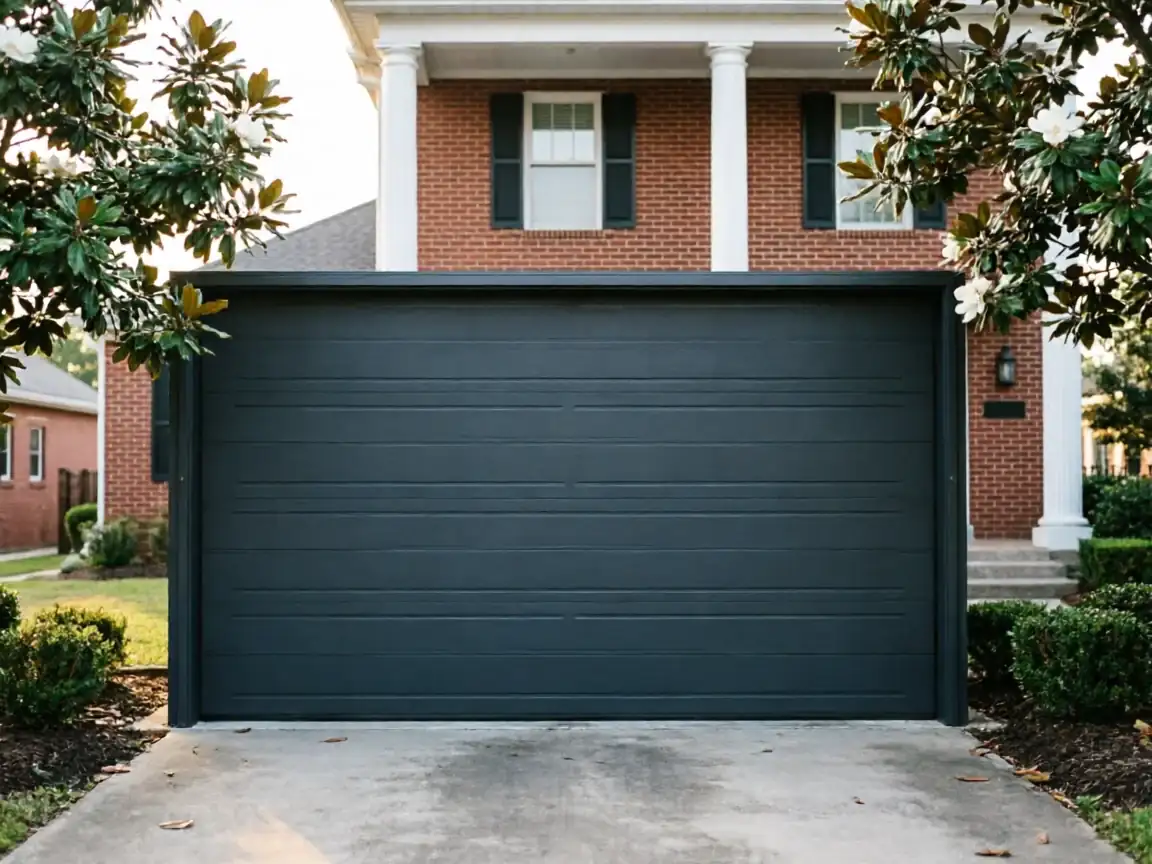
Given the income profile in this area - median household income runs $107,748, well above the $69,917 median across the full 72,105-household service area - we get more calls here asking about insulated steel doors and higher wind-load ratings than about the cheapest option available. That's worth sorting out before we book the date, since a special-order door with extra insulation or a higher gauge steel takes longer to arrive than a standard builder-grade panel.
If you already know your door size and just need the old one hauled off and the new one hung, that's a shorter conversation and a shorter wait.
How We Fix It
"Fix" isn't quite the right word for an install
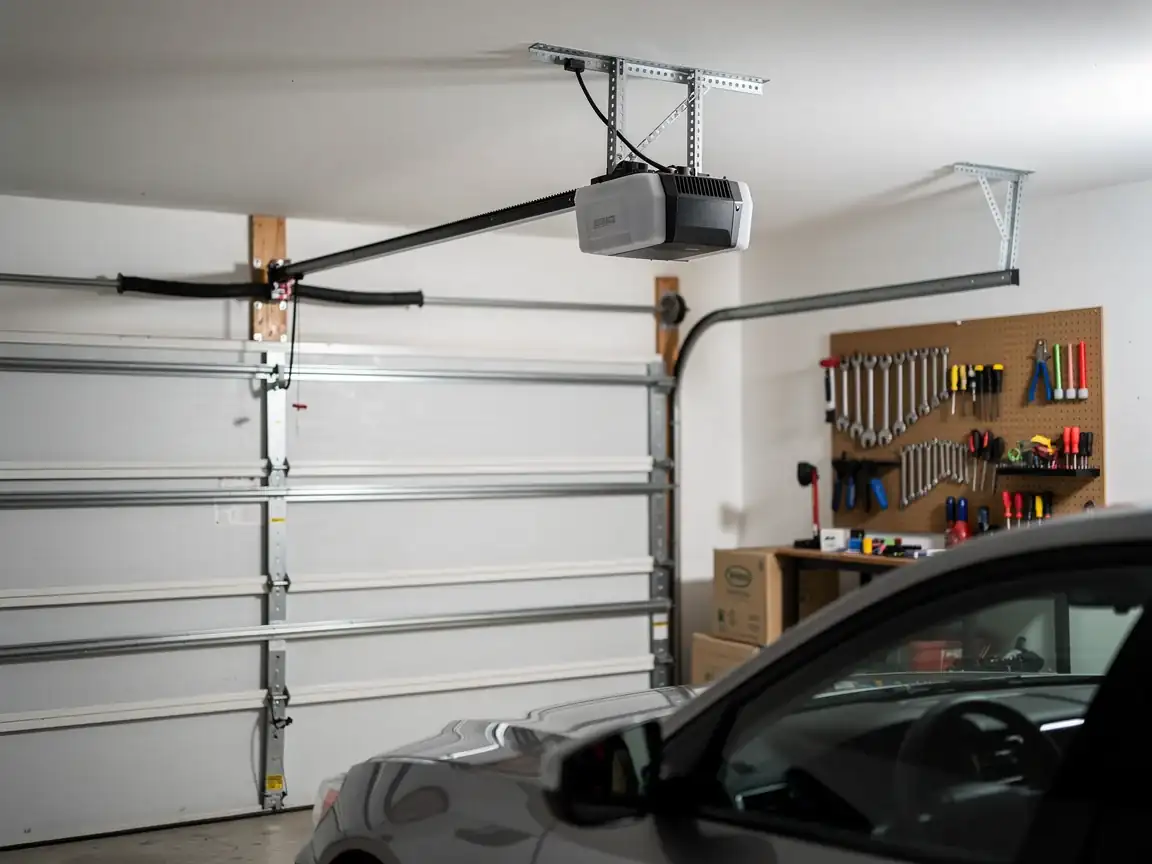
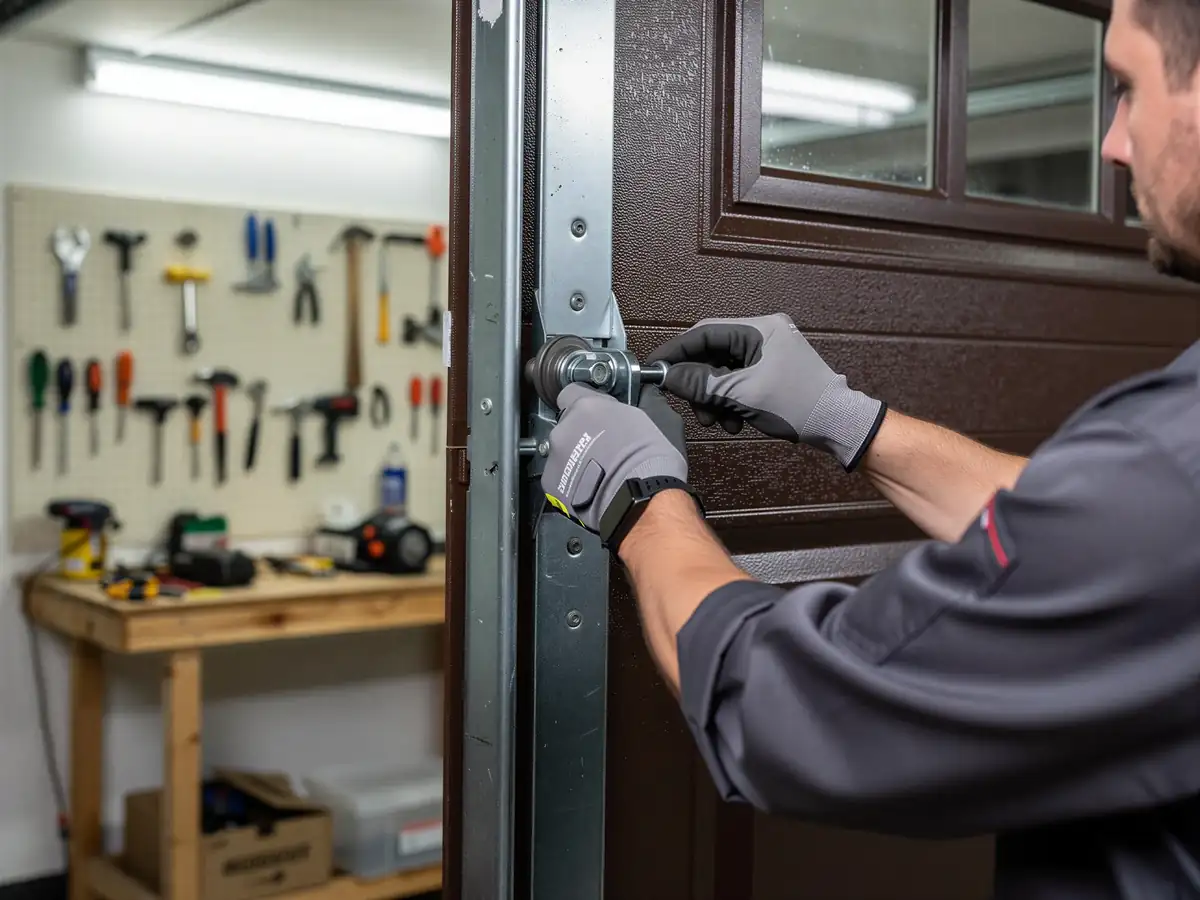
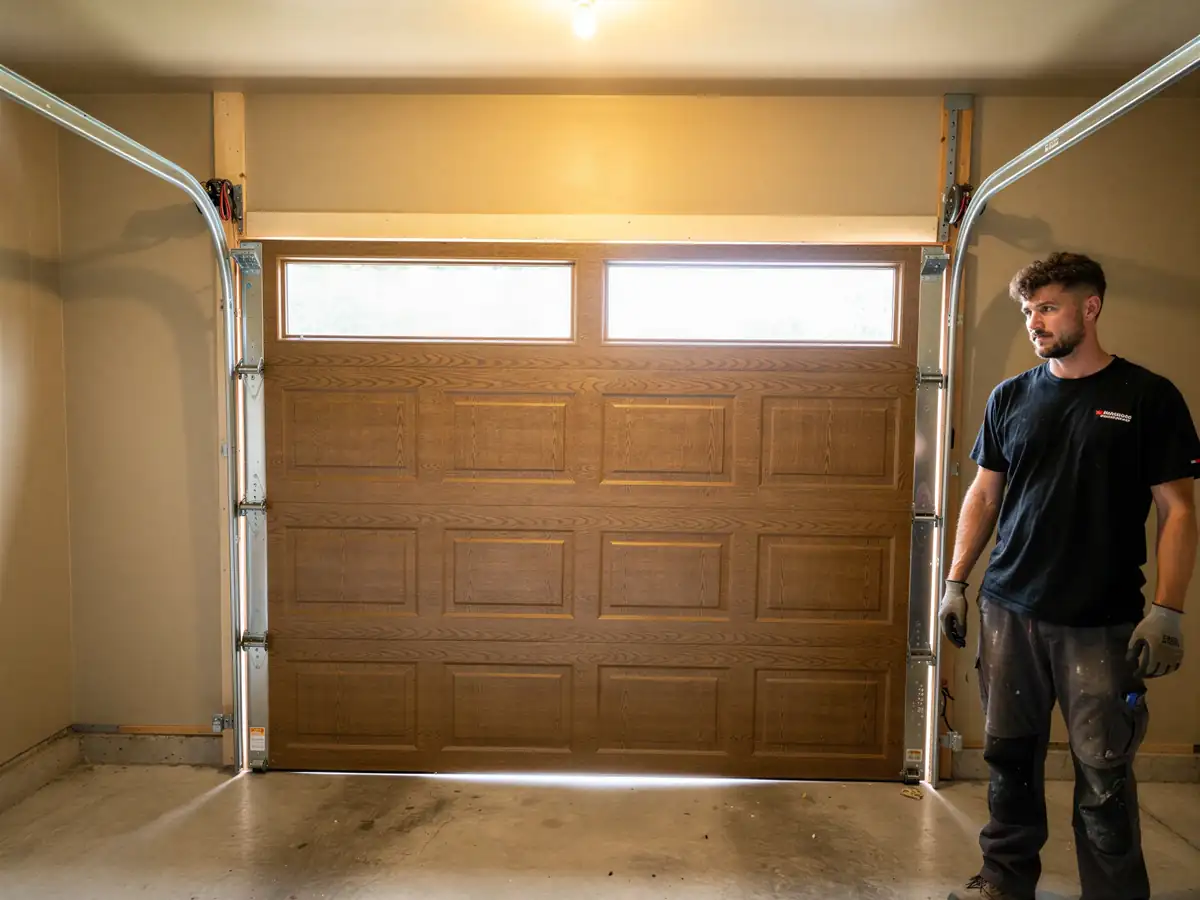
But the sequence is similar to a repair in that we don't skip steps to save time. We pull the old door and track, check the opening for square, and confirm the header can take the new door's weight - this matters more in Brandermill than in some of the older sections of the service area, since 1987 construction generally gives us a cleaner opening to work with than the 1960s stock does.
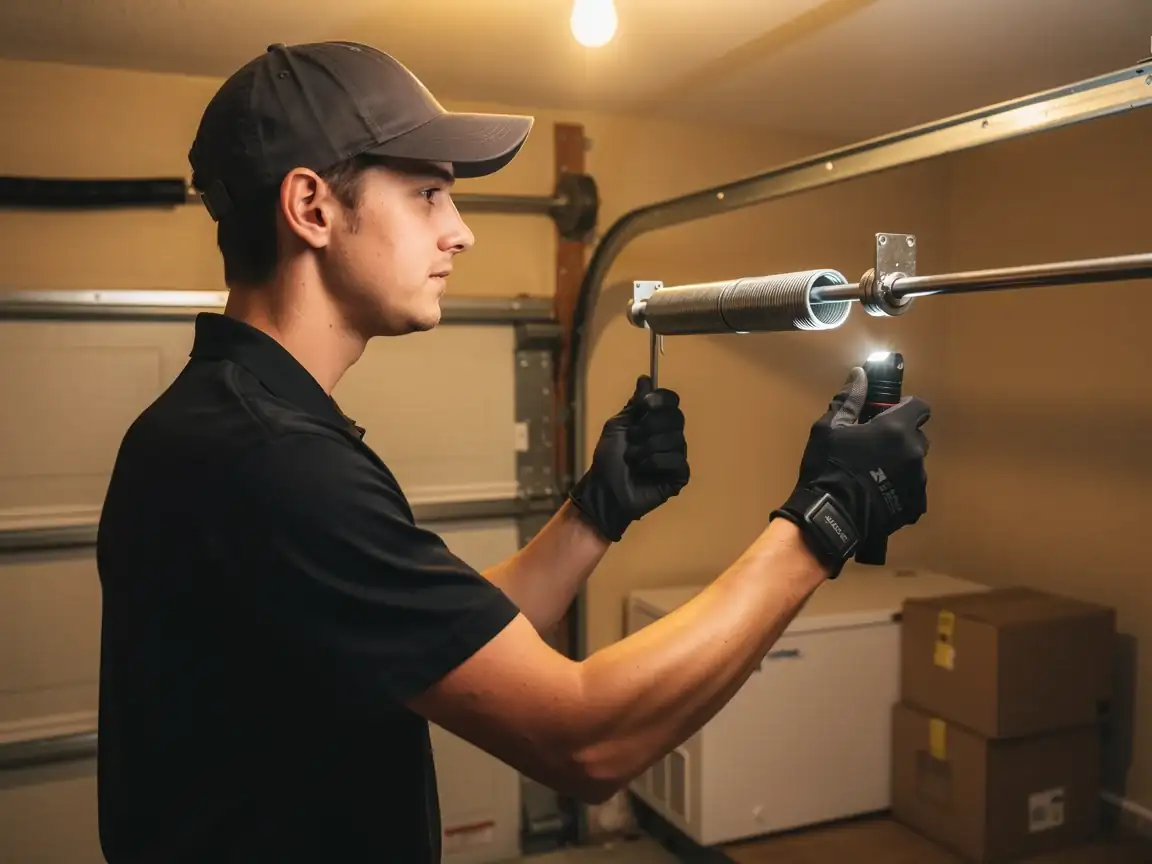
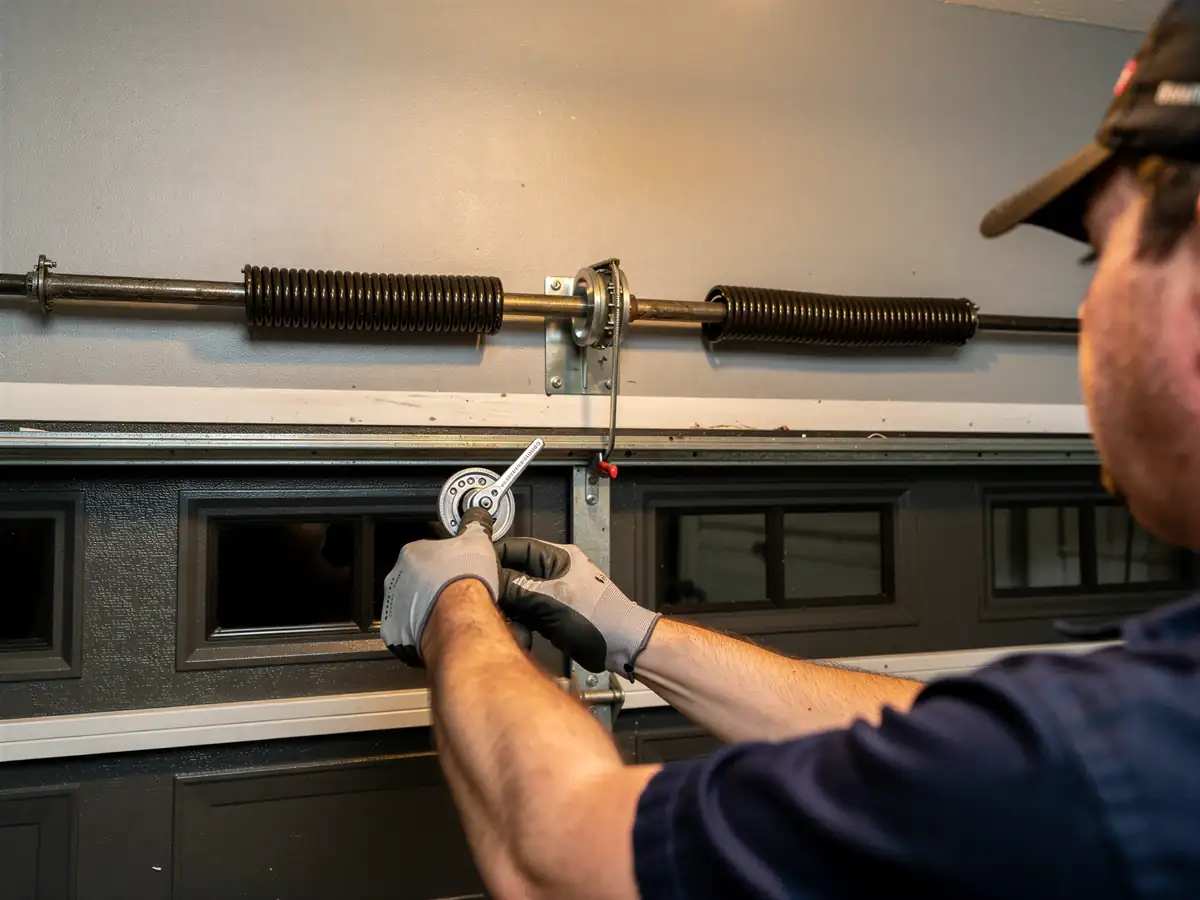
We set new track, hang the panels, balance the springs to the door's actual weight rather than a stock setting
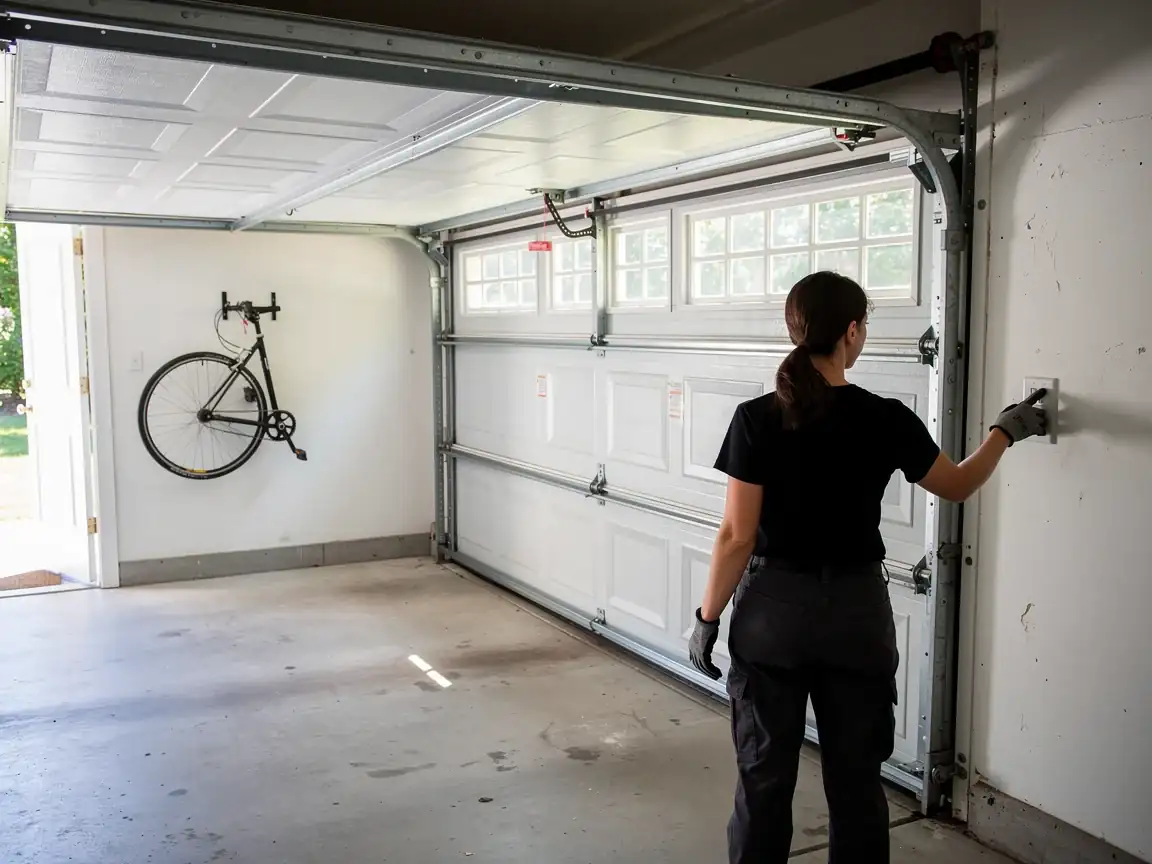
And run the opener through a full cycle before calling it done. If you're keeping the existing opener, we check that the travel limits and force settings are adjusted for the new door - an opener tuned to the old door's weight will either slam or stall on a different one.
We don't do cosmetic-only swaps where the old track and hardware get reused on a new panel
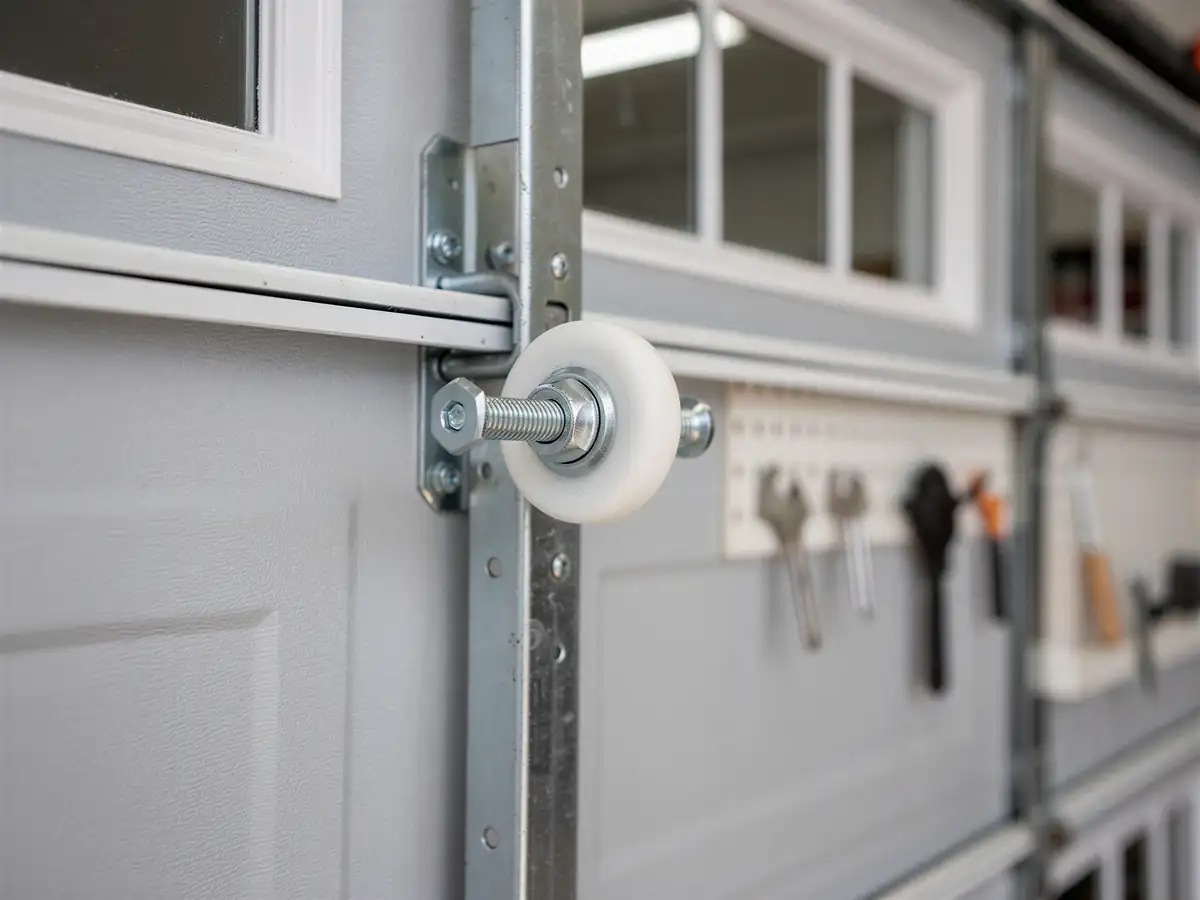
If the hardware's worn, it goes, even on a newer house.
The Symptom
Most Brandermill calls for a new installation aren't emergency calls at all - they're owners who've had a door limp along for a year or two and finally decided to stop patching it. The door that came with a house built around 1987 is usually a single-layer steel panel with light insulation, built to the standards of its time, which in a cold-moderate climate band means it's doing less to hold heat than a current door would.
Some calls start as a repair request - a cracked panel, a spring that's been replaced twice already - and turn into a new-door conversation once we're standing in front of it. If the door is original to a house from the late 1980s, the track and hardware are often original too, and replacing just the spring on worn track is a short-term fix on a door that's going to need the rest soon anyway.
We'll tell you straight when a door is worth saving and when it isn't. A single bent panel on an otherwise sound door doesn't need a full replacement; a door with three failure points at once usually does.
Where This Job Goes Sideways
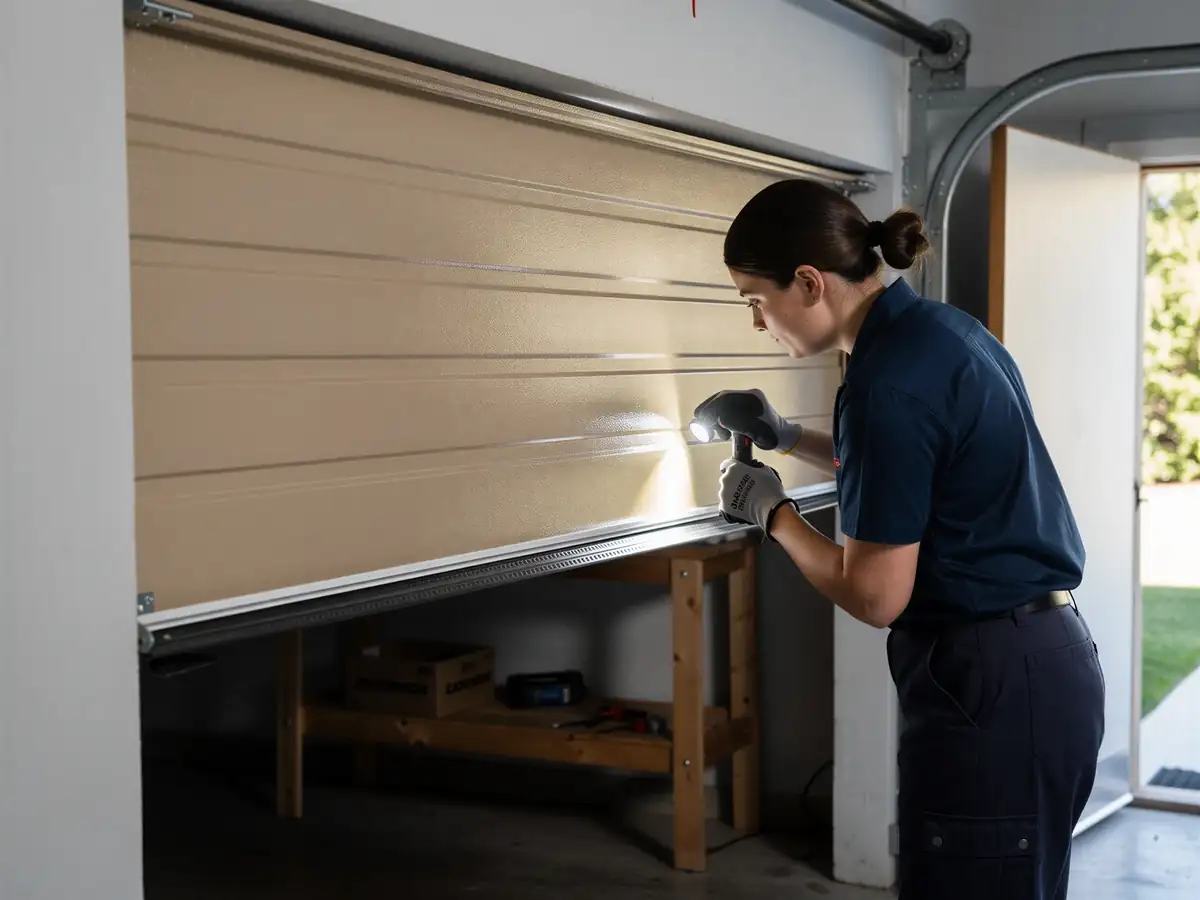
The most common snag isn't the door - it's the opening. Even in Brandermill's newer stock, we occasionally find a rough opening that's slightly out of square or a header that was sized for a lighter door than what's going in now. That's a fix, not a dealbreaker, but it adds time to the install day that we can't always see until the old door is out.
The other snag is ordering the wrong width or height because someone measured the opening instead of the existing door panel, or vice versa. We measure ourselves before we order, which is why we don't quote a firm price over the phone sight-unseen.
Lead time on the door itself is the one thing outside our control. A standard size in a common color usually ships fast; a custom color, a higher wind rating, or a less common width can add real time to the order. We'll give you the distributor's estimate up front rather than a guess, but it's still the distributor's clock, not ours.