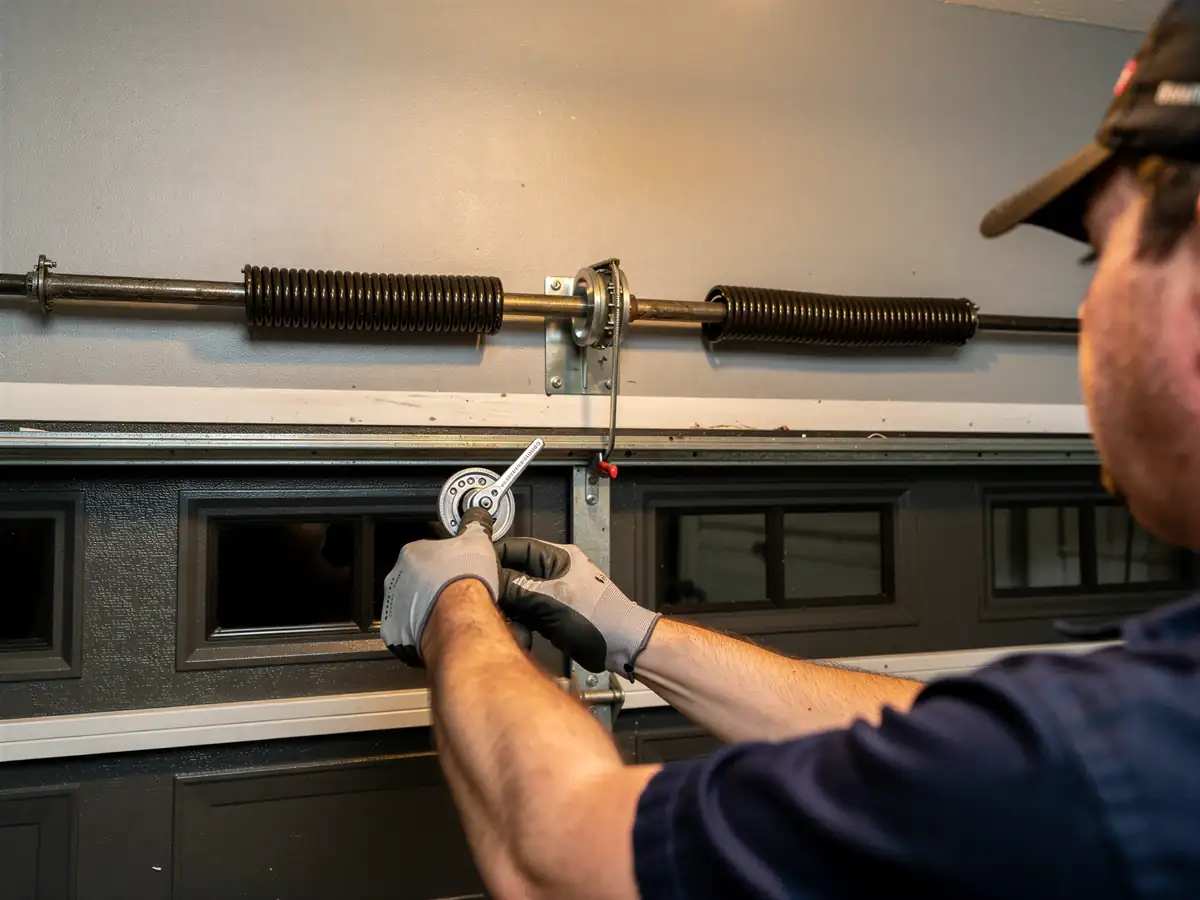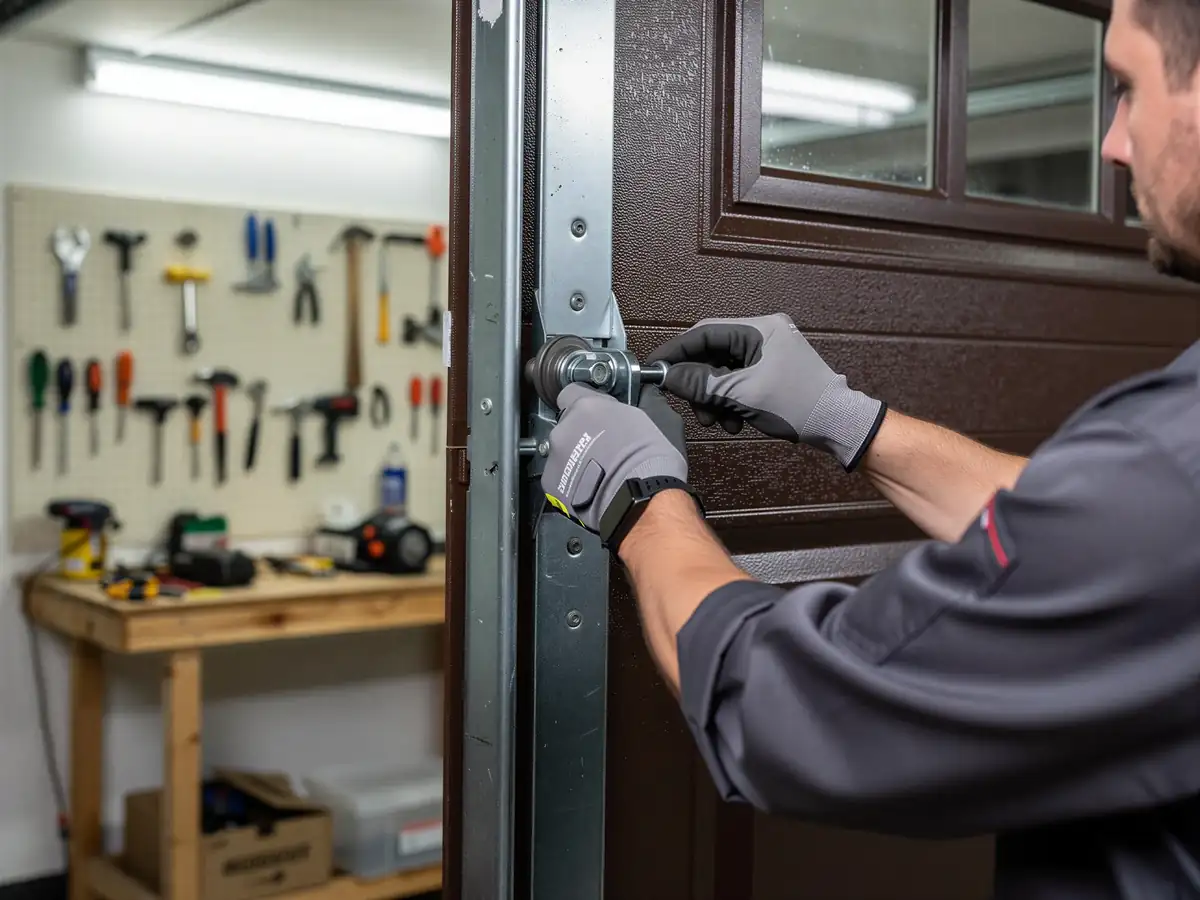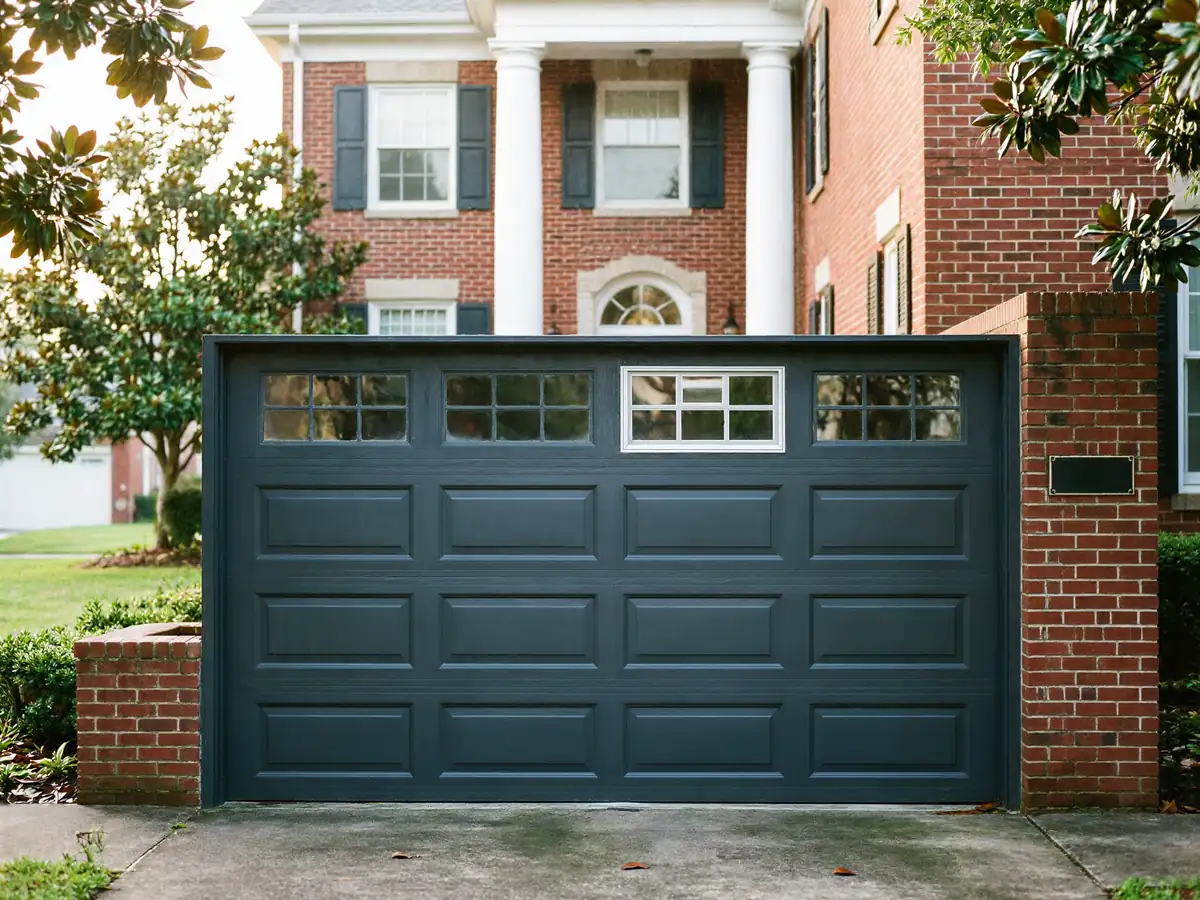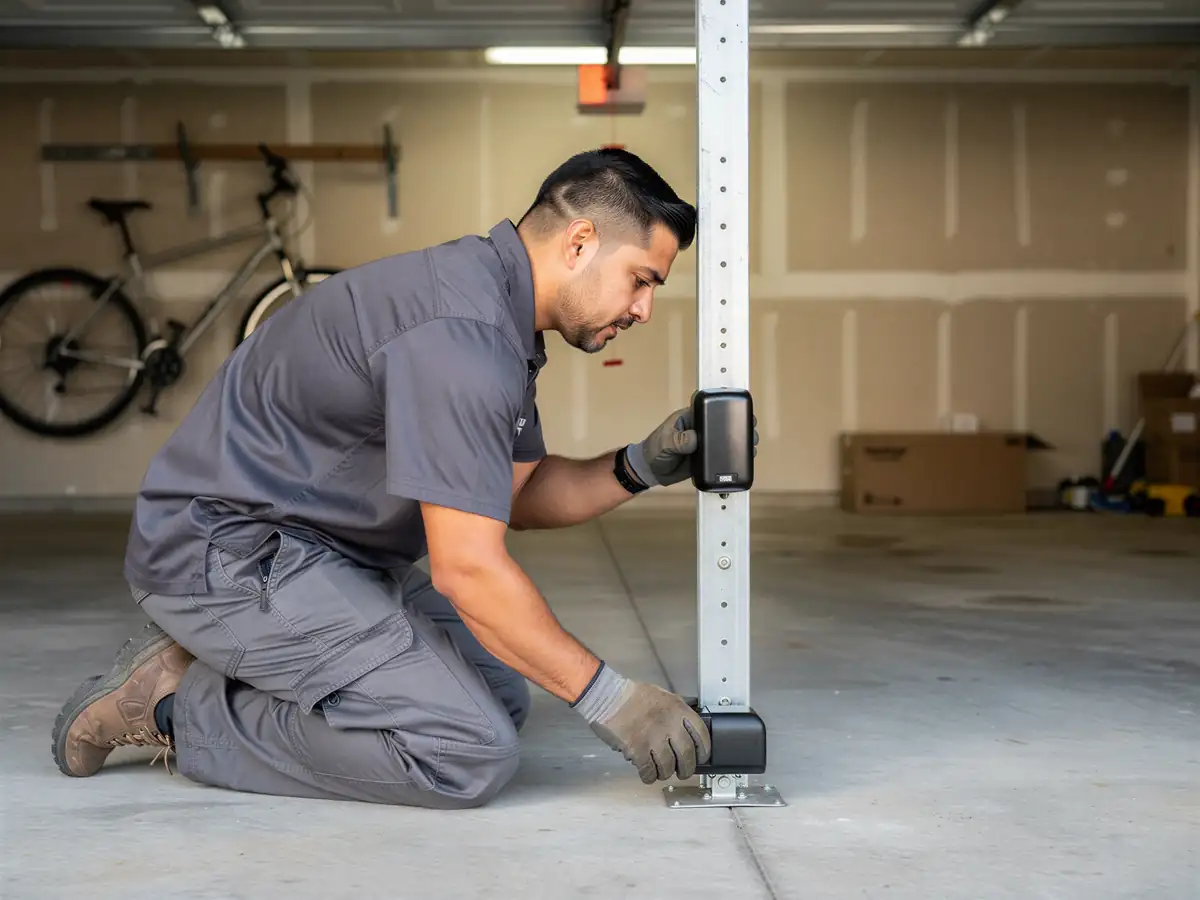
How Long It Takes
A roller swap on a standard double door runs about an hour once the truck is on site, less for a single. Brandermill's housing stock mostly dates from the late 1980s, which means the doors coming up for roller work now are hitting the 35-to-40-year mark on their original steel rollers - old enough that the bearings have dried out and the roller stems have worn an oval groove into the track instead of a round one. That groove is the part that actually slows a job down. If the track has worn unevenly, we're not just swapping rollers, we're checking whether the track itself needs straightening or replacing, and that adds time nobody can quote over the phone. We're coming from Midlothian, about 4 miles out, so the drive itself isn't the bottleneck - the condition of what's already on your door is.
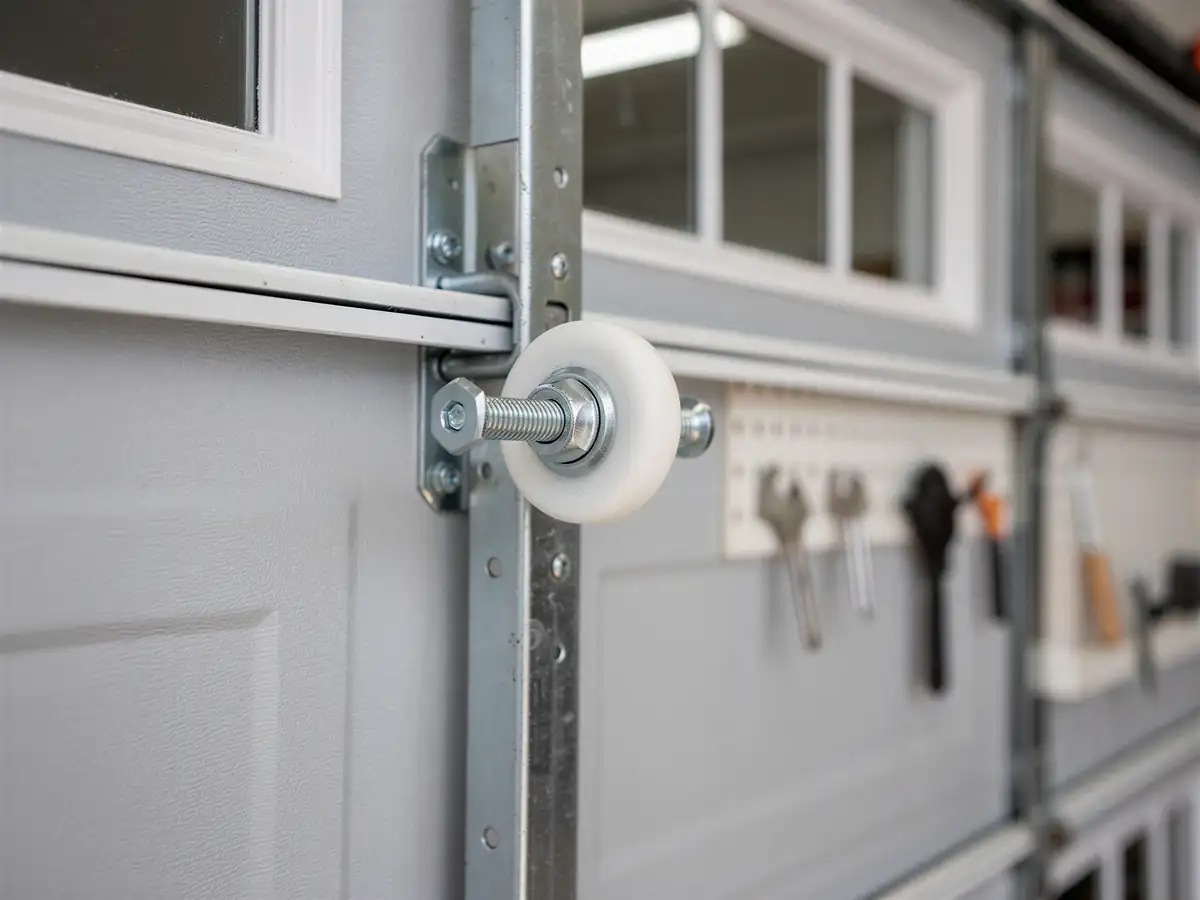
Most of what we see on these later-1980s builds is steel ball-bearing rollers that were standard for that era, now rattling in their brackets. Swapping to sealed nylon rollers quiets the door down immediately, which is usually the first thing an owner notices when the job's done.
Getting It Booked In
Tell us the door's rough age and whether it's making noise, binding, or jumping the track when you call - that's enough for us to bring the right roller stock and not have to run back to the truck twice. We work this area out of Midlothian, so we schedule the drive into the appointment window rather than treating it as a separate stop. There's no local branch here, no second crew based in Brandermill itself - it's the same Midlothian team making the trip every time, which keeps the quote consistent whether the job is here or anywhere else we cover.
If you've already had a spring or opener issue flagged by another company, mention it - roller wear and spring fatigue often show up together on doors from this build era, and it's worth checking both while we're there instead of making you book a second visit.
How We Fix It
We pull the old rollers one at a time, starting at the bottom panel
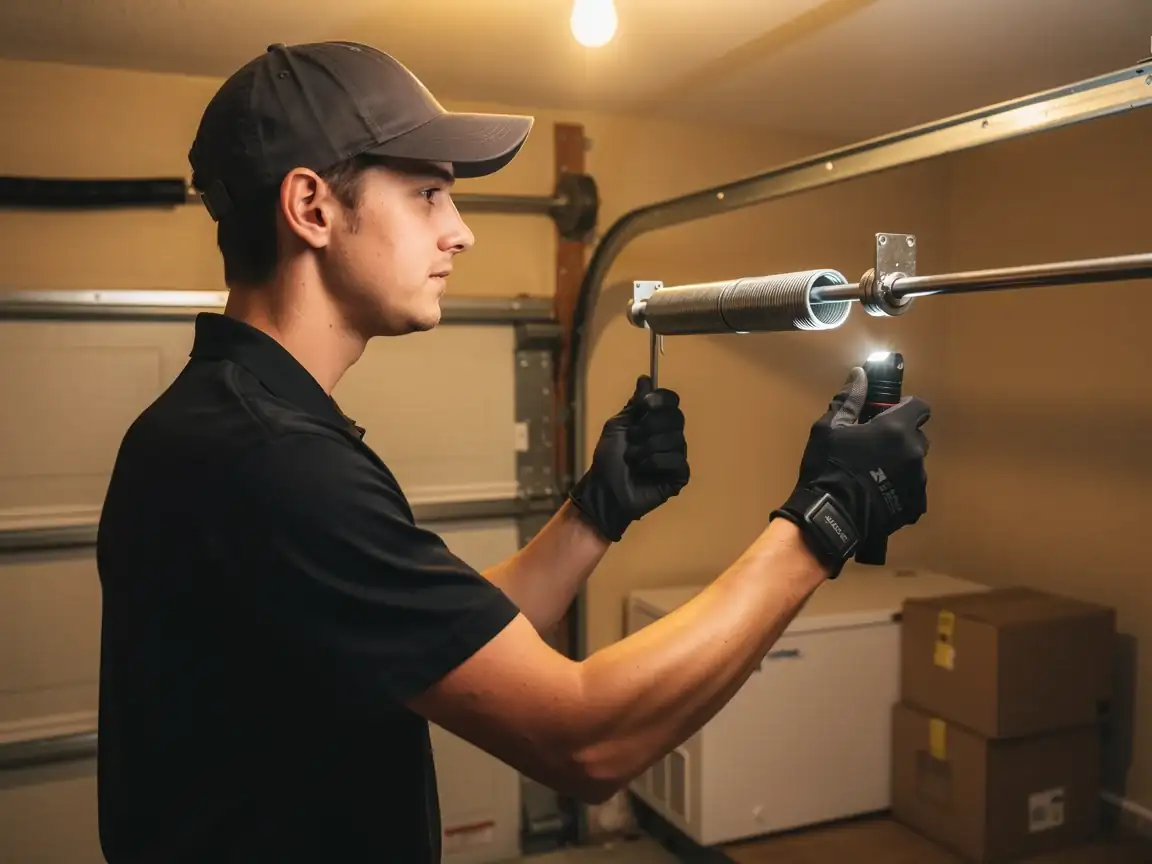
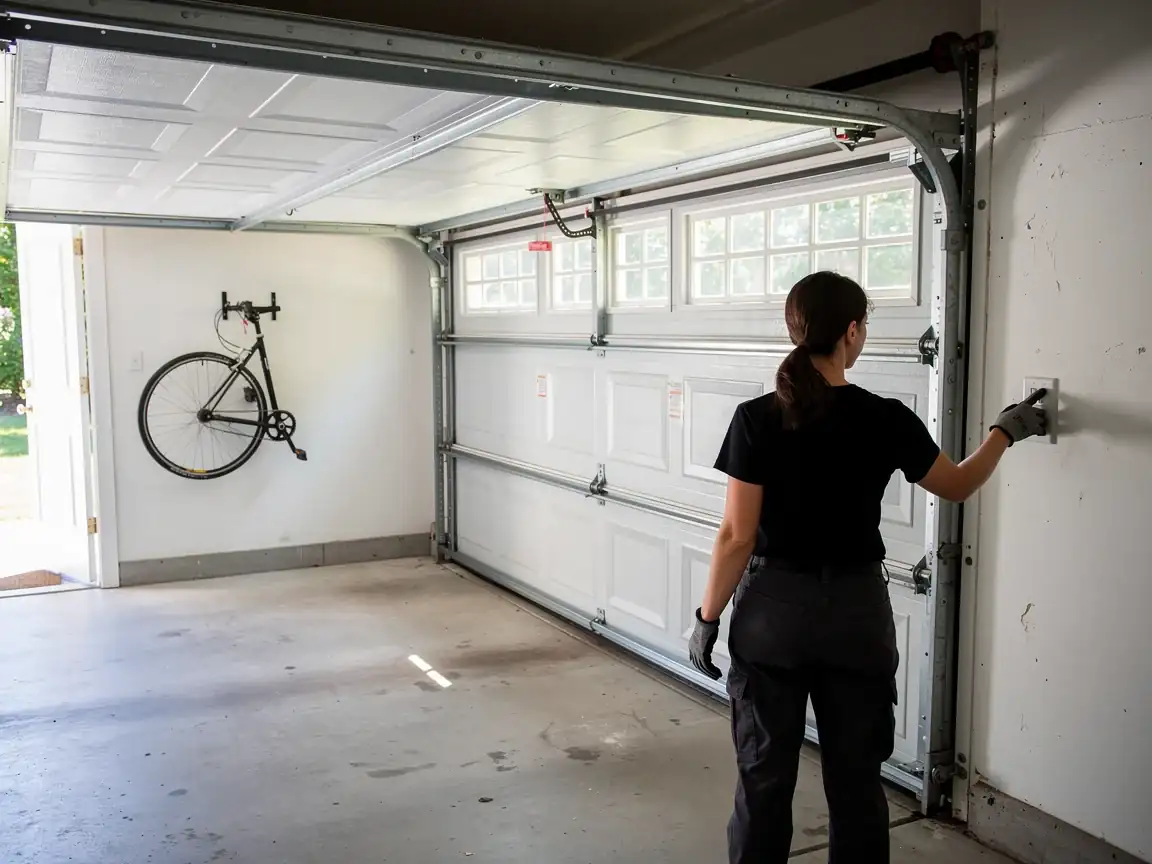
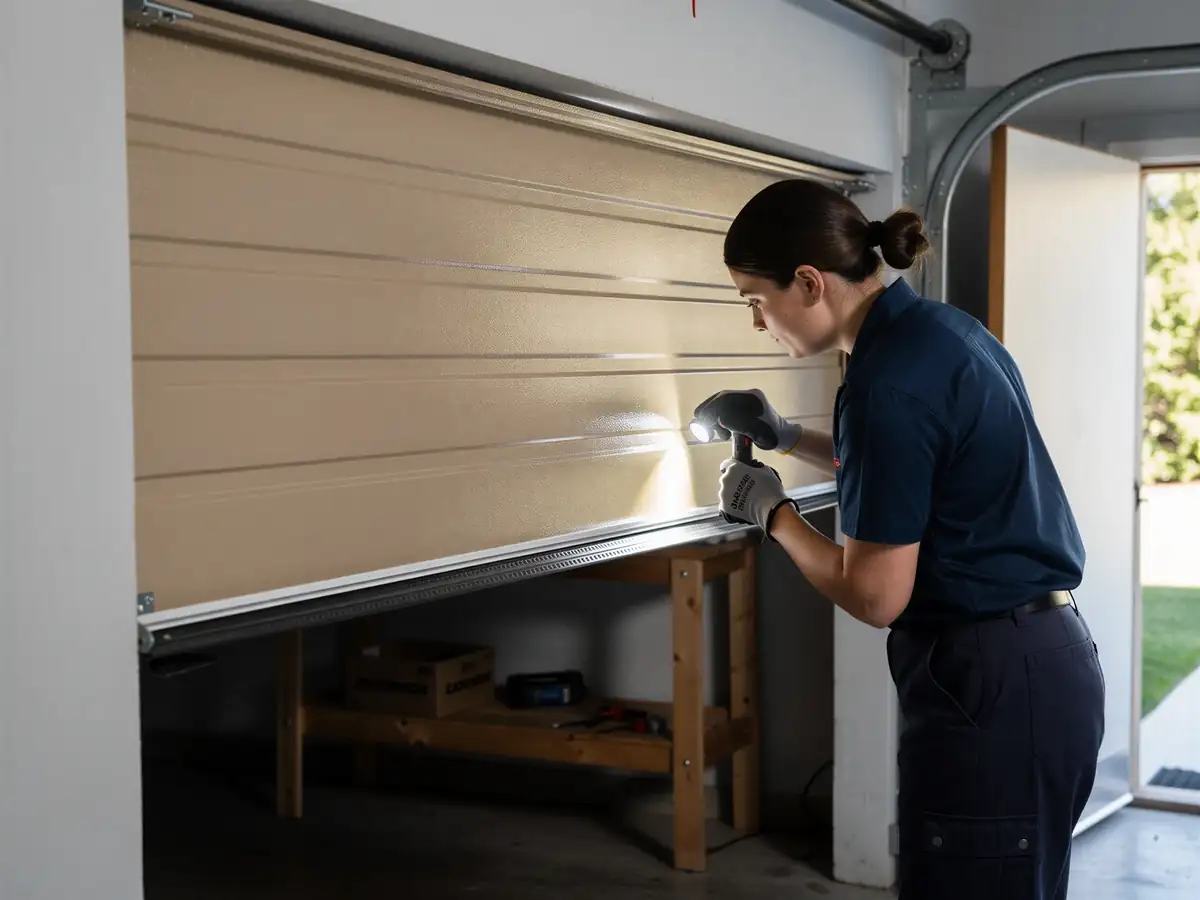
So the door stays supported in the track and doesn't need to come all the way down. Steel rollers from original 1980s installs get replaced with sealed nylon units - quieter, and they don't need the periodic oiling steel ball-bearing rollers do. If the track shows the oval wear pattern from decades of a warped roller stem riding against one edge, we flag it before closing out the job rather than after; a new roller in a worn track just wears the same groove faster.
The area sits in a cold-moderate climate band
And that matters more for rollers than people expect - the metal contracts in winter, grease stiffens, and a roller that was already marginal in October is the one that seizes in January. We use lubricant rated for that swing rather than general-purpose grease, since the wrong lubricant just attracts grit and shortens the next roller's life instead of extending it.
The Symptom
A door with worn rollers doesn't usually fail outright - it just gets loud, then jerky, then it starts catching at the same spot in the track every time. On doors from Brandermill's main build era, that spot is often a few inches from the top, right where the roller stem has worn the track wide enough to let the roller wobble instead of ride true. You'll hear a grinding or popping sound before you see any visible damage, and the opener will start working harder to pull the door through that section, which shows up as a slight hesitation in the motor.
If the door shudders across its whole travel rather than catching at one spot, that's a different problem - usually spring balance, not rollers - and swapping rollers alone won't fix it. We'll tell you straight if that's what we're looking at rather than selling rollers for a spring problem.
Where This Job Goes Sideways
The job gets more expensive when the track has worn far enough that it needs replacing alongside the rollers - common once a door has run 35-plus years on its original hardware, which is where a lot of Brandermill's late-1980s doors are sitting now. Track isn't something we stock pre-cut for every width, so if yours needs it, that can mean a short delay rather than a same-visit fix.
The other place it goes sideways is a door that's had steel rollers for decades and never been re-lubricated - the grease has gone gummy and actually masked how worn the bearings were. Once we pull it and clean the track, we sometimes find the stem itself is bent, not just the roller. That's a cheap part, but it's one more thing to source, and we'd rather tell you upfront than quote low and come back later.