Getting It Booked In
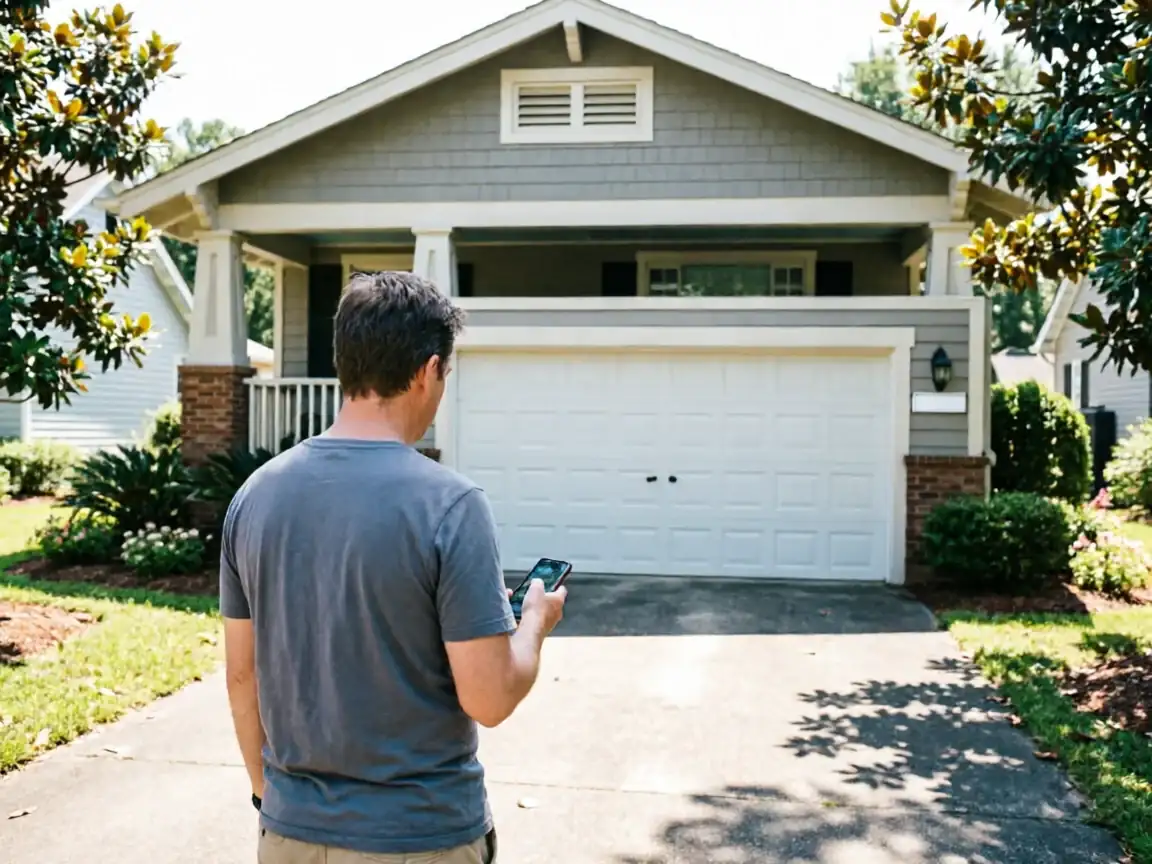
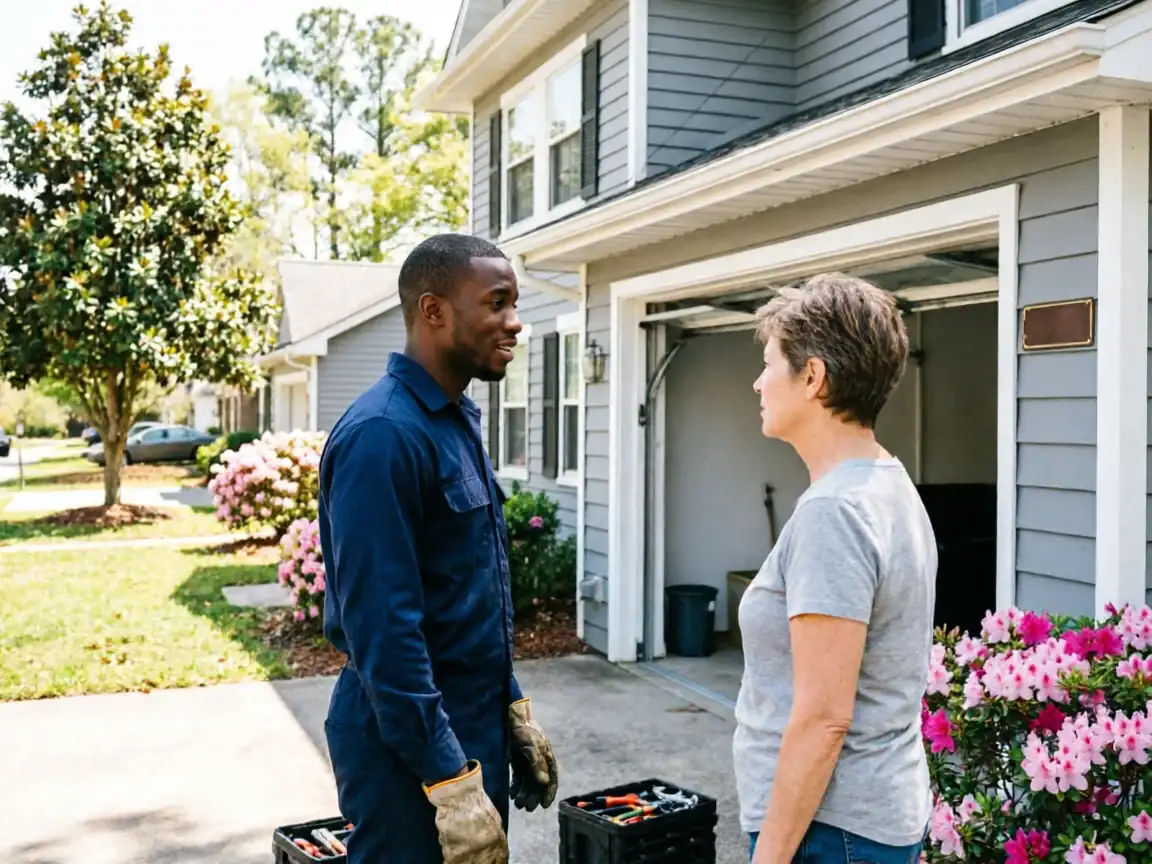
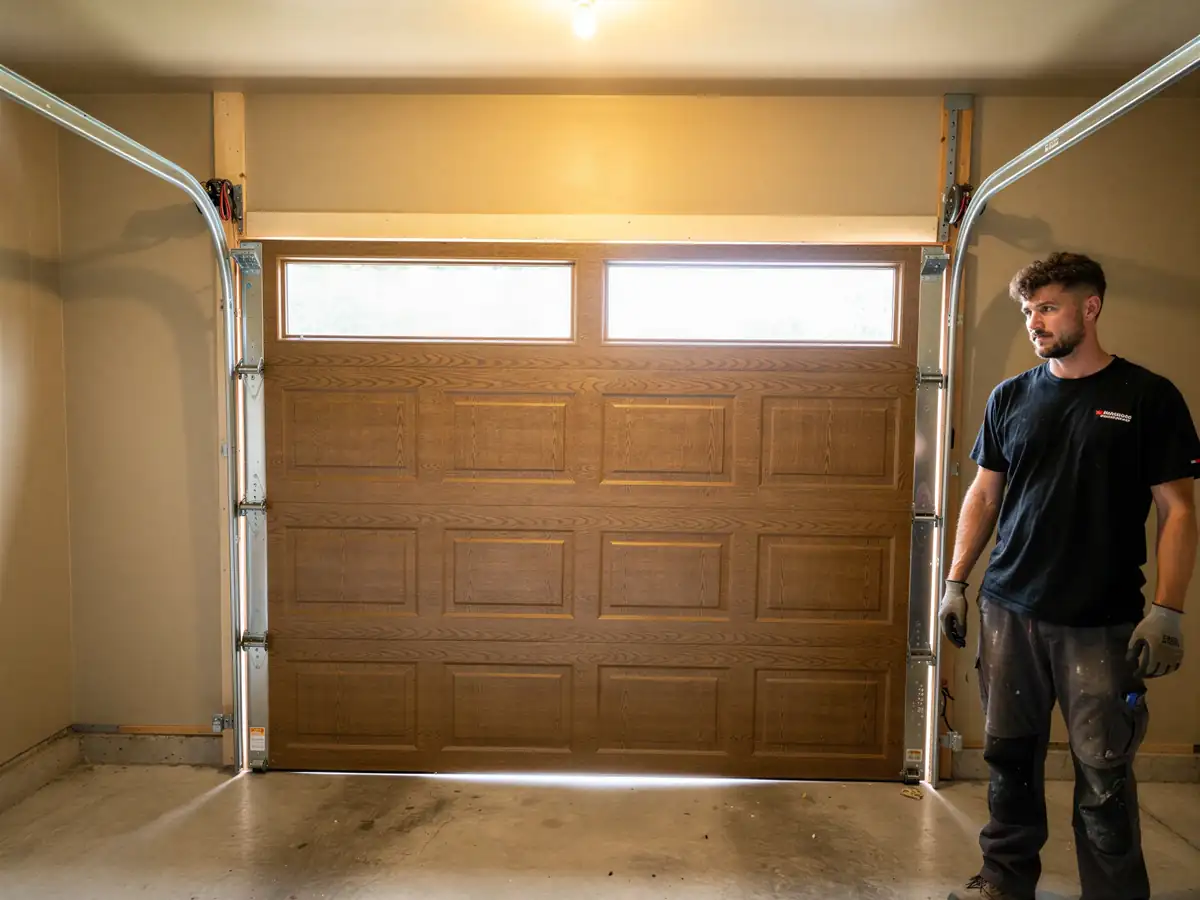
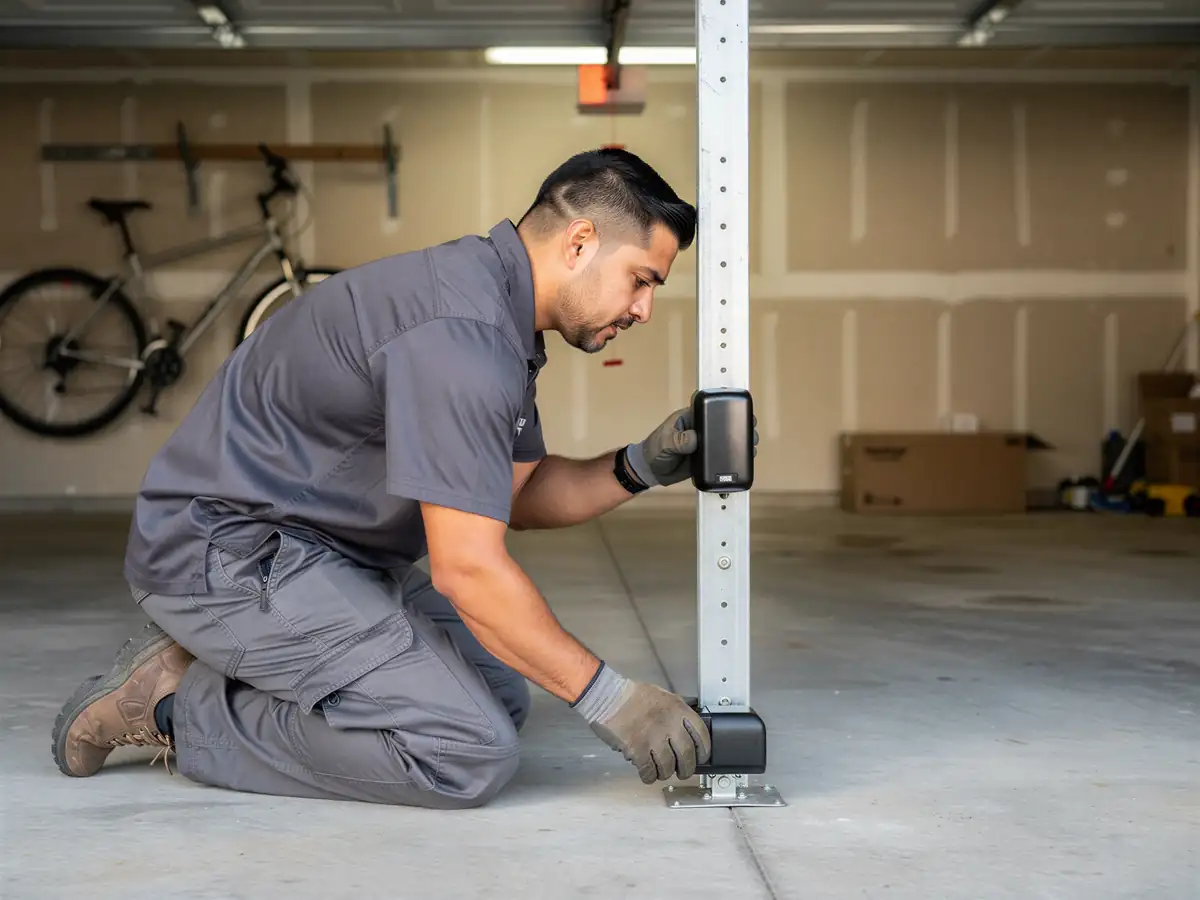
Woodlake sits about 5 miles out from our shop in Midlothian, which is a short run on a normal day but it means we schedule maintenance visits in blocks rather than one-off same-hour stops. If you call for a tune-up, we're not driving past your street already - we're coming out to you specifically, so it helps to book a day or two ahead rather than expecting a same-morning slot. That 5-mile stretch is mostly open road, nothing that turns a routine visit into a half-day job, but it's still a dedicated trip, not a drive-by. We'd rather set a real appointment window than promise a response time we can't back up from across town.
What You Pay
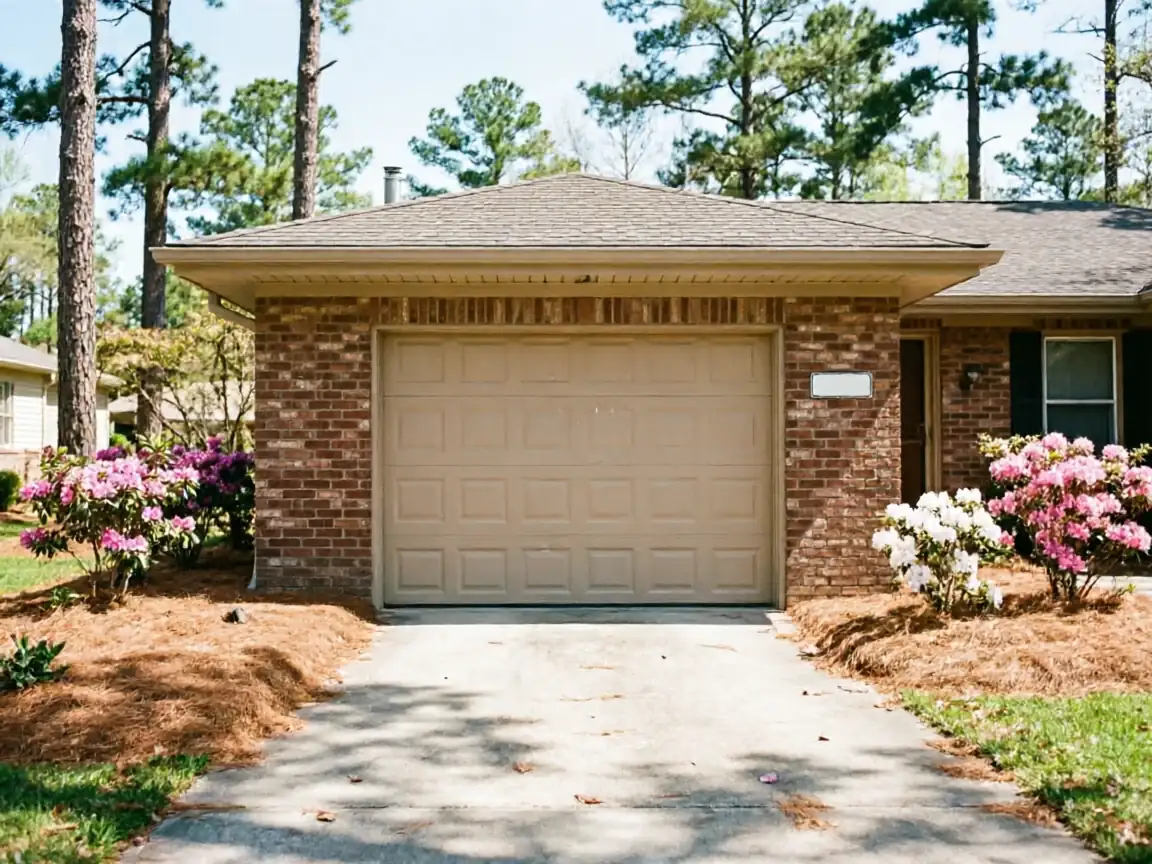
We don't have a published price list for maintenance visits specific to Woodlake, and we're not going to guess at a number here. What we can tell you is that Woodlake's housing stock - mostly built around 1989, newer than much of the wider service area where the median build year is 1979 - tends to need less in the way of rust-seized hardware and more in the way of worn rollers, stretched cables, and openers that are old enough to need a sensor check but young enough that parts aren't a problem. That generally keeps a maintenance call simpler than it is on an older door. Call and we'll quote the actual job once we know what's on the house.
What Causes It Around Here
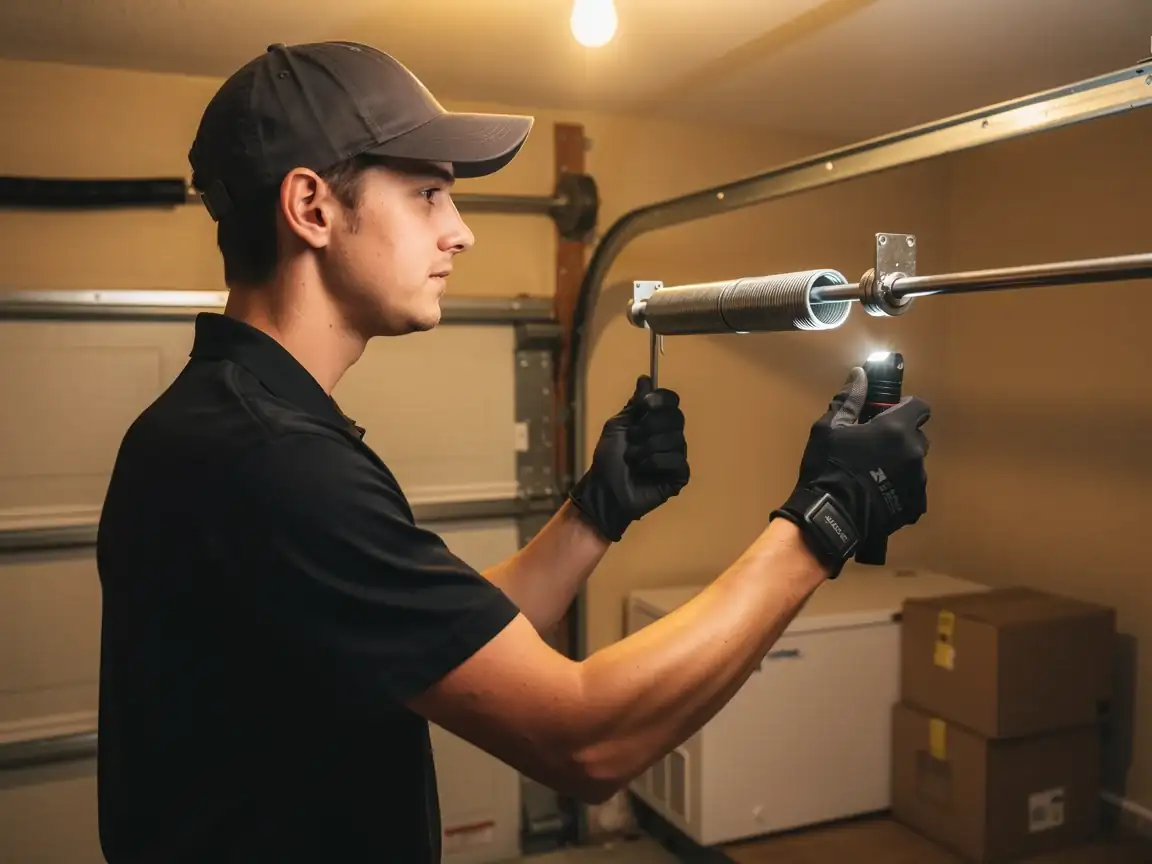
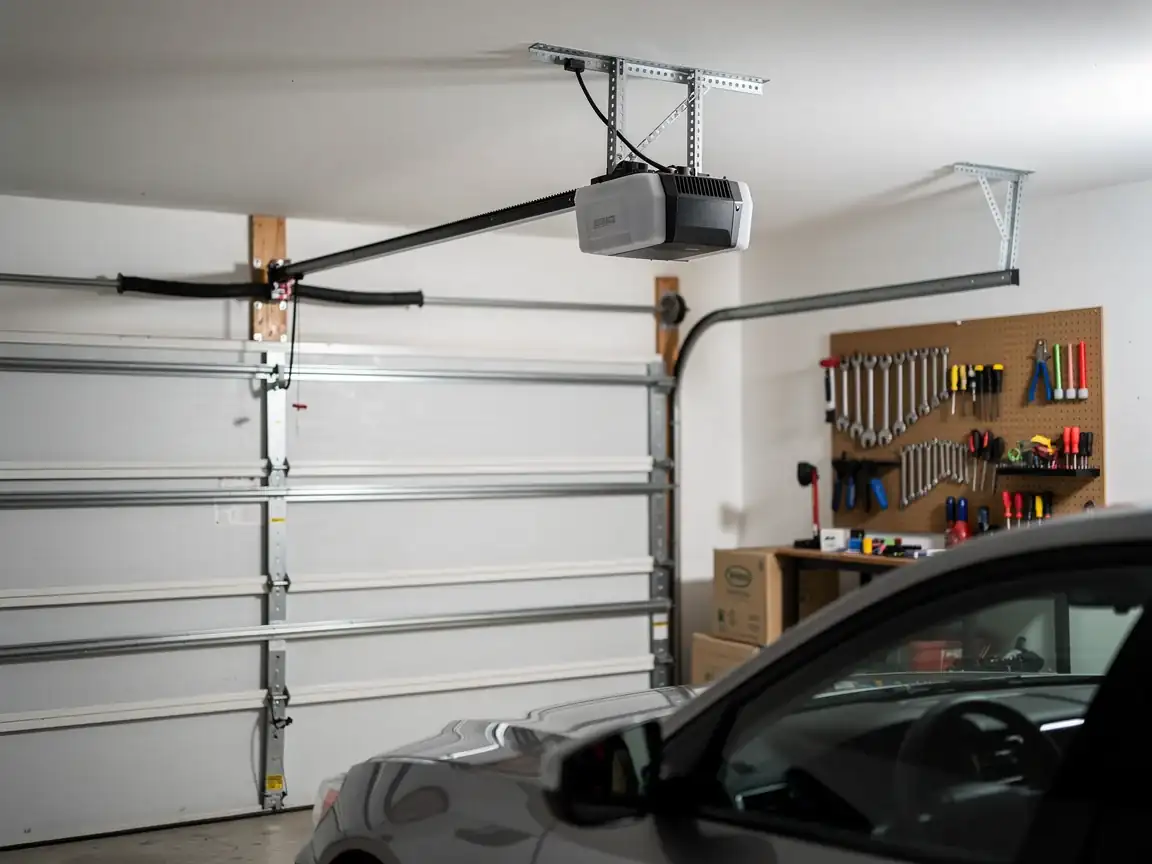
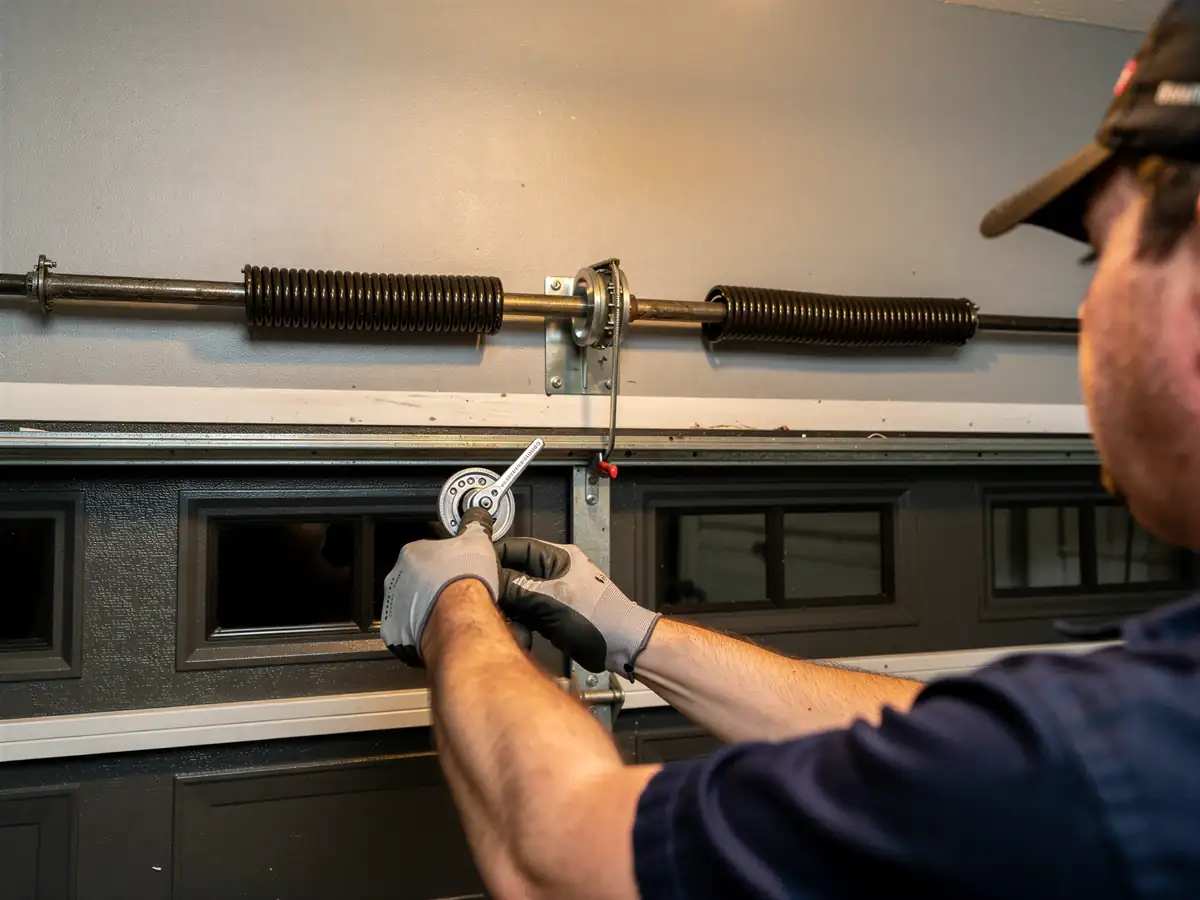
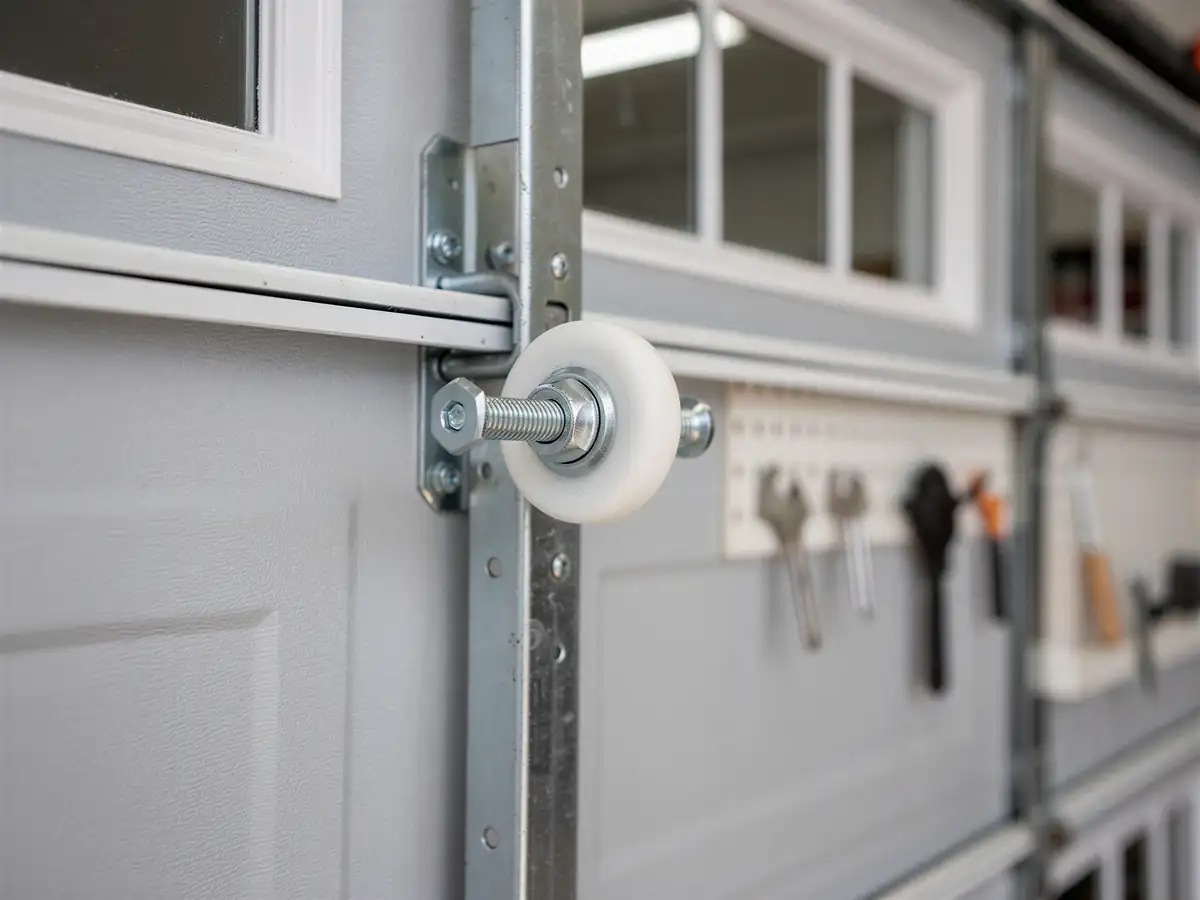
A door built around 1989 is old enough now that original springs and cables are past or near the end of their rated cycle count, even if the door still looks fine and opens without obvious complaint. That's the main driver of maintenance calls in Woodlake - not storm damage, not a bent track from a car backing in wrong, just metal that's done 20-plus years of daily cycling. The cold-moderate climate here doesn't do the hardware any favors either: winter stiffens grease and nylon rollers, which shows up as a noisier door before it shows up as a broken part. None of that is dramatic. It's just time catching up with 1980s-era hardware.
The Symptom
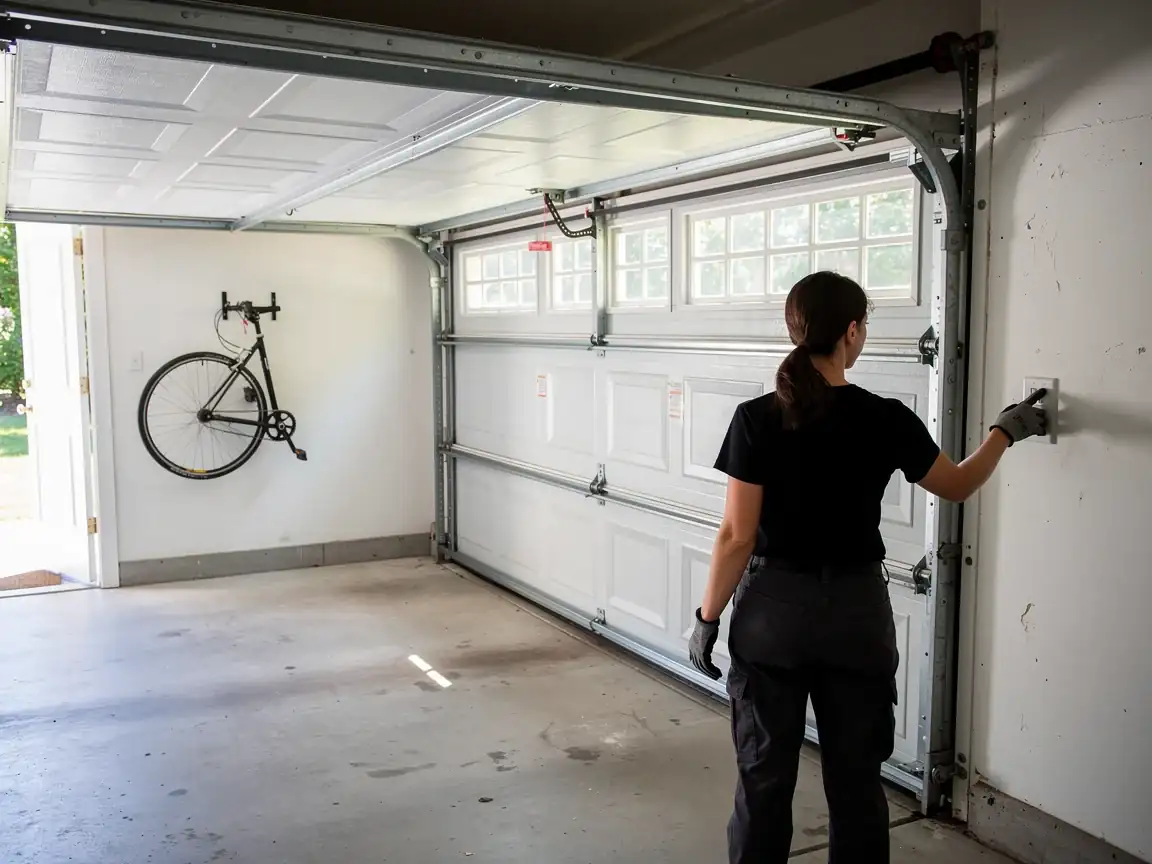
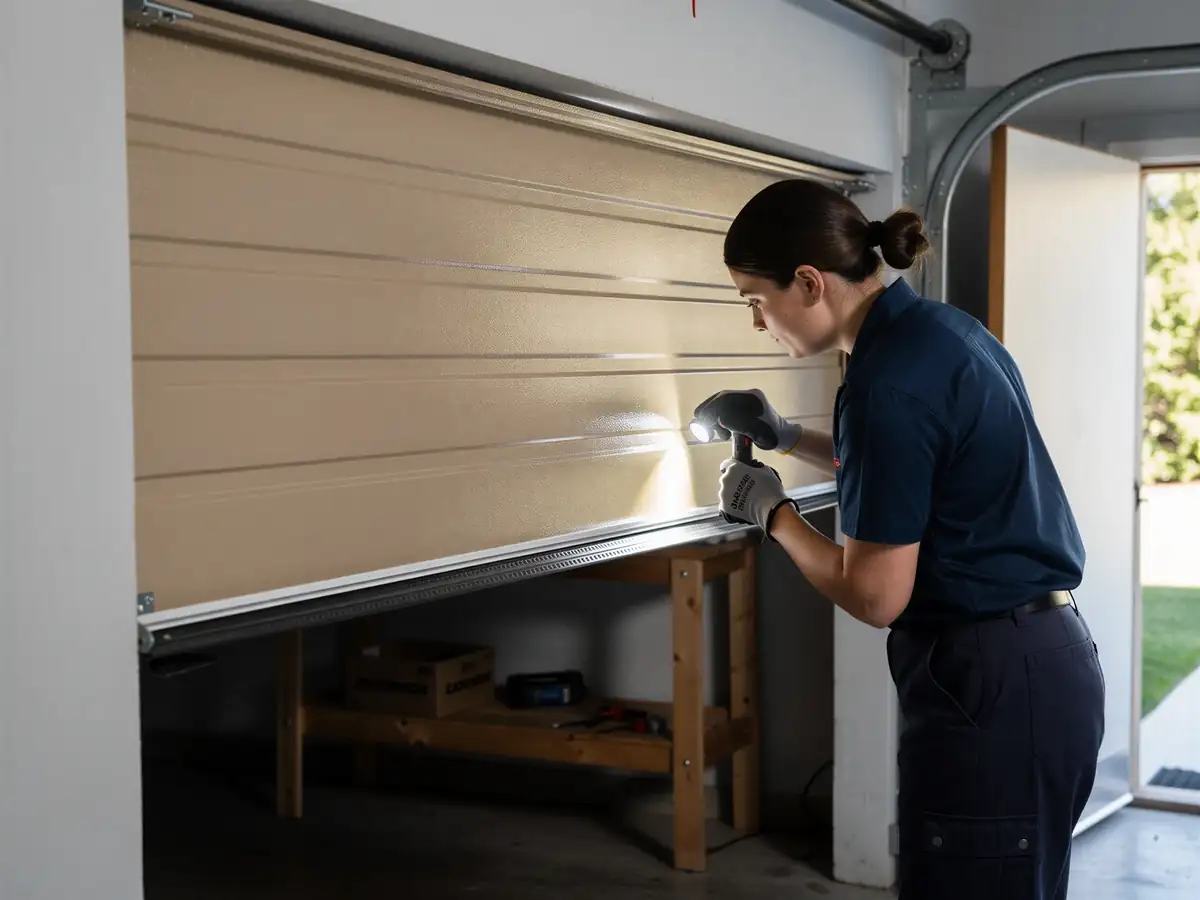
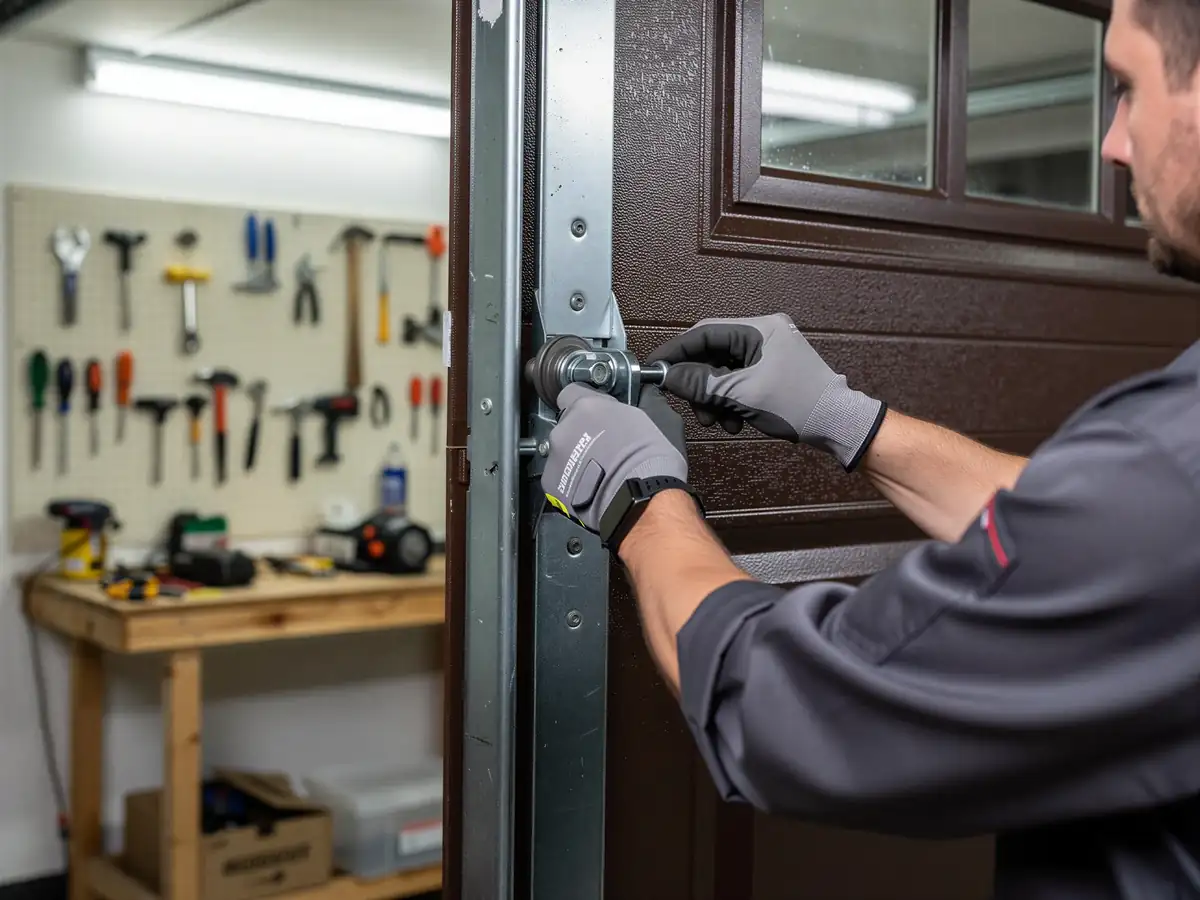
The call we get most from this part of the service area is a door that's started groaning or jerking partway through its cycle - not stuck, not off the track, just rougher than it used to be. On a house this age that's almost always a lubrication and roller issue rather than anything structural, and it's the kind of thing that's cheap to fix now and expensive to ignore. Left alone for another year or two, that roughness turns into a cable that frays or a spring that goes without warning. If your door's doing that right now, it's worth a maintenance call before it turns into a repair call.