Getting It Booked In
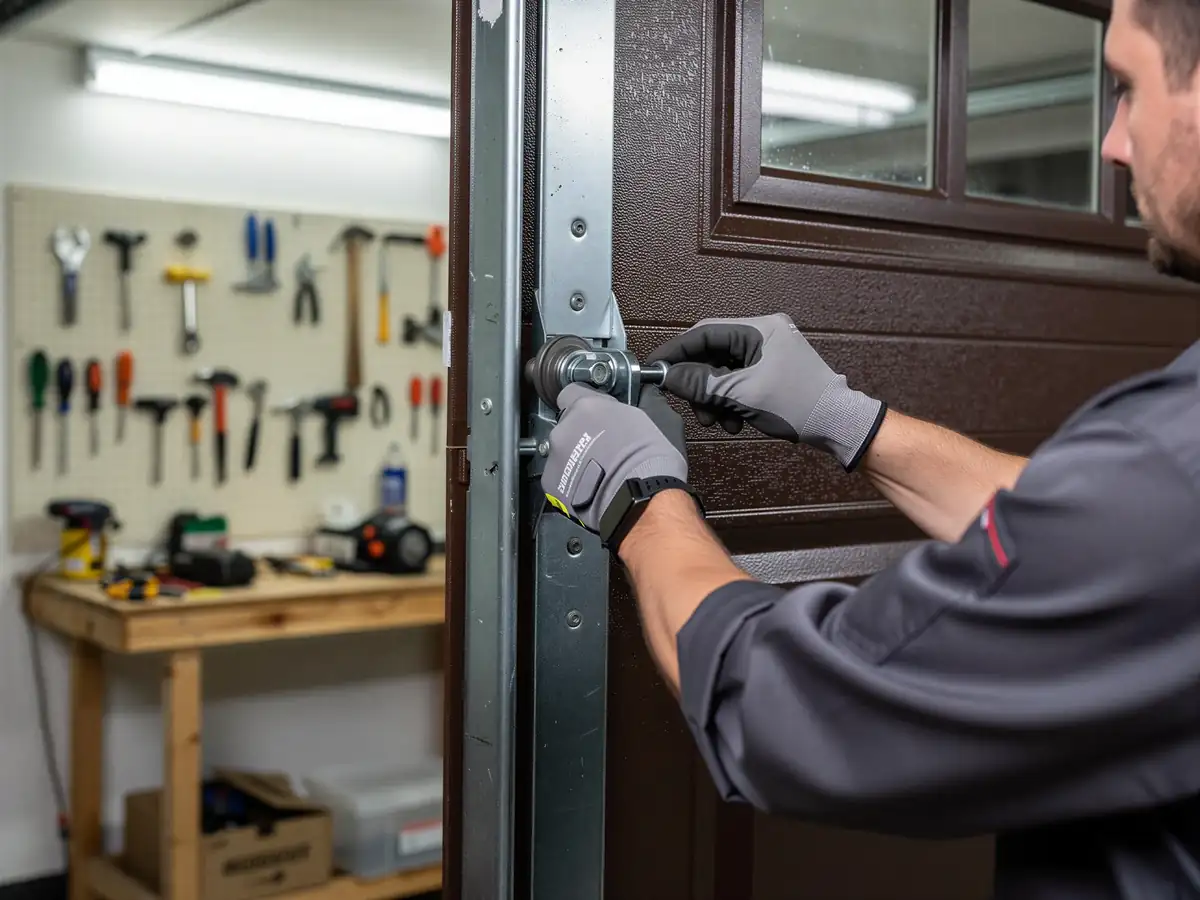
We run this job out of Midlothian, about 5 miles from Woodlake, so there's no local branch to call - just a truck that comes to you. Roller replacement is a same-visit job once we're on site: no parts order, no second trip, because rollers are something we carry stocked rather than special-order. Tell us the rollers are grinding, catching, or the door is riding crooked in the track and we'll bring the right wheel diameter for a door built around 1989, which is a different stem length and wheel size than what you'd find on a house from the area's older 1960s-70s stock. If you're not sure what's wrong, that's fine - describing the noise is usually enough for us to guess the cause before we even open the truck.
What You Pay
We don't have a posted price for this job - it depends on whether you're replacing a full set of ten rollers or just the two or three that are shot, and whether you want standard nylon or sealed-bearing. What we can tell you is that Woodlake sits in a part of the service area with median household income around $133,782, well above the service area's overall median of $69,917, and we see more owners here opt for the sealed-bearing upgrade up front rather than replace rollers twice. That's a choice, not a requirement - the standard nylon roller does the job fine on a well-maintained track.
What Causes It Around Here
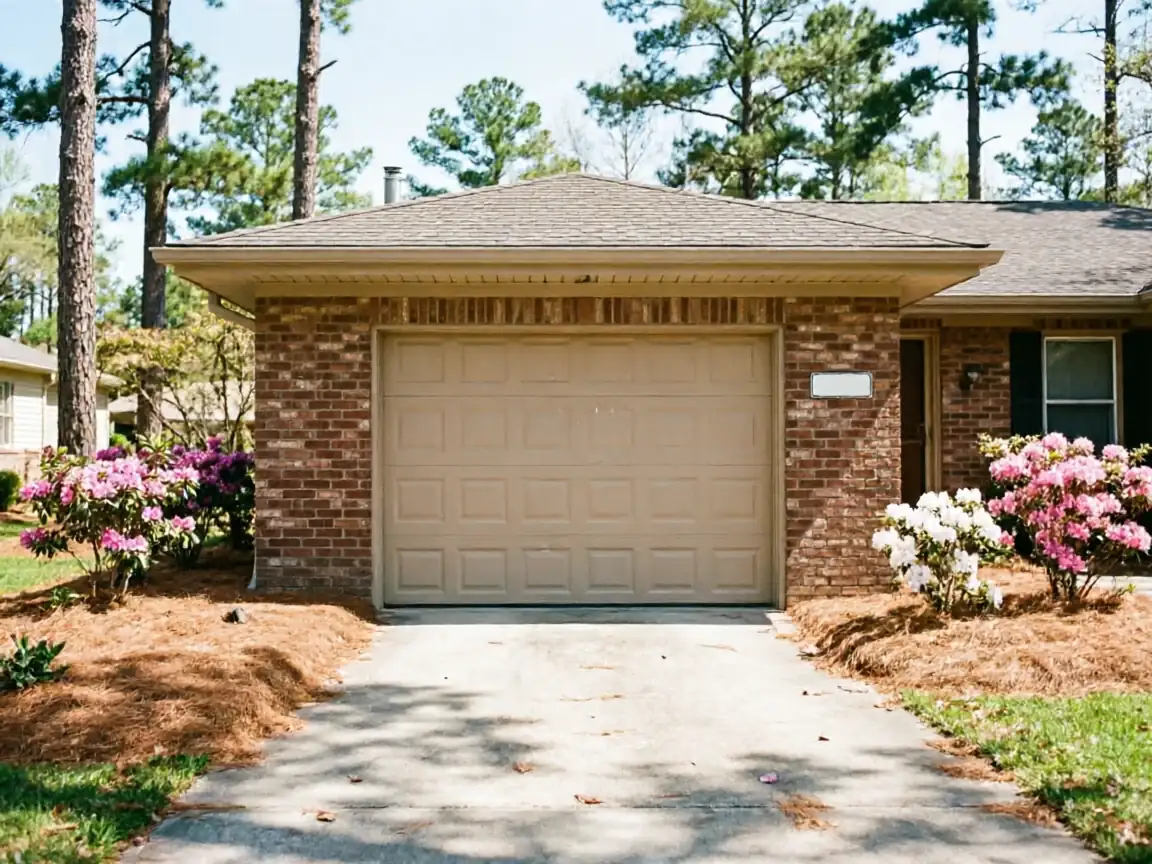
With 2,701 households in Woodlake and a build era centered on 1989, most of the roller failures we see are wear, not damage - eighteen-plus years on the original nylon rollers with no lubrication is enough to crack the wheel or wear the bearing loose. The cold winters here, part of the broader cold-moderate climate band across the service area, stiffen the nylon further and make a marginal roller fail on the first hard freeze rather than fail gradually. That's different from brand-new installs, which rarely need this call, and different from the 1960s-70s doors elsewhere that are often on original steel rollers instead of nylon.
The Symptom
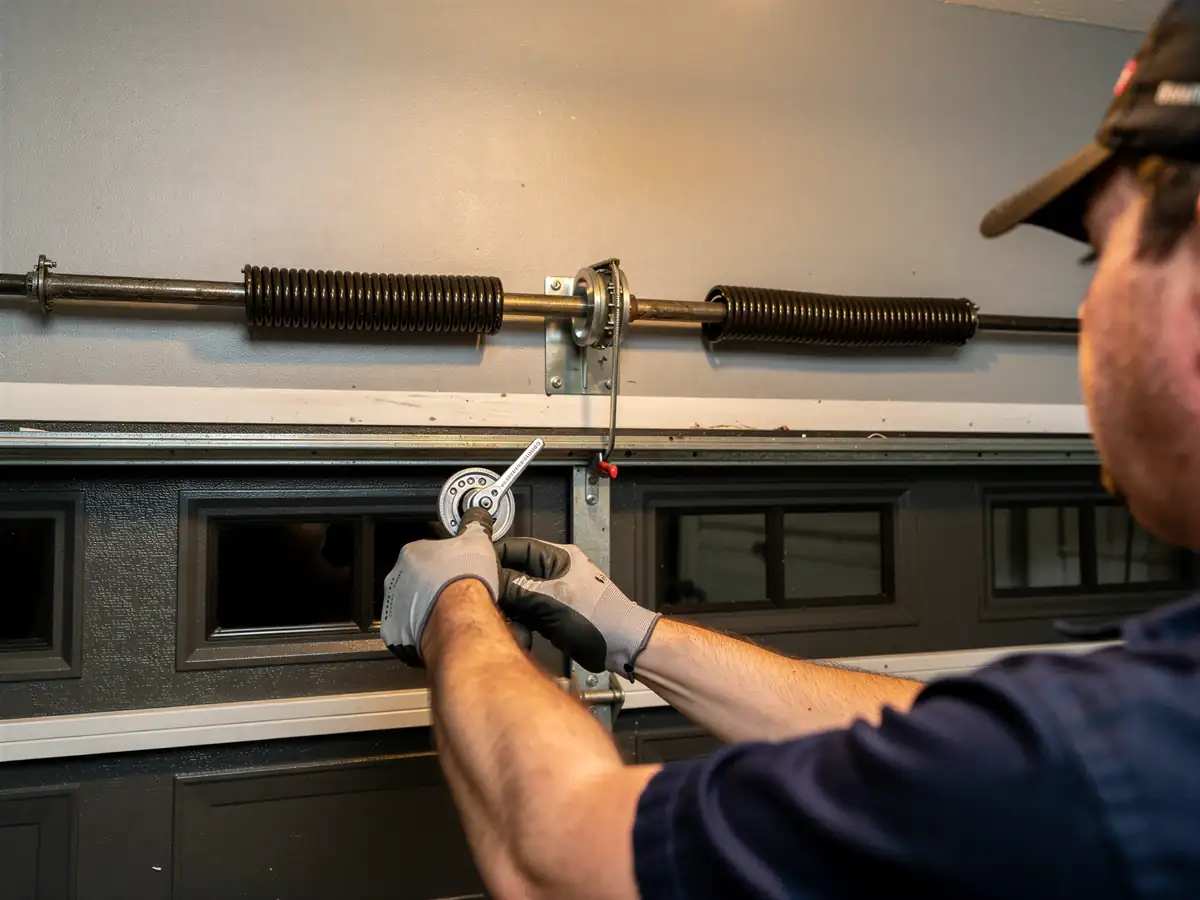
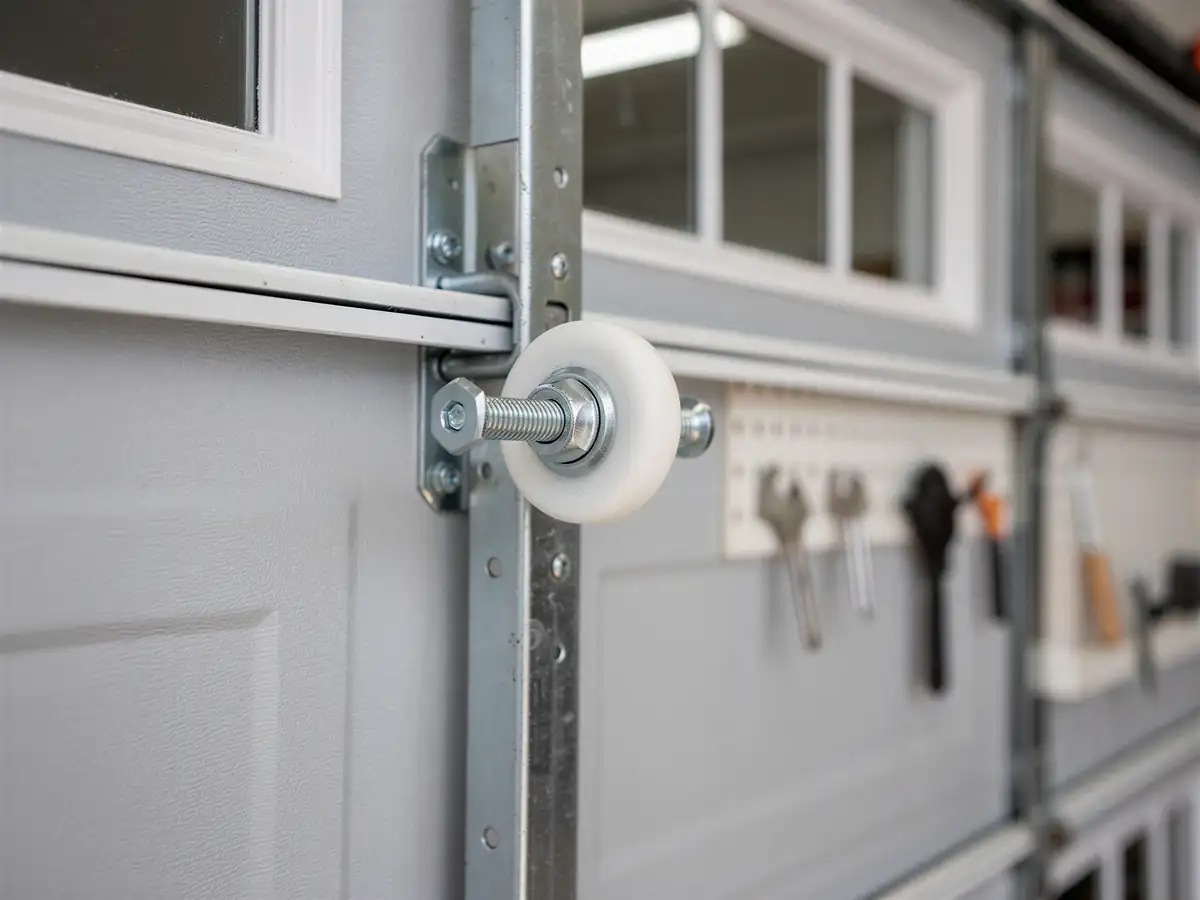
A bad roller usually sounds like a rhythmic thunk or squeal as the door moves, worse at the top or bottom of the track where the curve puts more load on the wheel. On the later 1980s doors common in Woodlake, you'll often see the door hesitate or jerk at one specific point in the travel rather than binding the whole way - that's a single failed roller, not a track or opener problem. If every roller is making noise and the door feels heavy to lift by hand, that's wear across the whole set rather than one bad wheel, and it's worth replacing them together instead of one at a time.