Getting It Booked In
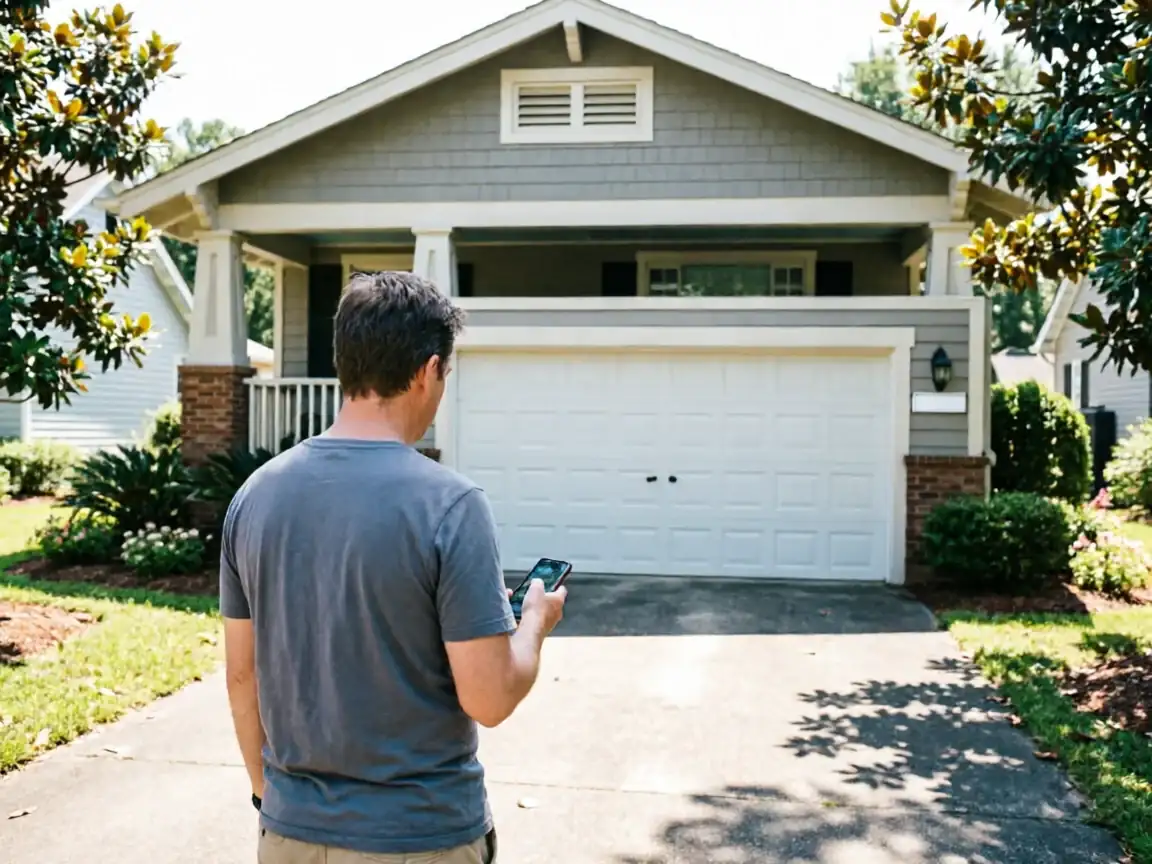
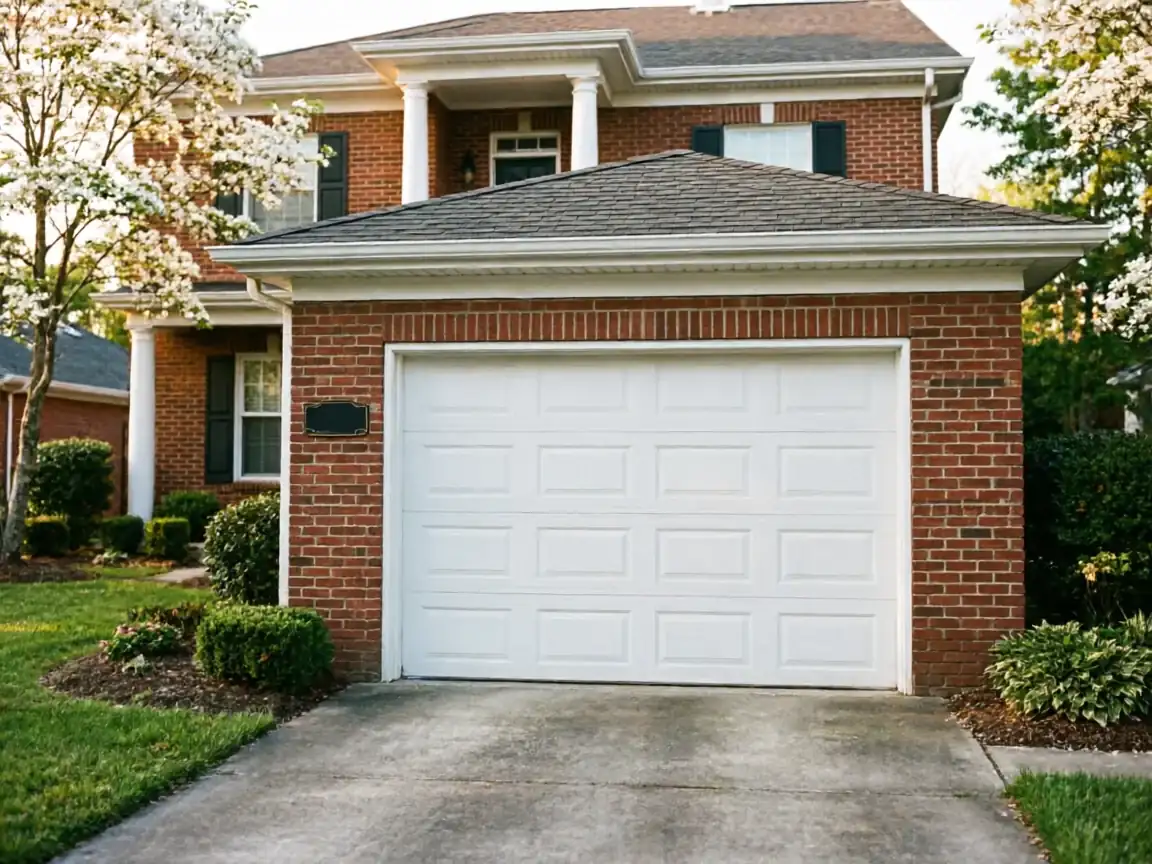
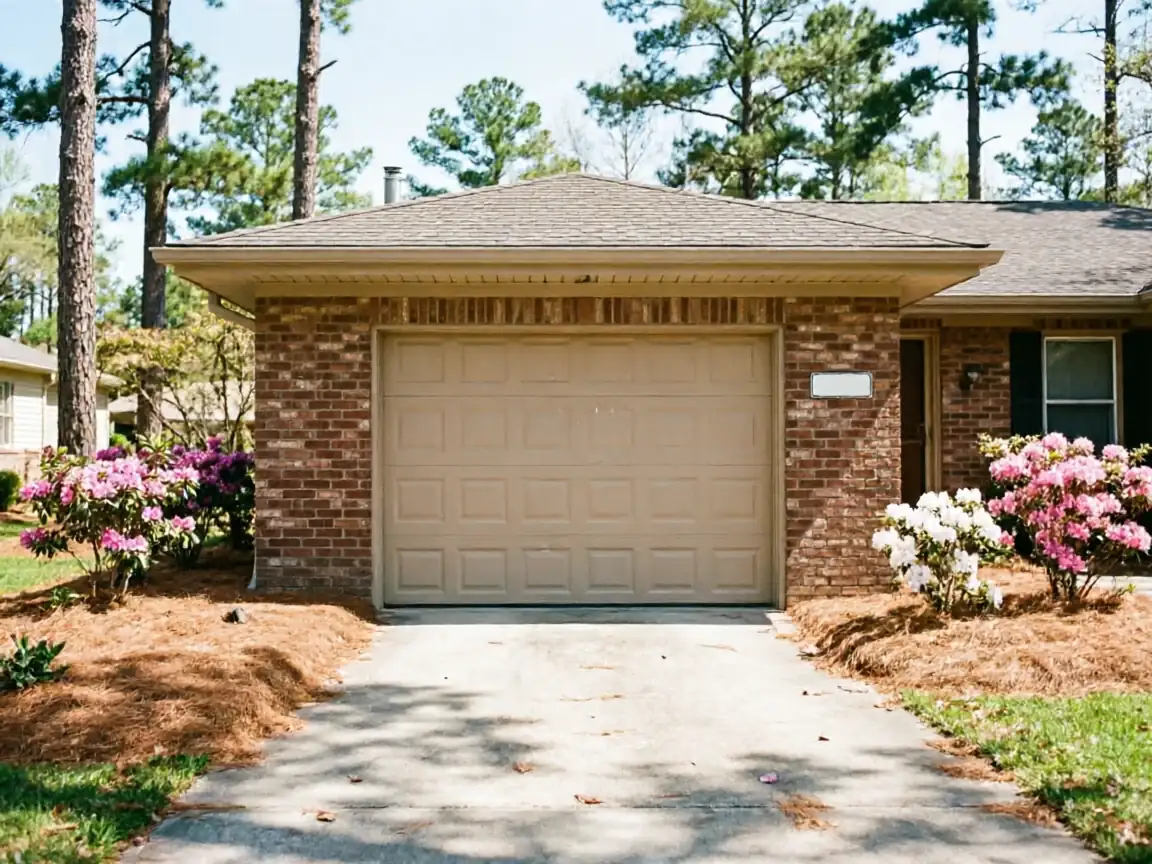
We run out of Midlothian, about 5 miles from Woodlake, so there's no local branch to call - just a truck that comes over when you book a job. That short drive matters less than it sounds; what matters is knowing which door you've got before anyone shows up. Woodlake's houses mostly went up after 1989, well after the bulk of the older 1960s-70s stock that makes up a lot of this service area. That later build date means standard steel sectional doors on consistent track spacing, not the mismatched retrofits you find in older sections. When you call, have the door's age and whether it's ever been replaced ready - it cuts the guesswork on parts before the truck even leaves.
What You Pay
Woodlake's median household income runs $133,782, well above the service-area median of $69,917, and that changes the repair-or-replace math. At this income level, a lot of homeowners skip patch repairs on a damaged panel and go straight to full replacement once two or more panels are dented or rusted through, since the labor cost of hunting down a matching color-matched panel often approaches half of a new door anyway. For a single cracked or caved panel on an otherwise sound door, a targeted panel swap still makes sense here. We don't publish a flat number because panel pricing depends on the door's width, insulation, and whether the manufacturer still stocks that profile - something we confirm before quoting, not after.
What Causes It Around Here
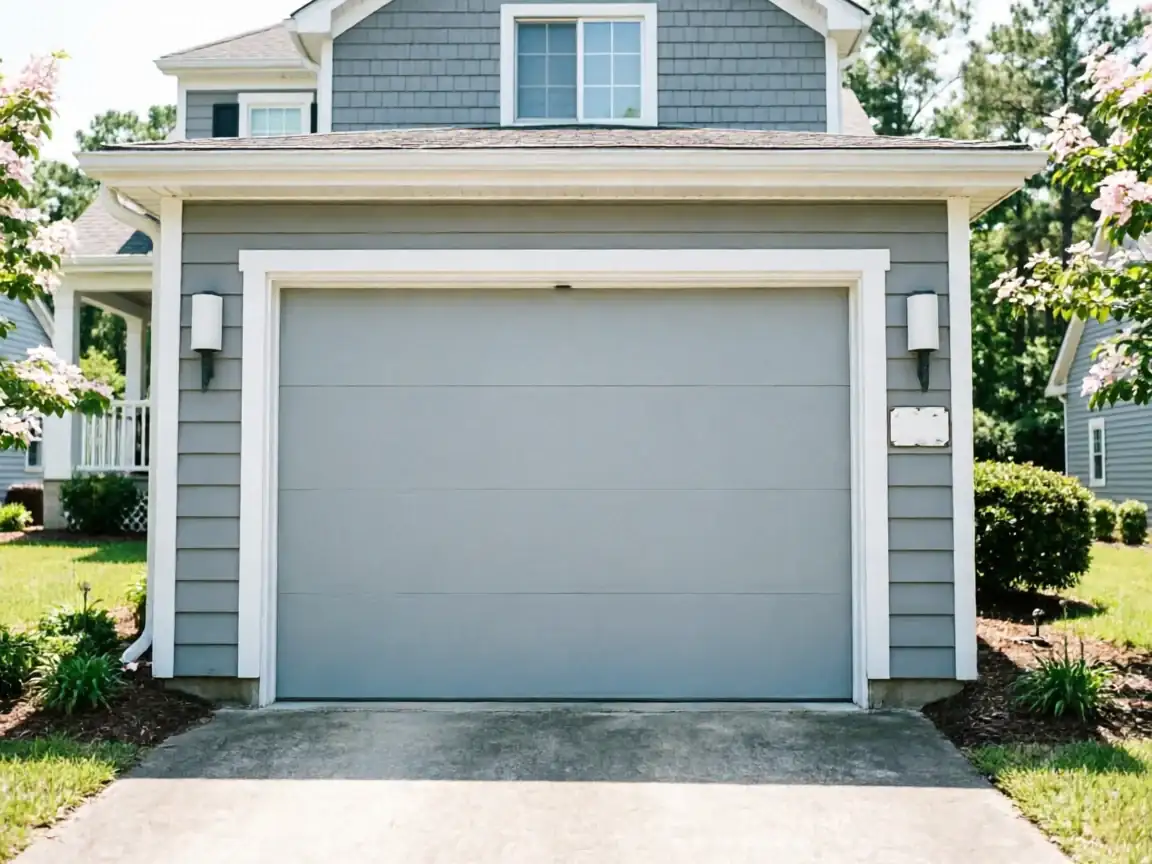
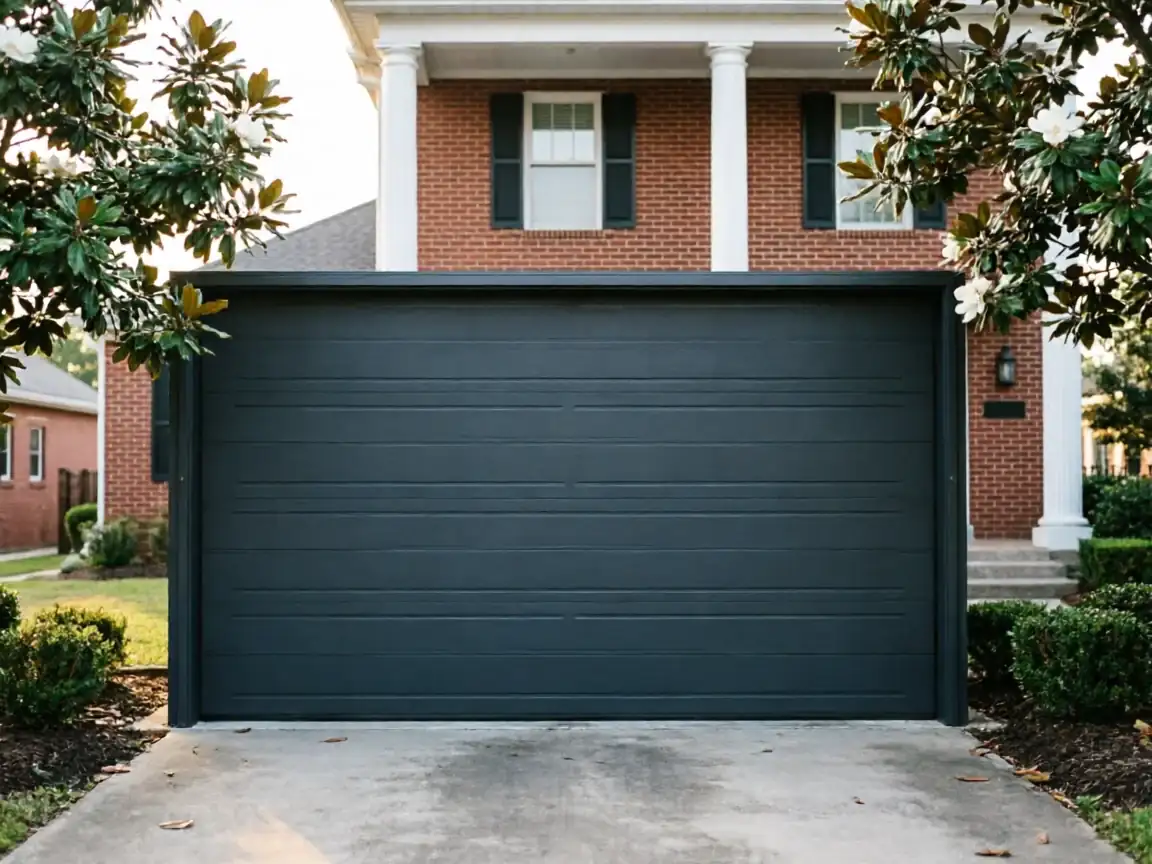
Richmond's cold-moderate winters put real stress on steel panels through freeze-thaw cycling, especially on doors facing north or shaded most of the day. In Woodlake, where most doors are newer steel sectional units rather than older one-piece or wood-composite doors, the common failure isn't rot or warping - it's impact damage. A trailer hitch, a basketball, a car bumper clipping the bottom panel on a slight incline driveway. Because these doors are younger, the steel is thinner-gauge than the heavier doors built decades earlier, so a solid hit dents rather than just scuffs, and that dent usually telegraphs into the track alignment on that side.
The Symptom
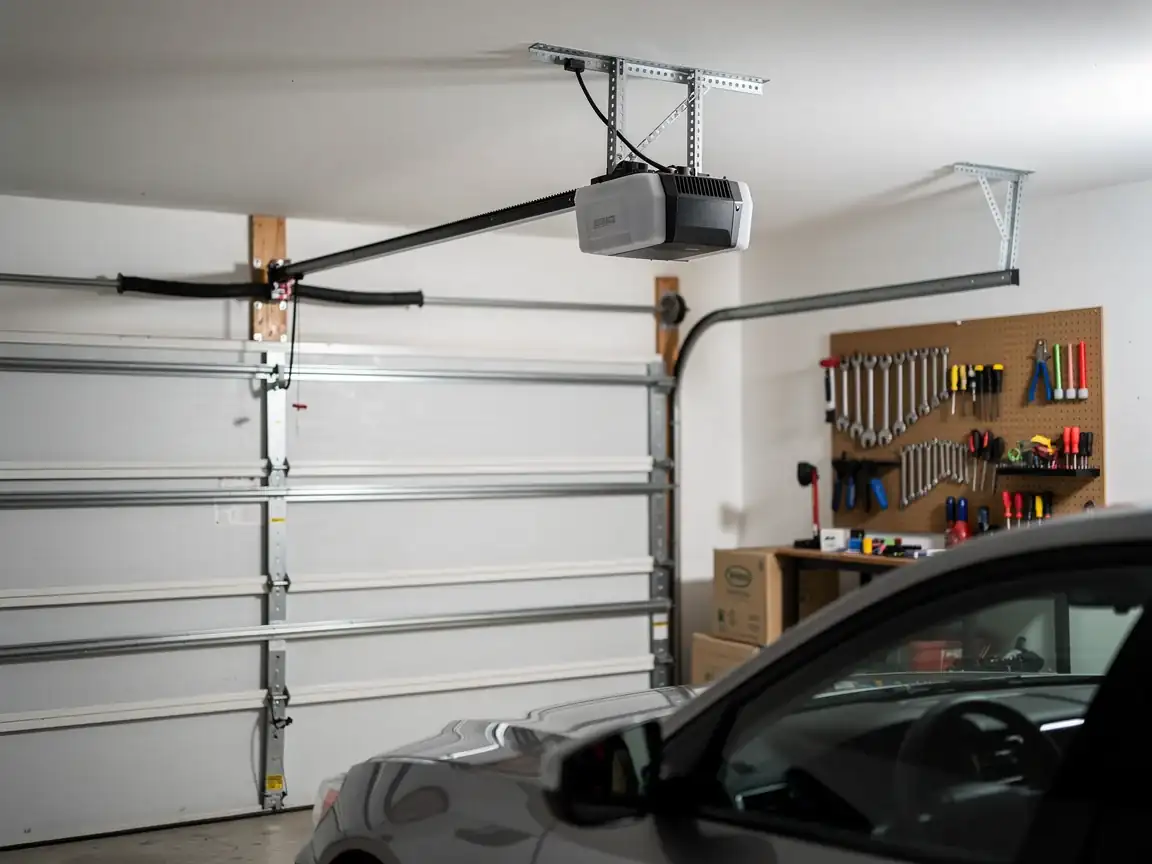
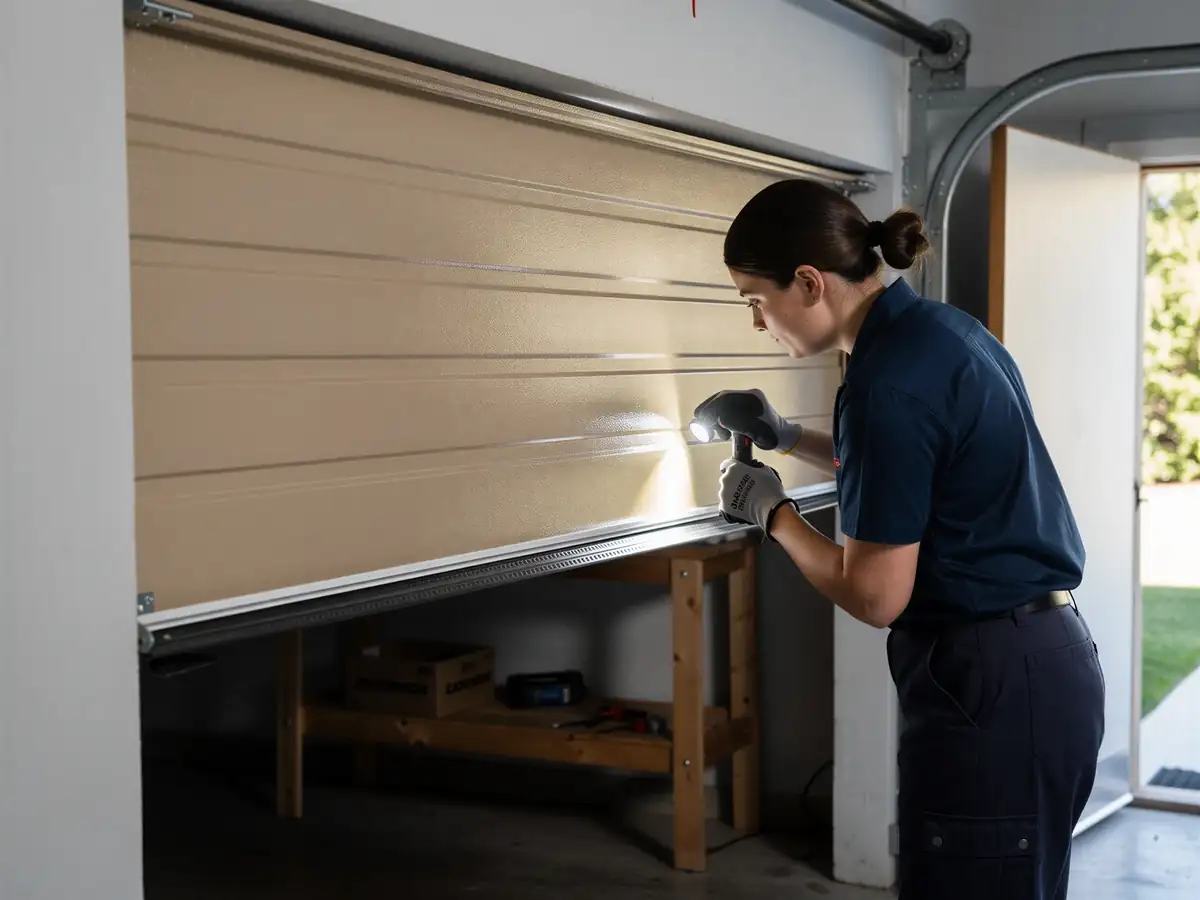
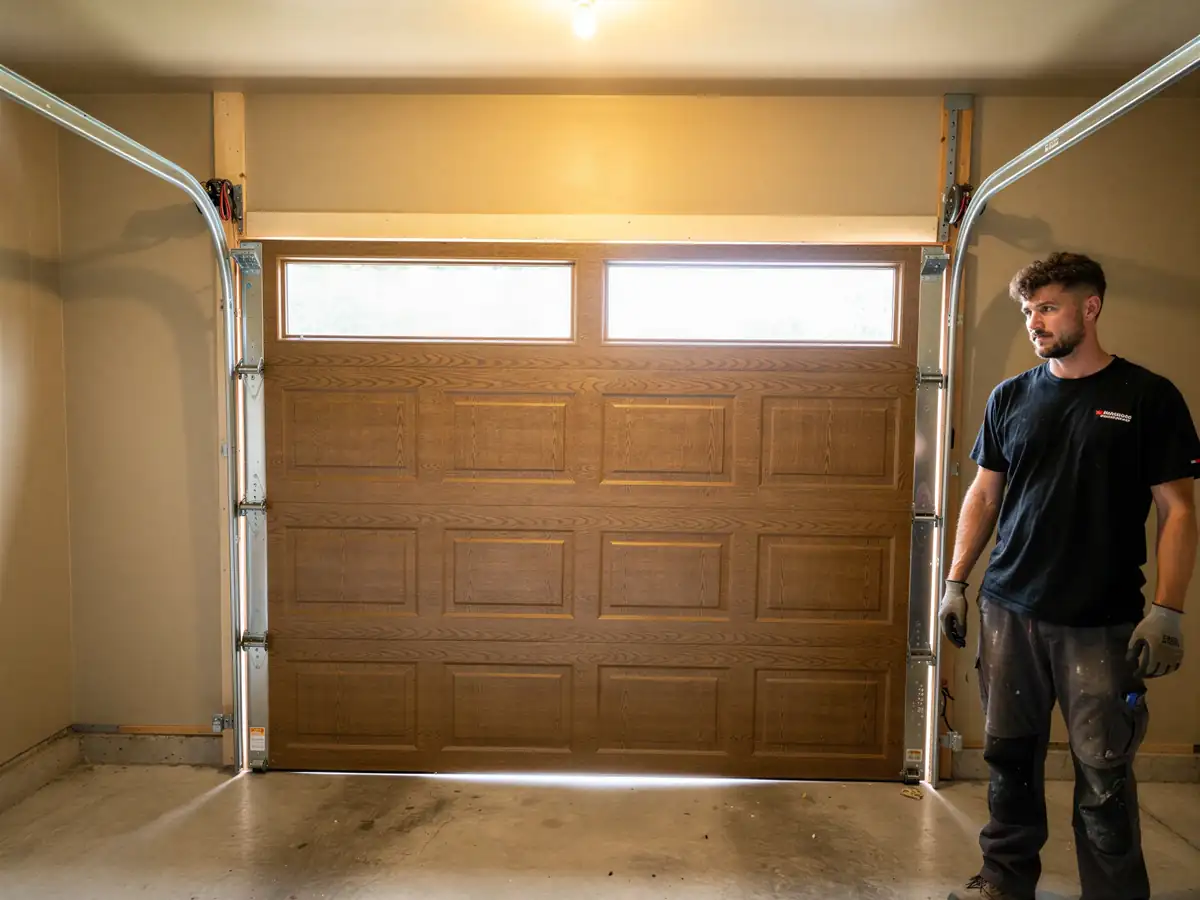
The giveaway on a damaged panel here is usually cosmetic before it's mechanical - a visible dent or crease that doesn't affect operation at first. Give it a few weeks and you'll notice the door binding slightly on that side, or a rubbing sound as the roller track pulls against a panel that's no longer flat. If the dent is near a hinge or roller bracket, the door can start to run crooked on the track, which puts uneven load on the opener and the springs. Catching it at the cosmetic stage, before it becomes a track problem, is the difference between a panel swap and a bigger repair bill.