The DIY Question
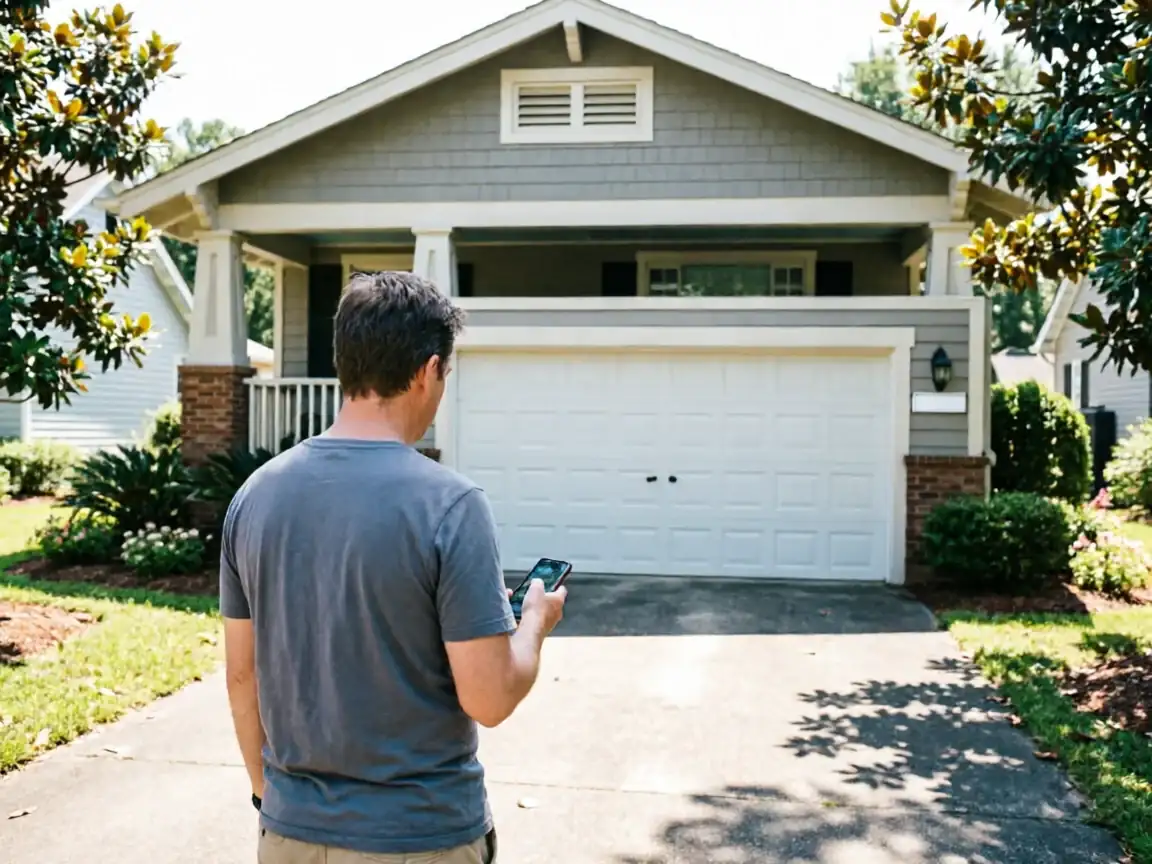
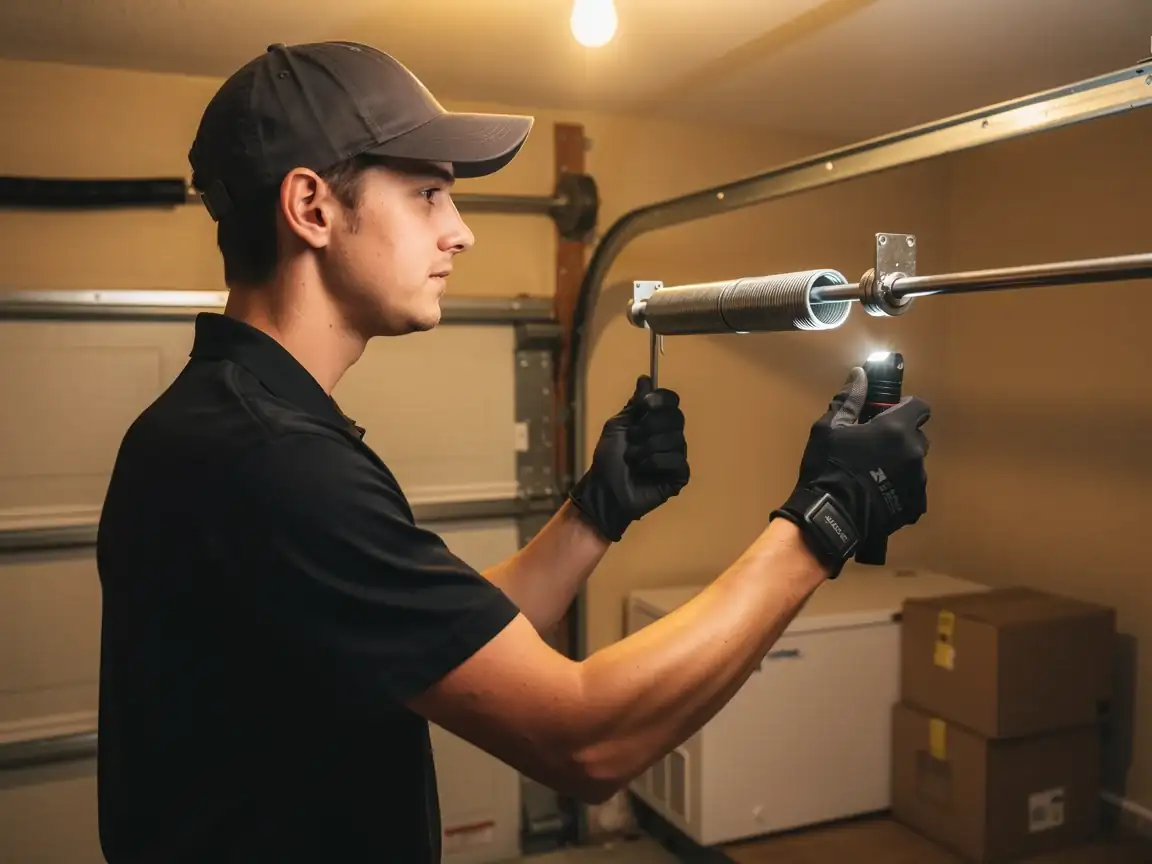
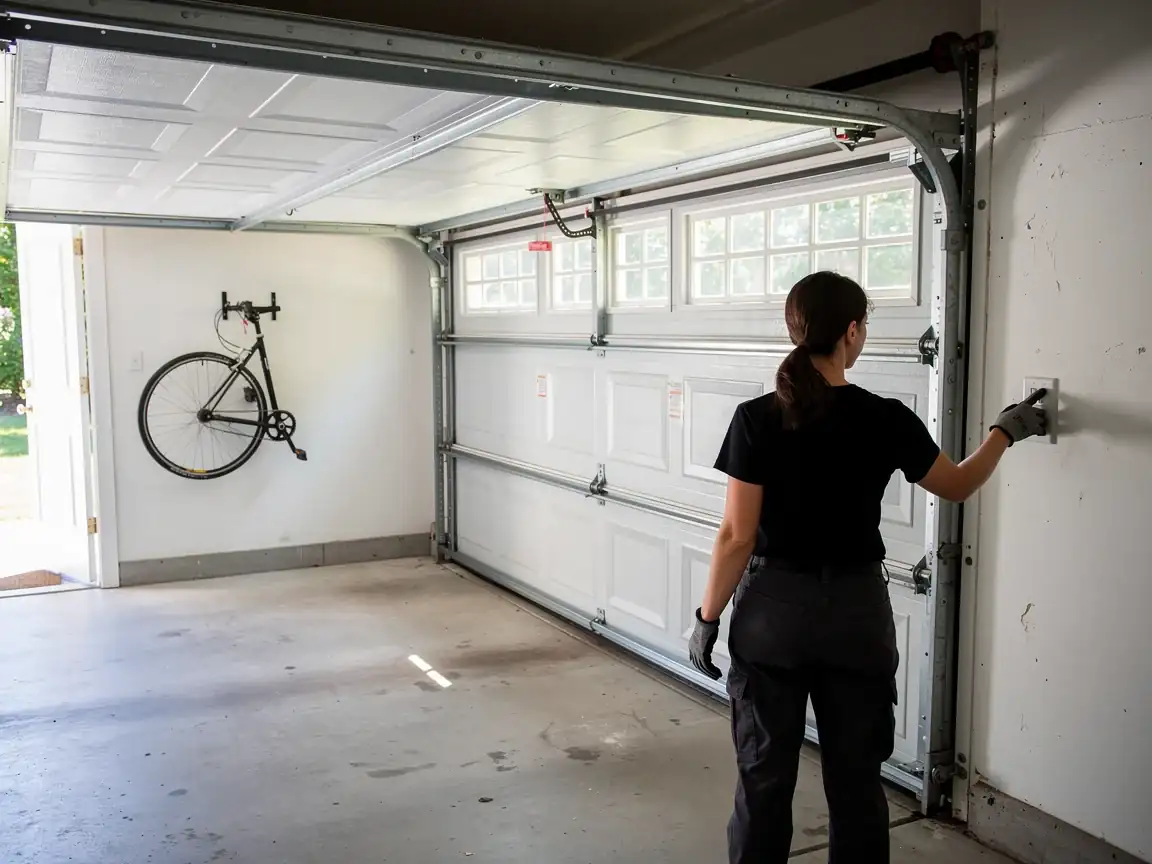
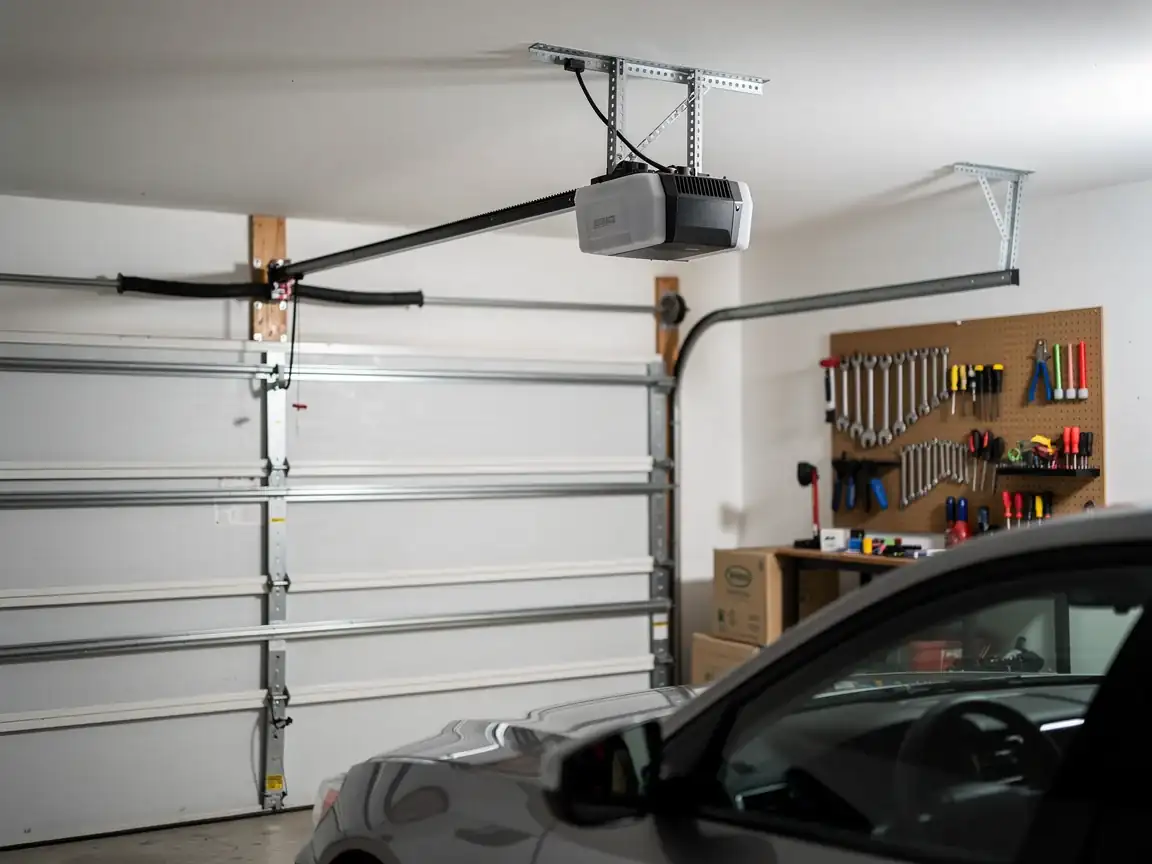
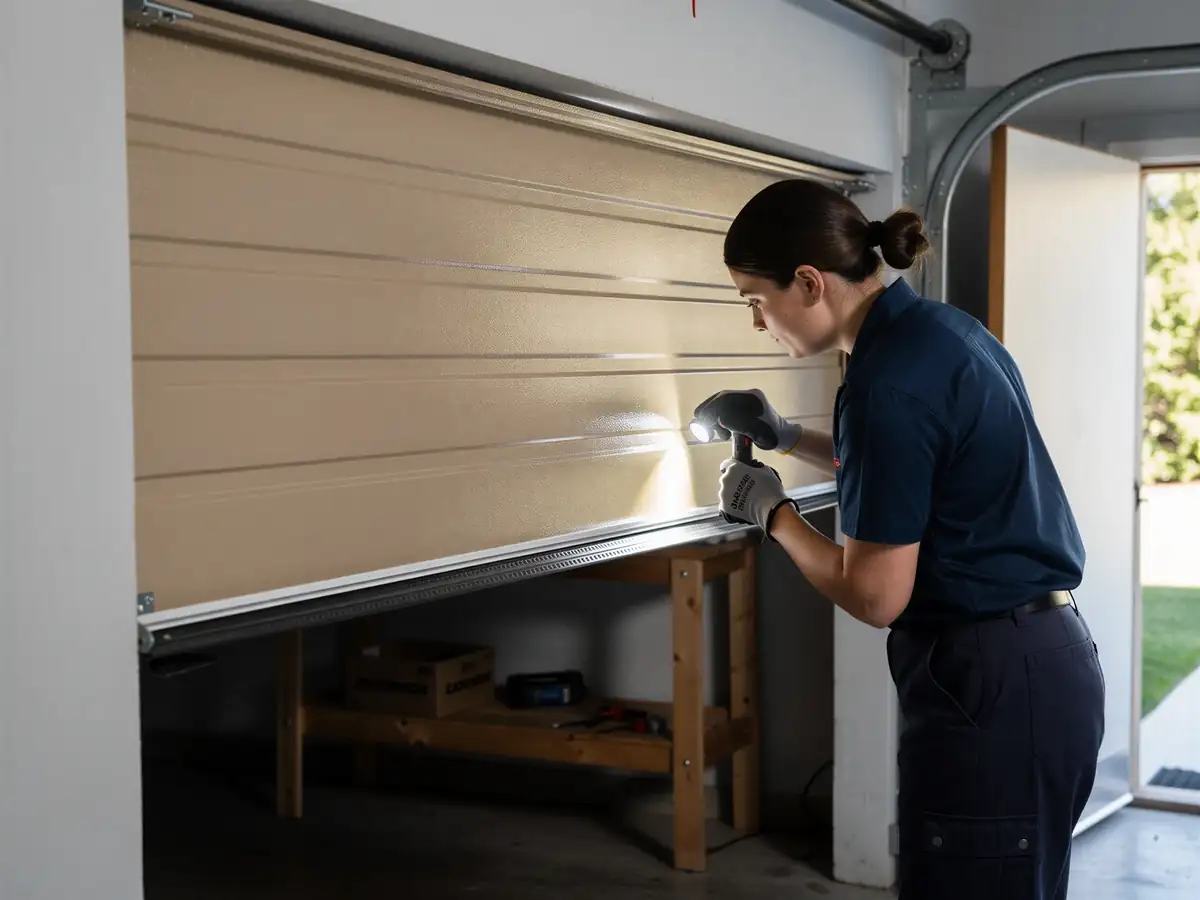
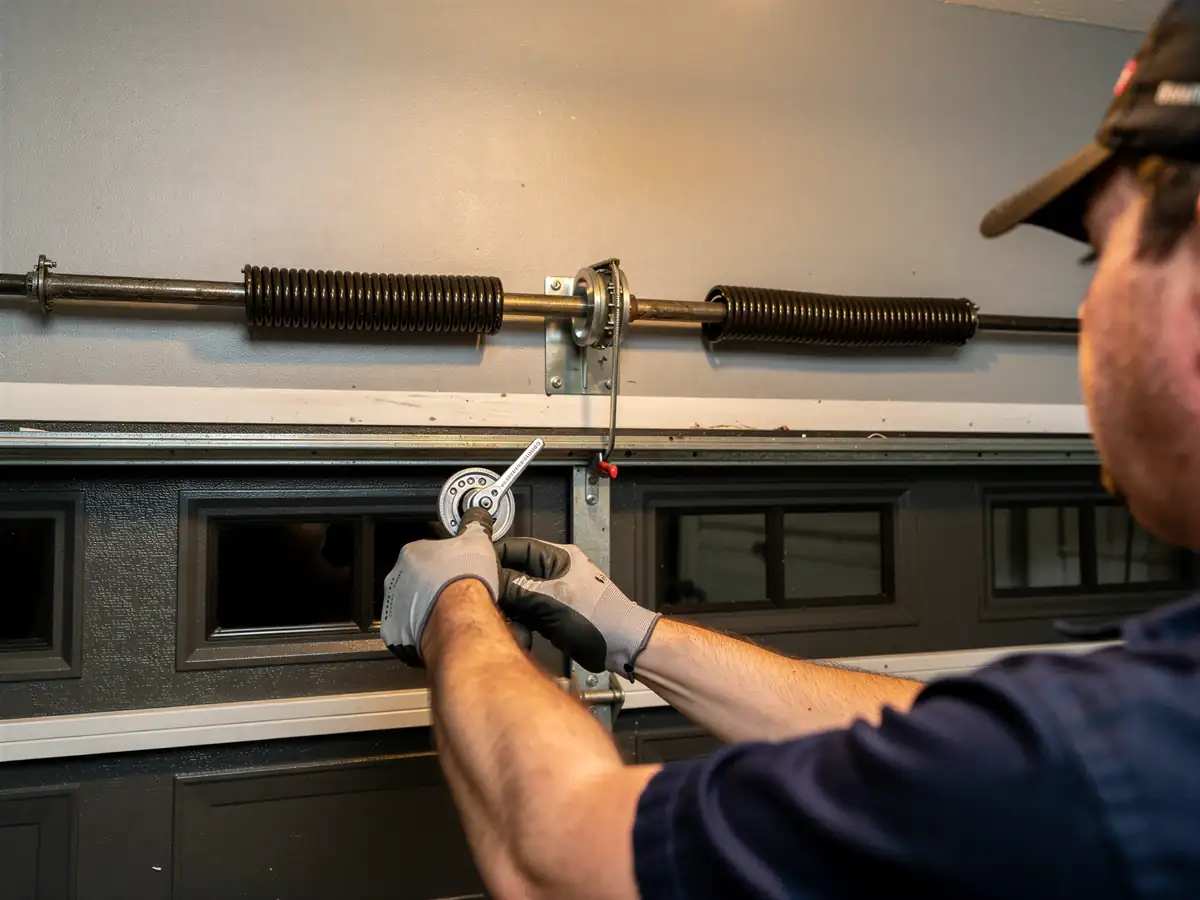
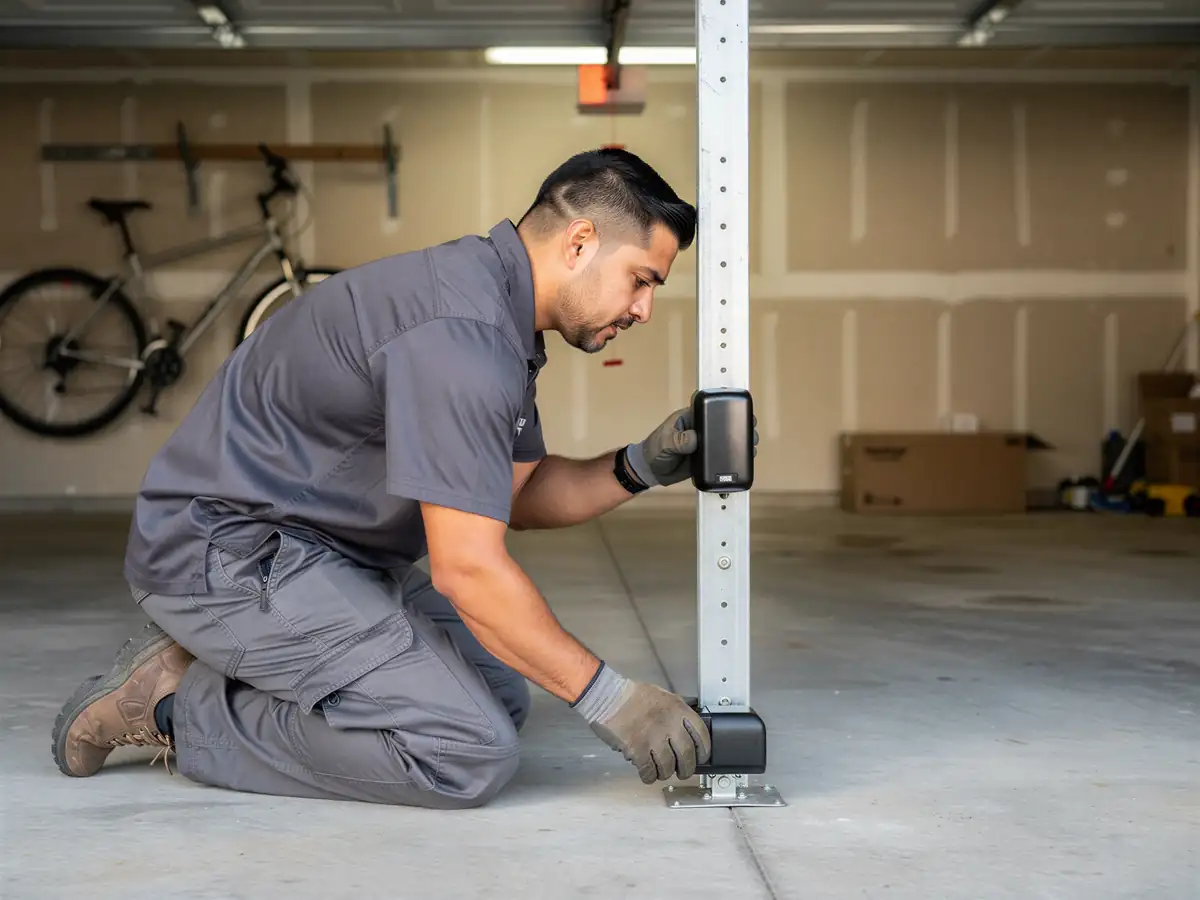
Most houses in Wyndham went up around 2001, which puts them well past the point where torsion springs and safety-reversing openers became standard. That's a different animal than the extension-spring, no-sensor setups common in older stock across the rest of the service area. A torsion spring is wound under real tension, and the tool for winding it safely isn't something most homeowners own or want to learn on. If your door has a photo-eye sensor pair near the floor on each track - and on a house this age it almost certainly does - a misalignment there is a five-minute fix you can do yourself: wipe the lenses, check they're pointed at each other, confirm the indicator lights. Past that, once you're pulling a spring or adjusting cable tension, call it in. We won't talk you out of trying the sensor fix, but we will tell you plainly that winding bars and torsion springs are where DIY stops paying off and starts costing more than the service call would have.
What You Pay
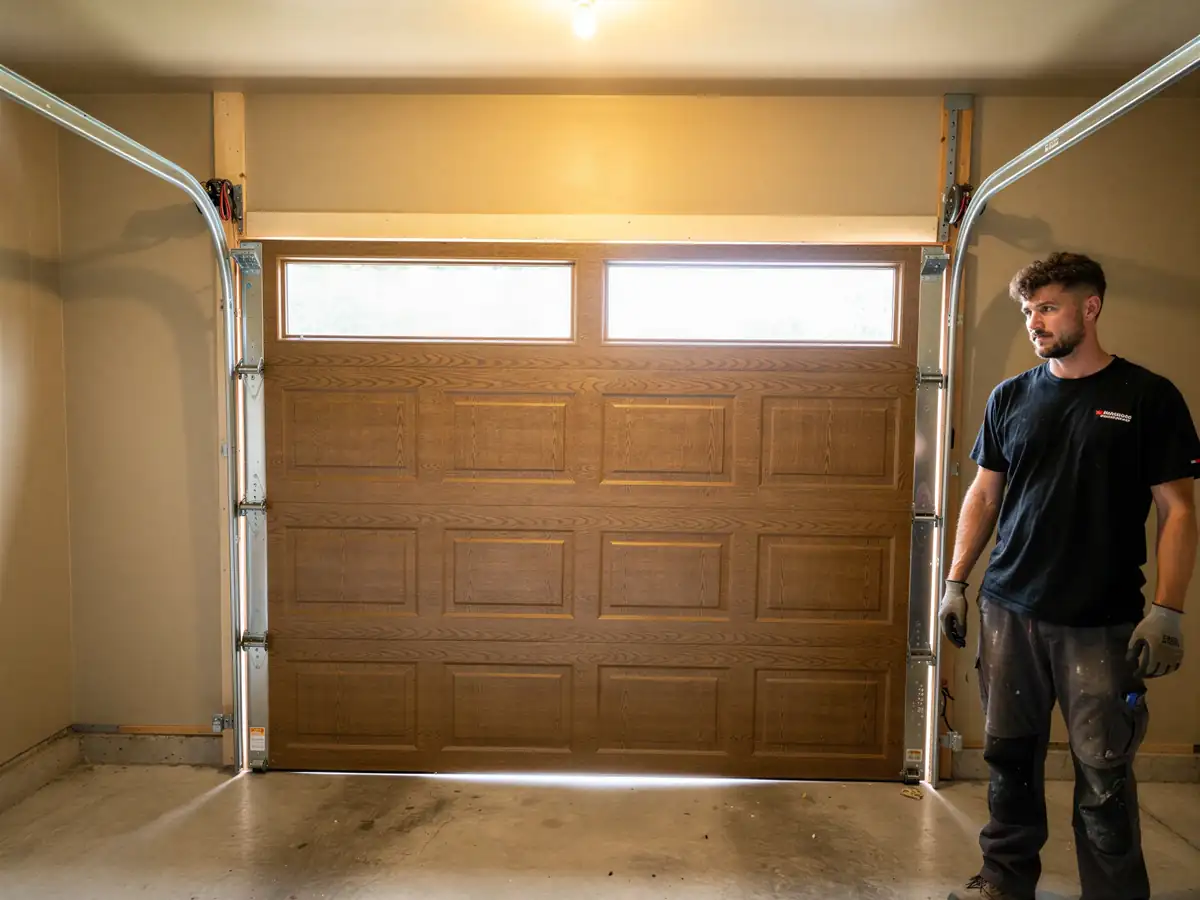
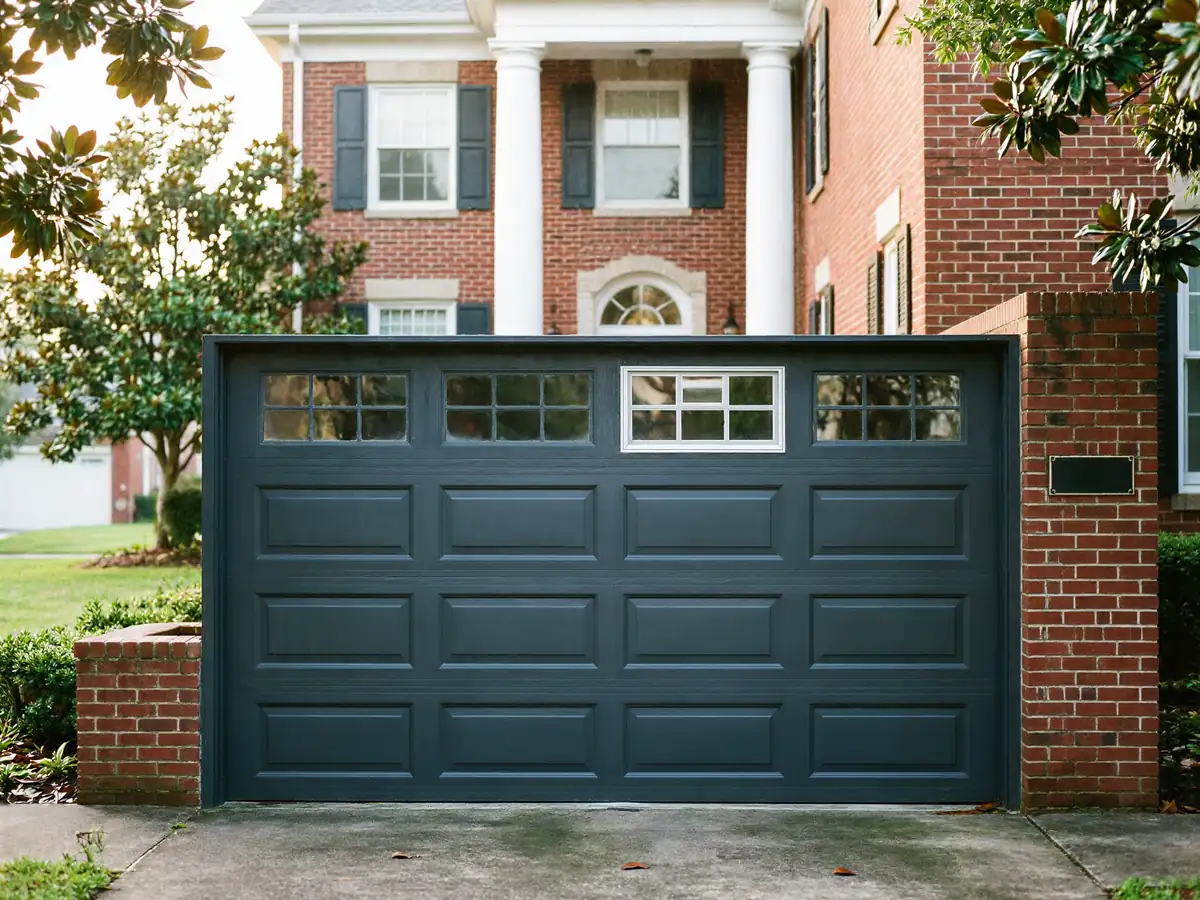
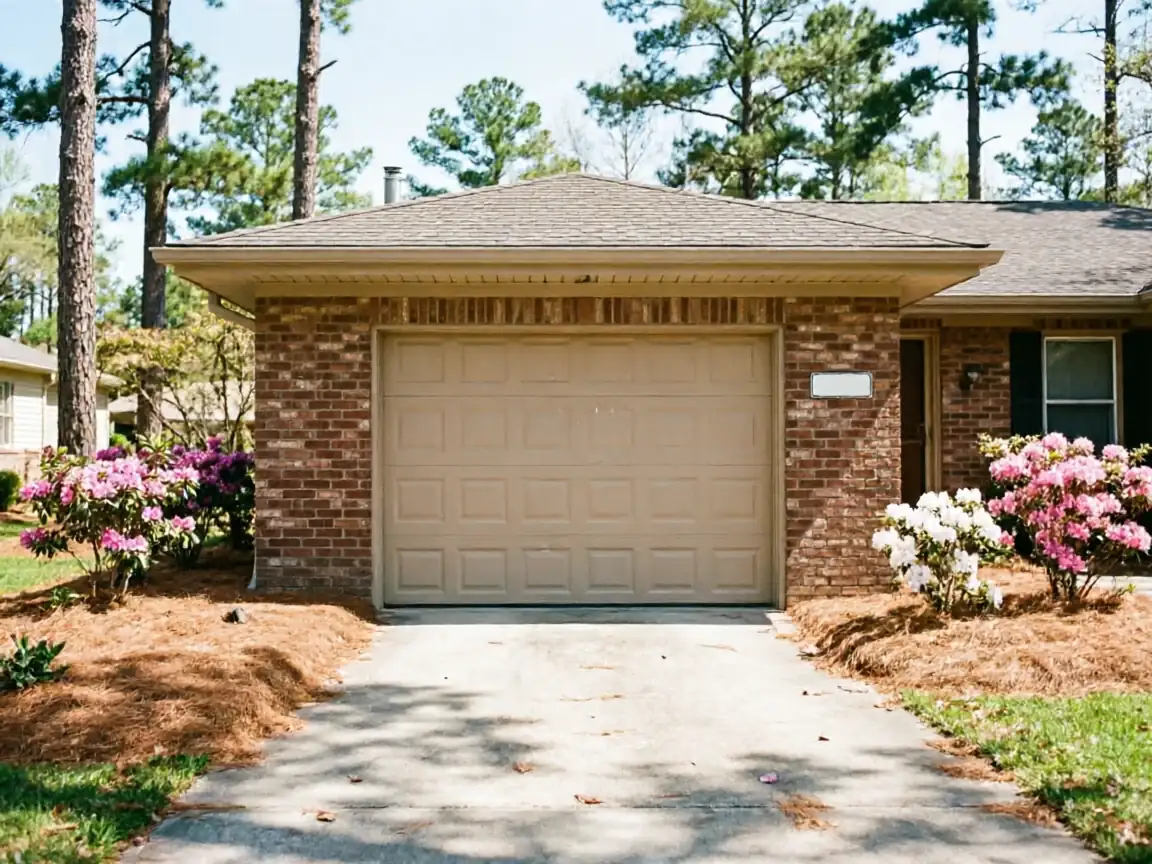
We don't have a Wyndham-specific price list to post here, and we're not going to guess at one. What we can tell you is that houses built around 2001 tend to carry mid-weight steel sectional doors with factory torsion springs sized for that door - not the lighter, older hardware we see on 1960s and 70s stock elsewhere in the area. That means parts cost is usually closer to a standard modern spring or opener gear kit, not a scramble to match discontinued hardware. Call for a quote on your specific door and spring size; we'll give you a number once we know what's actually on the house, not before.
What Causes It Around Here
The area sits in a cold-moderate climate band, which means real freeze-thaw cycling through the winter months - not the deep-freeze extremes of farther north, but enough swing to stiffen steel tracks and thicken grease on rollers overnight. On a door built around 2001, that usually shows up as a noisy roll or a door that labors on the first open of a cold morning rather than an outright failure. We also see opener logic boards and sensor wiring from this era starting to show their age now, simply because they're pushing two decades of service, which is a different failure pattern than the broken one-piece doors and worn-out side hardware on older housing stock elsewhere in the service area. It's less about one dramatic cause and more about the slow accumulation of cold-season wear on parts that are now old enough to need it.
Stocked Parts
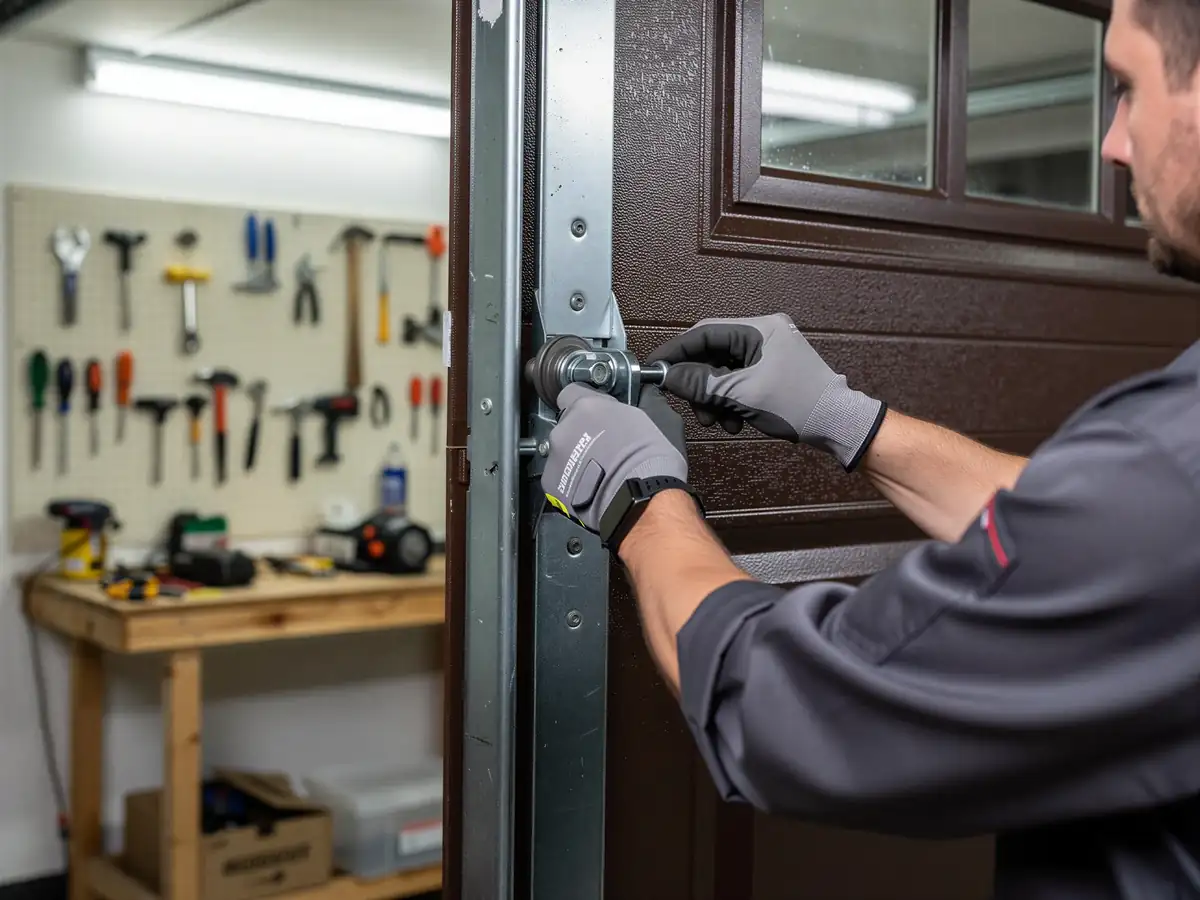
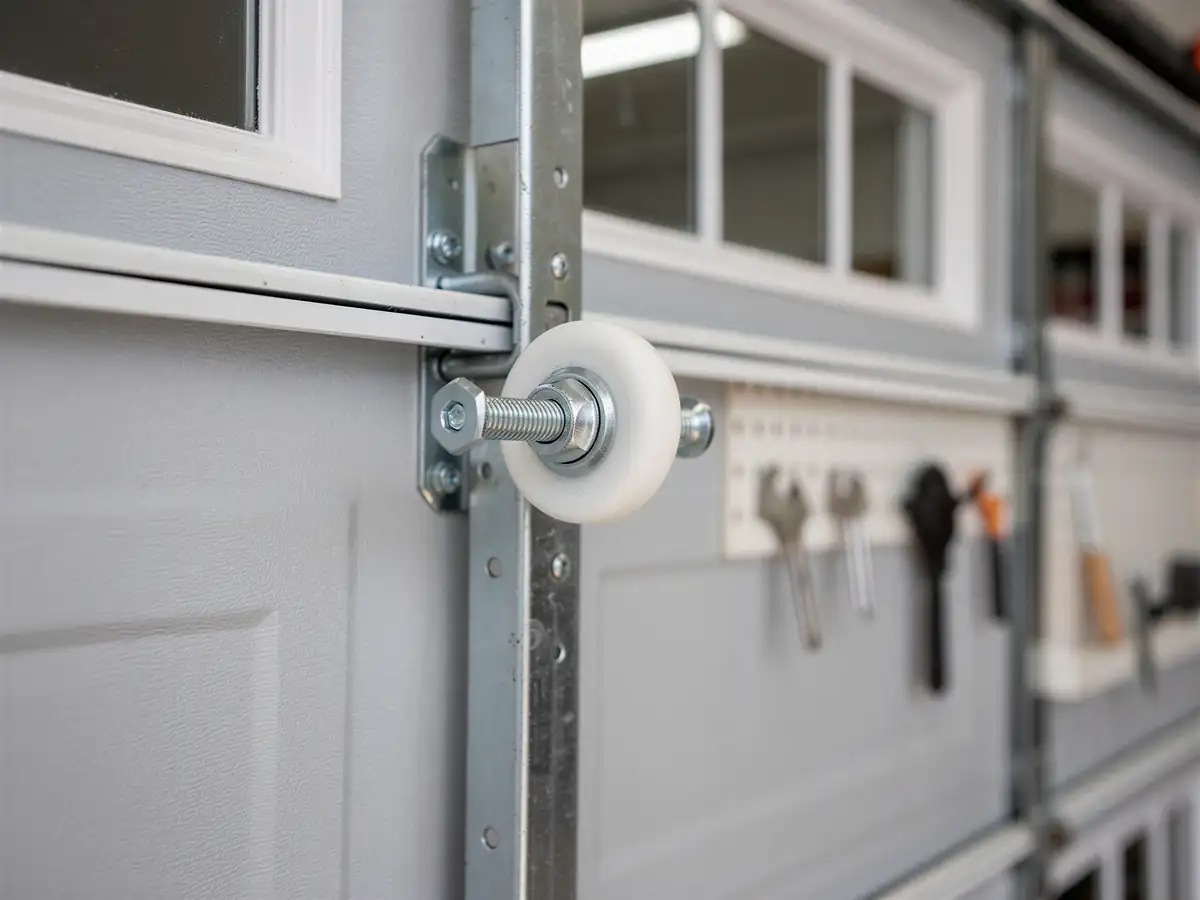
We carry torsion springs sized for standard steel sectional doors, the opener gear kits and sensor pairs common on garages built in the early 2000s, and rollers and cable sized for that generation of hardware. What we don't keep on the truck is anything matched to an older one-piece or extension-spring setup, since that's not what's typical on a Wyndham-era house. If your door turns out to be an older model moved in or retrofitted, we may need to order a part rather than complete the job same-visit - that's the honest limit of what fits in the truck on any given day.