The DIY Question
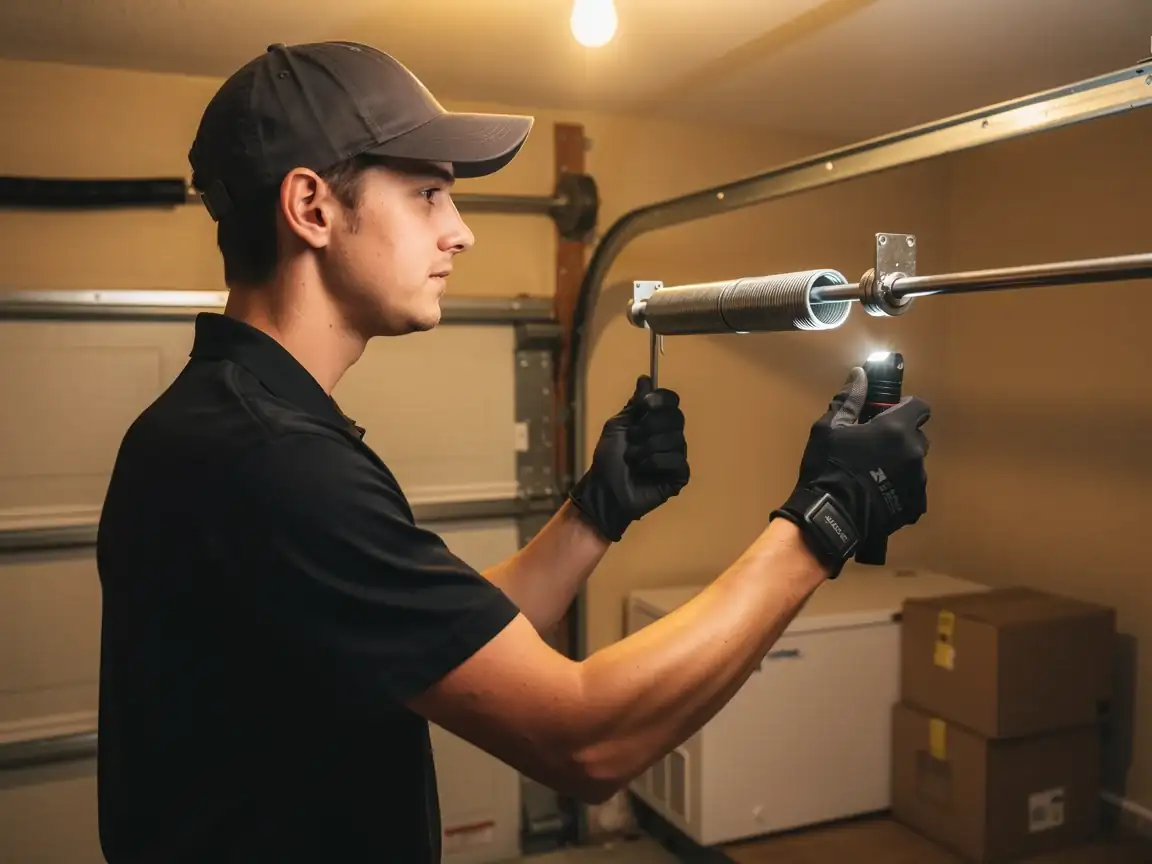
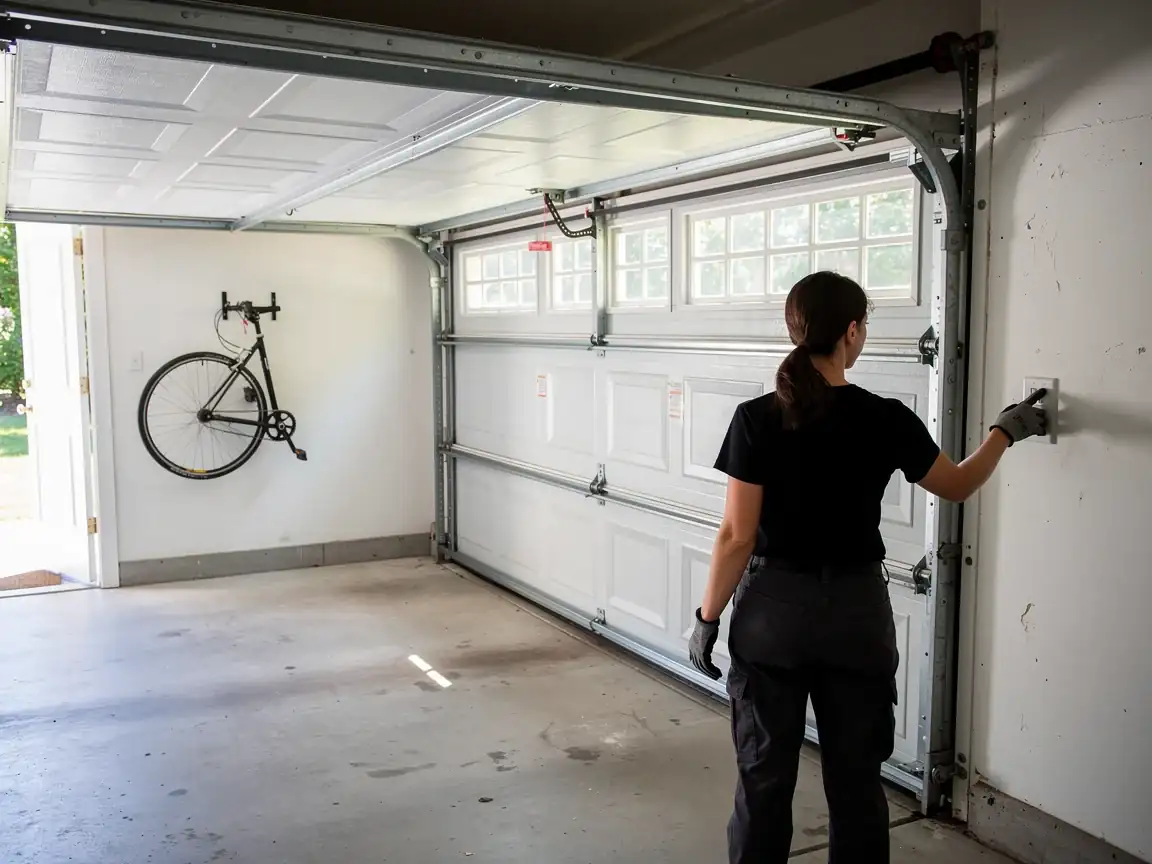
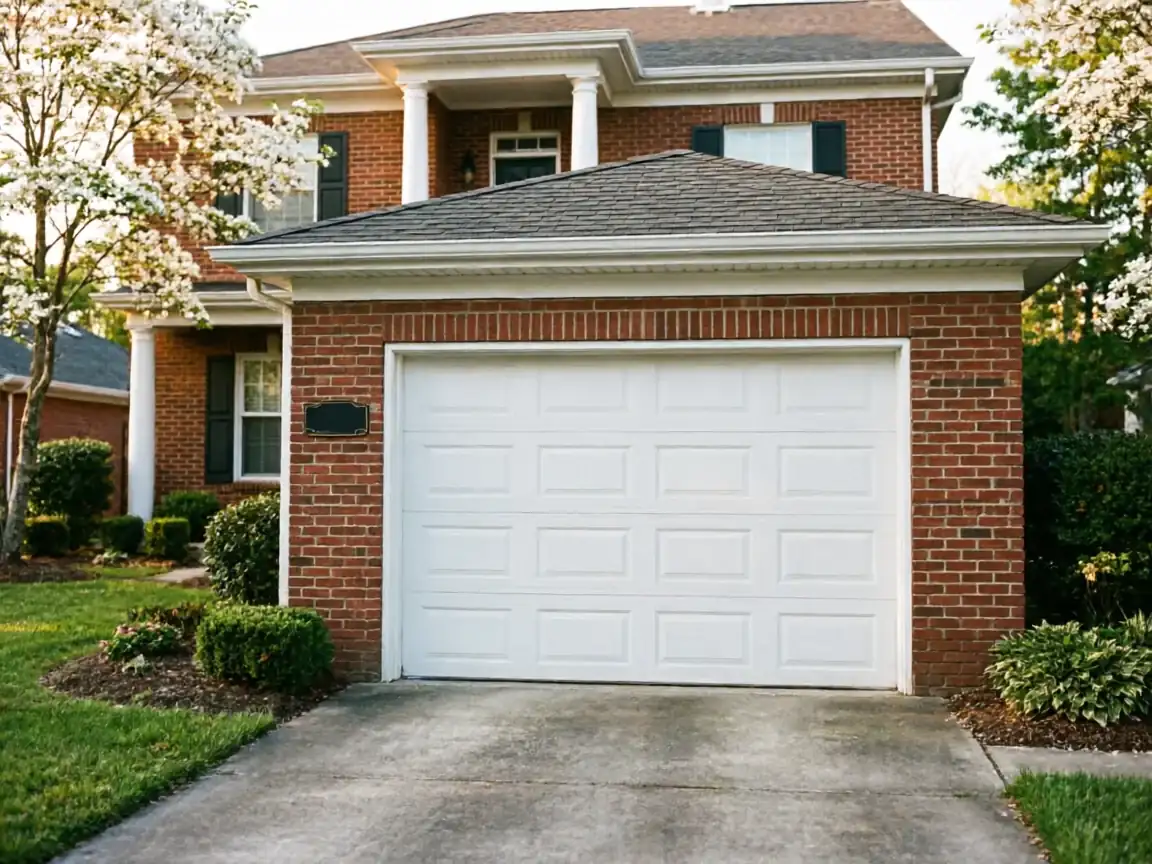
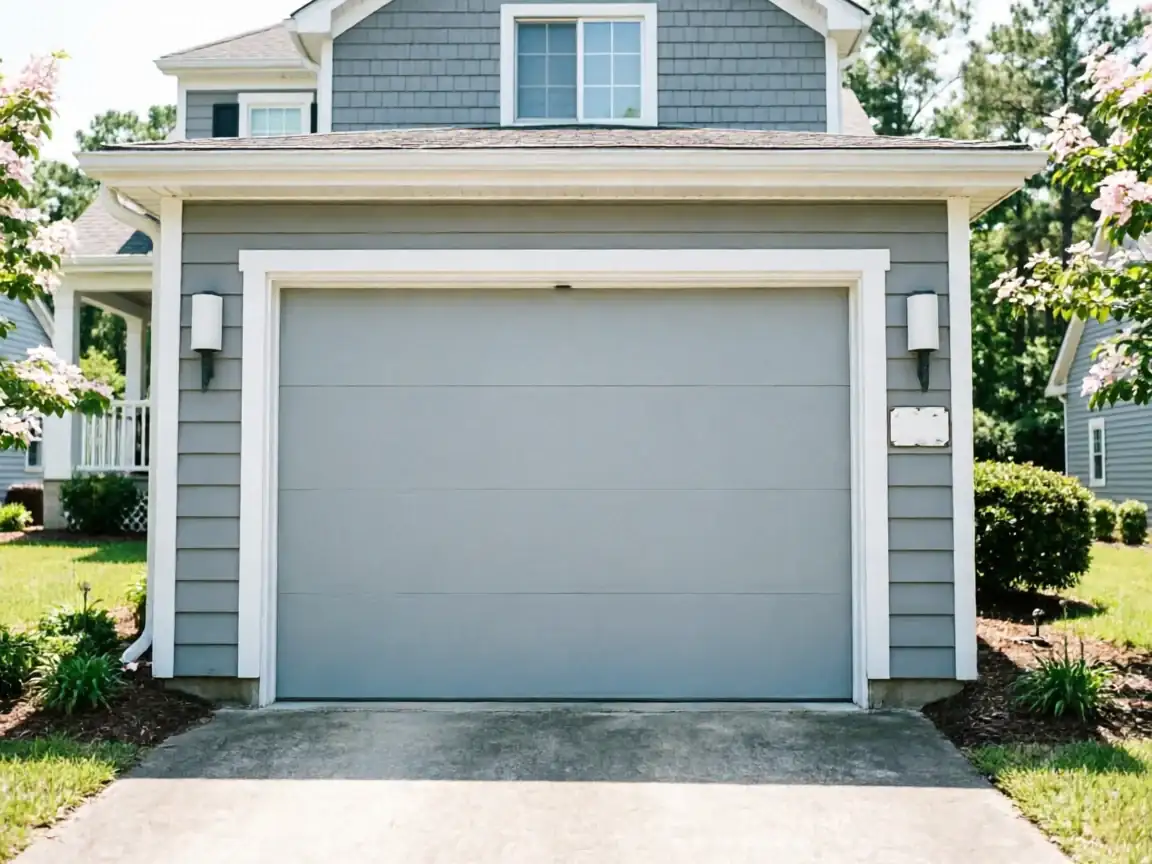
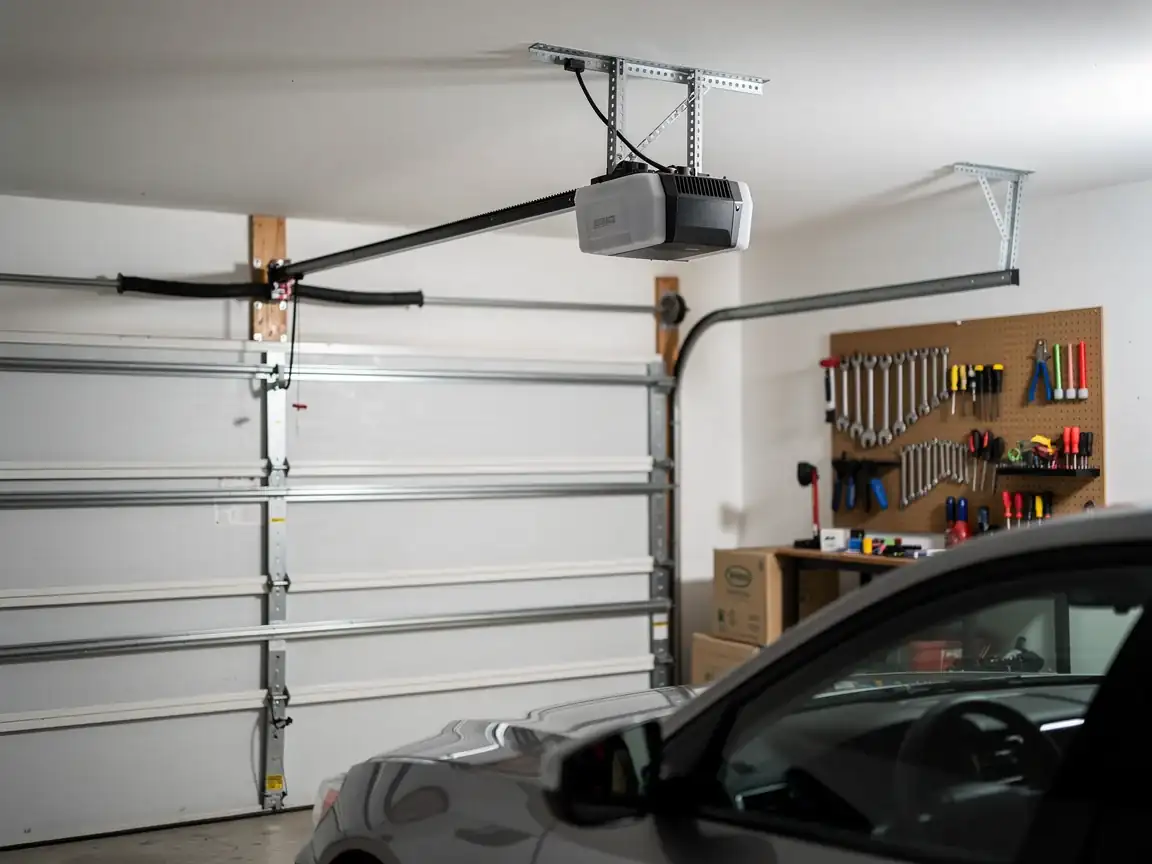
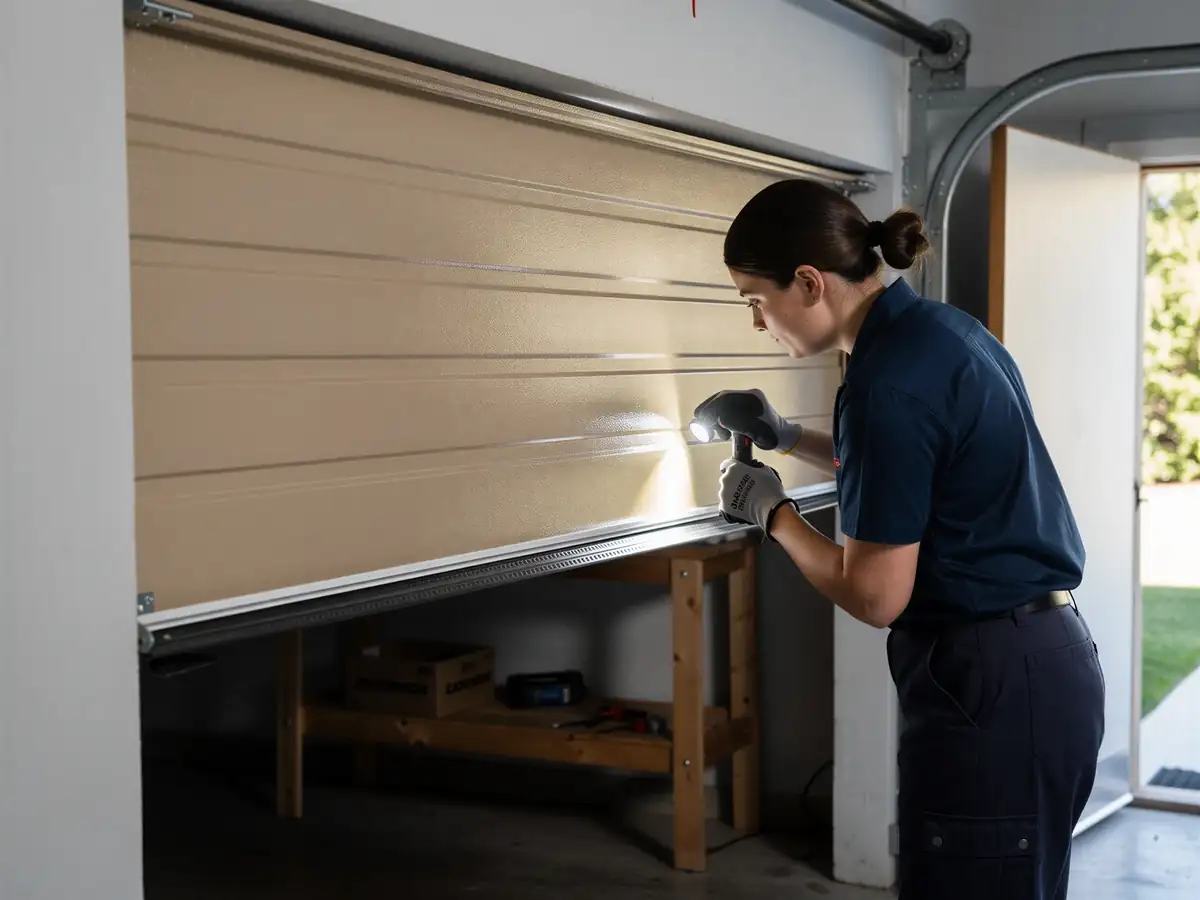
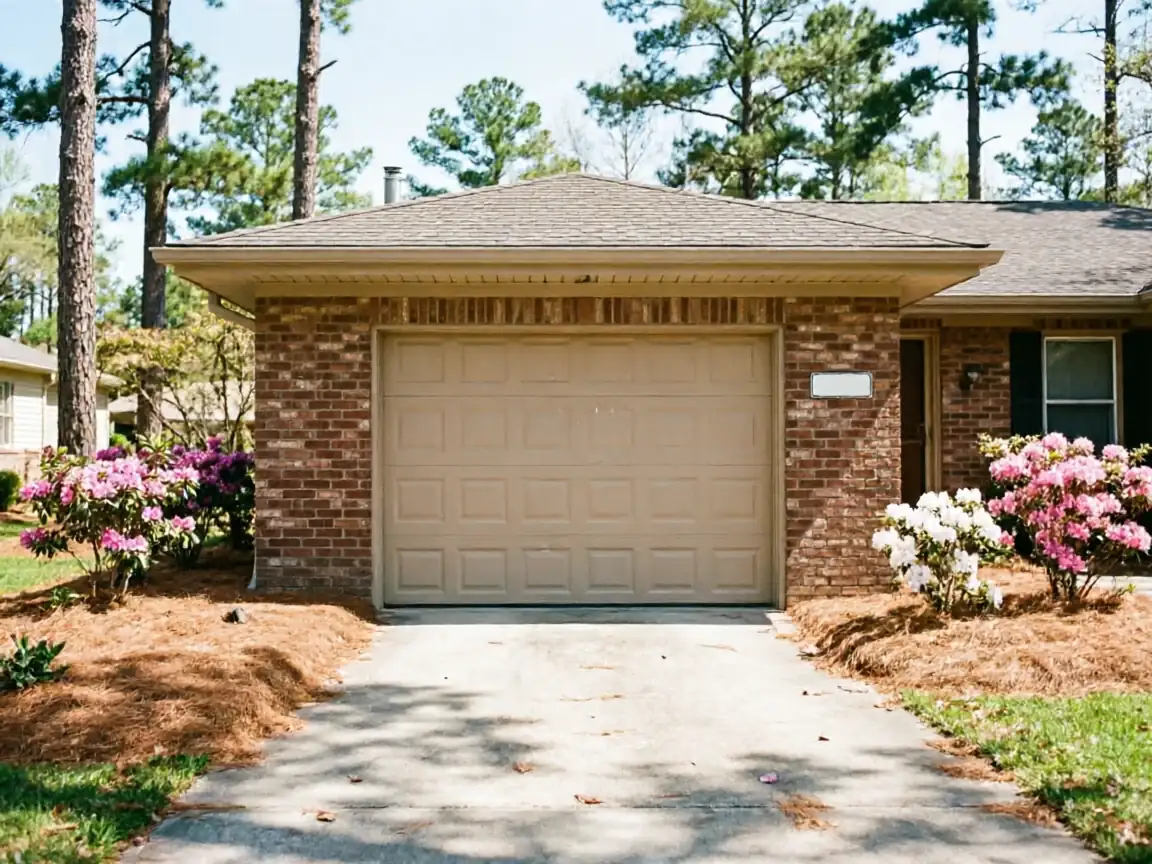
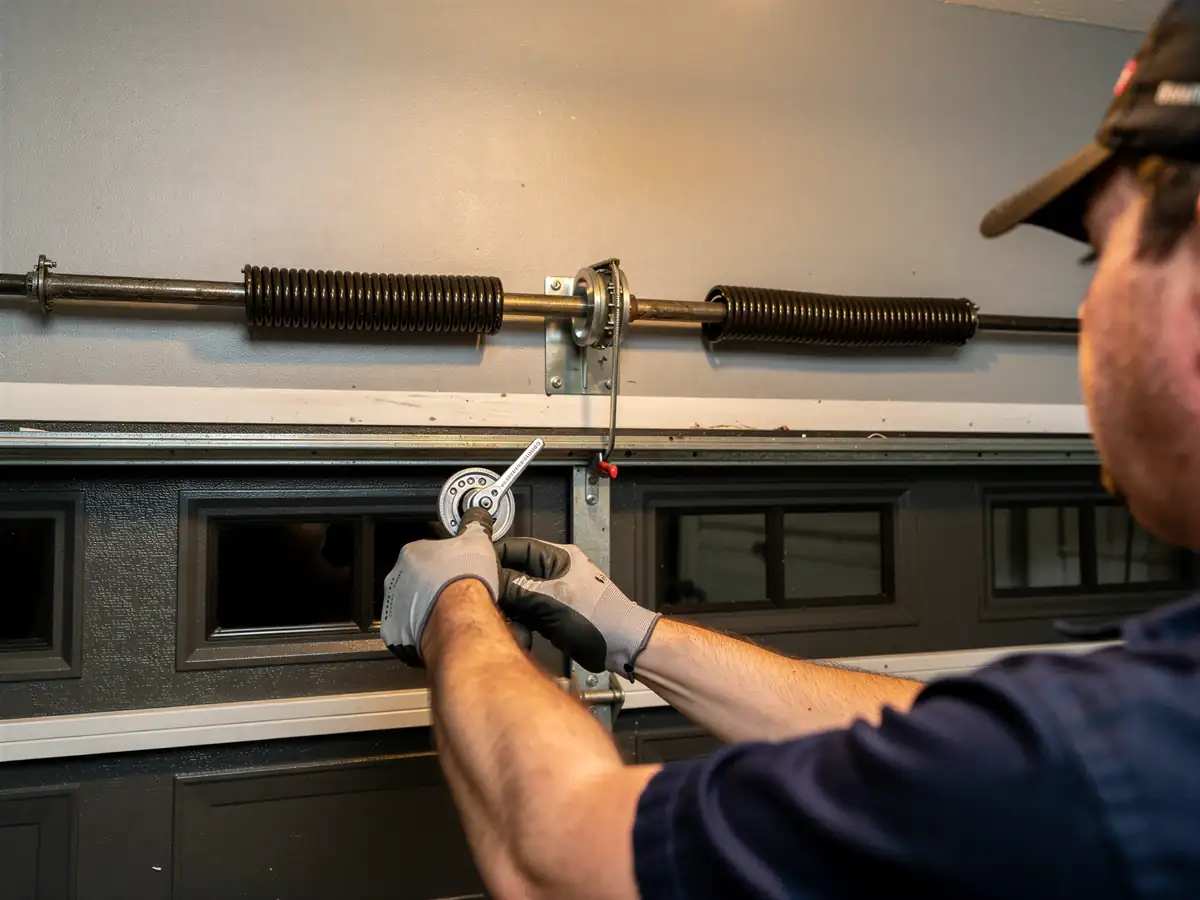
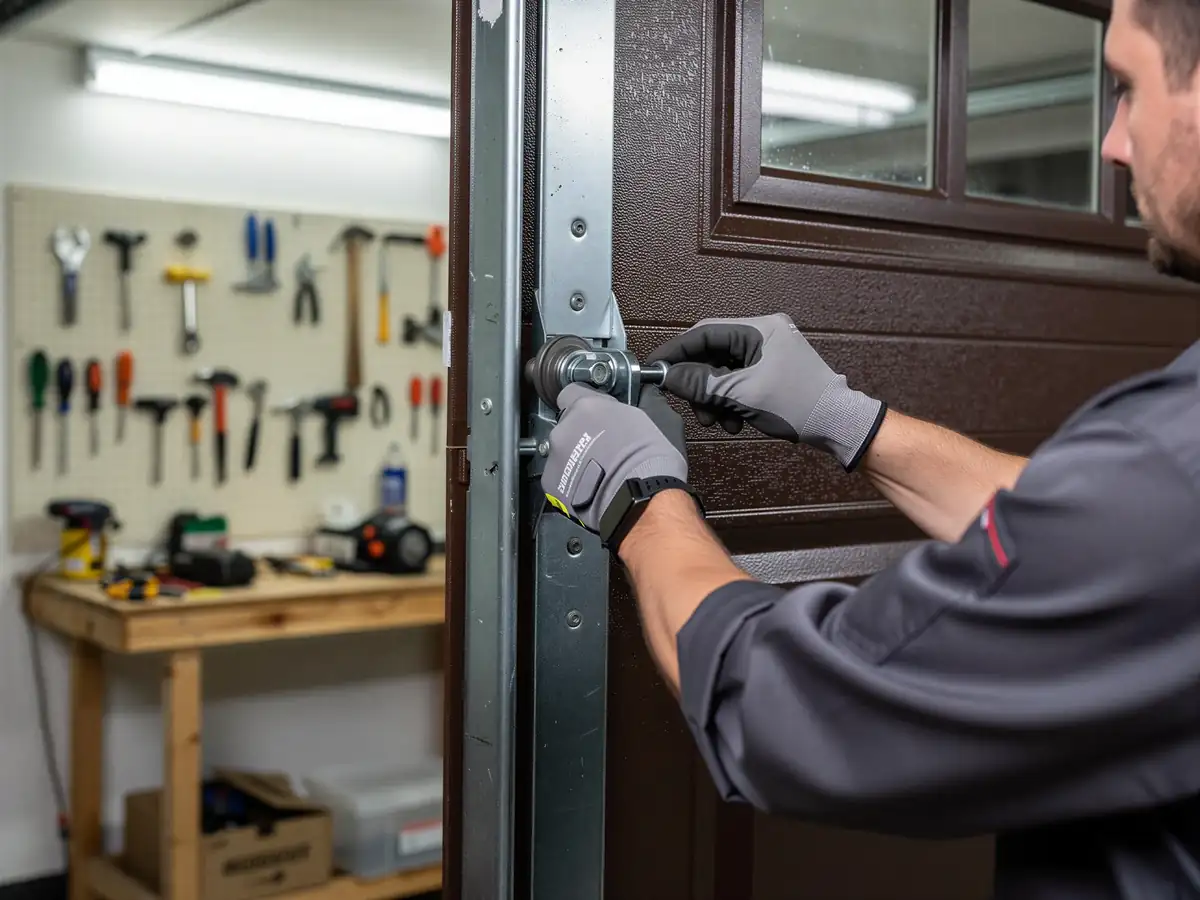
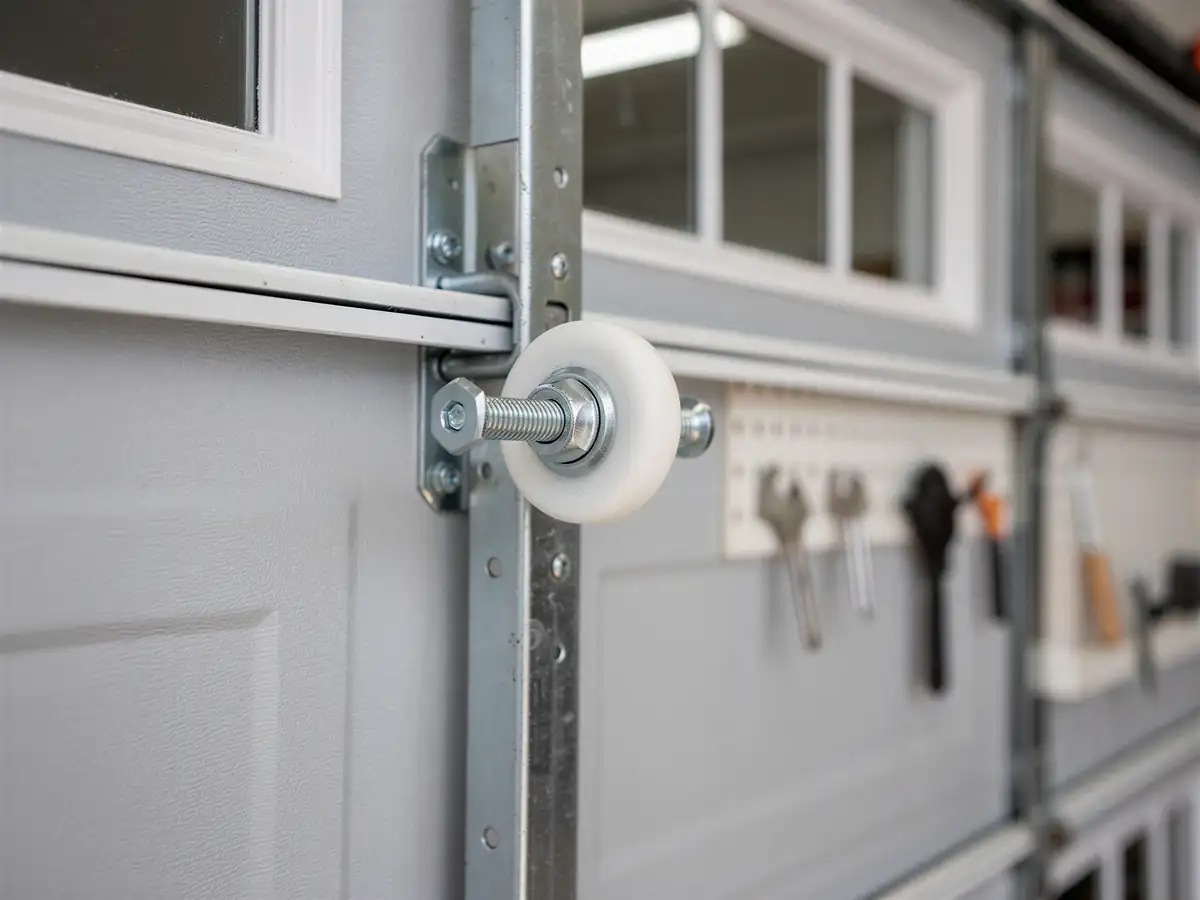
Wyndham is a small pocket, just under 4,000 households, and most of those doors went up around 2001 - newer than a lot of what we see across the rest of the service area, where houses date back to the 1950s. That matters for the DIY question. On a door this age, the opener is likely a chain or belt-drive unit with a standard safety reversal system, not the older style gear that needs special handling. Lubricating hinges and rollers, checking the auto-reverse by setting a 2x4 under the door, and tightening loose hardware on the track brackets are all reasonable for an owner to do. What we don't recommend doing yourself: adjusting spring tension, or pulling the bottom bracket on a cable. Those carry real injury risk regardless of how new the door is. If your opener is original to a 2001 build, it's also getting close to the age where the circuit board or logic unit starts acting up before anything mechanical does - worth a look even if nothing seems broken yet.
What You Pay
We don't post flat rates here because every door's maintenance needs depend on what's installed and how it's been used, not on the neighborhood. What we can tell you: Wyndham's housing stock being newer than much of the surrounding area means less time spent chasing worn-out, hard-to-source parts from decades-old installs, and that keeps a routine visit closer to straightforward adjustment and lubrication work rather than parts replacement. We travel to Wyndham from our base in Midlothian, about 14 miles south, so a visit here is scheduled like any other call in the service area - no separate travel charge built in beyond what's standard for the distance.
What Causes It Around Here
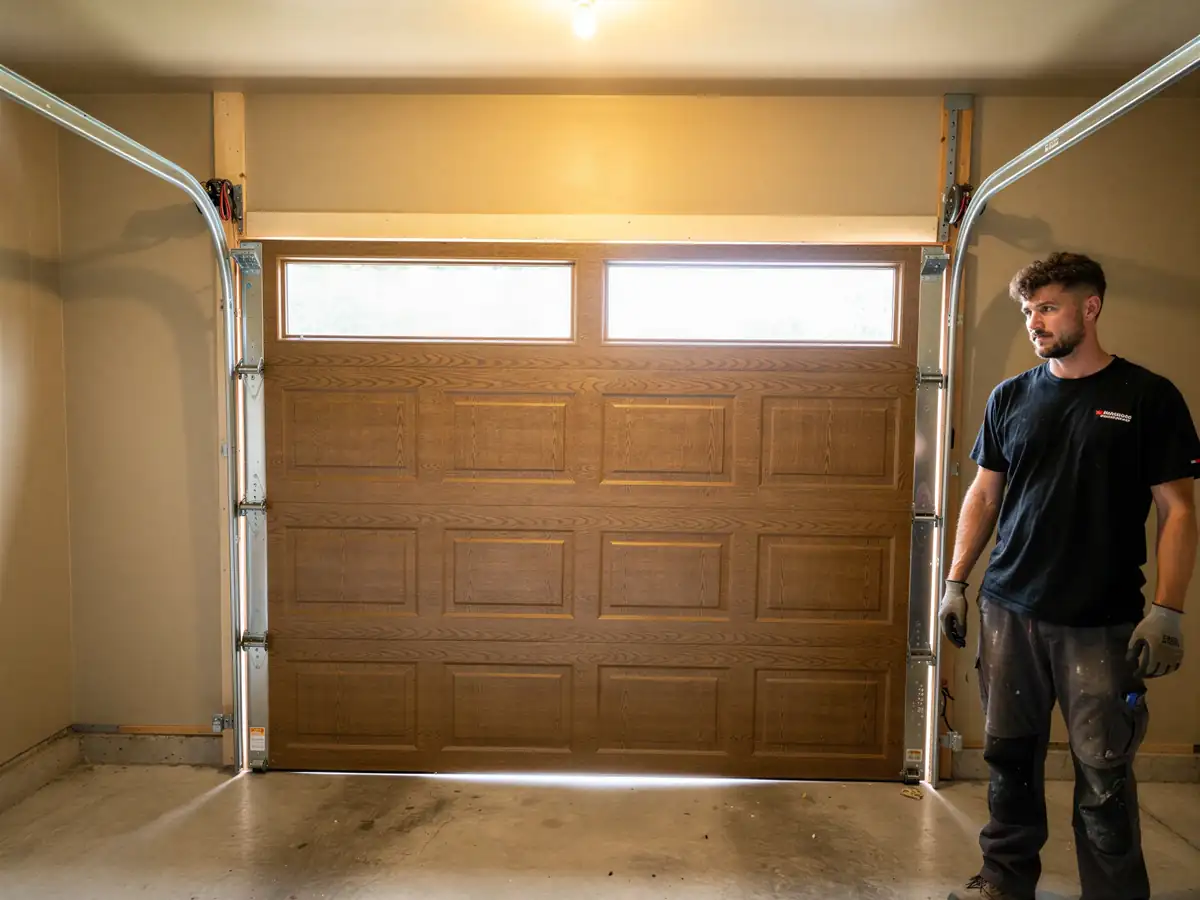
The doors in Wyndham are newer than the area norm, so we're not fighting original one-piece panels or ancient torsion hardware the way we do elsewhere. What does show up: openers reaching the end of their circuit board life around the 18-to-22-year mark, which lines up with a lot of Wyndham's 2001 builds right now. We also see torsion springs that are starting to fatigue - most residential springs are rated for a set number of cycles, and a door installed in 2001 that's seen daily use for two decades is getting into replacement territory on the spring even though the rest of the hardware is fine. The region's cold winters add their own wear: temperature swings make steel contract and expand, which loosens bolts and stiffens lubricant faster than in a mild climate.
Stocked Parts
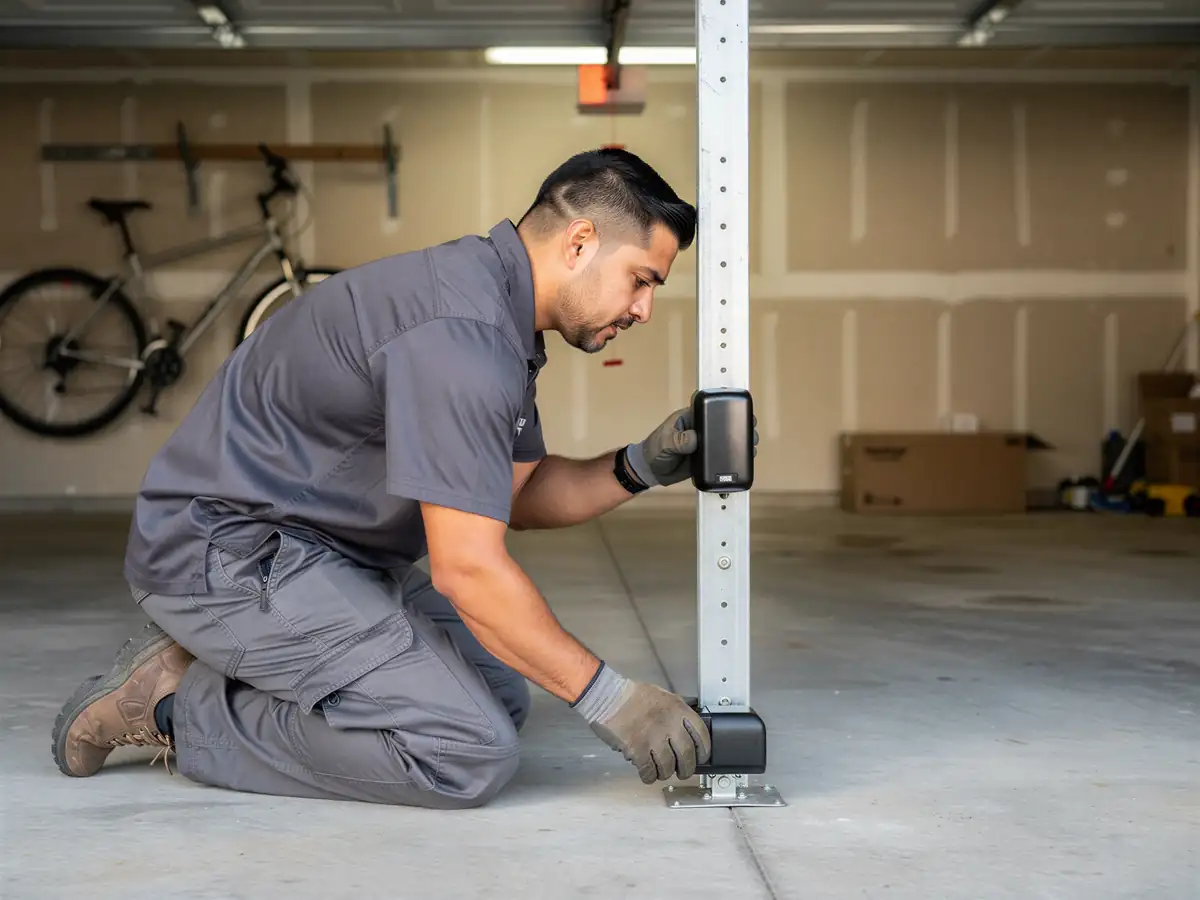
Because Wyndham's doors are mostly 2001-and-newer, we carry the parts that actually fail on that generation of hardware: standard-wind torsion springs in common residential sizes, photo-eye sensor pairs, drive belts and chains for mid-2000s opener models, and weatherseal in standard bottom-panel widths. What we don't keep on the truck is anything sized for the one-piece doors or side-mount torsion setups common in the older sections of the service area - Wyndham's stock doesn't need it, and we'd rather tell you that than pretend we carry everything for every era of door.