The DIY Question
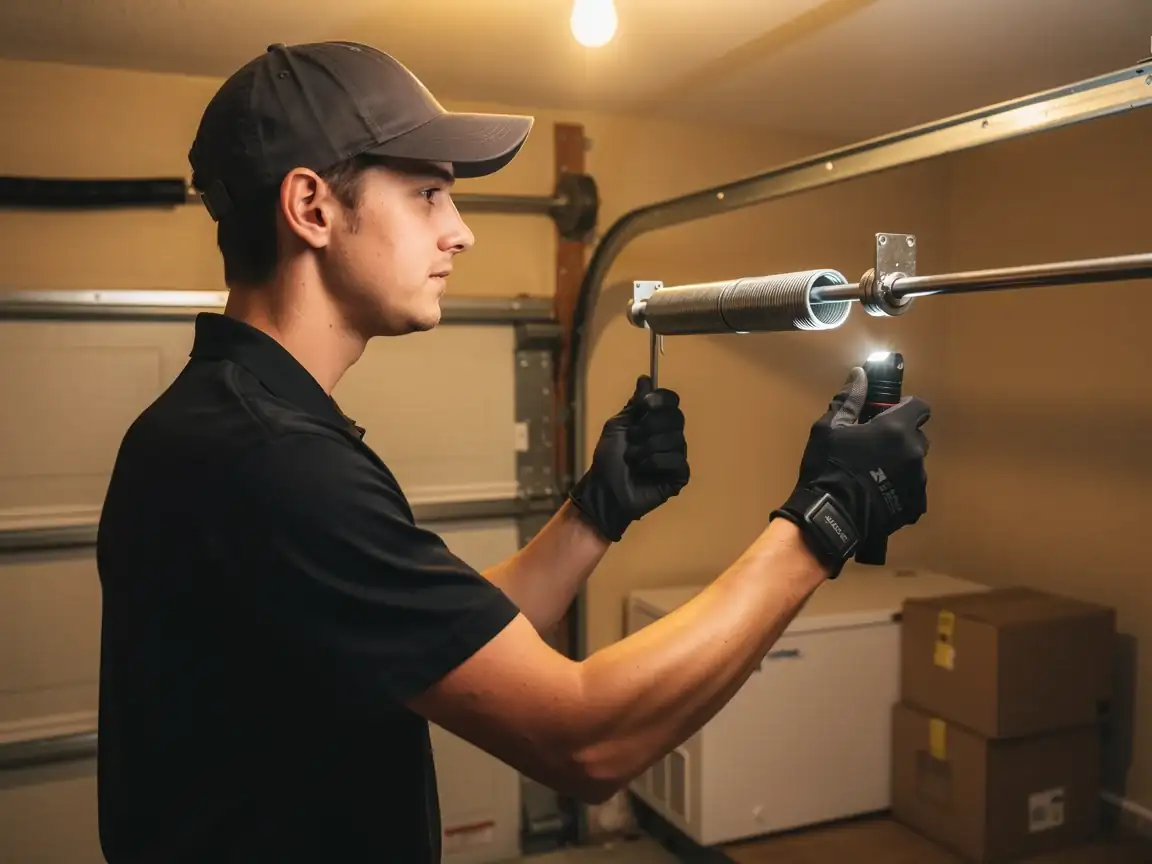
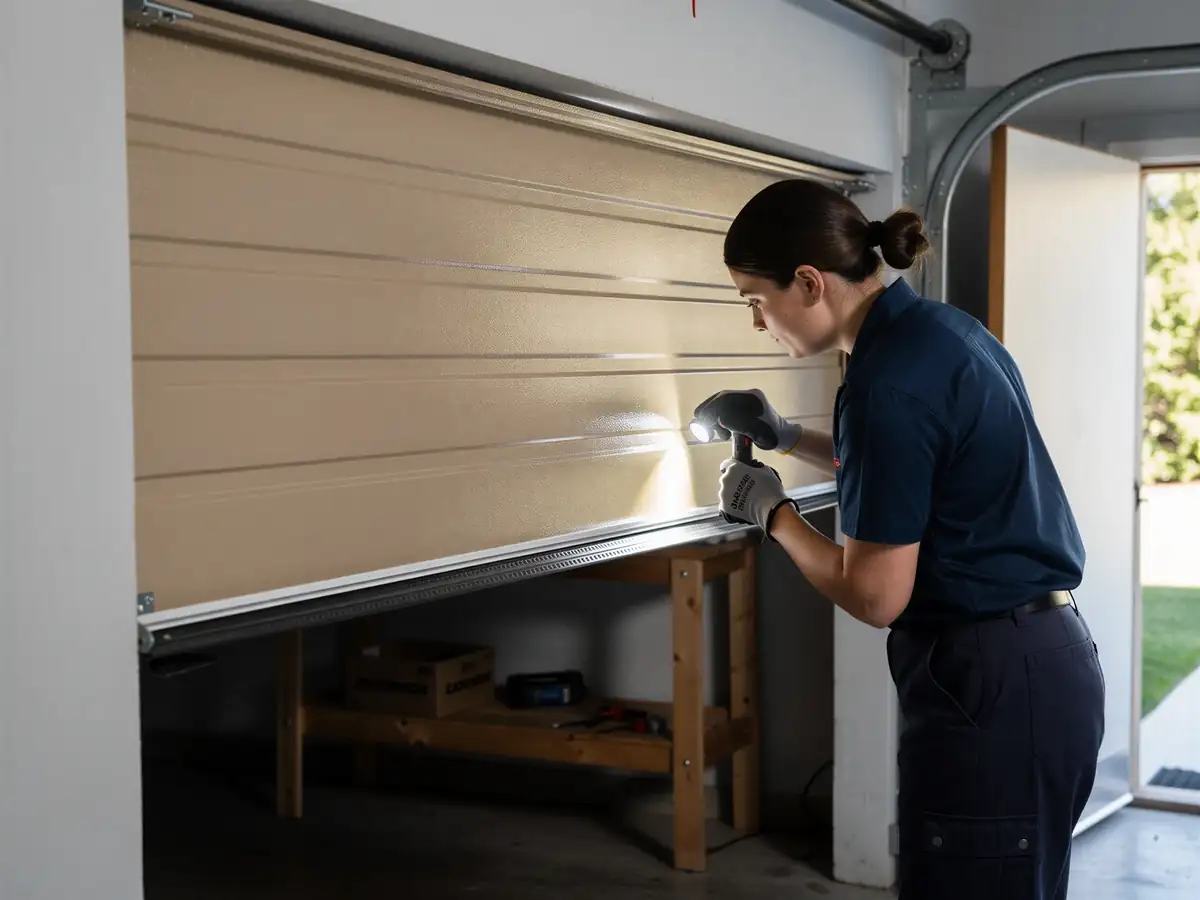
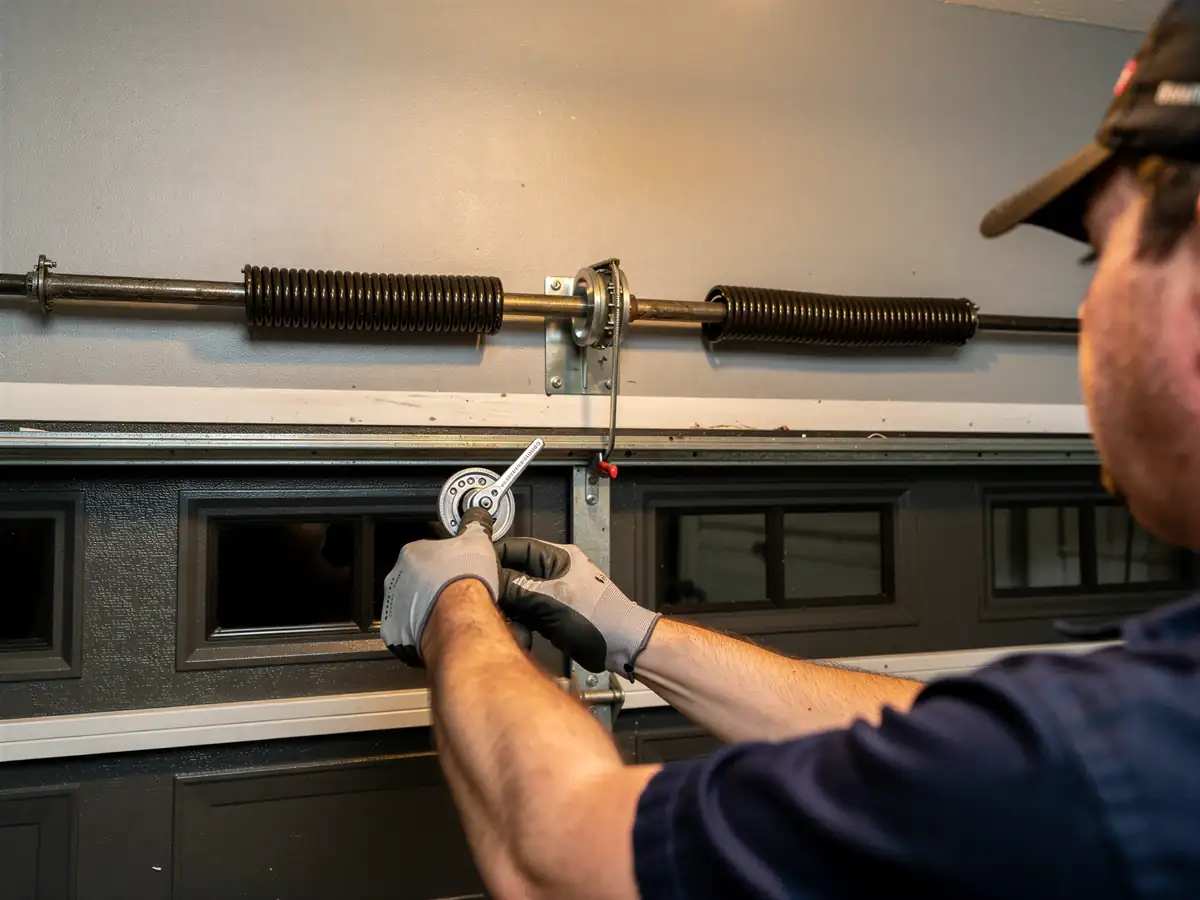
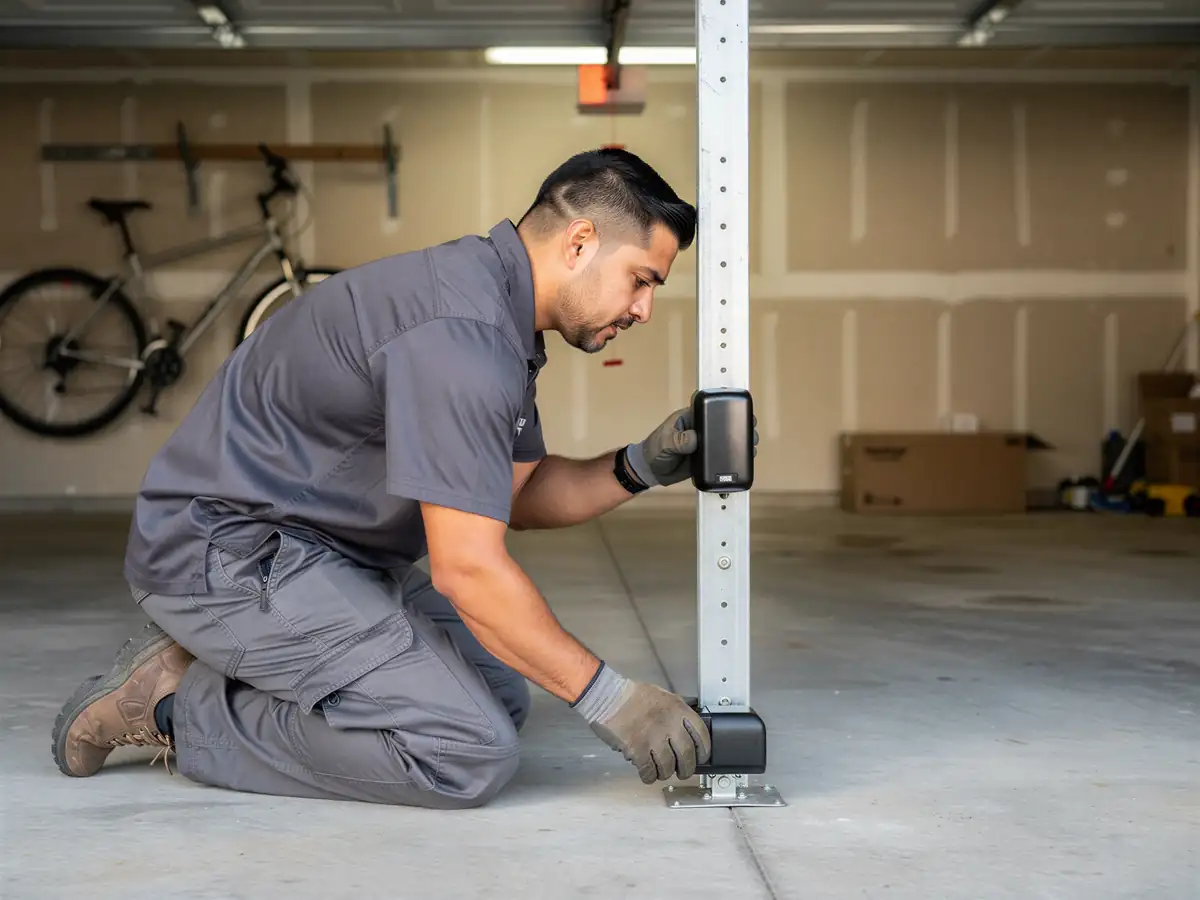
A new garage door looks like a weekend project until you get the old one off the track. The door itself is the easy part - it's the torsion spring overhead, wound under enough tension to break a finger or a windshield if it lets go wrong, that makes this a job we don't recommend doing solo. Most Wyndham houses went up around 2001, which means standard builder-grade torsion hardware on a 7-foot opening, not some oddball setup. That's actually good news for a DIY-minded owner: if you want to handle trim, paint, or swapping out the opener's keypad yourself, go for it. But the spring setting, cable tension, and final balance are where we draw the line on letting a homeowner go it alone. We'll say it plainly: we'd rather lose the labor on the easy parts than come out for a service call because a spring cone slipped during a rushed DIY install. If you want to do some of it yourself, tell us up front and we'll scope the job around that instead of assuming a full install.
What You Pay
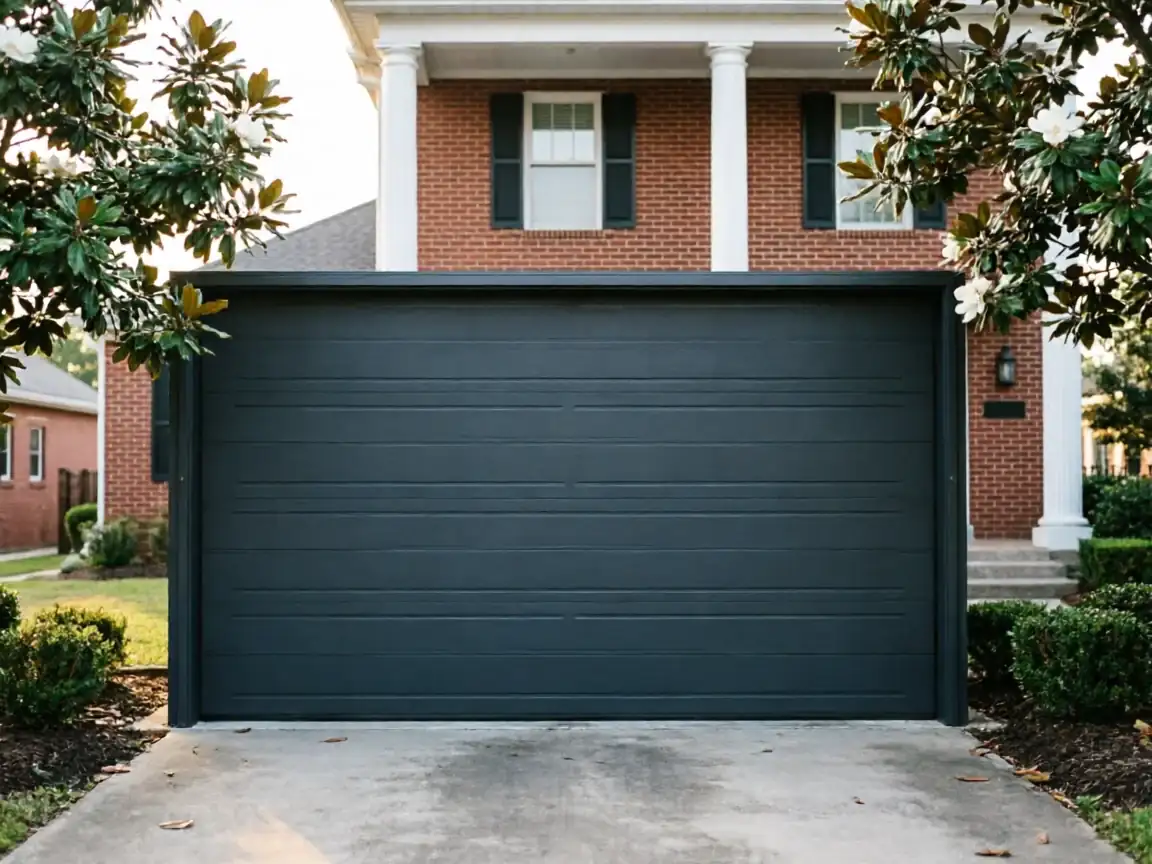
We don't post a flat number here because door size, material, and insulation level move the price more than anything else, and those choices are yours to make. What we can tell you is what drives the conversation in Wyndham specifically: with a median household income near $235,886, a good number of owners here aren't just replacing a dead door, they're upgrading - heavier gauge steel, better insulation, a quieter belt-drive opener to match a home that's otherwise been kept up well. Across the wider service area the median household income runs $69,917, so Wyndham's price conversations tend to start further up the line than most of the towns we cover. That said, plenty of Wyndham jobs are still straightforward swaps: same size opening, comparable door, no reason to spend more than you need to. We'll give you the real number for your opening and your choice of door before anything gets ordered, not a range pulled from a different kind of job.
What Causes It Around Here
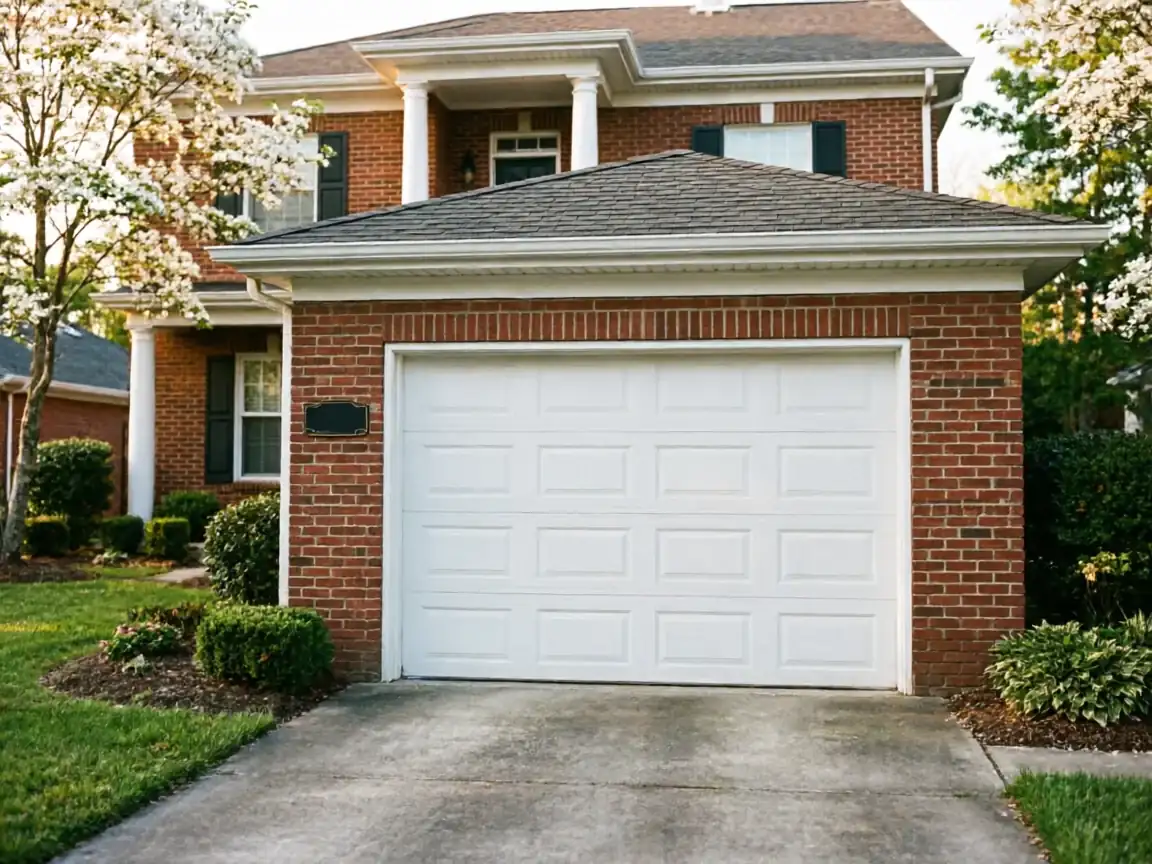
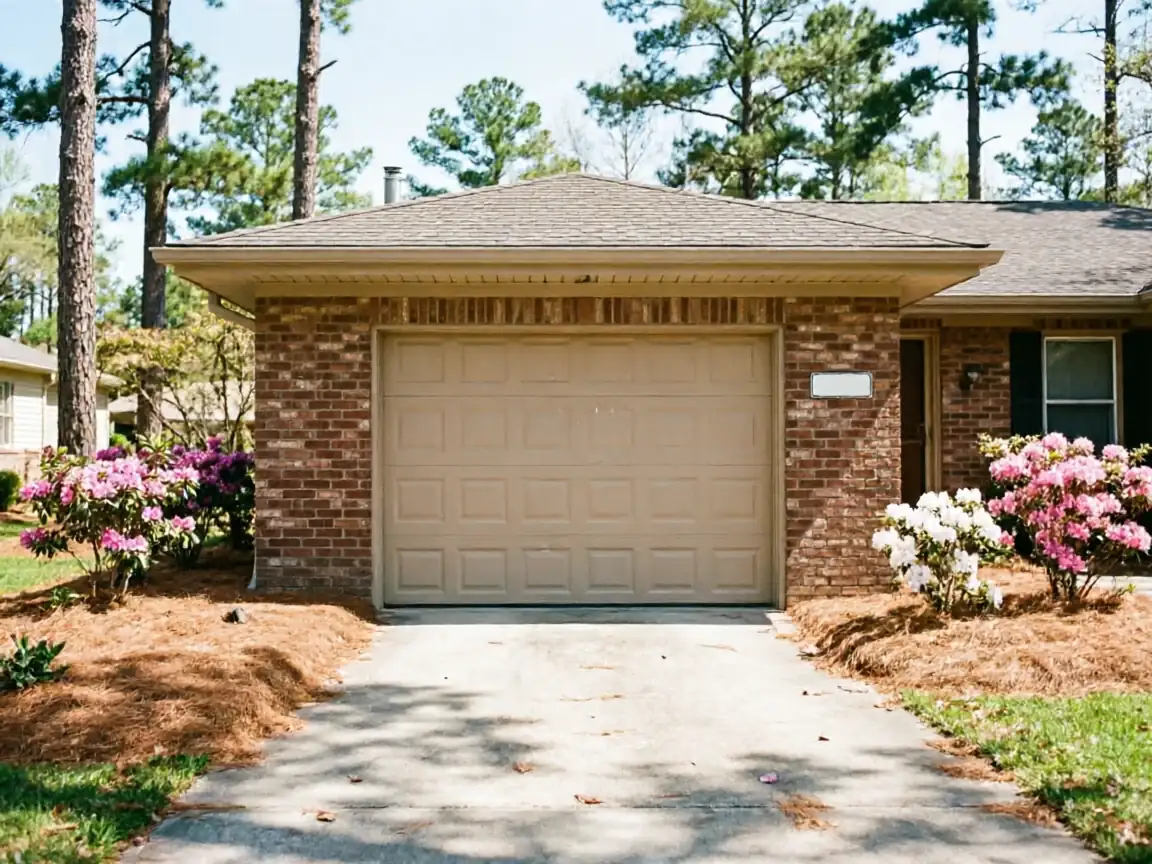
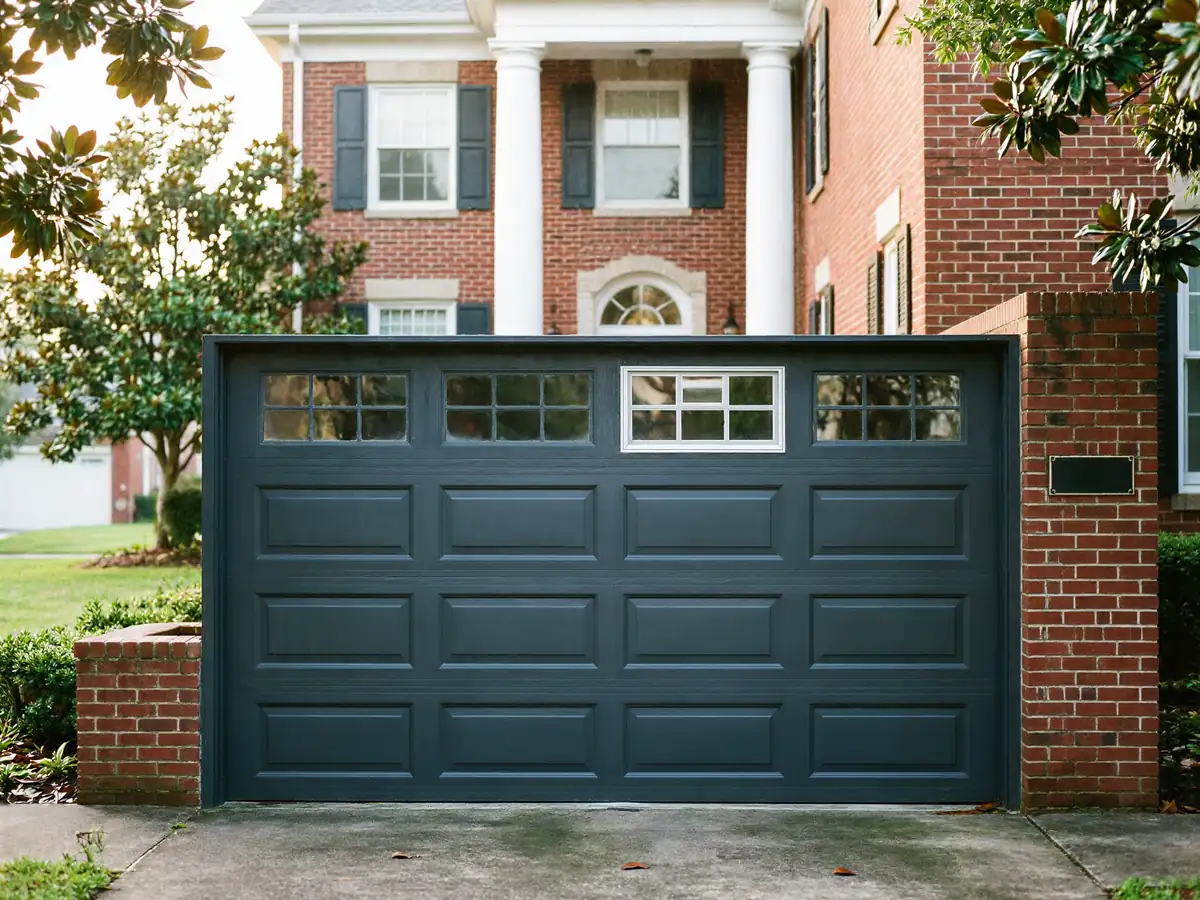
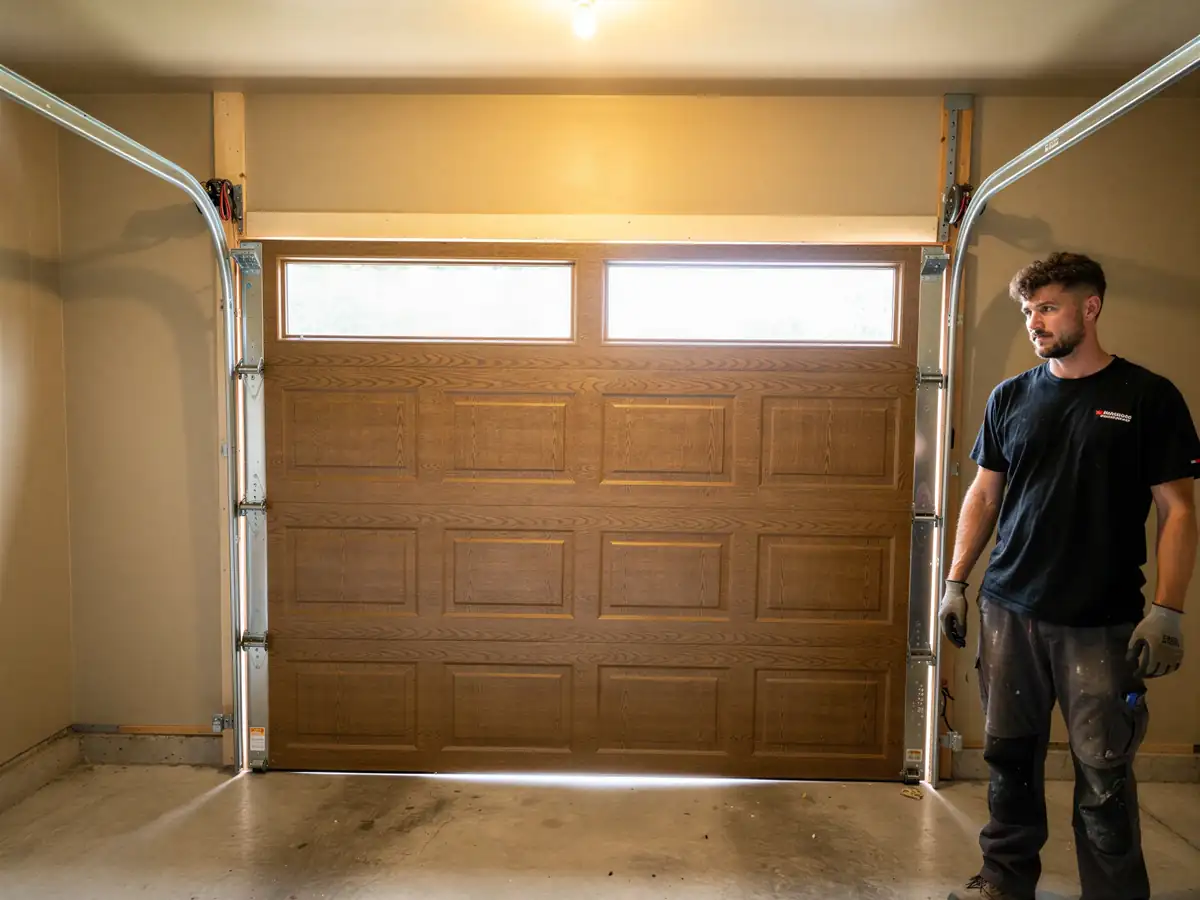
Most of what sends a Wyndham homeowner looking for a new door isn't storm damage - it's a door that's simply aged out. Builder-grade doors installed when these homes went up around 2001 are now into their third decade, and the ones without foam insulation have been showing it: panels that flex and bang in cold weather, seals gone brittle, an opener working harder than it should to lift a door that's heavier than it was new. The service area overall sits in a cold-moderate climate band, and an uninsulated steel door from the early 2000s wasn't built with today's expectations for a quiet, well-sealed garage. We also see a fair number of calls where the door itself is fine but the owner wants out of a single louvered-panel style that was standard on builder homes back then and looks dated now next to everything else that's been updated on the house. Neither of those is an emergency - they're upgrade decisions, and we treat them that way, without pushing urgency that isn't there.
Stocked Parts
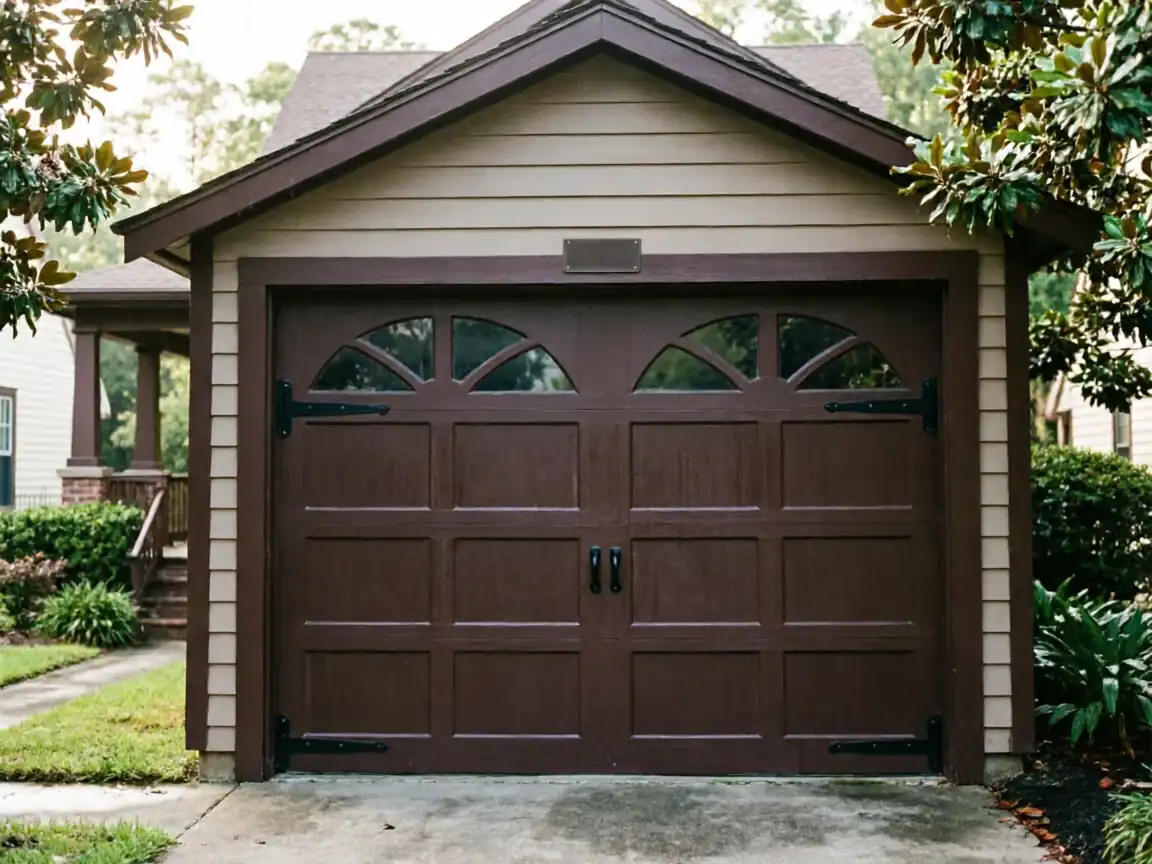
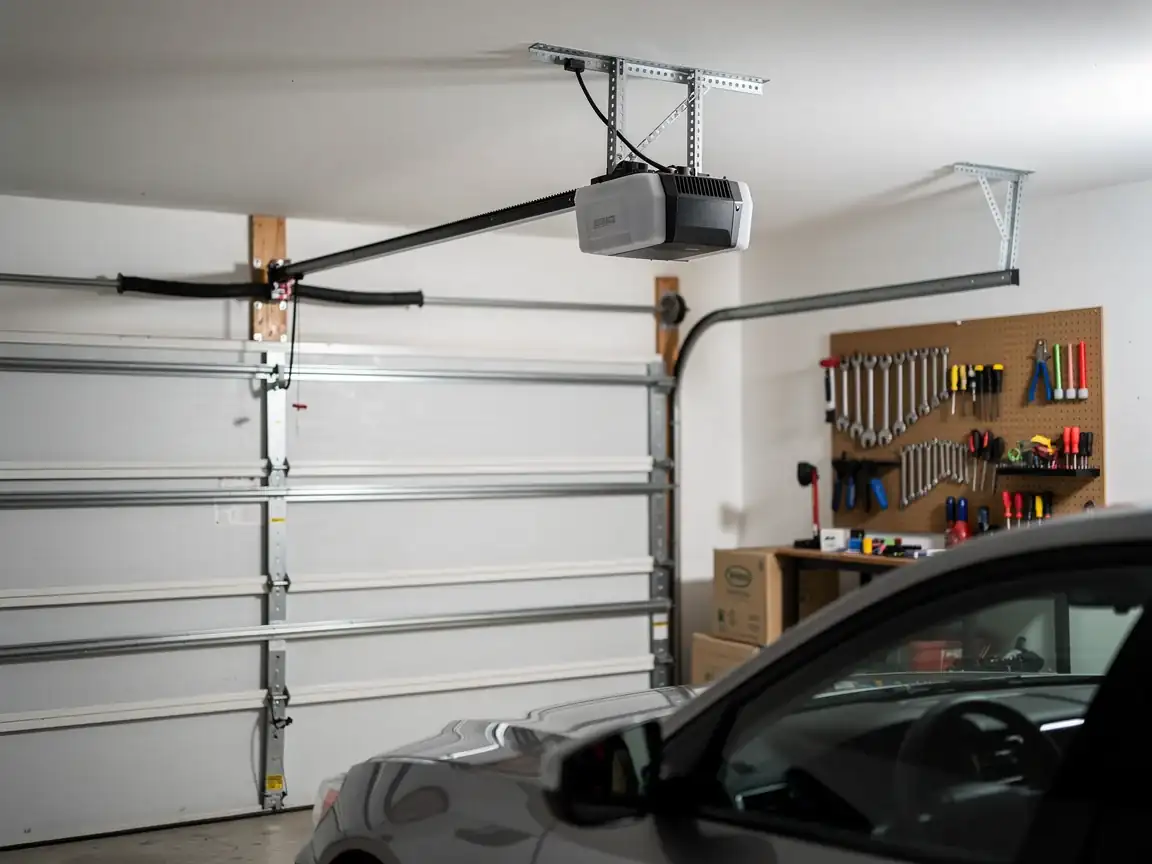
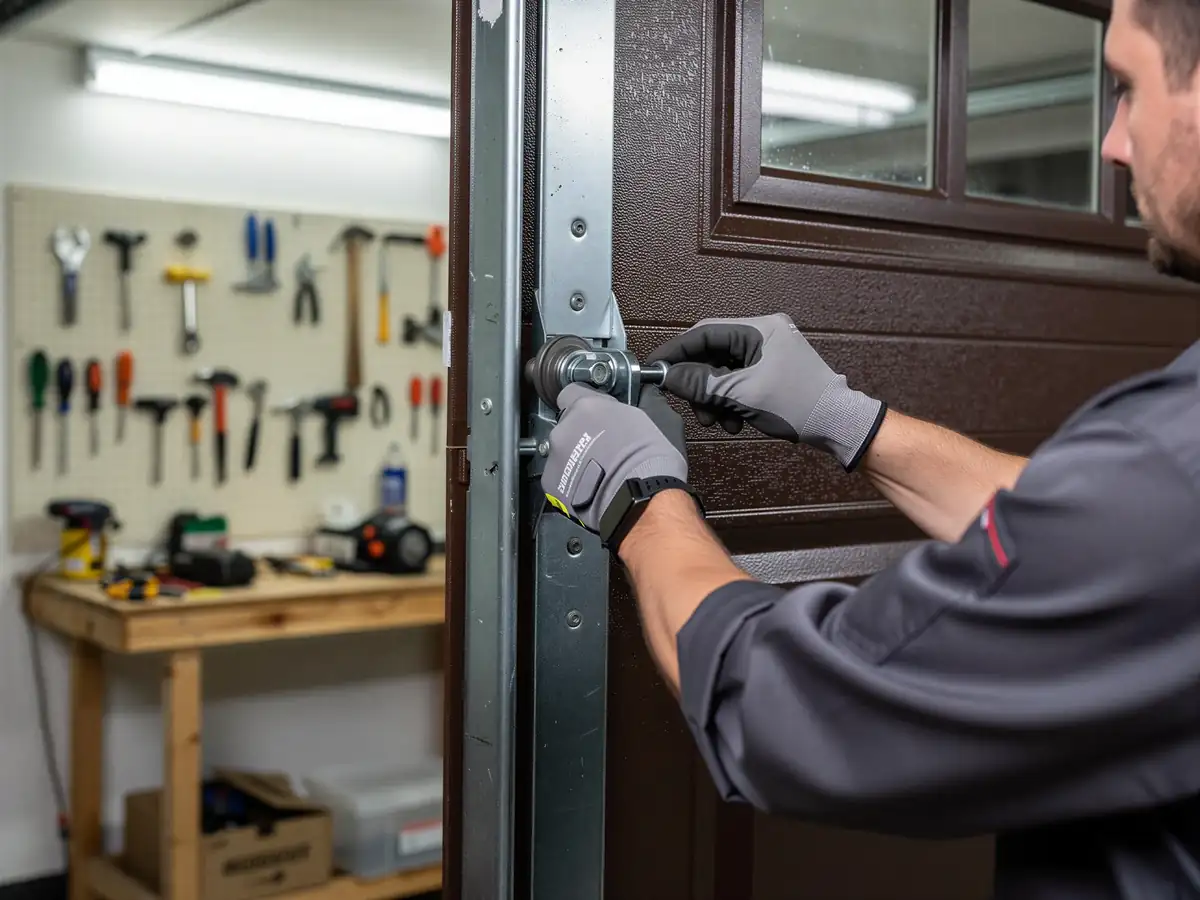
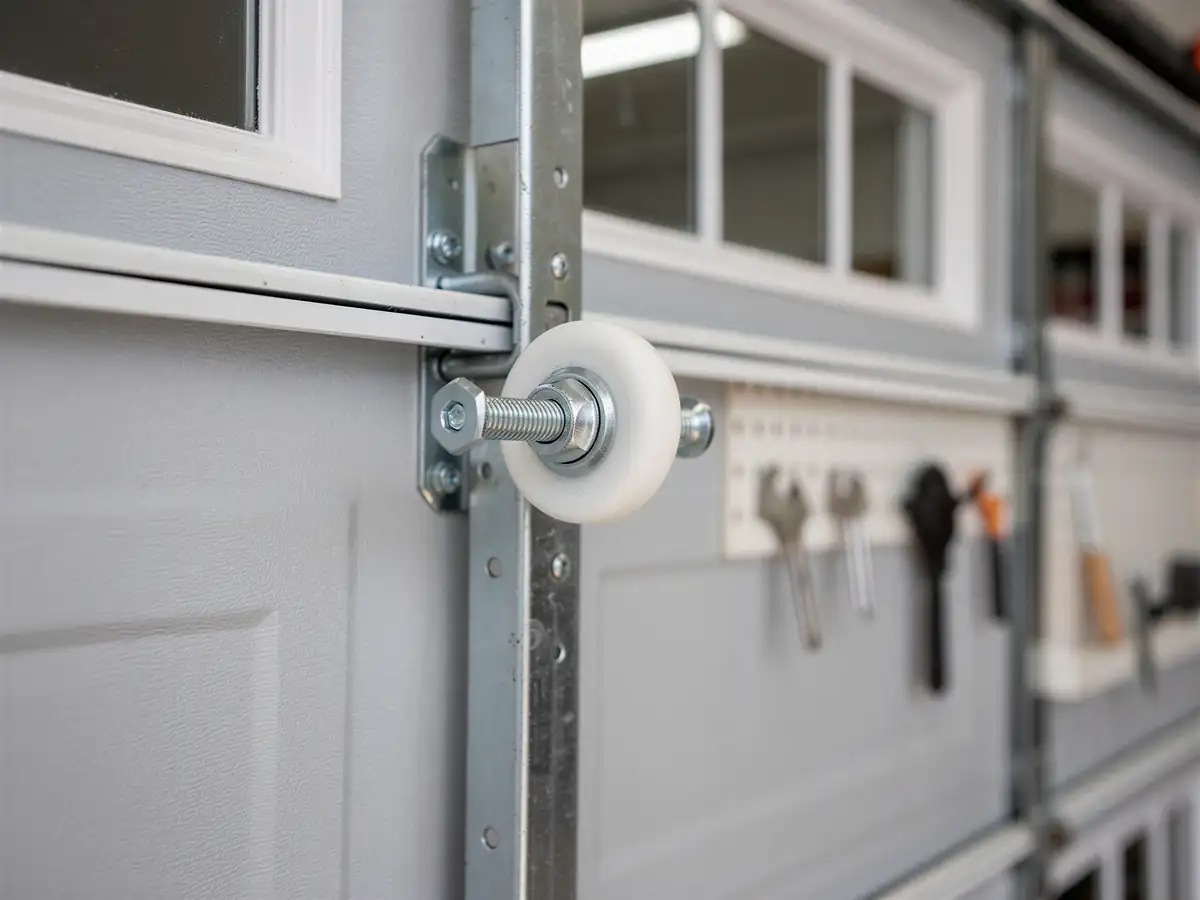
Because so much of Wyndham's housing stock traces back to a single construction wave around 2001, the openings are consistent - standard widths, standard header heights, torsion spring sizes that are common rather than discontinued. That makes stocking parts for this part of the service area more predictable than it is for older neighborhoods with mismatched additions and custom openings. We carry standard torsion springs, steel rollers, and standard-width track sections on the truck for exactly this kind of job, along with openers in the belt-drive range that fit a 2001-era header without modification. What we don't keep on hand are specialty doors - carriage-style wood, oversized custom widths, anything built to order from a manufacturer. Those get ordered once you've picked a style and color, and lead time depends on the manufacturer, not on us. We'll tell you the real timeline for your specific door before you commit, rather than quoting a number that only applies to the doors we already stock.