The DIY Question
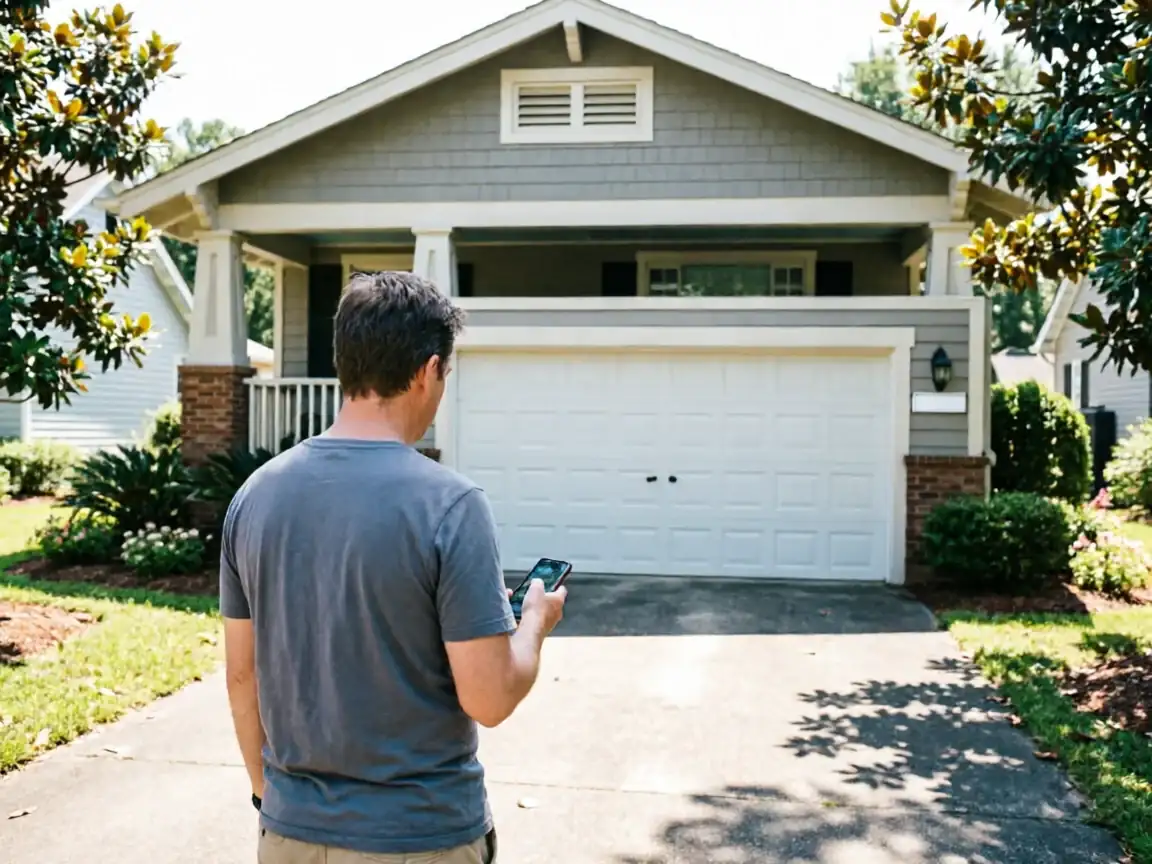
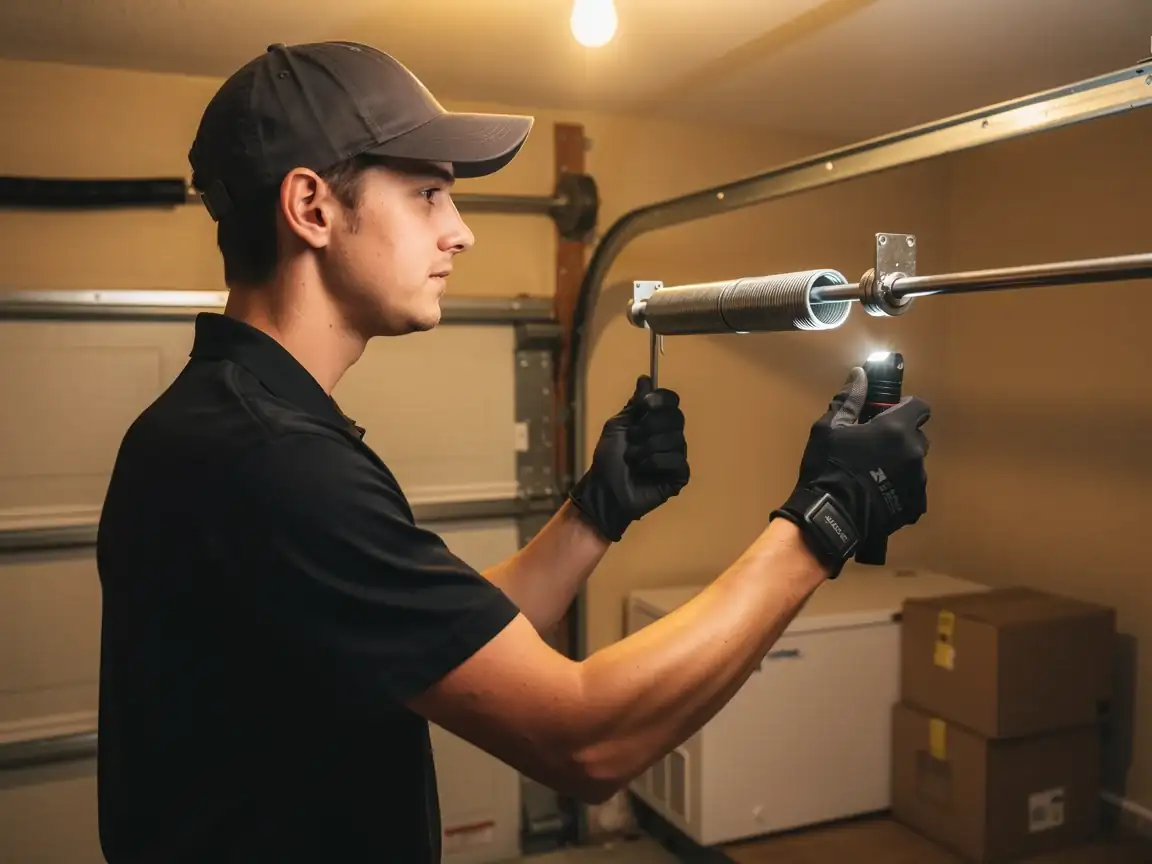
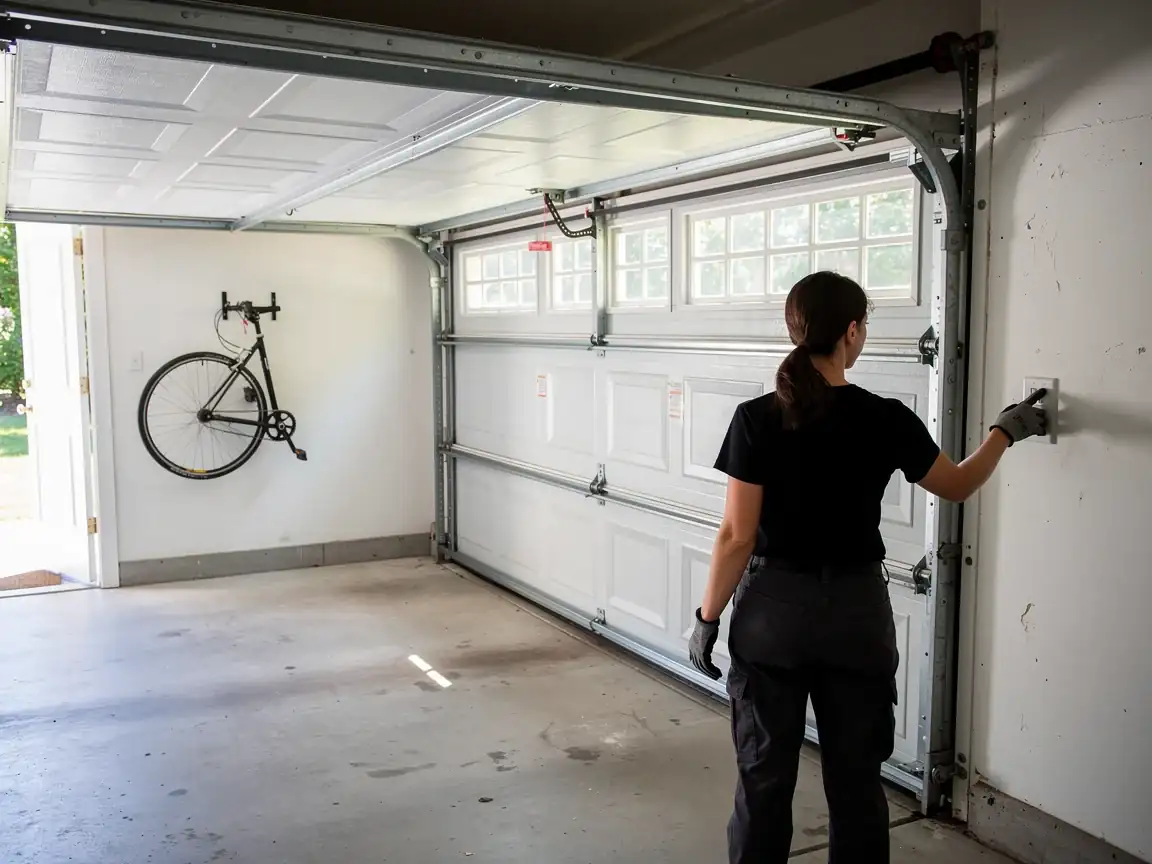
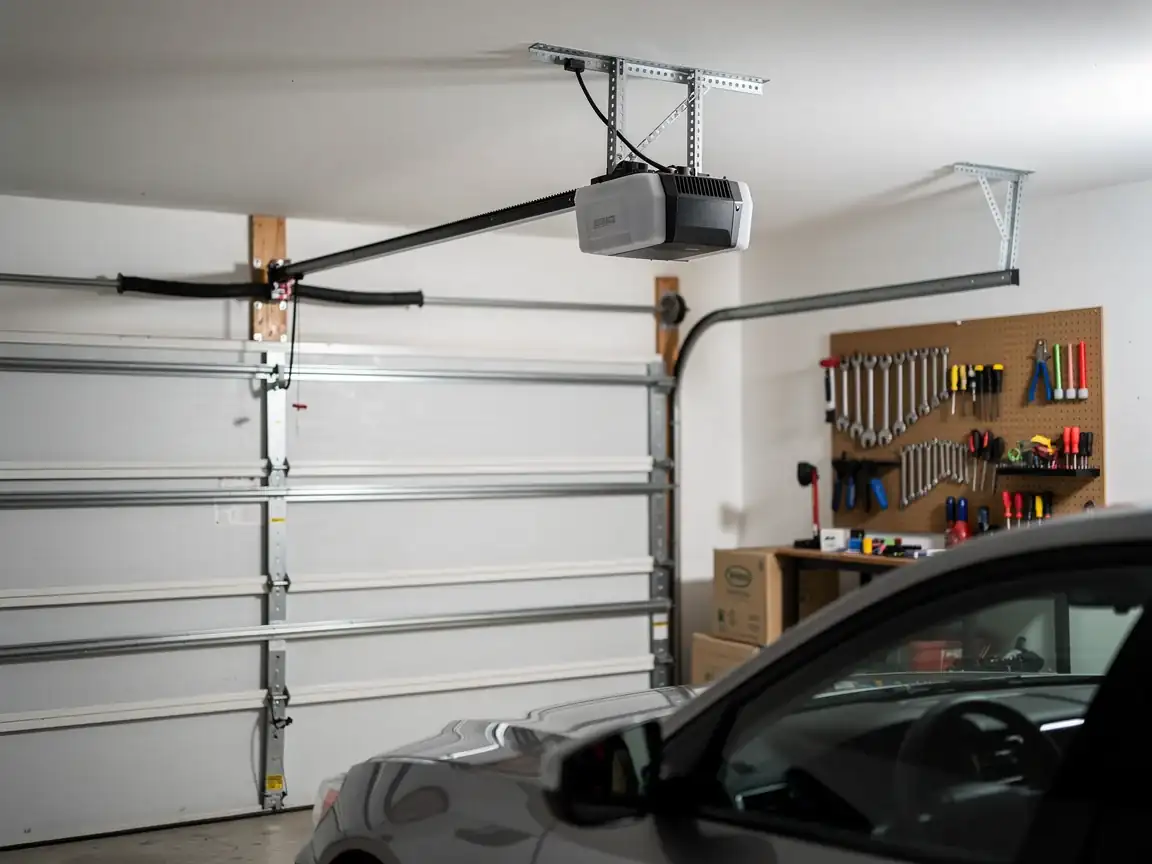
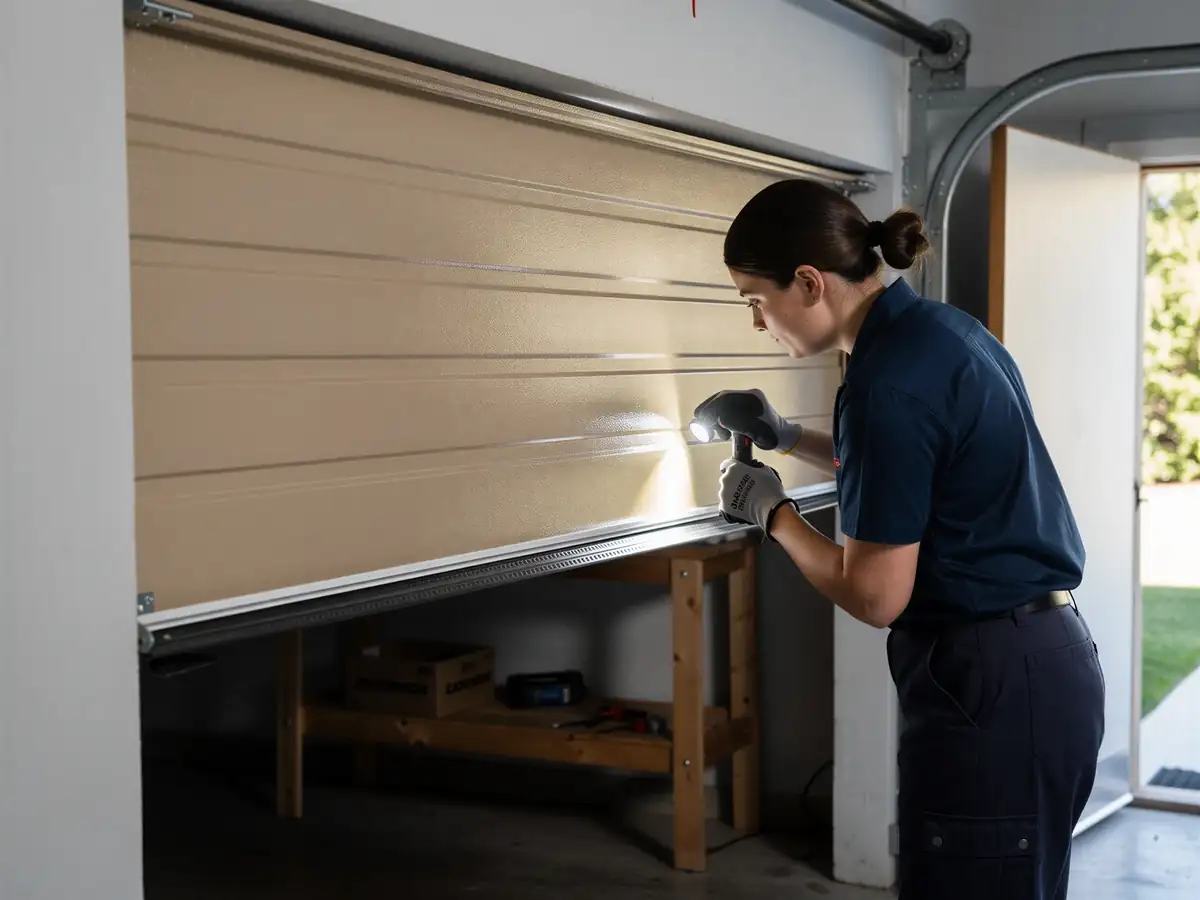
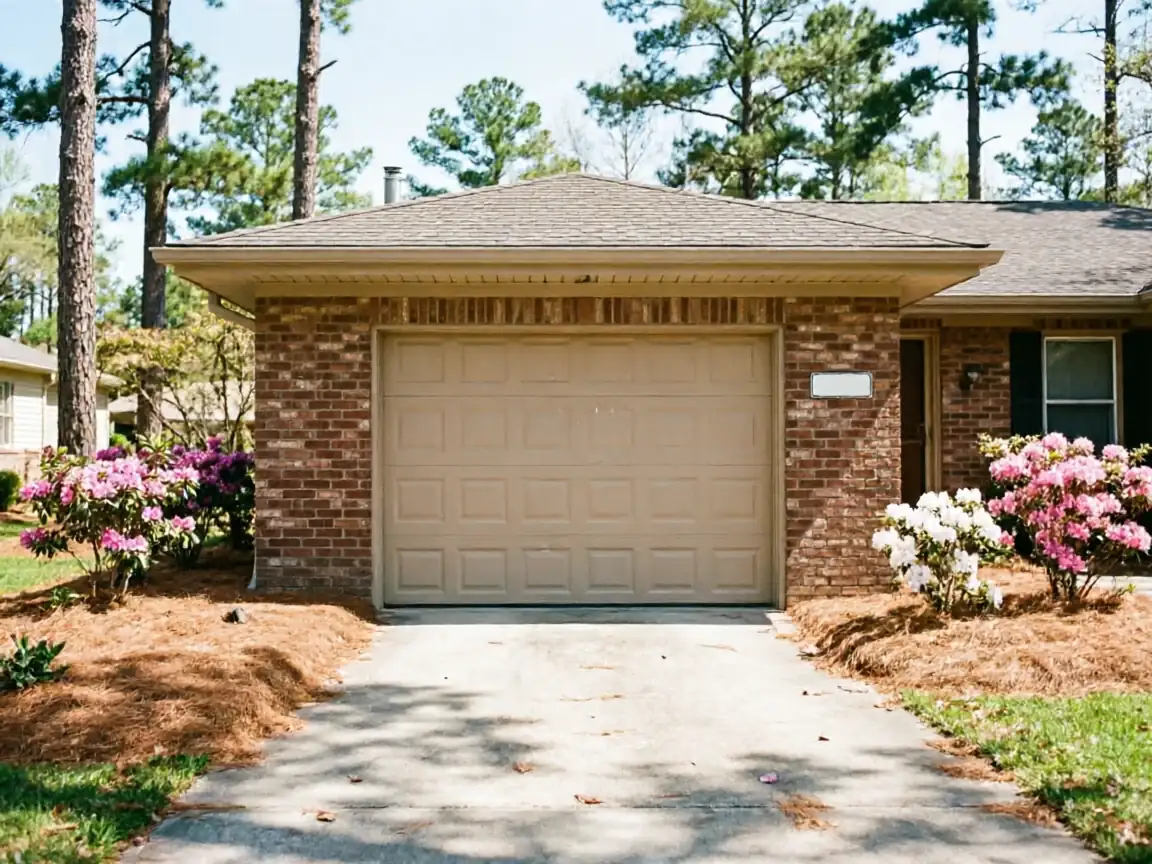
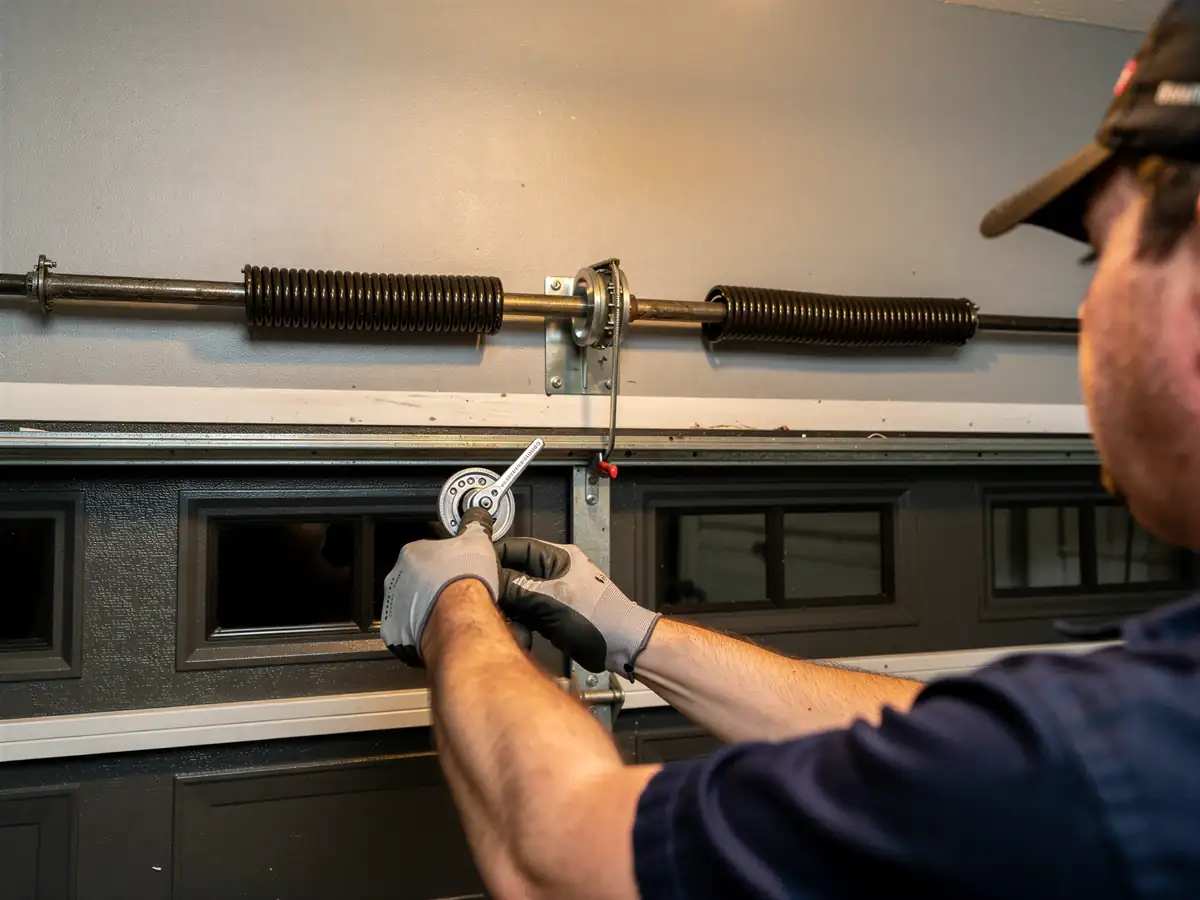
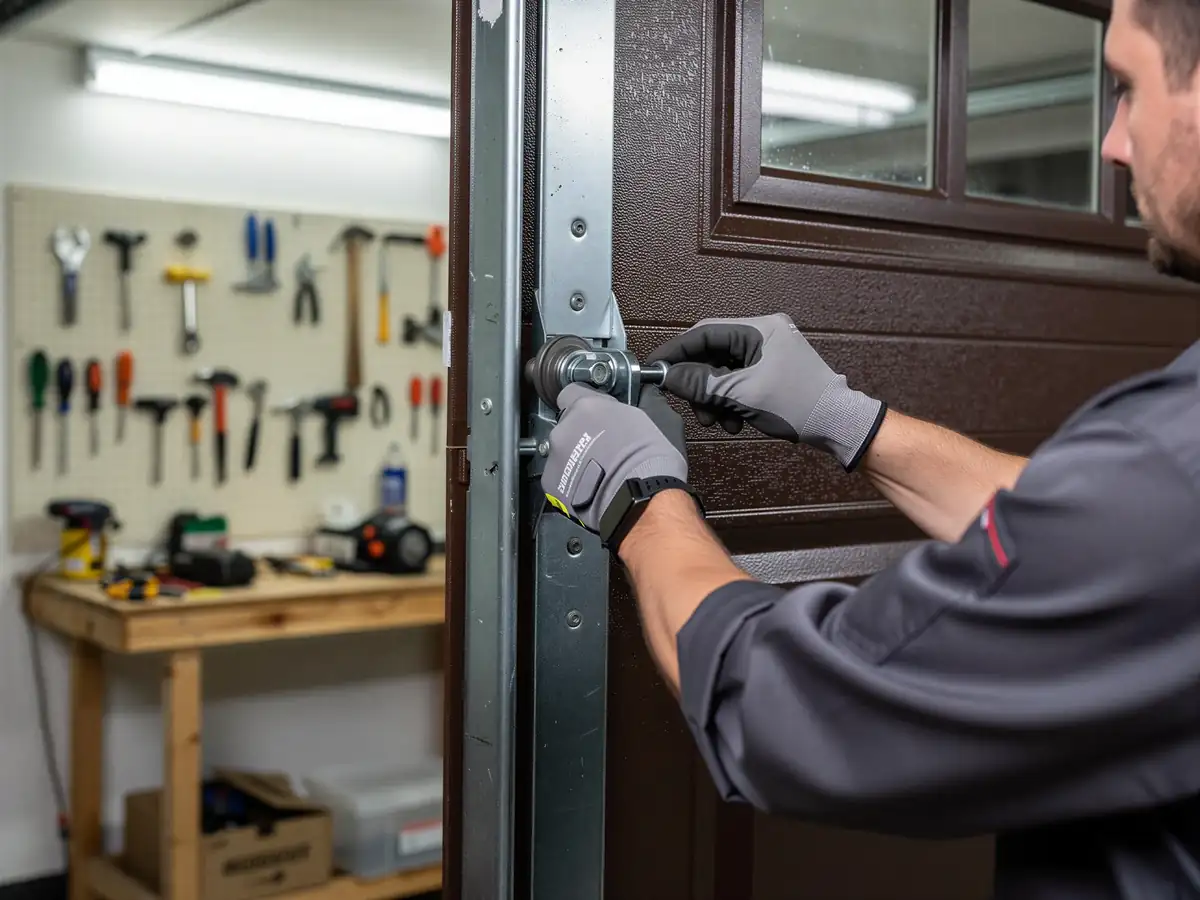
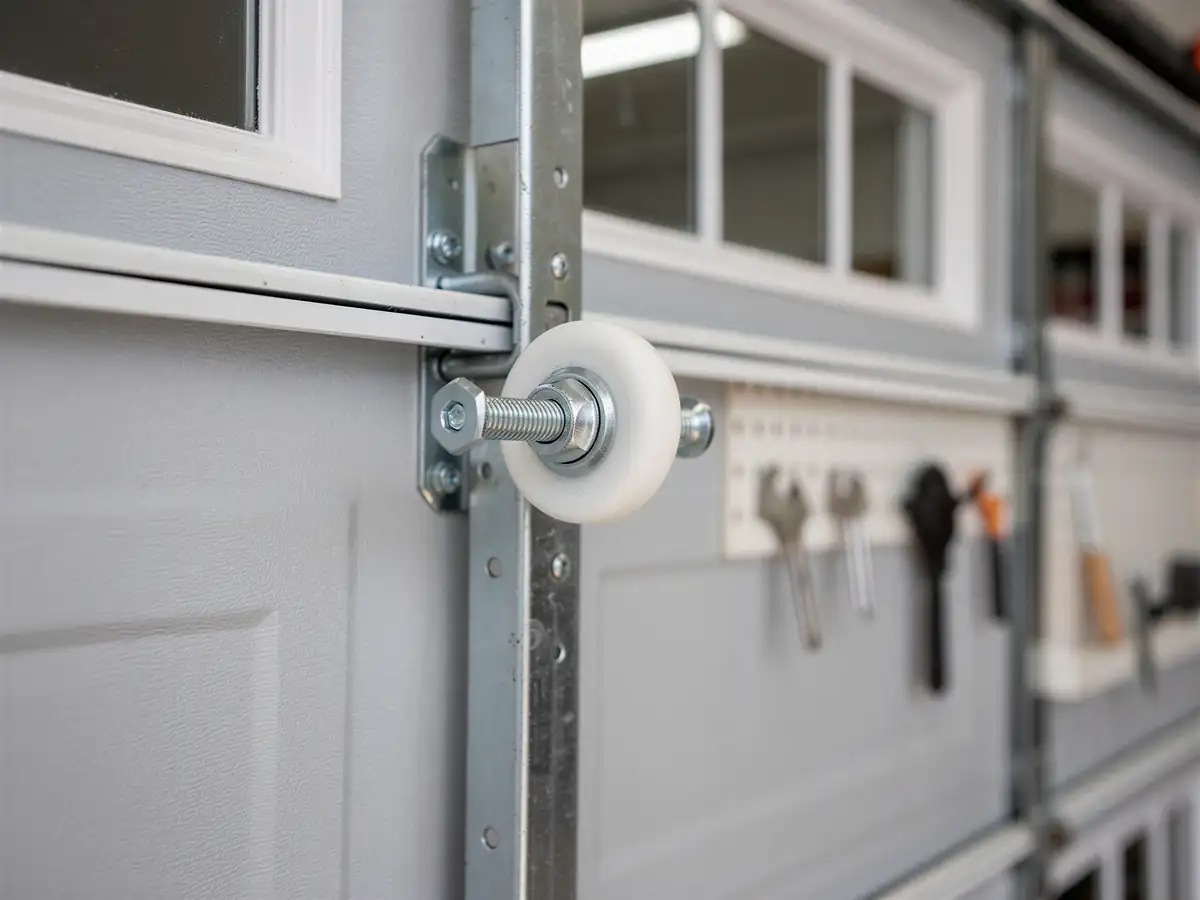
Most of what fails on a roller in Wyndham is the sleeve, not the whole assembly, and that's a job you can judge from the driveway: grab the roller stem and wiggle it side to side. If it rocks more than a little, the bearing's shot and the roller needs to come out. Swapping a single roller on a standard extension-spring door is within reach for someone comfortable on a ladder with the door disconnected from the opener first. What isn't a DIY job is anything near the bottom bracket on a torsion system, where the cable carries real tension, or any roller replacement on a door that's also binding in the track. Wyndham's housing went up mostly around 2001, which means most doors here are still on their original builder-grade rollers - steel ball-bearing units that were fine for year one and noisy by year fifteen. If yours grinds more than it rolls, that's wear, not a fluke, and it's worth doing right rather than greasing it and hoping. One honest limit: if the track itself is bent or the roller has chewed a groove into it, replacing the roller alone won't quiet the door - you're looking at a track section too.
What You Pay
We don't post a flat number here because the spread between a single nylon roller swap and a full 10-roller set with hinges replaced is wide, and Wyndham's doors land on both ends depending on which builder put them in back around 2001. What we can tell you is what drives the number: steel rollers cost less than sealed nylon, a full set costs more than a spot fix, and any job that also needs a hinge or a track adjustment adds labor, not just parts. Wyndham's median household income runs well above the wider service area's average, and in practice that shows up as more owners here asking for the quieter nylon upgrade over the cheapest steel match, rather than asking us to just replace the one that broke. Both are legitimate choices - nylon is quieter and lasts longer, steel is cheaper and still does the job on a door that isn't used ten times a day. We'll tell you which rollers are actually worn once we're under the door, not before.
What Causes It Around Here
Wyndham sits in the same cold-moderate climate band as the rest of the area, which means freeze-thaw cycles each winter, and that matters more for rollers than people expect. Moisture gets into the bearing sleeve during a thaw, then the grease stiffens again on the next cold night, and over enough cycles that's what roughens a bearing - not just years of opening and closing. Because most Wyndham doors date to around 2001, the originals are now old enough that this slow corrosion has had two decades to work, even on houses where the opener itself was never touched. The other local factor is usage pattern: houses from this build era in Wyndham tend to have two-car garages with openers run daily, so the rollers here see more cycles per year than an older single-door setup elsewhere in the service area might. More cycles plus two decades of freeze-thaw is a specific combination, and it's why a roller that still looks fine from the ground can already be grinding in the sleeve.
Stocked Parts
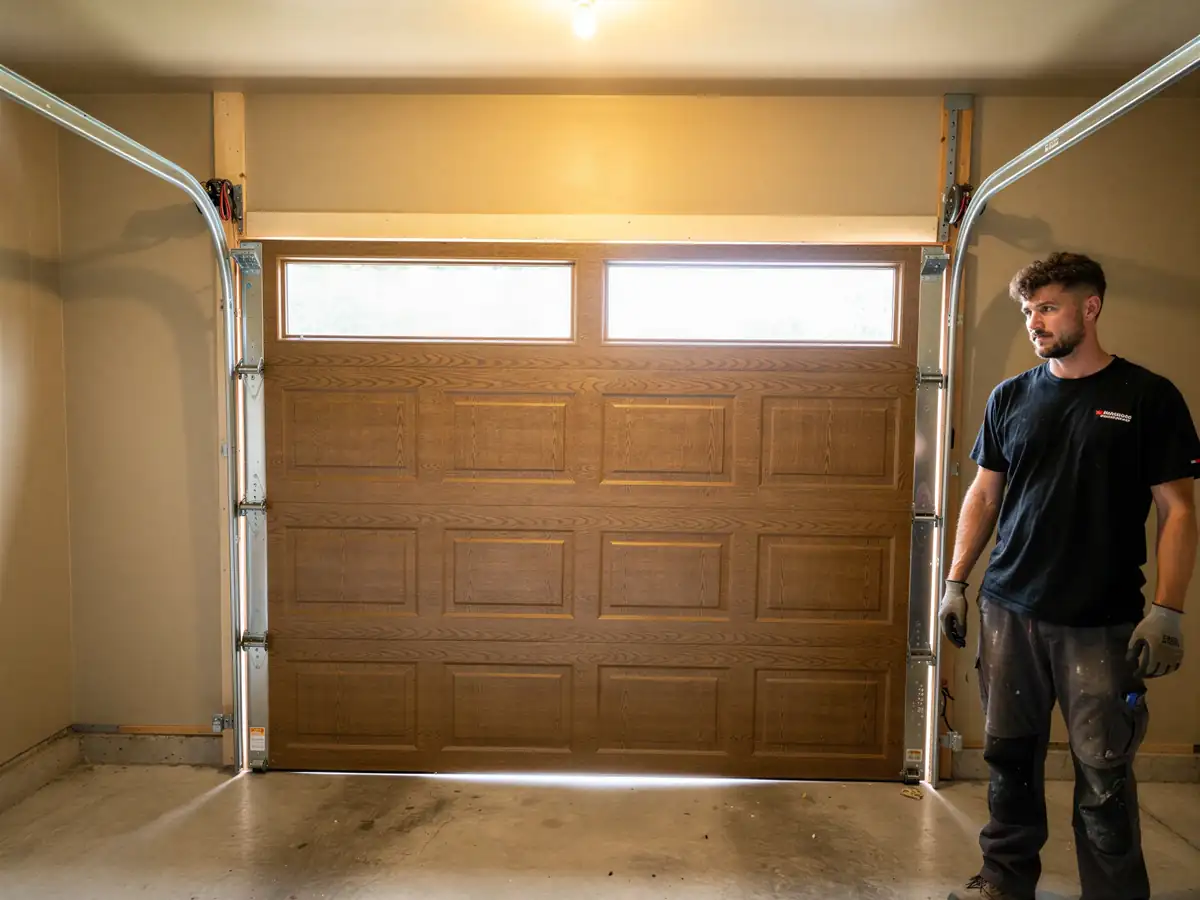
We carry the common roller sizes and both steel and nylon options on the truck, which covers the builder-grade hardware typical of a door installed around 2001 - that covers the bulk of what's on the road from Midlothian to Wyndham on any given day. What we don't stock is anything proprietary to a specific opener brand's roller-and-track combo; those are special order and the lead time depends on the manufacturer, not on us. If your door takes an odd-sized roller or the track itself is a non-standard profile, we'll tell you at the inspection rather than let you wait on a truck that isn't bringing the right part. For the standard stuff - 7-ball and 10-ball steel, sealed nylon in matching sizes - we don't need a second trip.