What You Pay
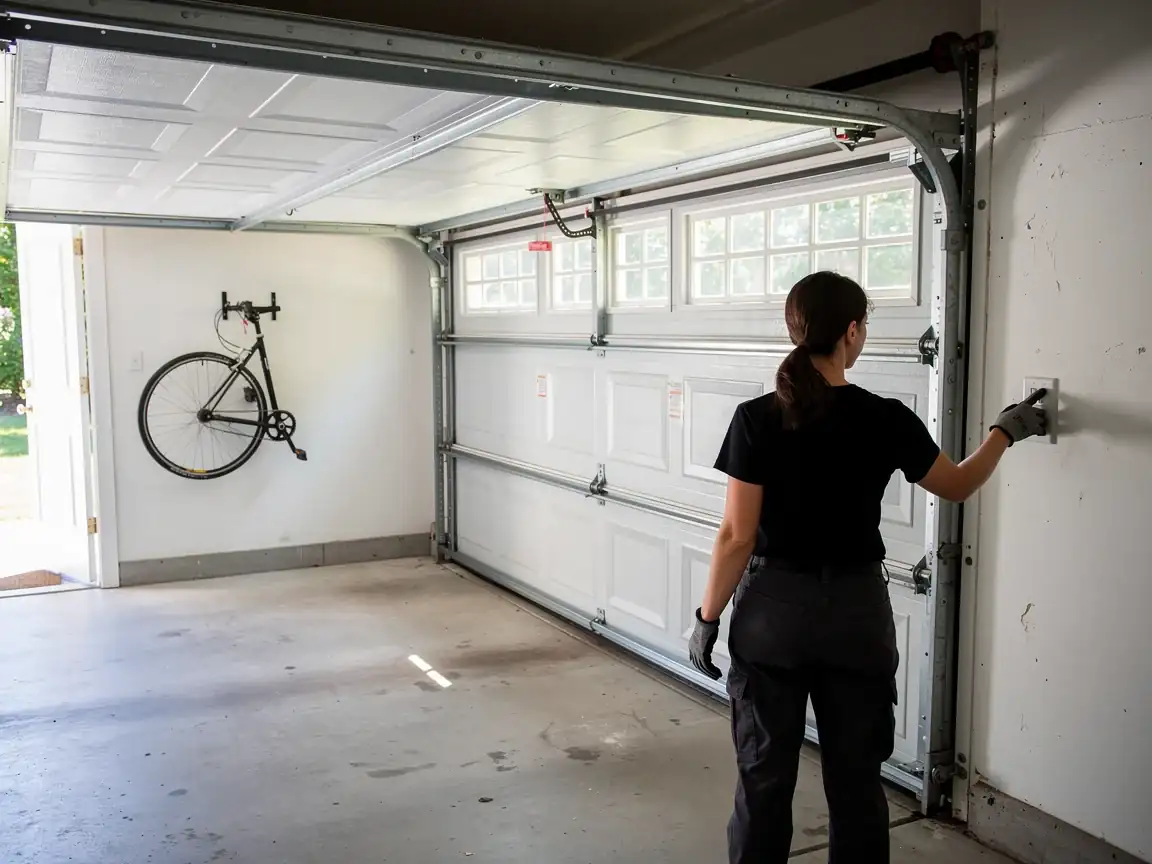
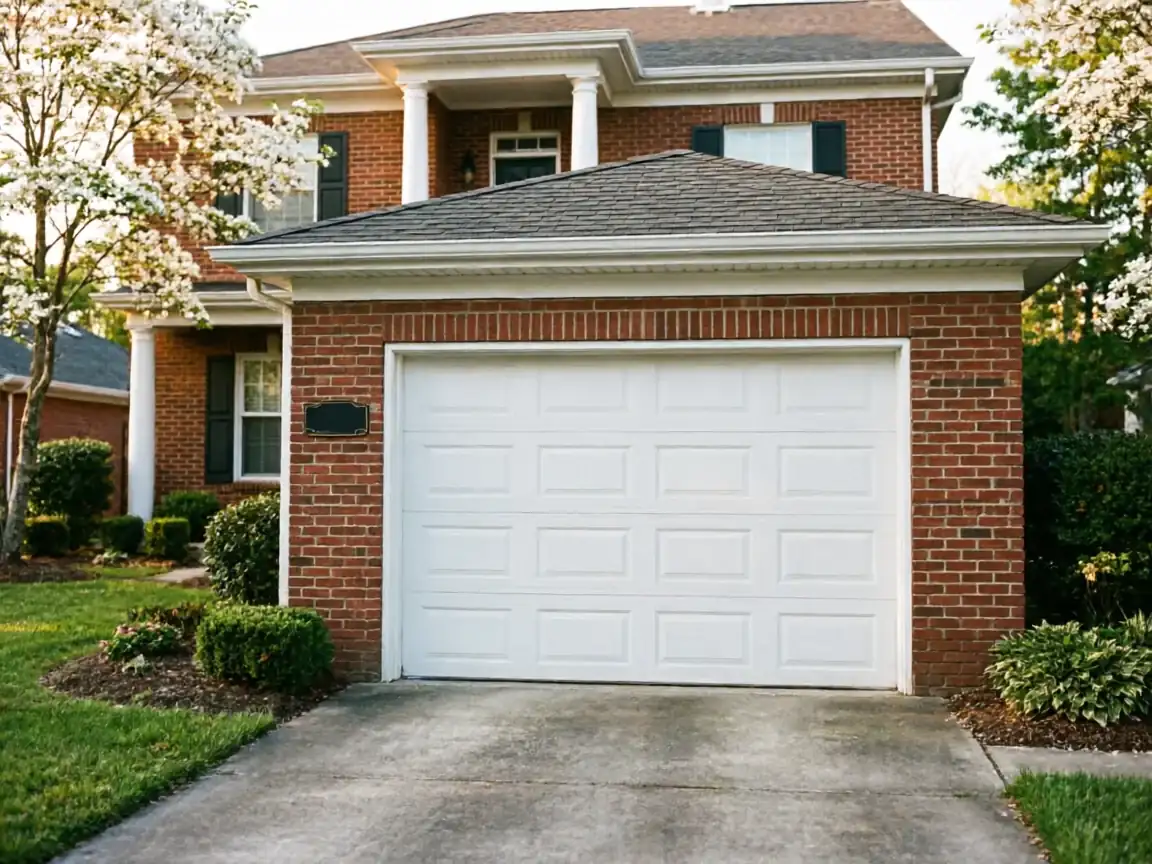
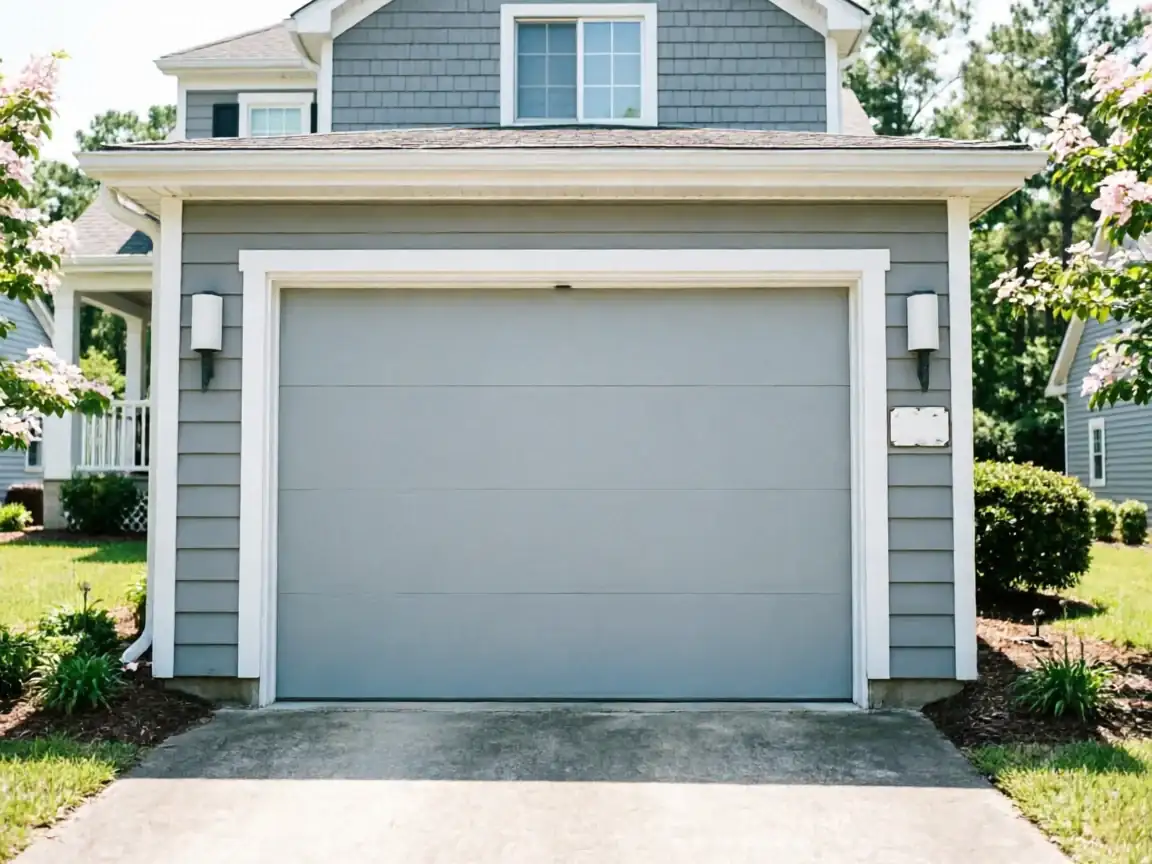
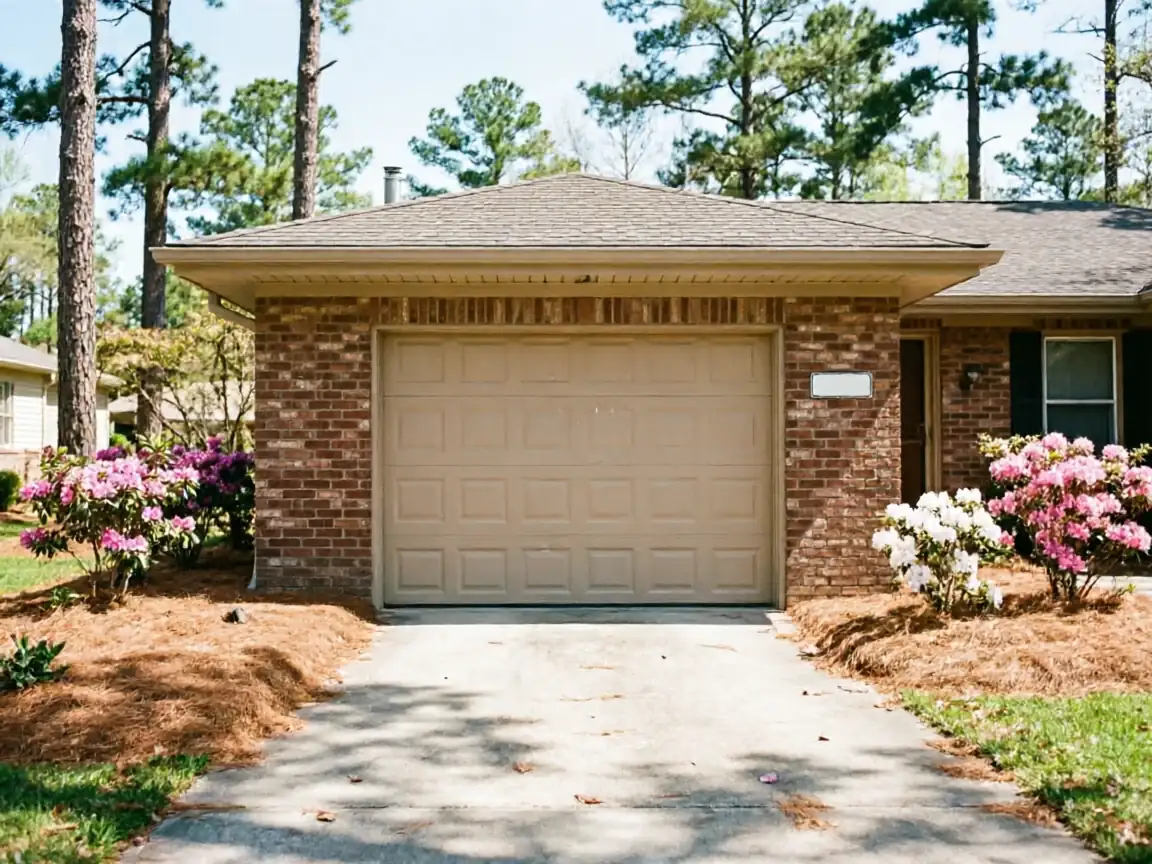
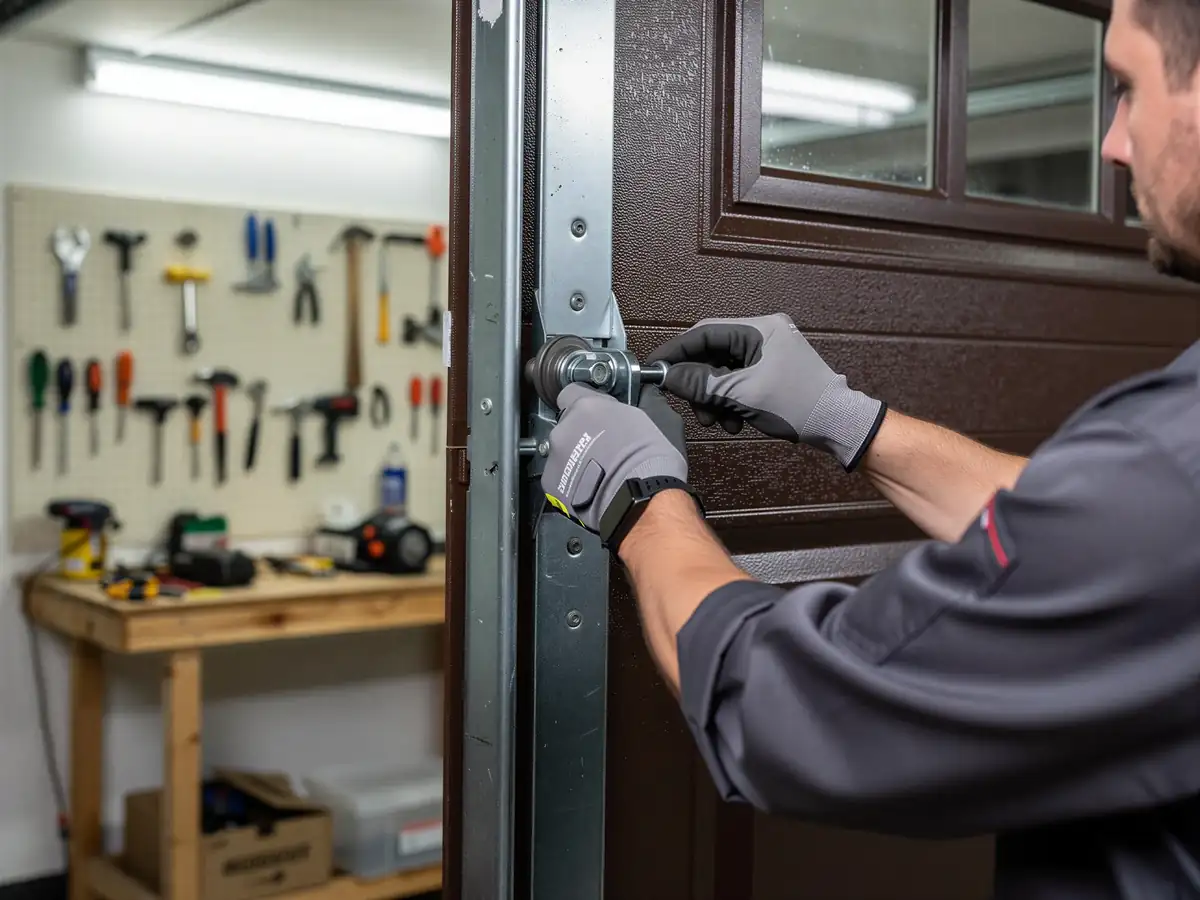
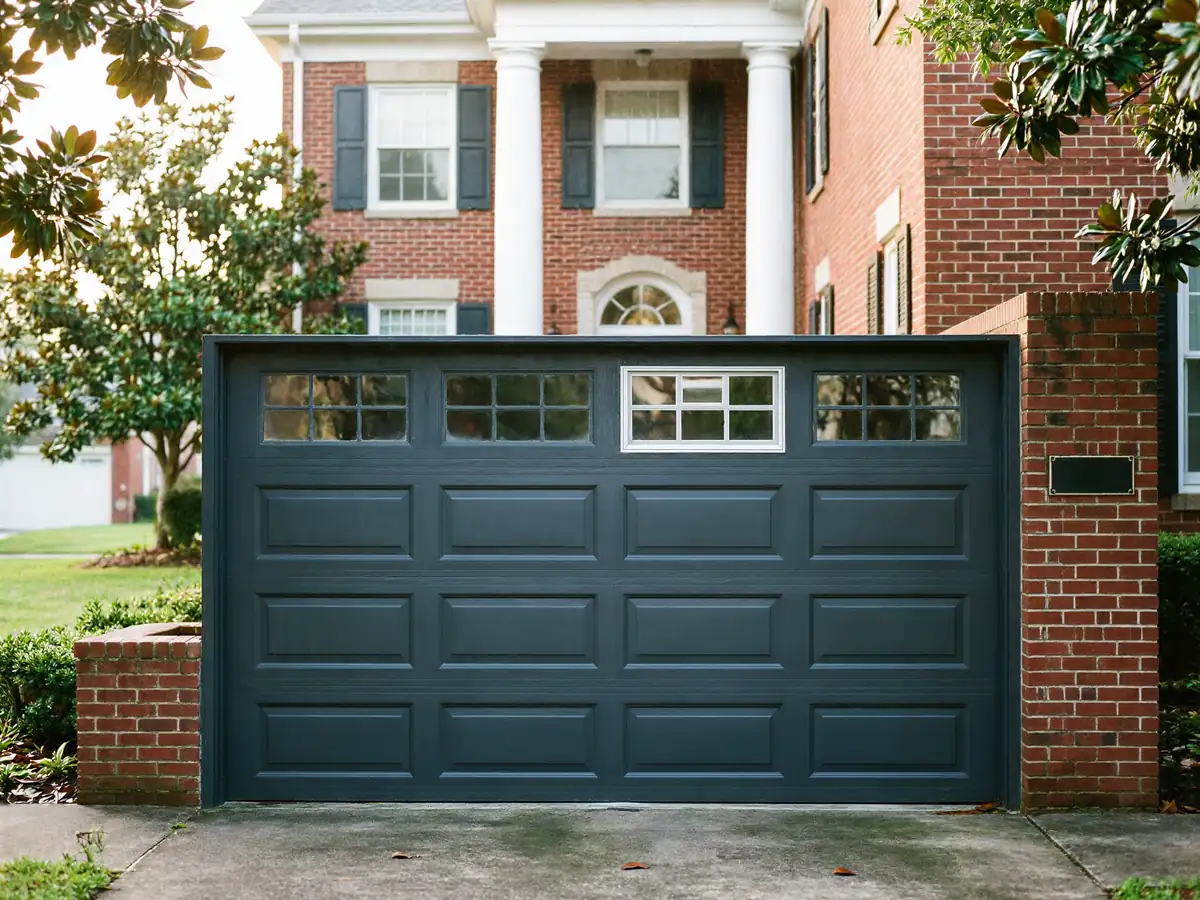
Most of East Highland Park went up around 1977, and that year matters more than people think when you're pricing a repair. A door from that stretch is almost always a steel single-layer panel, no insulation sandwich, hung on a 16x7 or 9x7 opening depending on whether the house has a single or double bay. There's no foam core to drill through, no composite skin to crack a bracket off of - it's plain steel over a wood or steel frame, and the hardware underneath is whatever the builder spec'd in the late '70s, which by now has usually been touched at least once. What you pay depends on whether that's a spring, a cable, a roller, or the whole section, and whether the opener bolted on later is original or a replacement. We quote the job after we see which of those it is, not off a phone guess.
Where This Job Goes Sideways
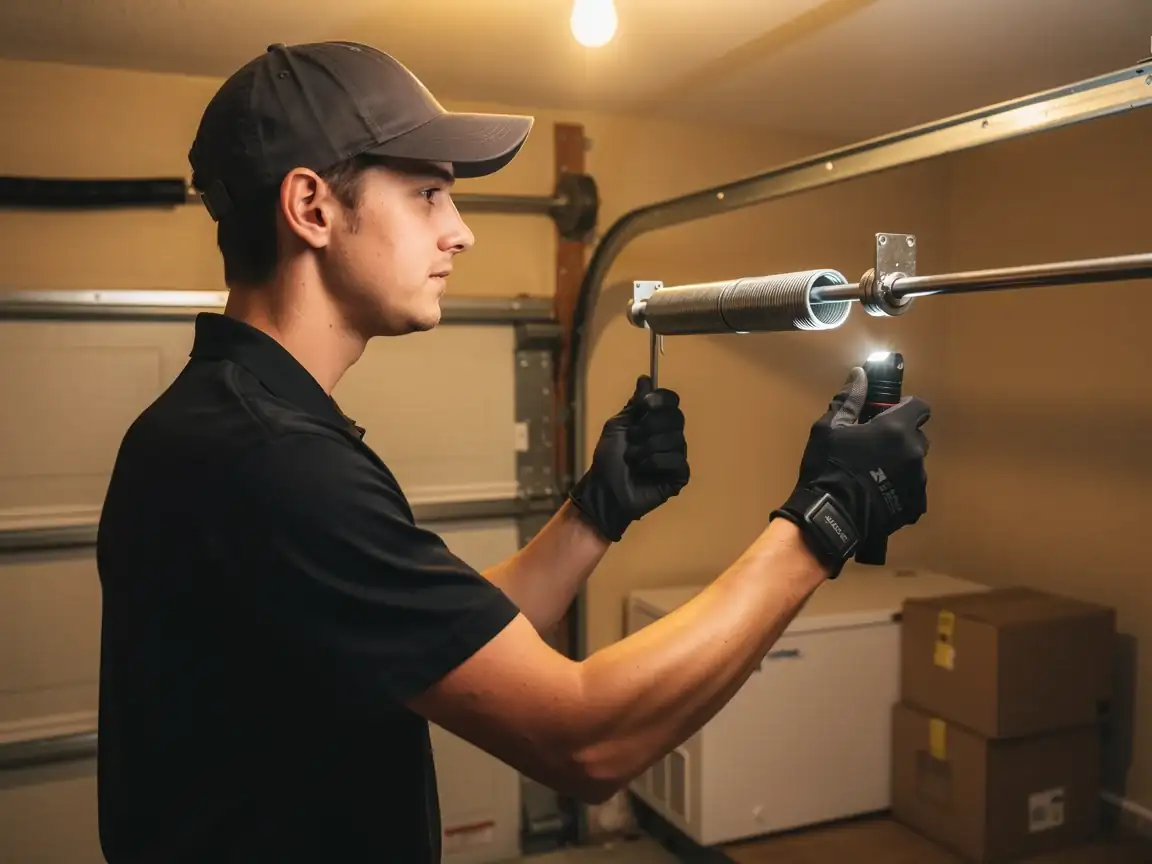
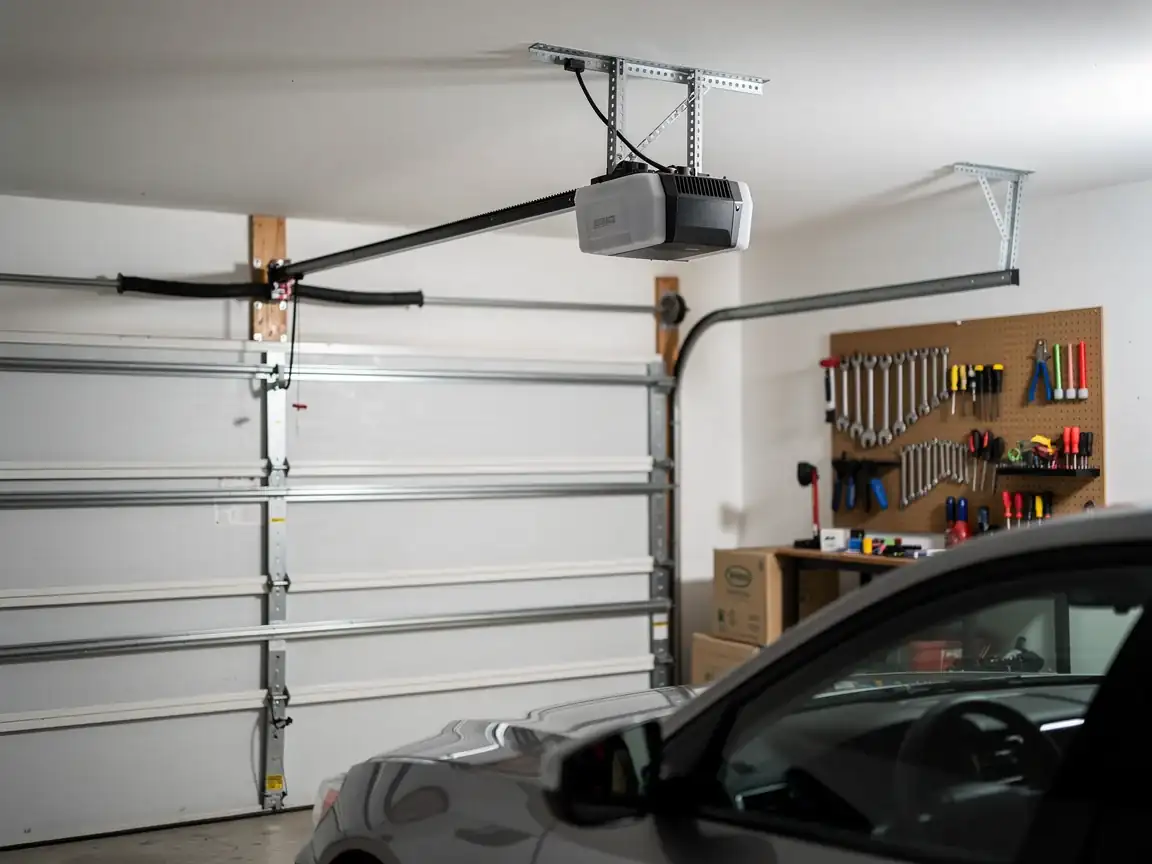
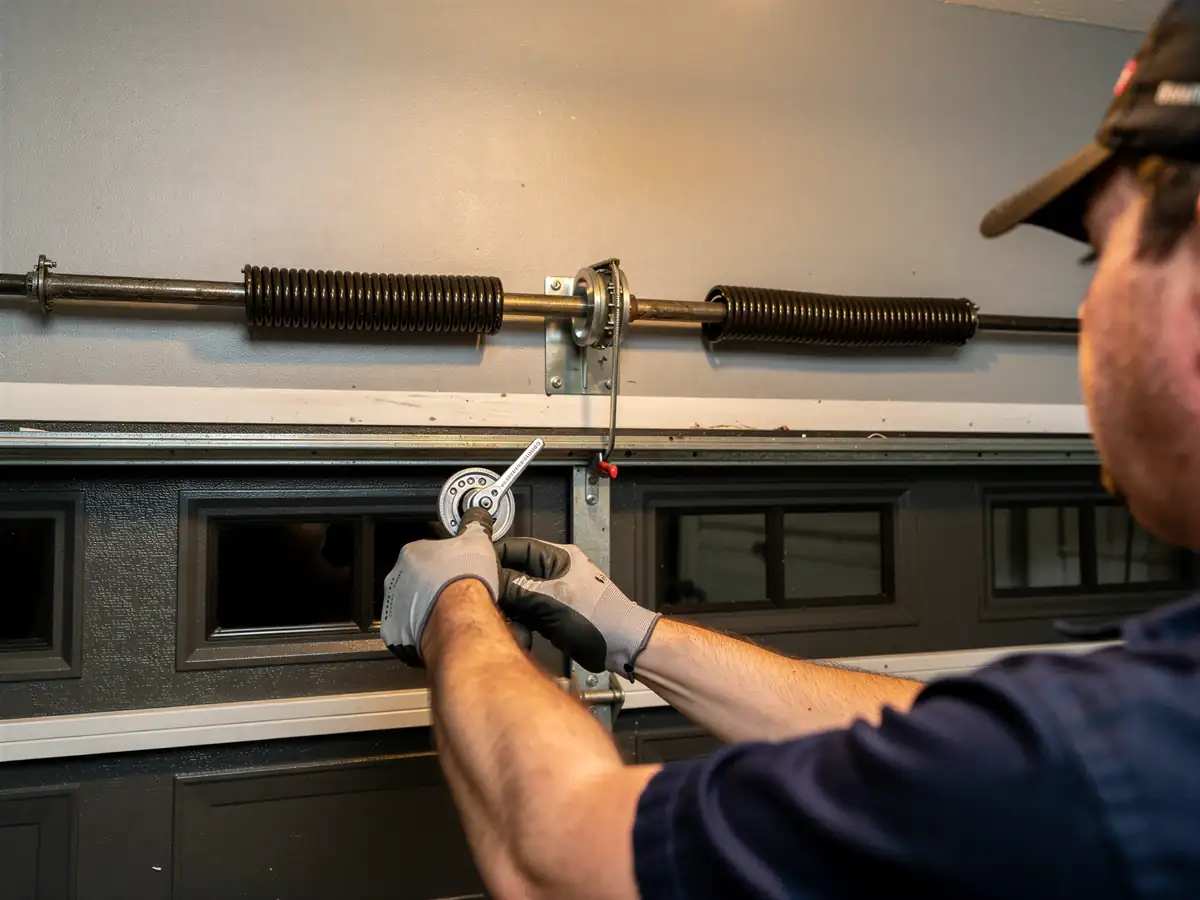
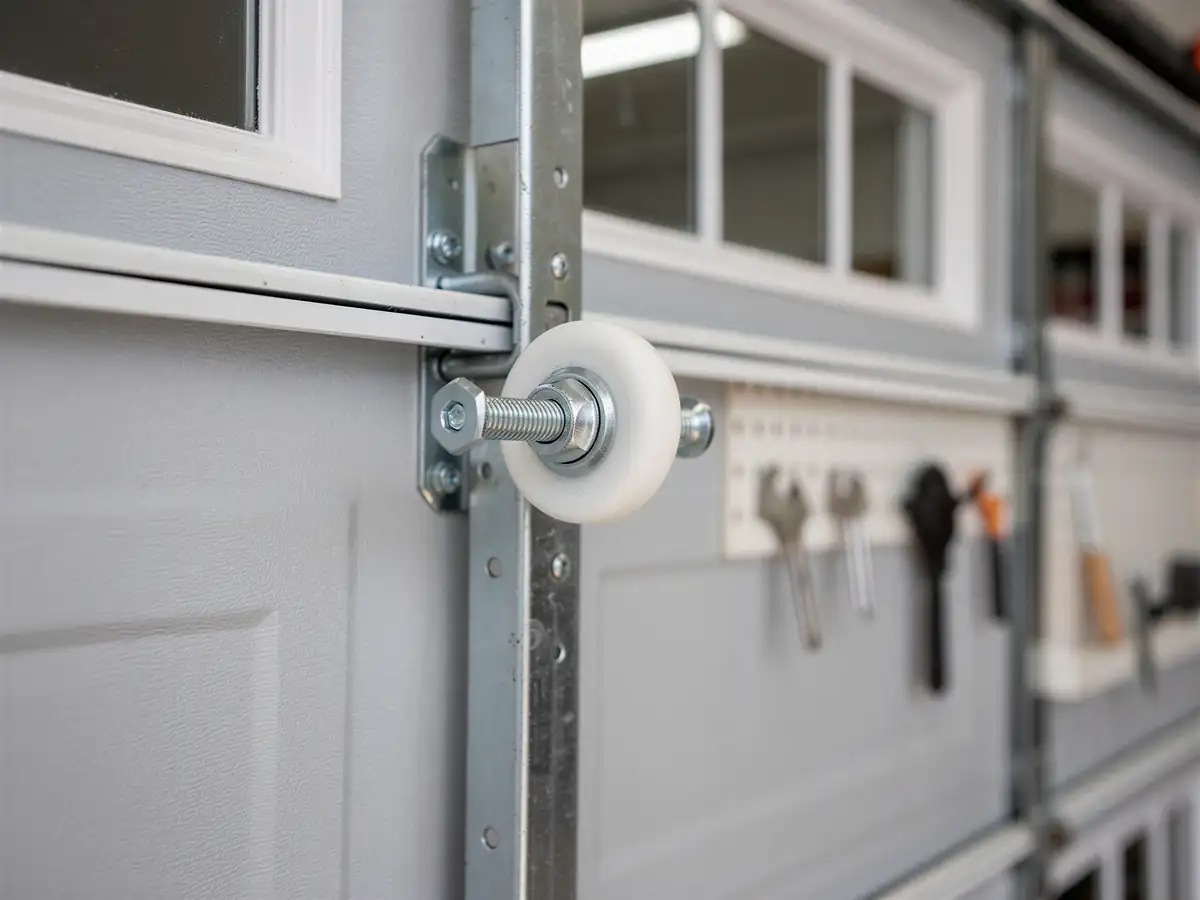
The trouble with a door this age is the hardware doesn't match the door anymore, not in a way you can see from the driveway. A homeowner swaps a broken spring in 2005, puts in whatever size was on the truck, and now the spring doesn't match the door weight. Run that setup another fifteen years and the cable frays early, or the drum wears a groove it shouldn't have. We see this a lot on houses in this part of the county: the visible fix from years back wasn't wrong, it just wasn't matched to the rest of the system, and now two things are failing instead of one. If the track is also bent from that era's lighter-gauge steel, straightening it can cost more than it's worth - at that point we tell you replacement beats another patch, and we mean it, not as a sales line.
What Causes It Around Here
With roughly 6,670 households in this pocket and median income near $69,750, a lot of these garages are doing daily duty - second vehicle, lawn gear, the stuff that doesn't fit in the house. Doors built in the 1977 window are also past the point where factory lubrication and factory springs are doing much for you; metal fatigues whether it's used hard or not. Add a winter freeze-thaw cycle, which this area gets, and an extension spring or a worn roller that was marginal in October gives out in January. It's less about one single defect and more about a 40-plus-year-old mechanical system meeting daily use and cold weather at the same time.