What You Pay
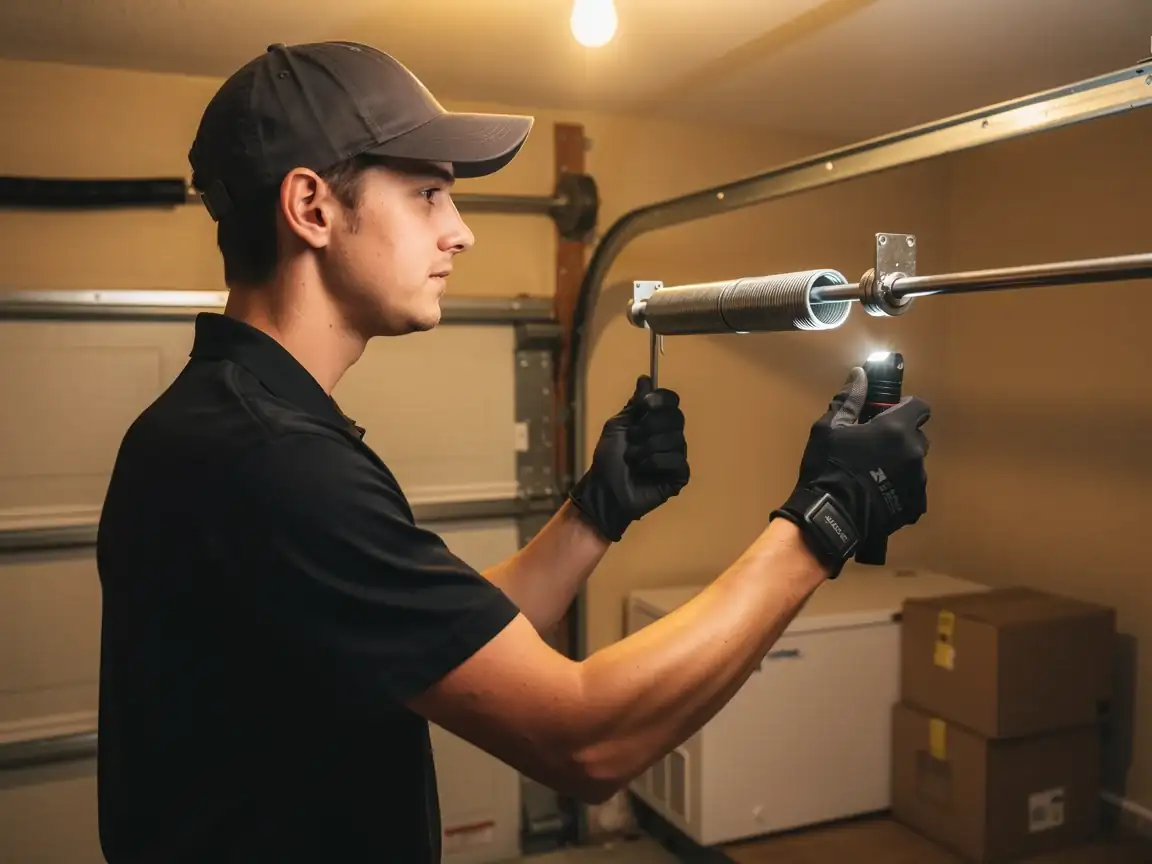
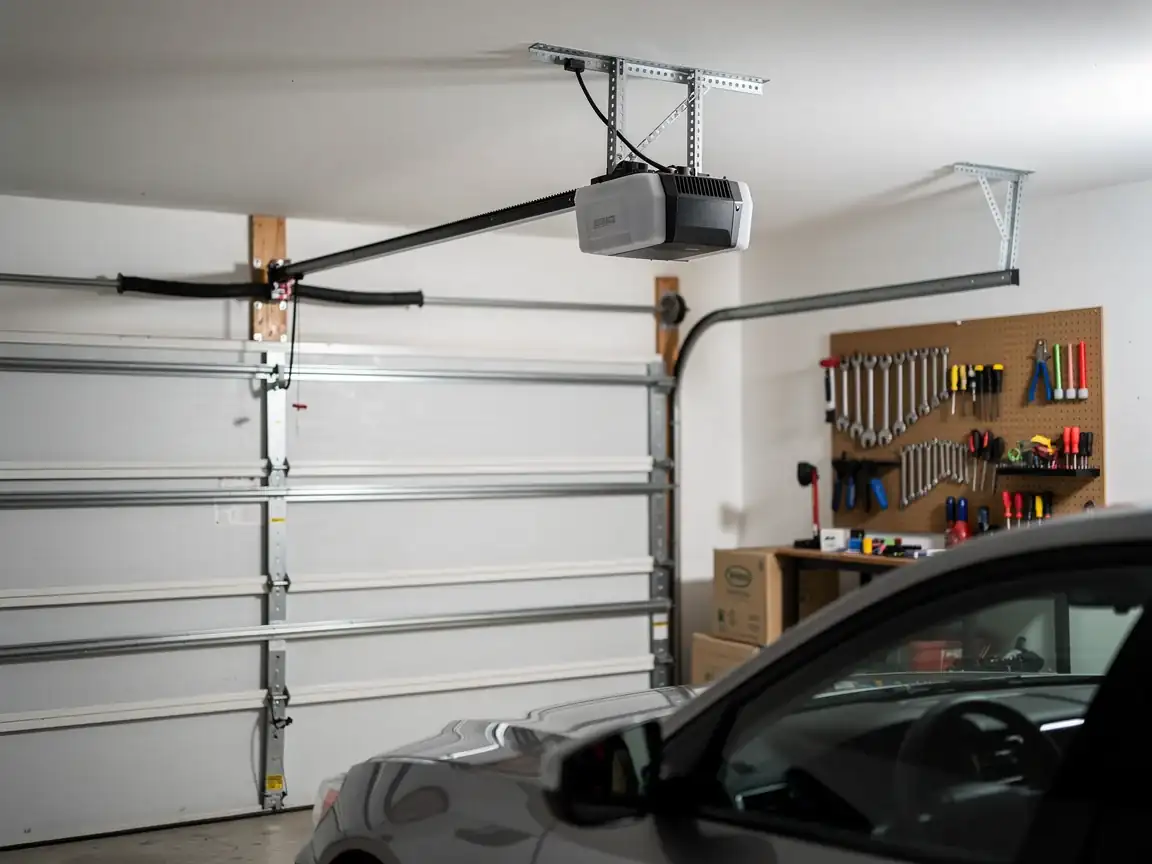
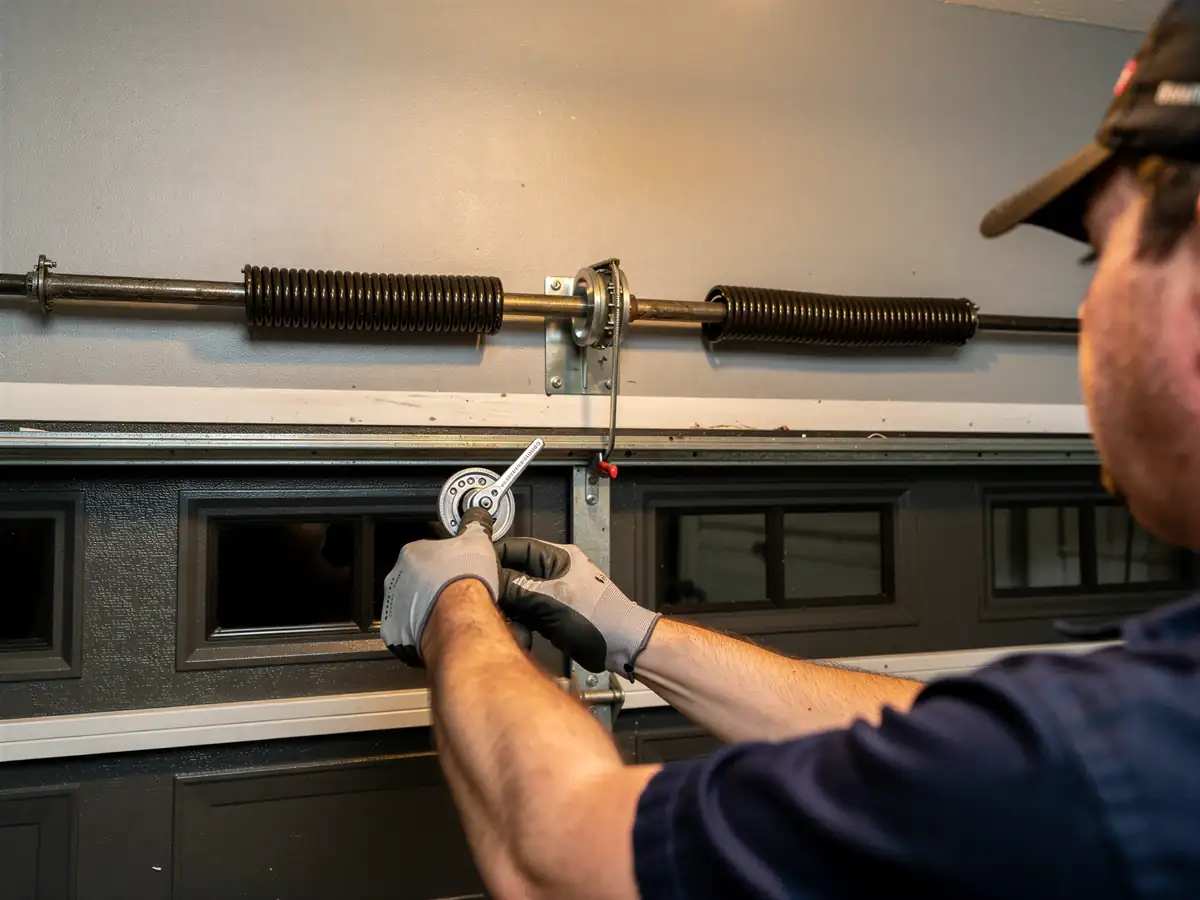
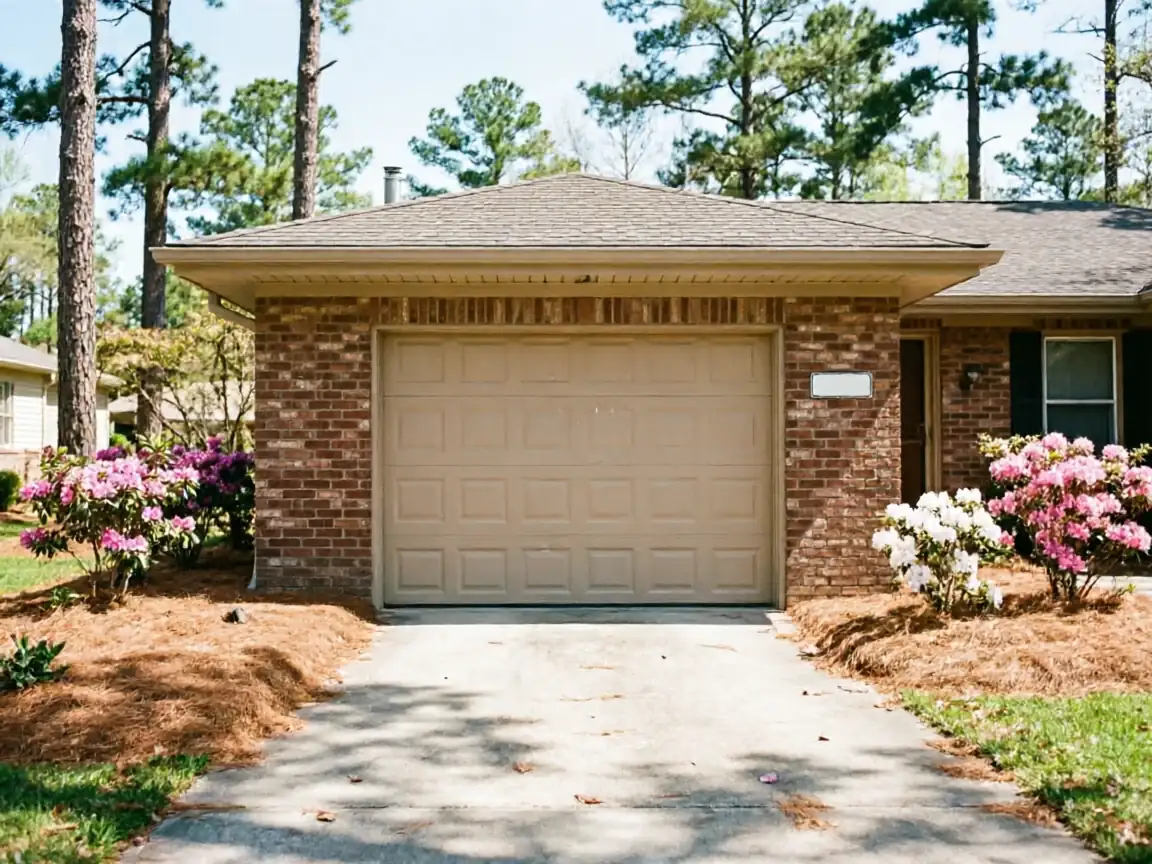
Most houses in East Highland Park went up around 1977, which puts the original garage door hardware squarely in the era of single-torsion-spring setups on steel doors with minimal insulation. A spring replacement on that kind of door is a simpler job than on a newer double-spring system, and it usually prices lower because there's one spring to size and swap instead of two. Where it gets more expensive is when the opener has also failed - a lot of these houses had their first opener added or replaced sometime in the 80s or 90s, and by now the gears or circuit board are worn past the point of a quick fix. We quote the spring and the opener separately once we've looked at both, because bundling them into one number before we've seen the door tells you nothing useful. We travel to East Highland Park from our Midlothian shop, about 16 miles out, and that trip is built into the quote before anyone touches a wrench, not added after.
Where This Job Goes Sideways
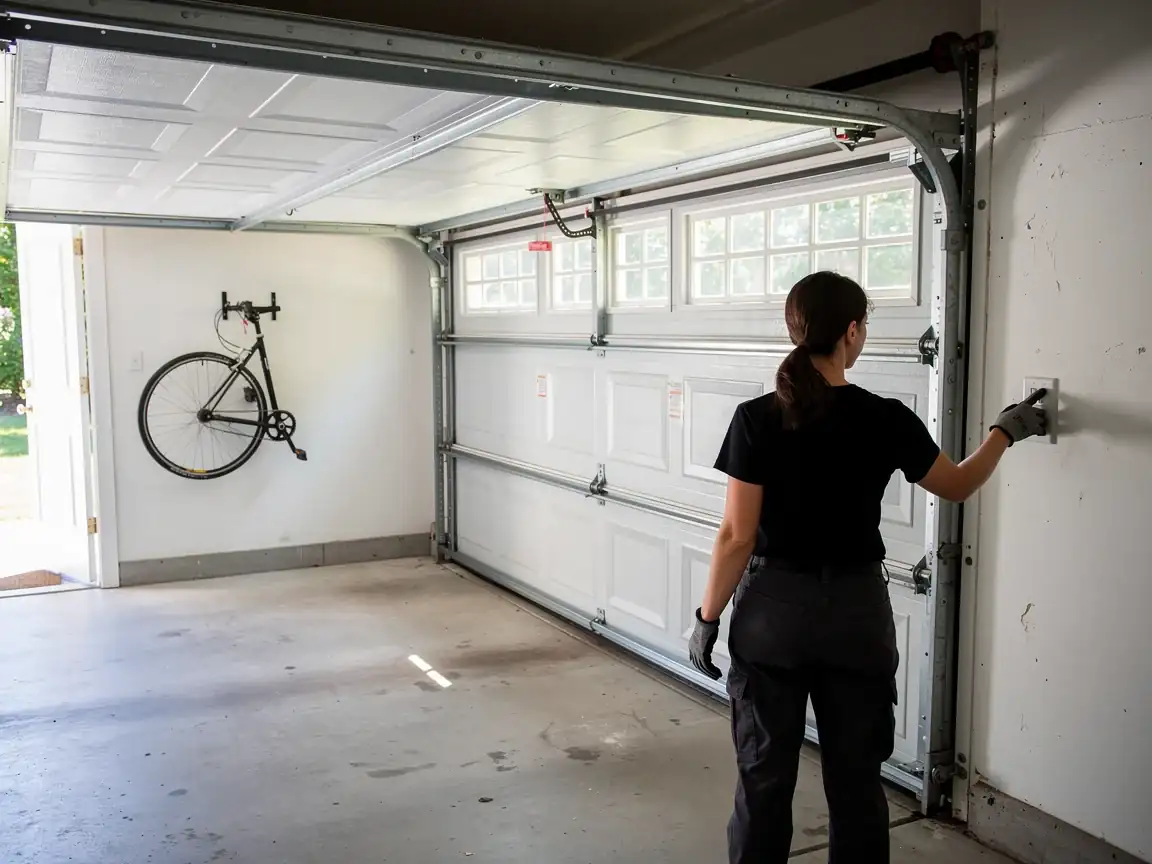
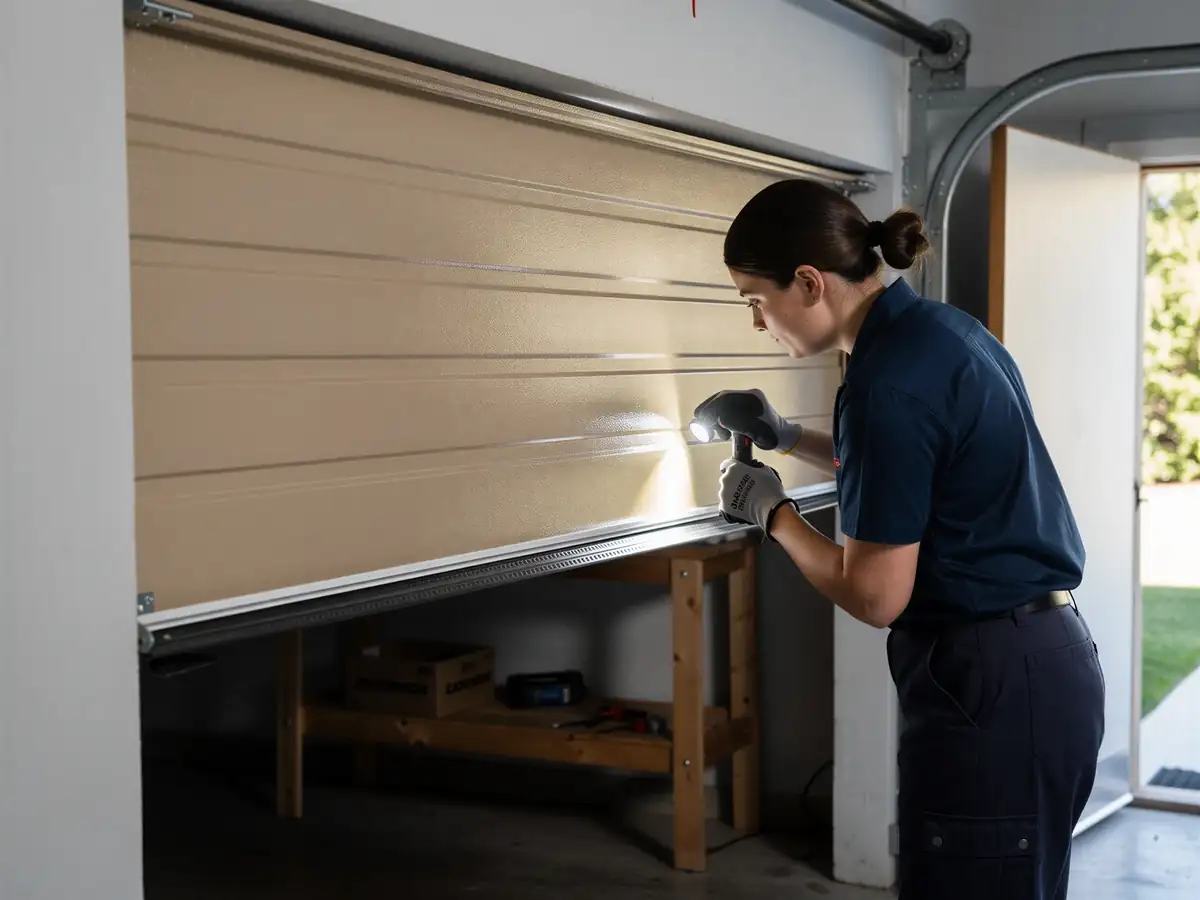
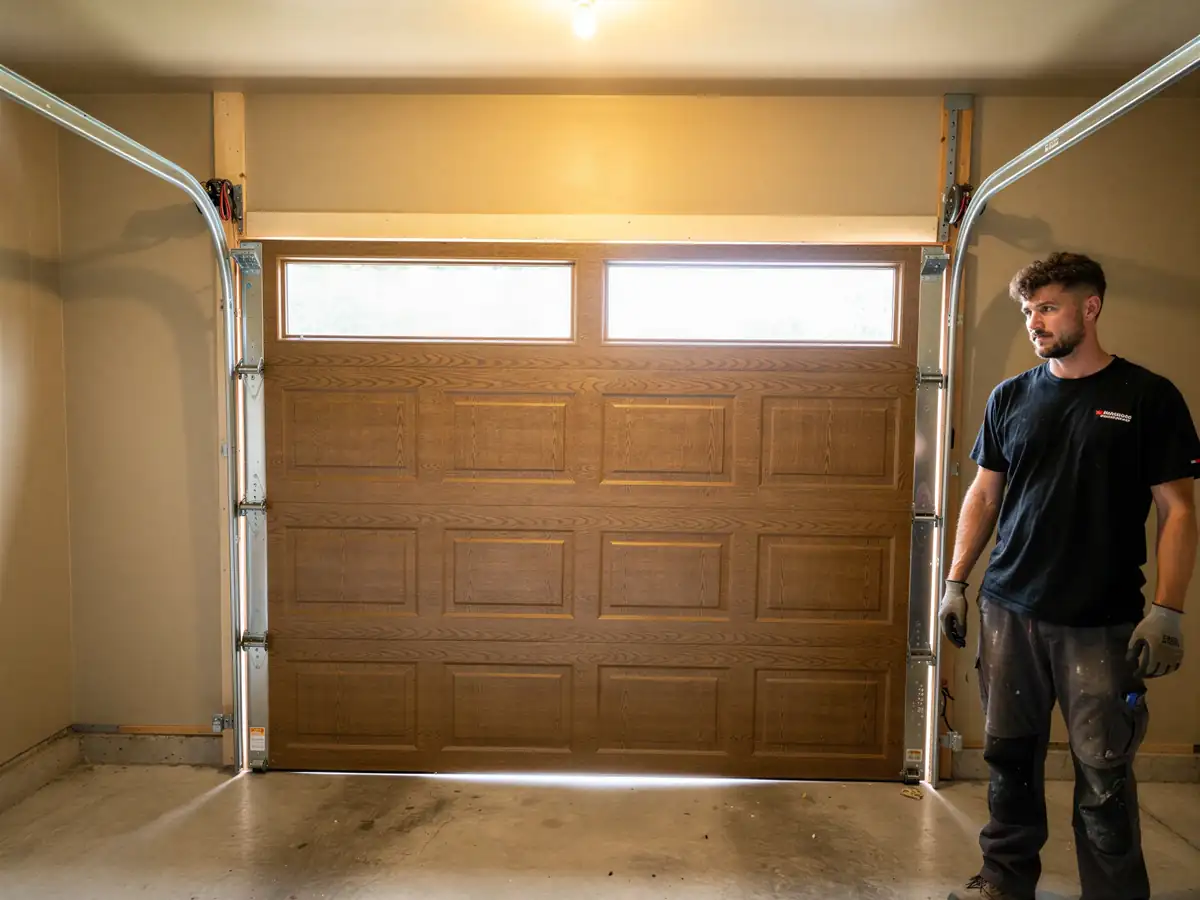
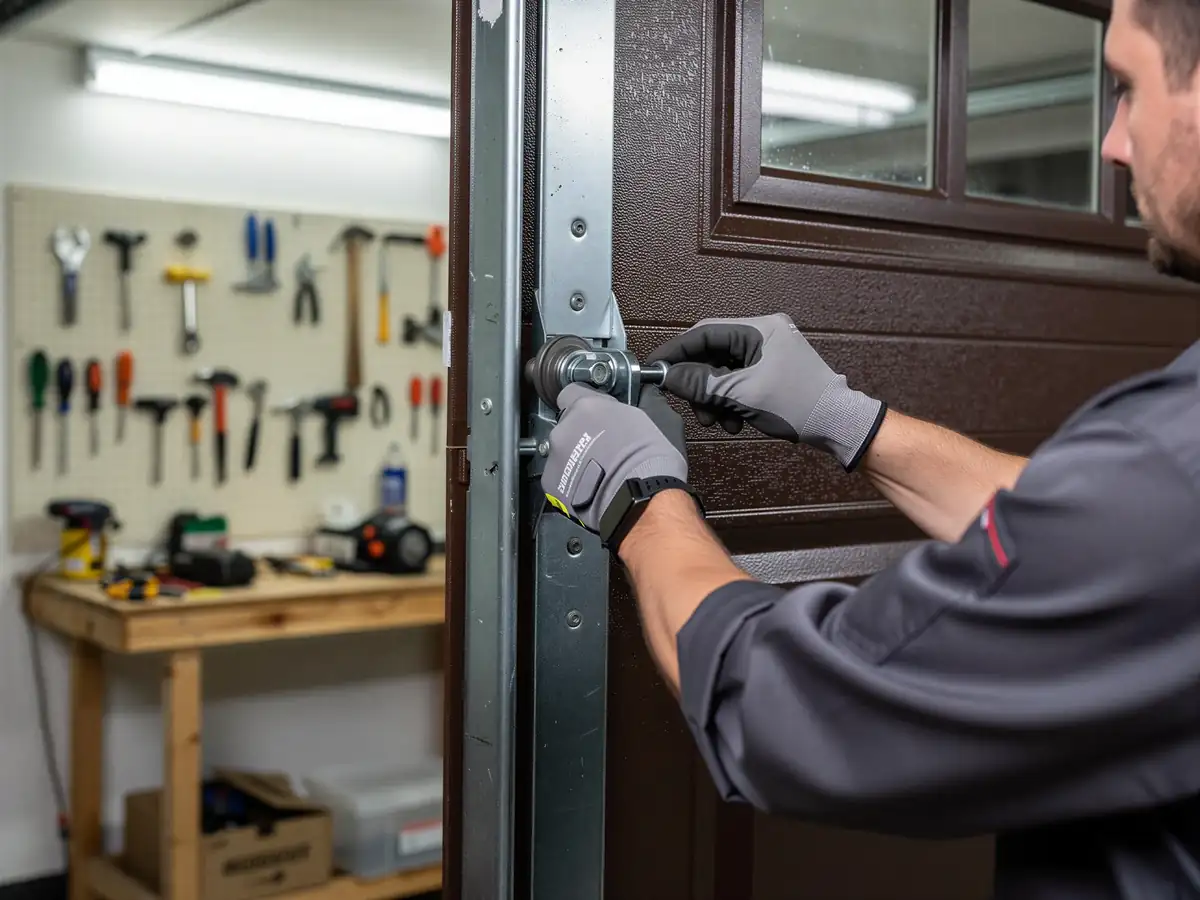
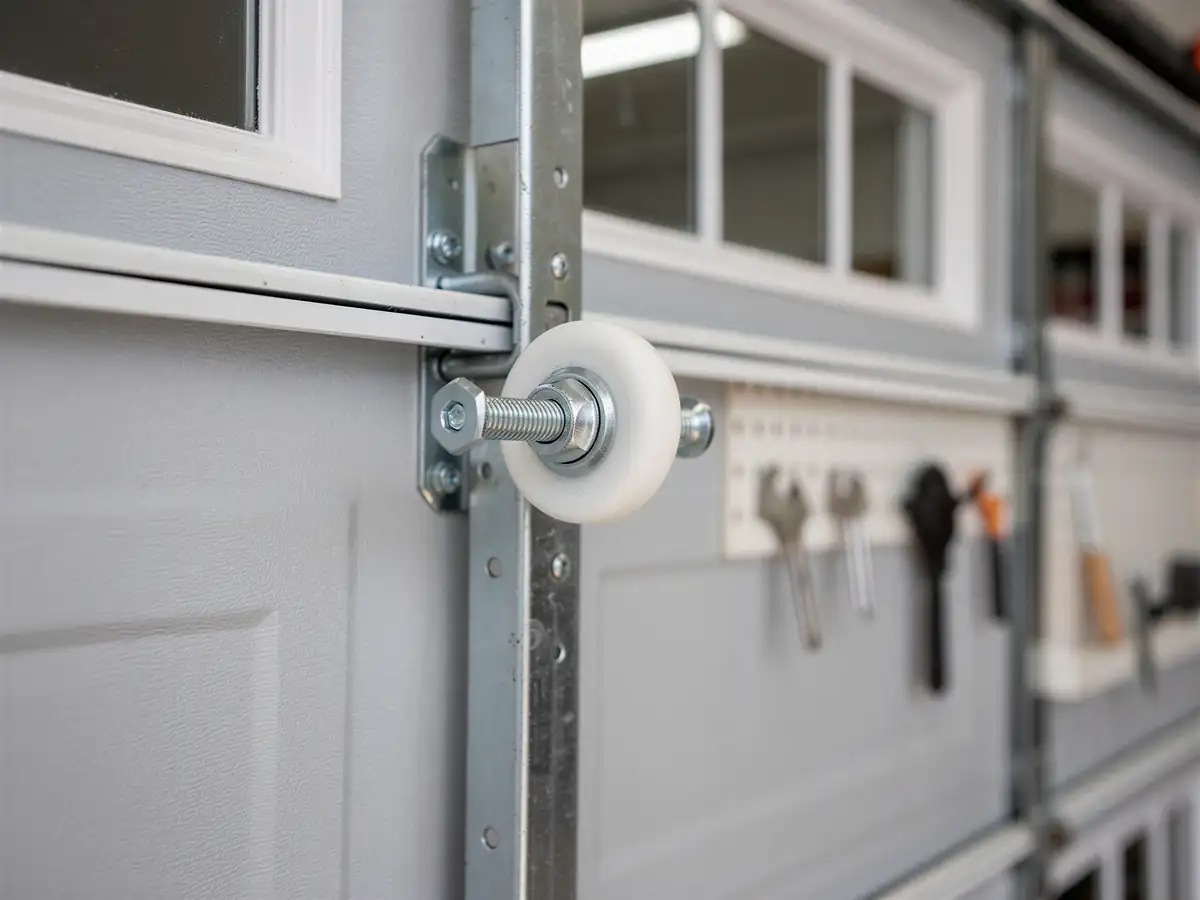
The thing that catches people off guard on a 1970s door is the track alignment. These doors were hung on wood jambs that have usually shifted a little over close to fifty years, so a track that looks straight can still be a quarter-inch off at the top bracket. Tighten the spring or swap the opener without checking that, and the door binds again within a month. We've also seen rollers on these older doors that were never upgraded from the original steel - they're loud, and some owners want them swapped out even when they're not the reason for the call. That's a fair add-on, but it's not required to fix a broken spring or a dead opener, and we'll say so rather than bundle it in. The honest limit here: if the door itself has warped or rusted through at the bottom panel, which happens on doors this old, patching the hardware around it is a short-term fix. At that point replacement is the better dollar.
What Causes It Around Here
A door built around 1977 and still running on original hardware has usually had three or four decades of cold-season cycling, and this area sits in a moderate cold climate band - not the deep-freeze conditions that crack metal outright, but enough seasonal temperature swing to stiffen grease, shrink steel slightly, and work harden a spring that's been coiling and uncoiling since the Carter administration. That's the single biggest driver of calls here: springs that were never a defect, just aged out. Add in original rollers that were steel rather than nylon, and you get the grinding noise a lot of owners describe before the door fails outright. None of this is unique to one house - it's the predictable result of a neighborhood that was mostly built out in a single stretch and has aged as a unit.