What You Pay
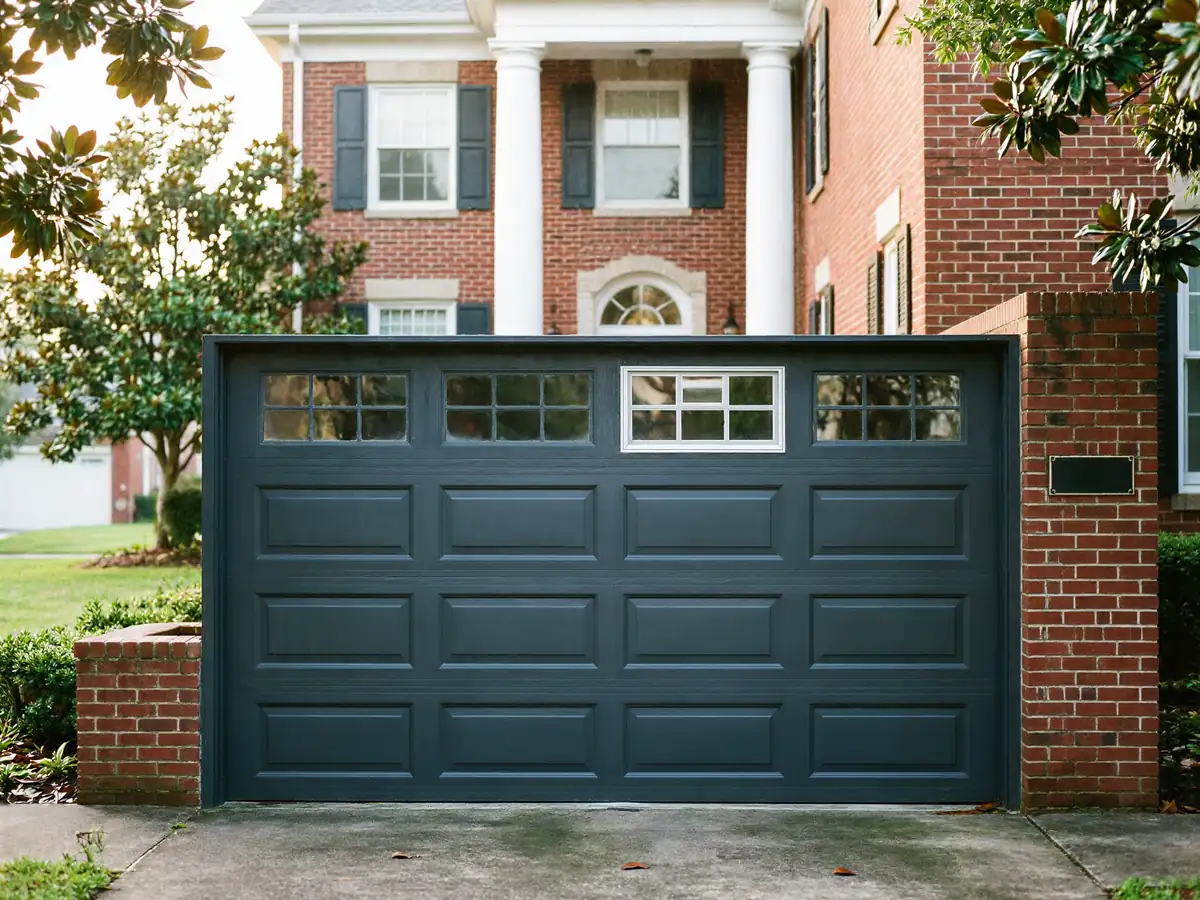
We don't have a flat rate to quote you here, and we're not going to make one up. What drives the number on a panel job in East Highland Park is almost always the door itself. Houses in this part of the service area went up mostly around 1977, which means a lot of steel sectional doors that predate the panel styles and hole patterns sold today. If your door still has an exact match available, swapping one bad panel is a smaller job than replacing all of them. If it doesn't, which is common on doors this old, you're sometimes looking at replacing an adjacent panel too just to keep the color and ribbing consistent, or at that point weighing a full door against chasing parts for one that's past matching. We'll tell you straight which situation you're in once we've seen the door, not before. One honest limit: if the manufacturer stopped making your exact panel profile, we're not going to pretend we can source it on the spot - sometimes the lead time on a special-order panel runs longer than most people expect, and we'd rather say that up front than have you wait on a truck that isn't coming this week.
Where This Job Goes Sideways
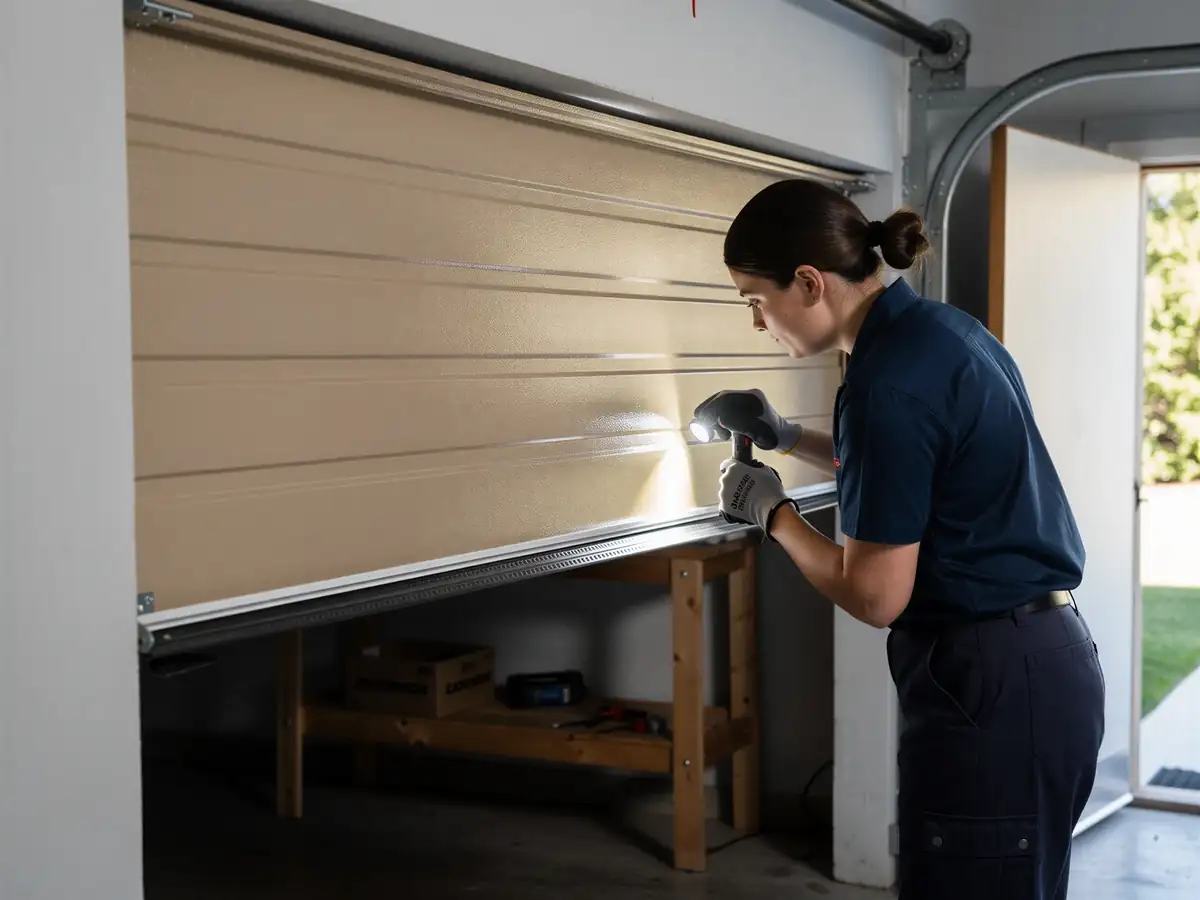
The single biggest problem on a panel-only repair here is mismatch. A door built in the late 1970s often used a steel gauge and panel height that current manufacturers don't stock anymore, so a 'new' panel ordered without checking the exact model can show up the wrong width or the wrong rib spacing. Install it anyway and the door binds on the track or won't seal at the bottom. Second issue: single-panel swaps on doors this old sometimes reveal that the track itself has shifted or rusted at the roller channel, which isn't a panel problem at all but gets blamed on one. We check the track and rollers before we touch a panel, because replacing a panel on a door with a bent track just moves the complaint, not the cause. Rust at the bottom panel seam is common on doors from this era too, especially where the weather seal failed years ago and nobody noticed until the steel started going soft.
What Causes It Around Here
This area sits in a cold-moderate climate band, which means real freeze-thaw cycling through the winter months, not just a few cold snaps. That matters for steel panels specifically: water gets into a seam or a ding in the coating, freezes, expands the gap, and the next thaw lets more water in. Repeat that enough winters on a door built in the late 1970s and you get soft spots and rust-through at the bottom panel well before the rest of the door is ready to quit. The other common cause is simple impact - a backed-into panel, a basketball hoop mishap, a trailer hitch - which dents steel in a way that doesn't pop back out and usually isn't worth trying to hammer flat on a door this old. Between the two, bottom-panel rust and impact dents account for most of the panel calls we get from this part of the service area.