What You Pay
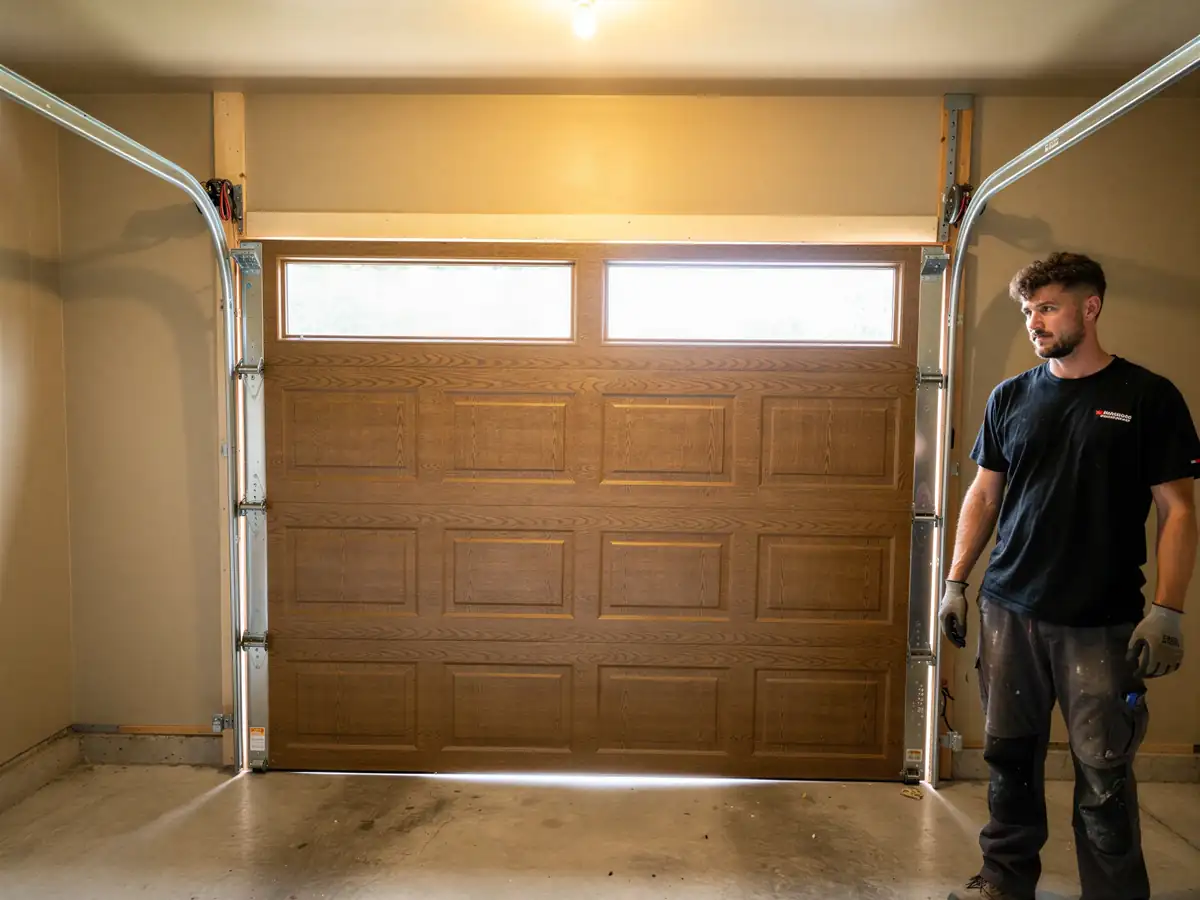
Median household income in East Highland Park sits at $69,750, which is right in line with the wider service area's $69,917 median. That number matters here because it sets where the repair-or-replace line usually falls: most off-track calls on houses from this era are a track and roller job, not a full door swap, and that keeps the bill on the repair side of the ledger rather than the replacement side. We don't have a flat rate to quote you without seeing the door - a cable that jumped the drum is a different job than a track bent from a bumped car - so we're not going to put a number here that doesn't hold up once we're standing in your driveway. What we can tell you is that a door that's merely off its track, with the track itself still straight, almost never justifies replacement. Where that calculus changes is when the track is bent badly enough that it's pulling the jamb hardware with it, or when the door panel itself took the hit. At that point you're paying for a new door anyway, and patching the track is money spent twice.
Where This Job Goes Sideways
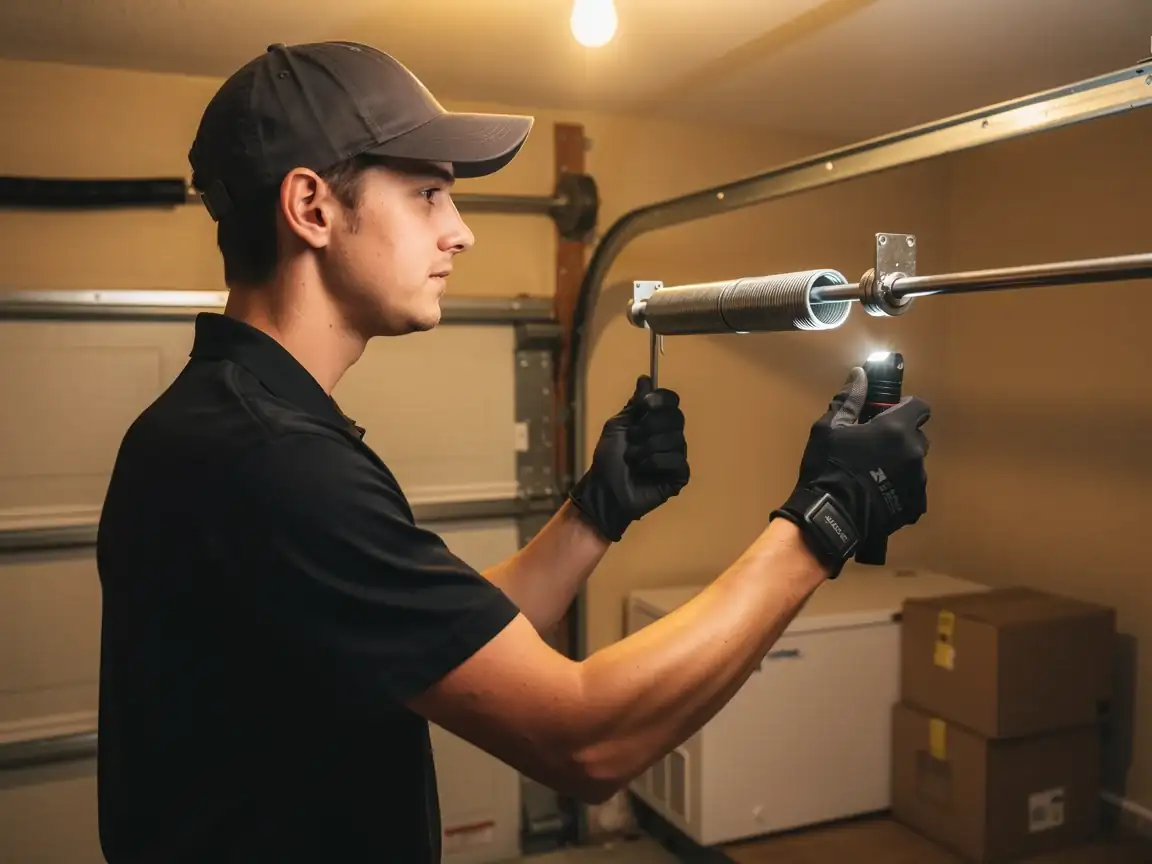
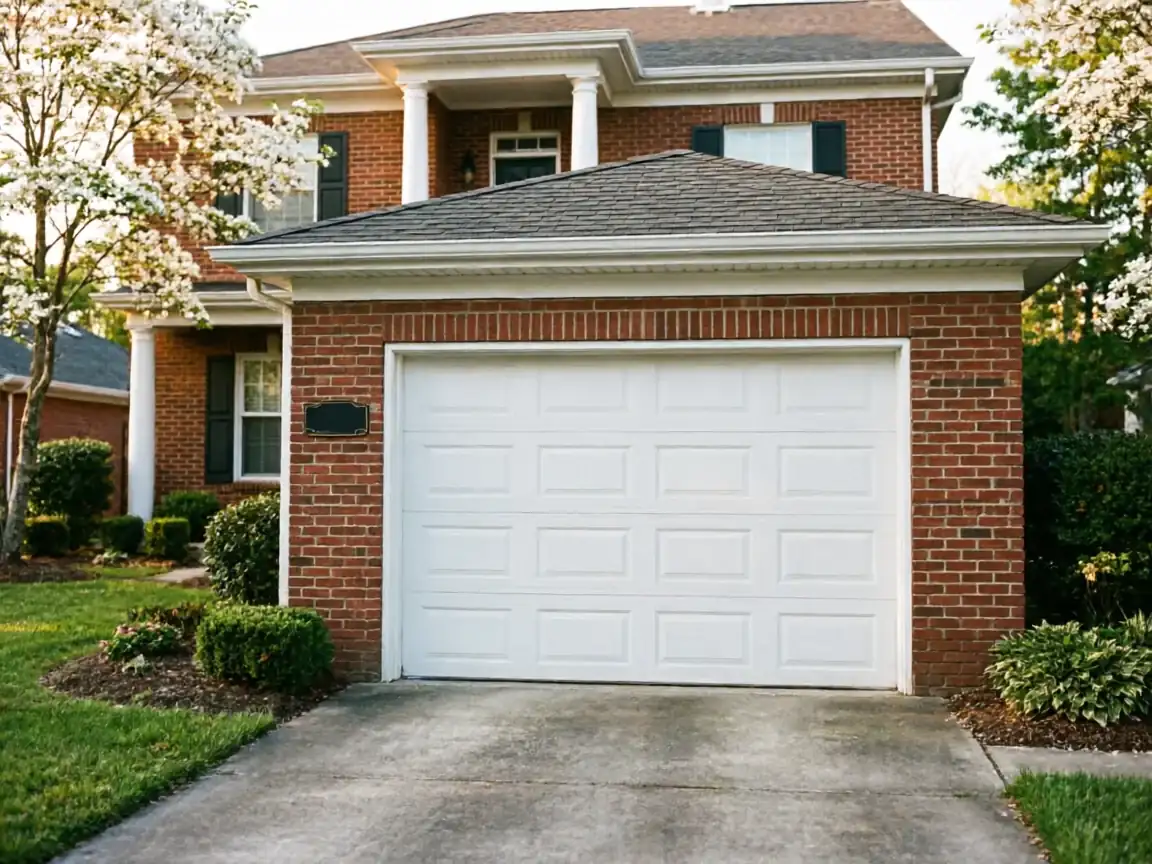
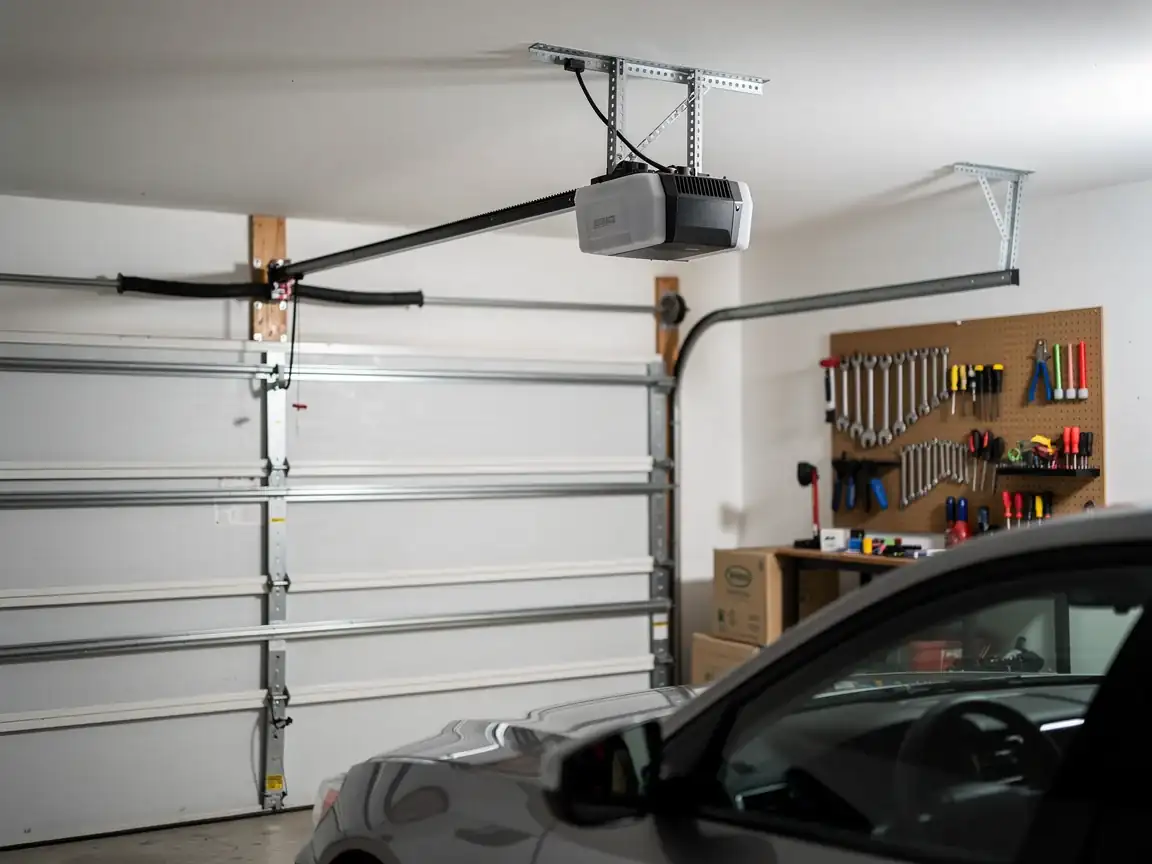
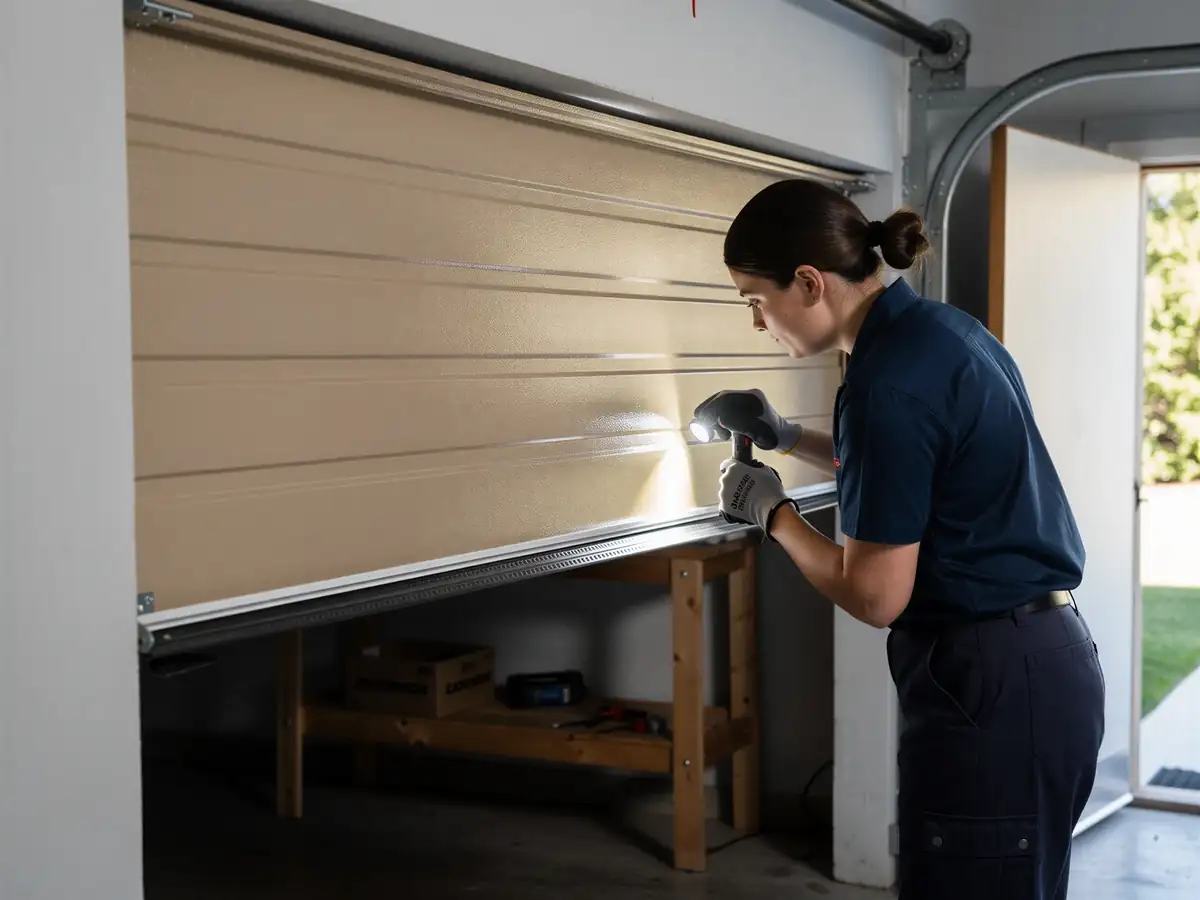
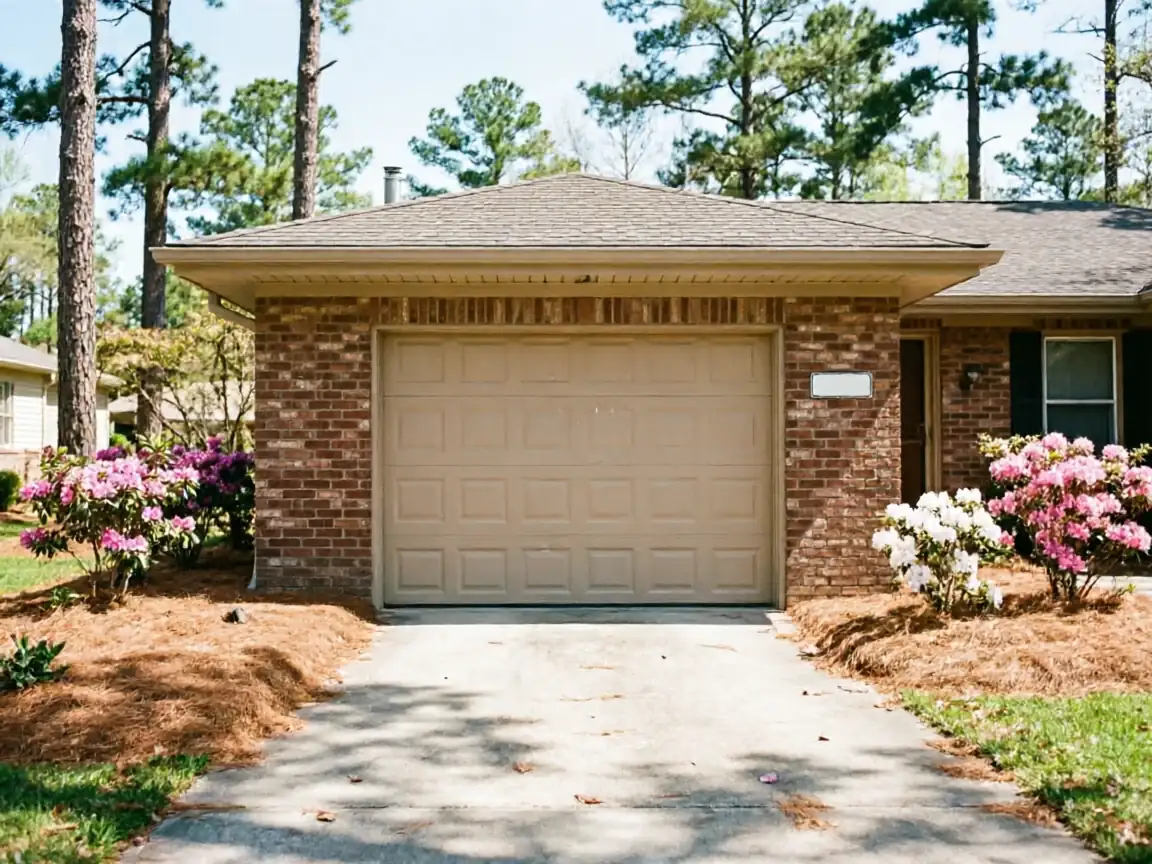
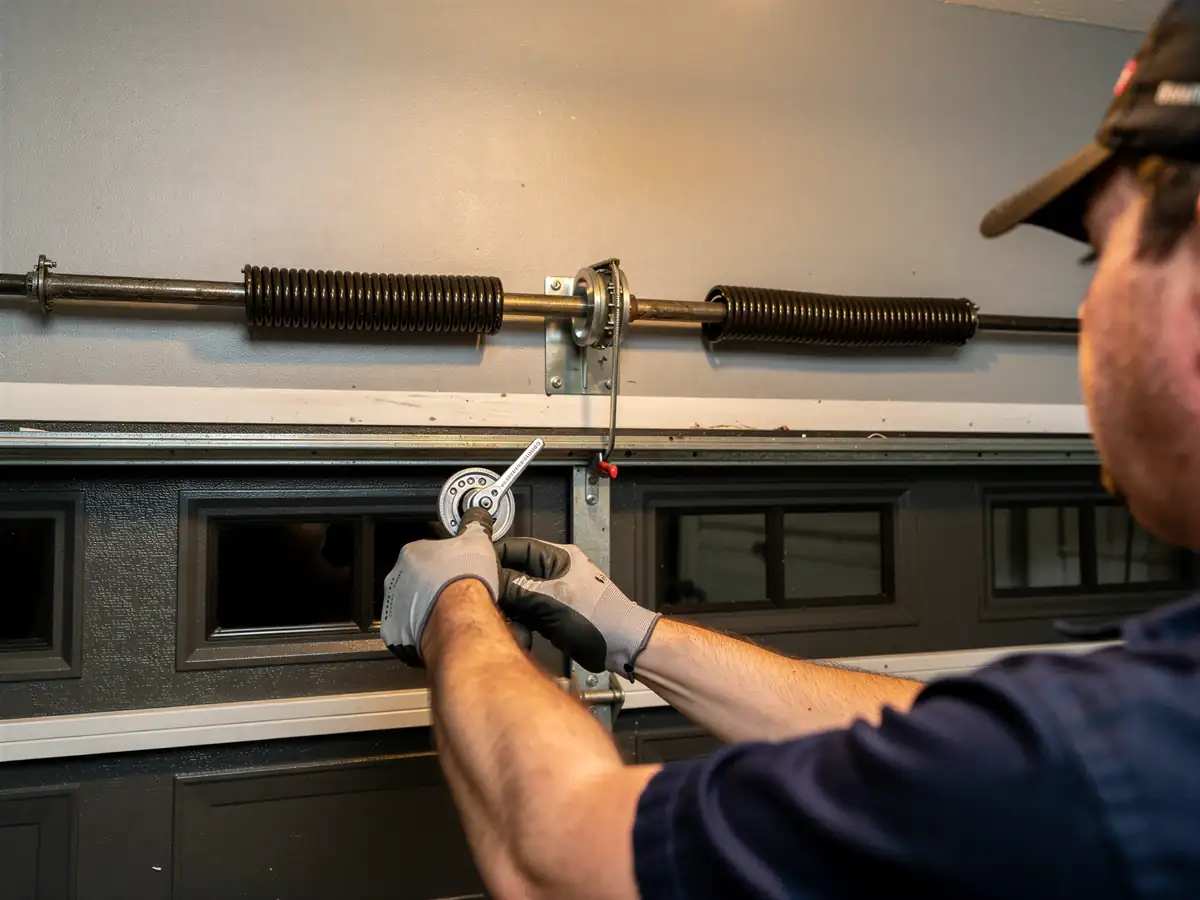
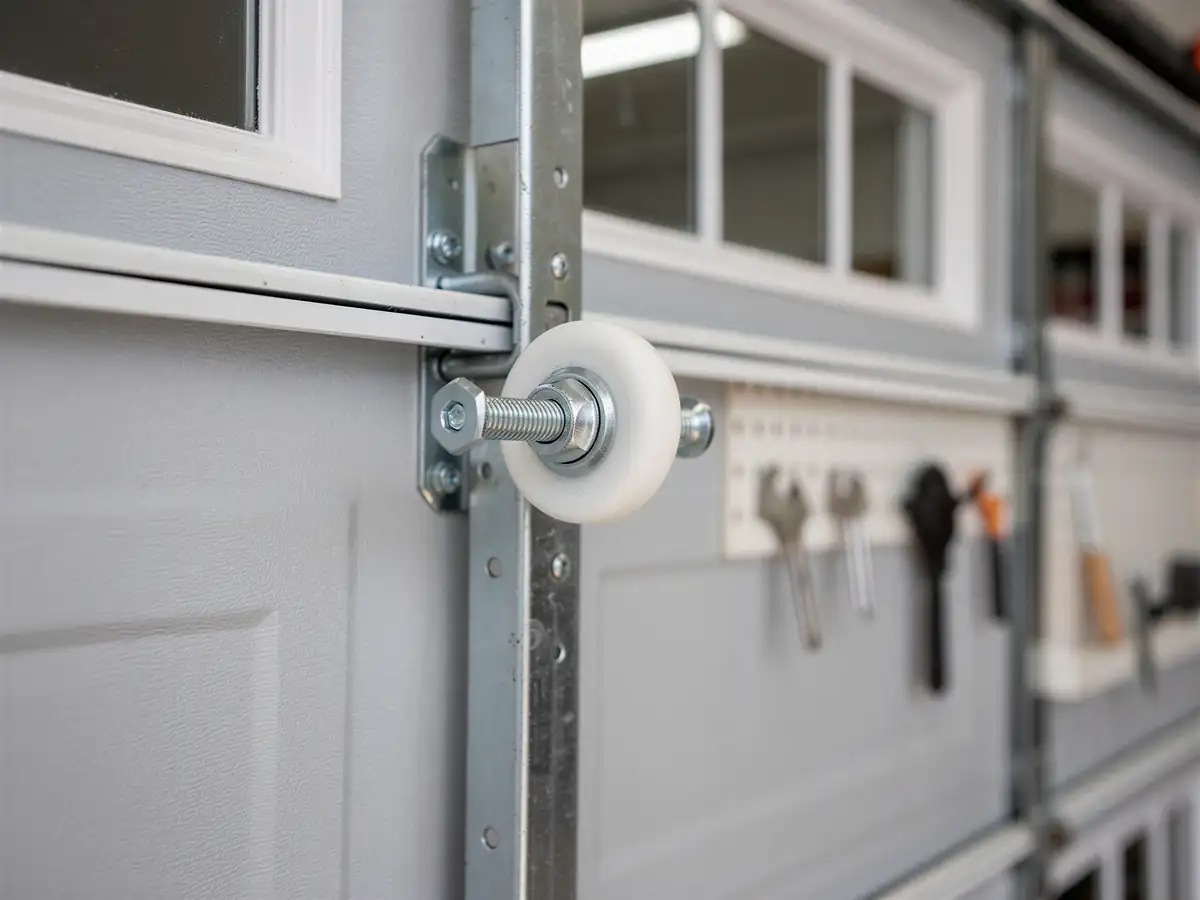
Houses in this part of the service area were mostly built around 1977, per the broader 1954-2005 range for the area, and that era of construction means steel tracks mounted with bent-strap brackets rather than the heavier sectional brackets used on newer builds. Those brackets loosen over decades, and a loose bracket is the single most common reason a door jumps track here - not a dramatic impact, just years of vibration working a lag screw free. Once a roller pops out at a loose bracket, the door can bind at an angle instead of coming cleanly off, which tempts people to force it back by hand. That's where the job goes sideways: forcing a bound door against a torsion spring under tension is how a track gets bent for real, turning a twenty-minute roller fix into a track replacement. The other way this goes bad is a cable that's jumped its drum rather than a track problem at all - the door looks off-track but the actual fault is at the spring assembly, and that's not a DIY fix on any door, any year.
What Causes It Around Here
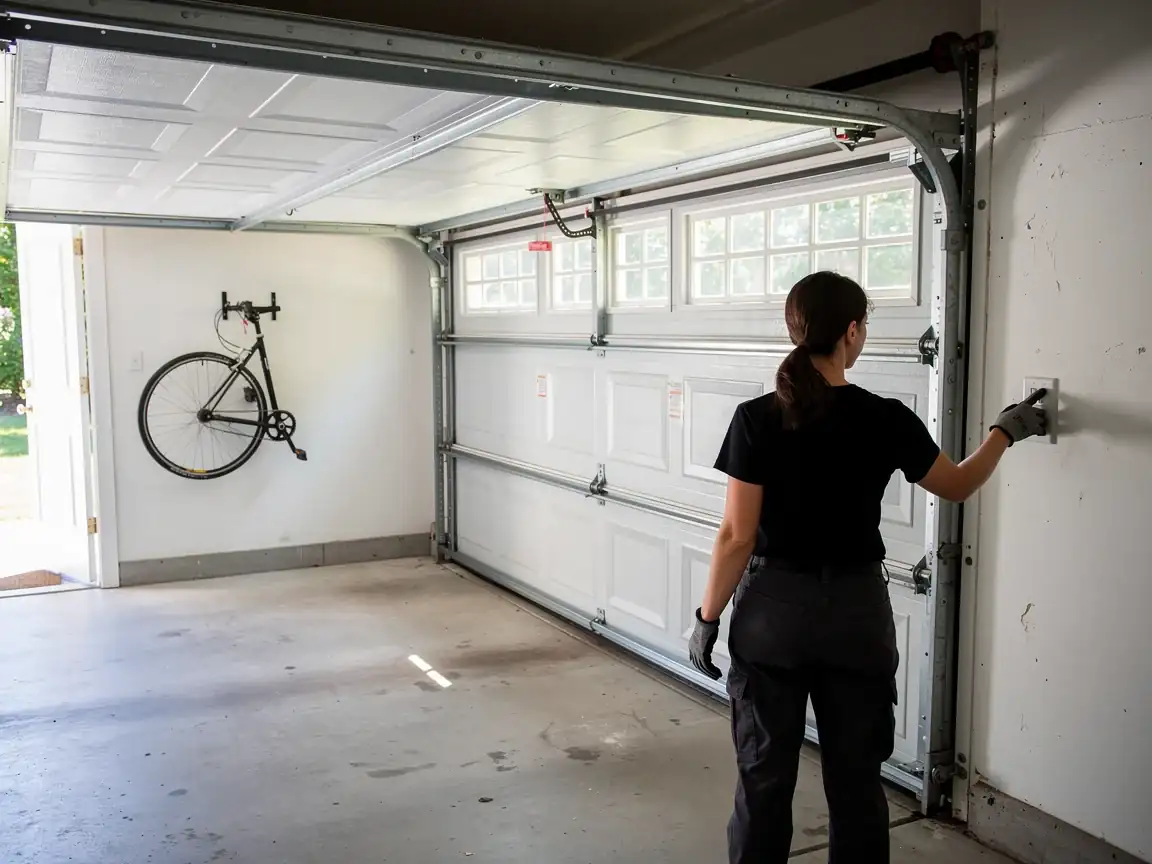
The climate here falls in the cold-moderate band, which means freeze-thaw cycles through the winter rather than deep sustained cold. That matters for off-track doors because a track with a little play in it will bind worse on a cold morning, when the steel has contracted slightly and lubricant has stiffened - a door that rolled fine in October can catch and jump a roller in January on the same loose bracket. Combine that with a housing stock centered on 1977 and you get a lot of original track hardware that's now outlived its design life by decades, on brackets that were adequate for the loads of that era but were never meant to last fifty winters. We also see doors pushed off track by debris - a stray bike, a stacked box - that a tighter-clearance modern door wouldn't tolerate either, but it's more common on older single-car openings where storage crowds the track run. None of that is unique to one house; it's a pattern across the 18 named areas this service region covers, and East Highland Park sits squarely in it.