What You Pay
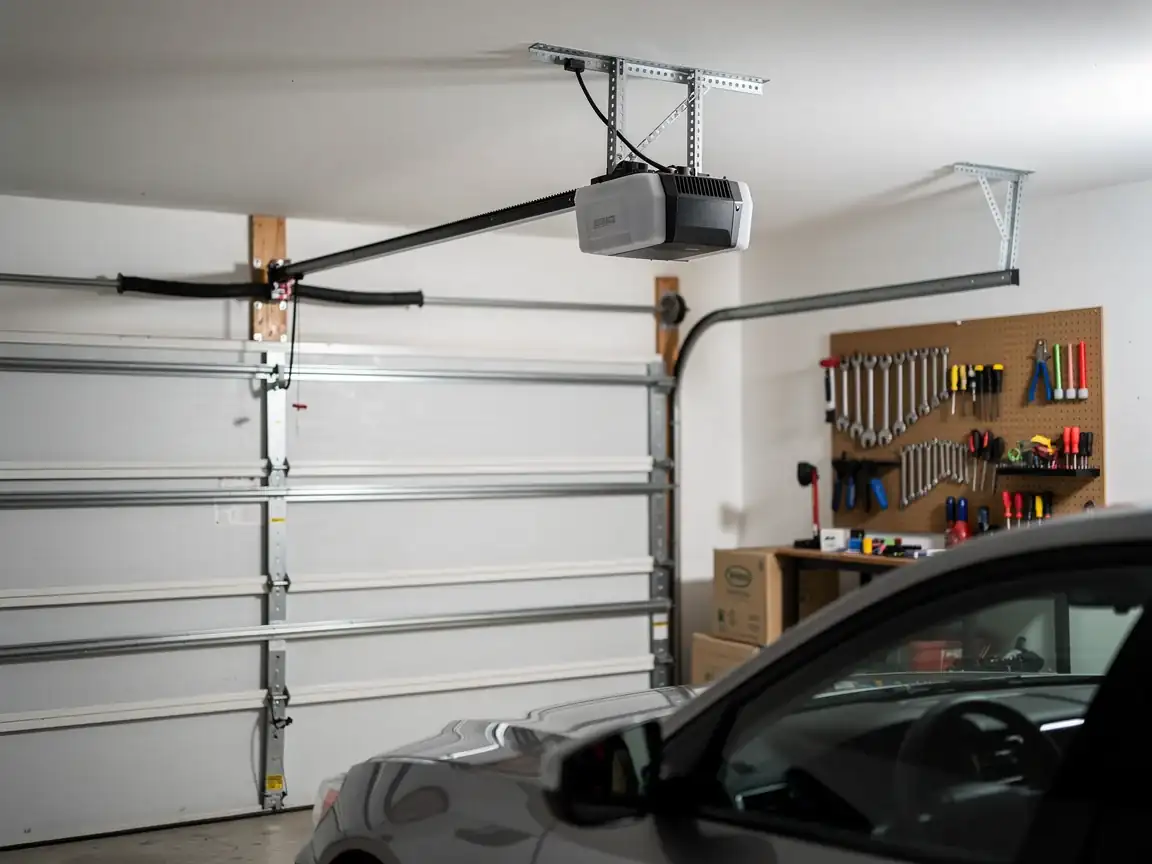
East Highland Park's housing stock centers on 1977, which puts most garages here right in the middle of the torsion-spring era - not the older extension-spring doors you'll find in some older neighborhoods, and not the newer dual-spring setups either. That matters for pricing because a single torsion spring job is a different quote than a double-spring job, and a lot of these houses were built with just one spring sized for a lighter door than what's on the track now if a prior owner swapped in a heavier insulated panel.
We don't have a published price list for this specific suburb, and we're not going to invent one. What we can tell you is that the job scope depends on whether it's one spring or two, whether the drums and cables are original, and whether 45-plus years of cold-climate temperature swings have already stressed the end bearing plates. If you're calling about a broken spring, expect us to ask the age of the door, not just the house, because some of these garages had the original door replaced once already.
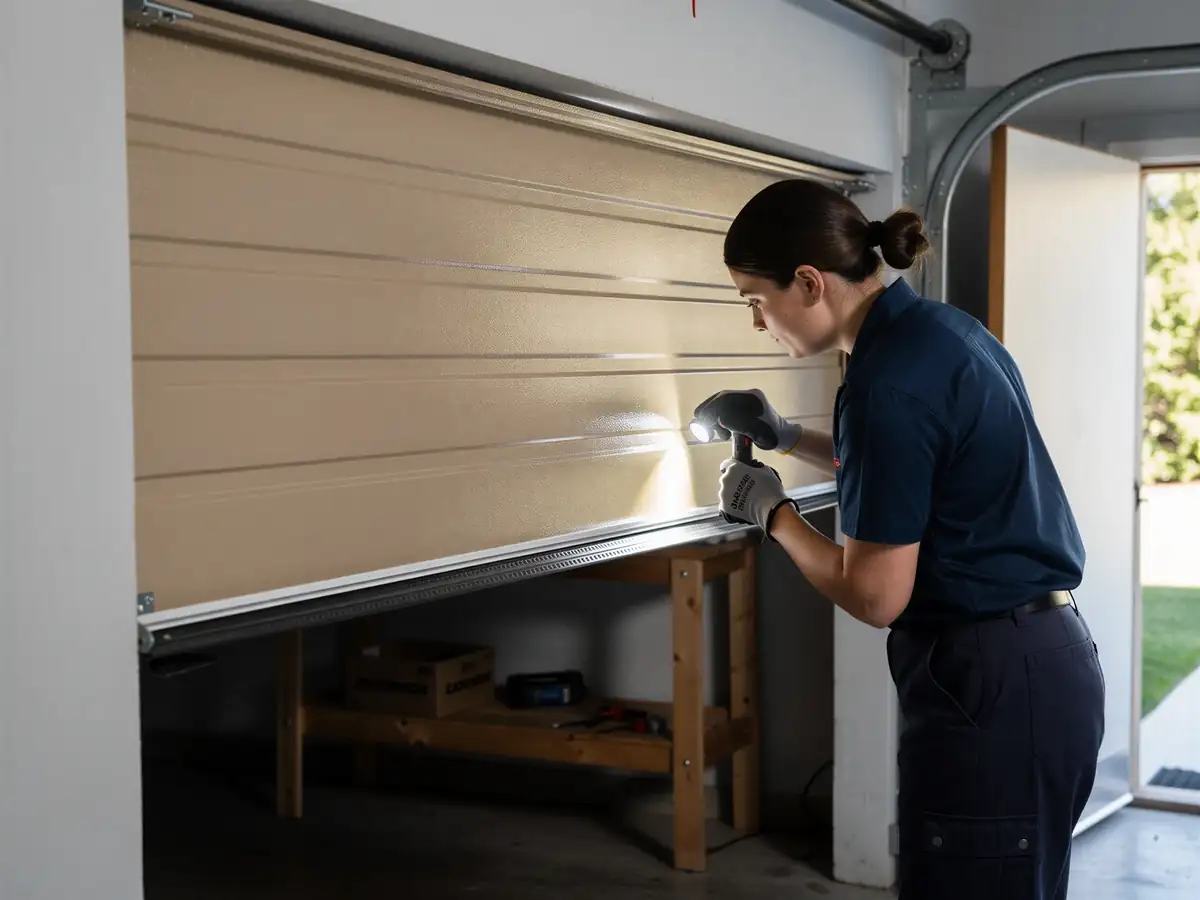
We travel from Midlothian, about 16 miles out, so any quote we give over the phone is a starting point, not a locked number, until someone's eyes are on the actual torsion bar.
Where This Job Goes Sideways
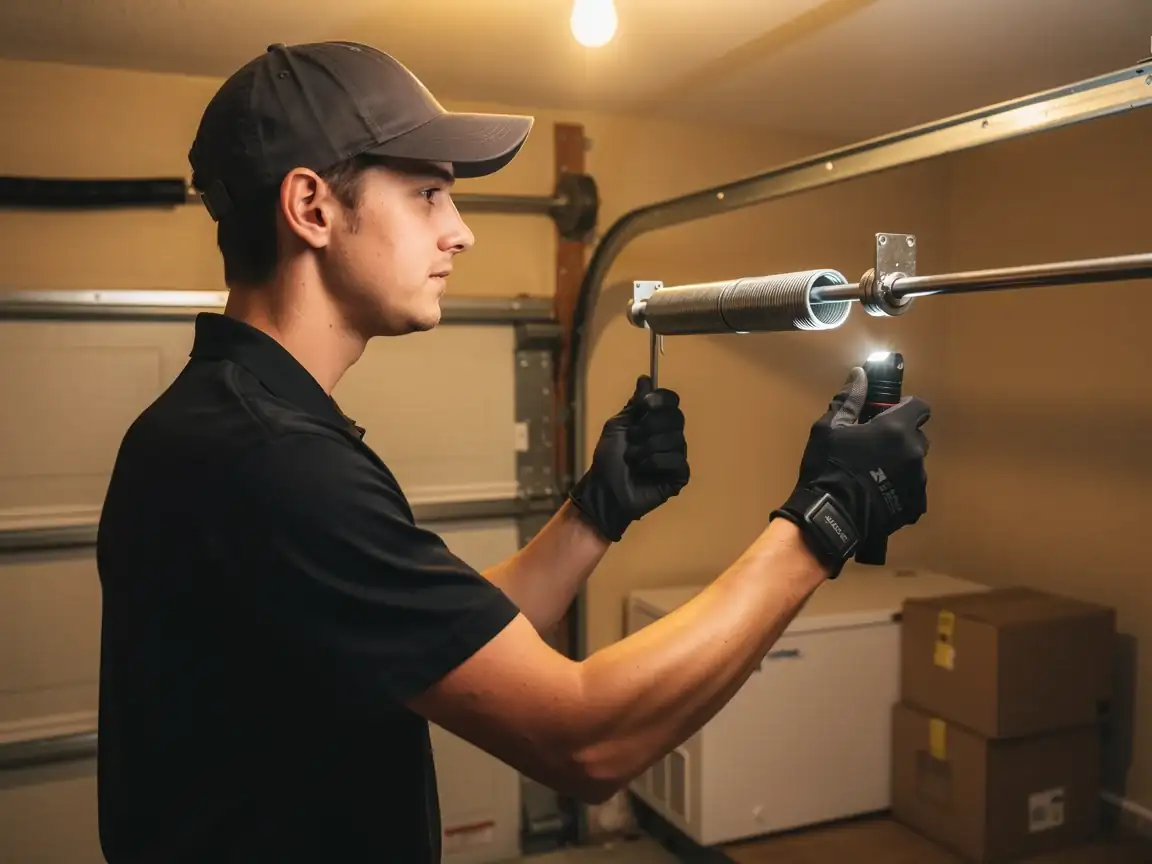
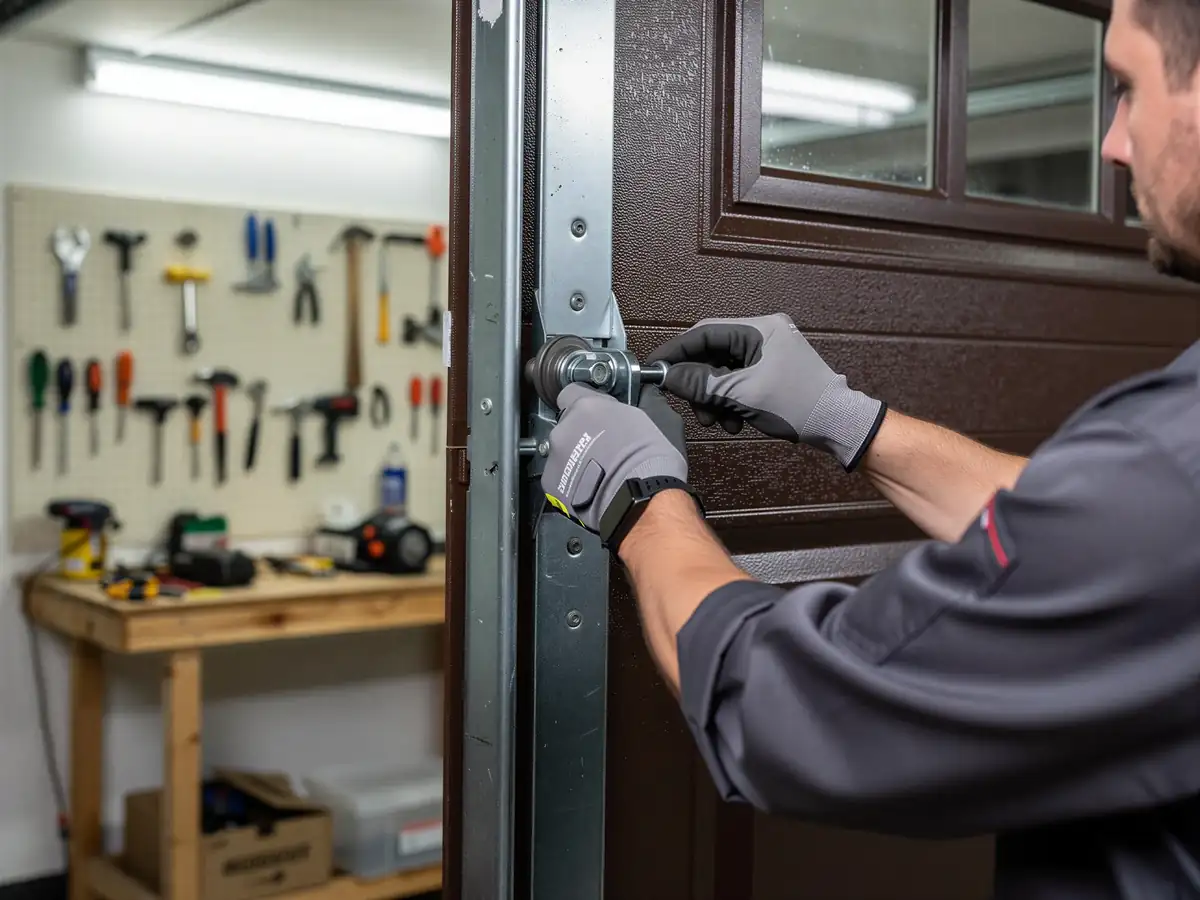
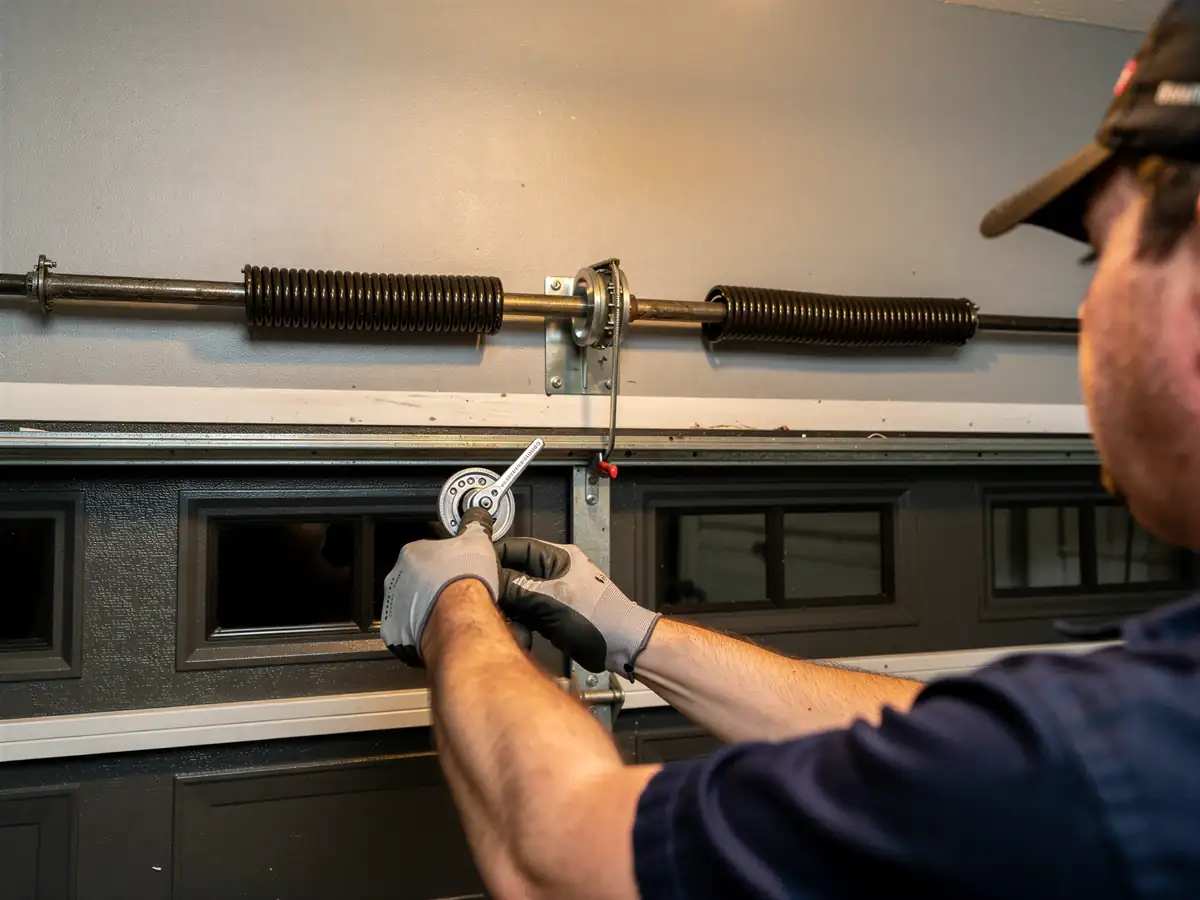
The failure mode we see most in houses from the 1977 build window is a spring that's original to the house. Nobody's touched it since the garage went up, which means the galvanized coating is long gone and the winding cone is often rusted to the shaft. That's not a quick swap - it's a job where you have to fight the hardware before you even get to replacing the spring itself.
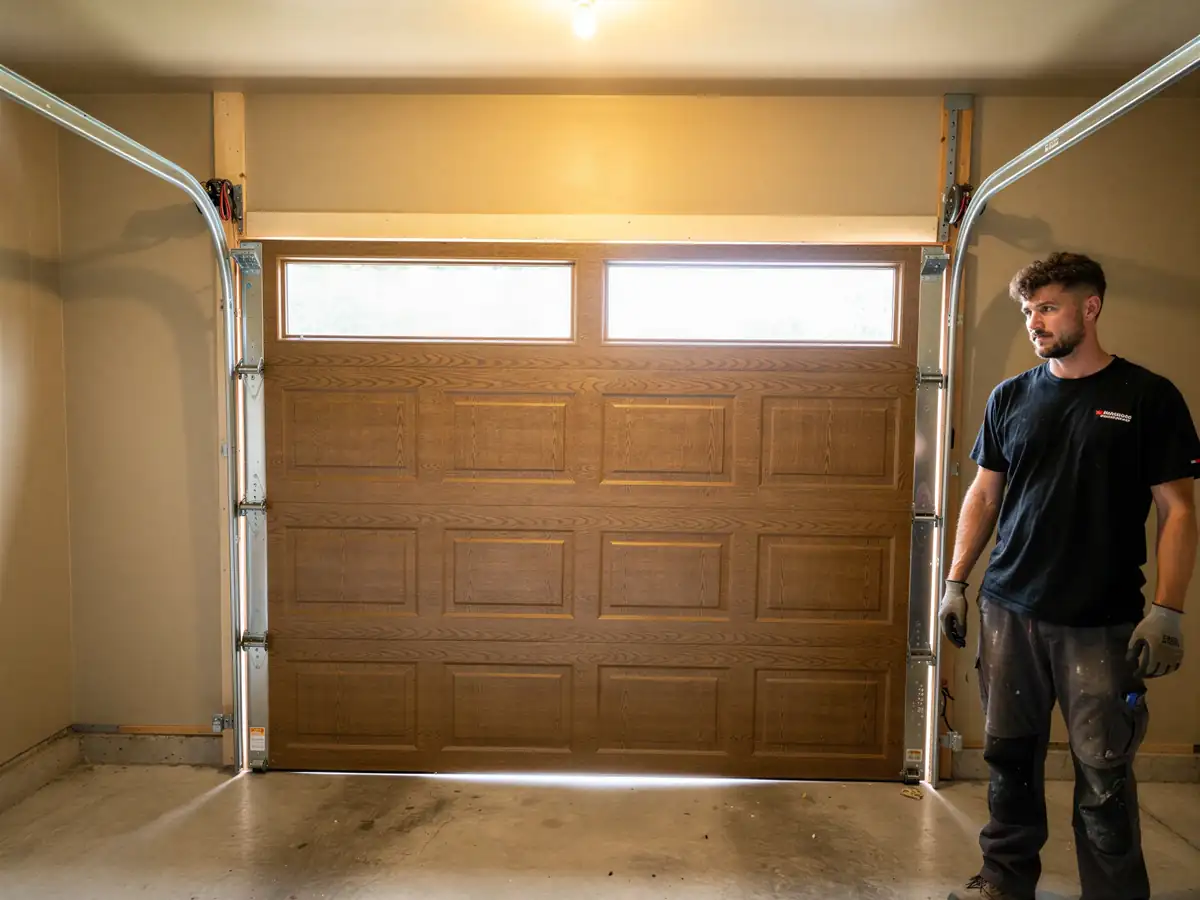
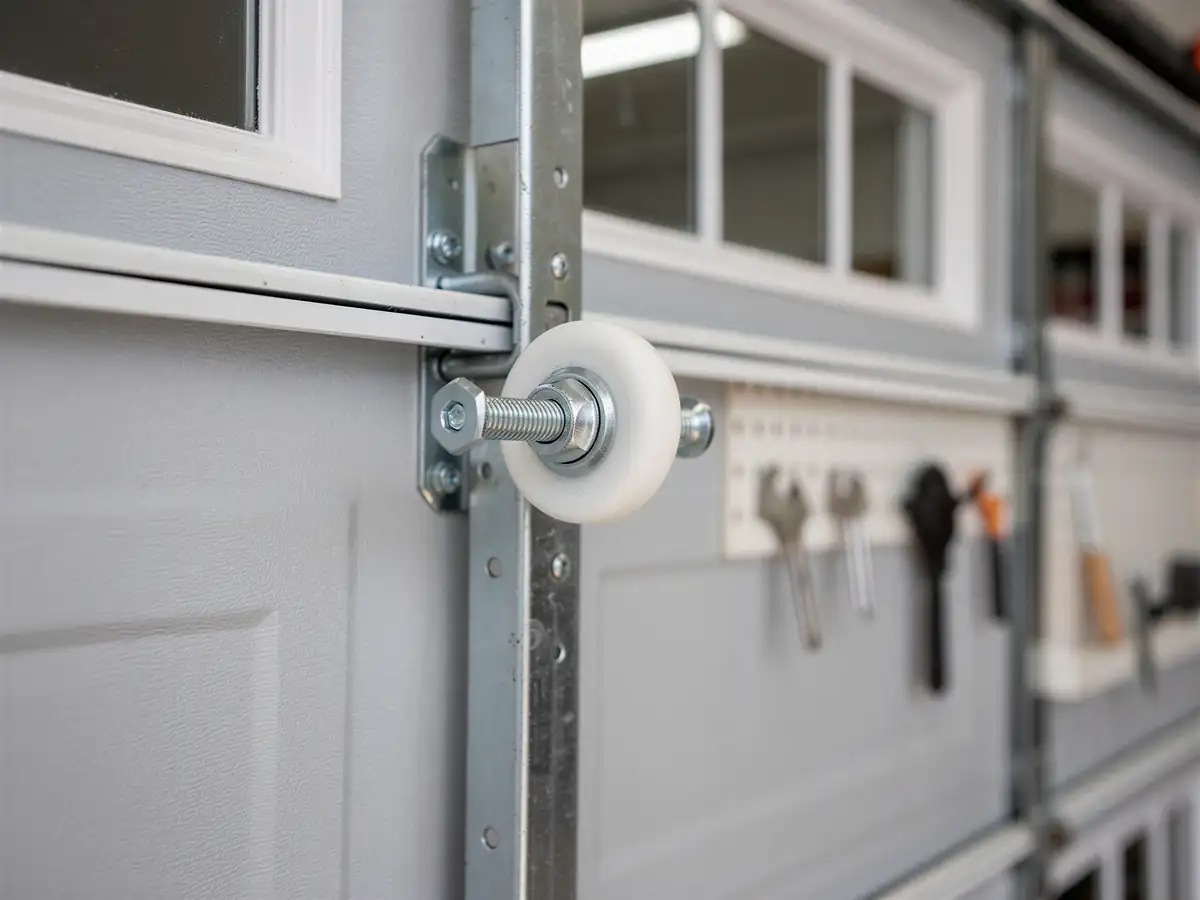
The other complication is drums and end bearings that were never designed for today's heavier insulated doors. If a homeowner upgraded the door panel at some point but kept the original torsion spring and drums, the spring is undersized and wears out faster than it should - sometimes within a few years instead of the decade-plus you'd expect.
We'll be straight with you: if the shaft is bent or the bearing plate is cracked, a spring-only repair isn't worth doing. At that point you're looking at a hardware rebuild, and we'll tell you that up front rather than sell you a spring that'll strip the drum in six months.
Getting It Booked In
Midlothian Garage Door Pros covers East Highland Park as part of the wider service area
Running the roughly 16-mile drive out for scheduled jobs. We don't keep a branch or crew stationed in East Highland Park, so repairs here get worked into the day's route rather than dispatched same-hour - plan for a scheduled visit, not a walk-up truck.
When you call, have the door's approximate age and whether it's a single or double door ready
If you know whether the opener's been replaced since the house was built, that helps too, since a newer opener on original torsion hardware is a mismatch we see often in this part of the service area.
See the East Highland Park area page for how this suburb fits into the broader coverage
Or the Midlothian spring repair page if you're closer to that side of town and want the general service details.
What Causes It Around Here
Cold-moderate winters cycle the steel in a torsion spring through expansion and contraction every season, and in a house built around 1977, that's close to five decades of cycling on hardware that was never upgraded. Steel fatigues. It doesn't fail all at once - it loses a little tension every year until one cold morning it lets go on the lift, usually on the coldest stretch of the season when the metal is least forgiving.
The other driver is simple wear count. A spring is rated for a number of open-close cycles, and a door that's been used daily since the late 1970s has likely burned through more than one spring's rated life already, even if nobody remembers the last time it was replaced.
We can't tell you the exact cycle count on your door - nobody tracks that - but the build year gives us a reasonable guess at how overdue the hardware is.