What You Pay
Roller jobs here are usually priced by what's actually failing, not a flat number, because a door with four cracked rollers and a bent track costs more to put right than one that just needs the rollers swapped before they go further. East Highland Park homes cluster around a median build year of 1977, which puts a lot of doors squarely in the era where steel rollers with plain bearings were standard. Those wear differently than the nylon rollers on newer builds - they don't squeal as a warning, they just start binding, and by the time an owner calls, the track has usually taken some damage too. We quote once we've looked at the door, because guessing a price over the phone on a roller job this age-dependent does nobody any favors. One honest limit: if the track is bent badly enough that the door won't run true even with new rollers, that's a track repair or replacement on top, and we'll say so before we start rather than after.
Where This Job Goes Sideways
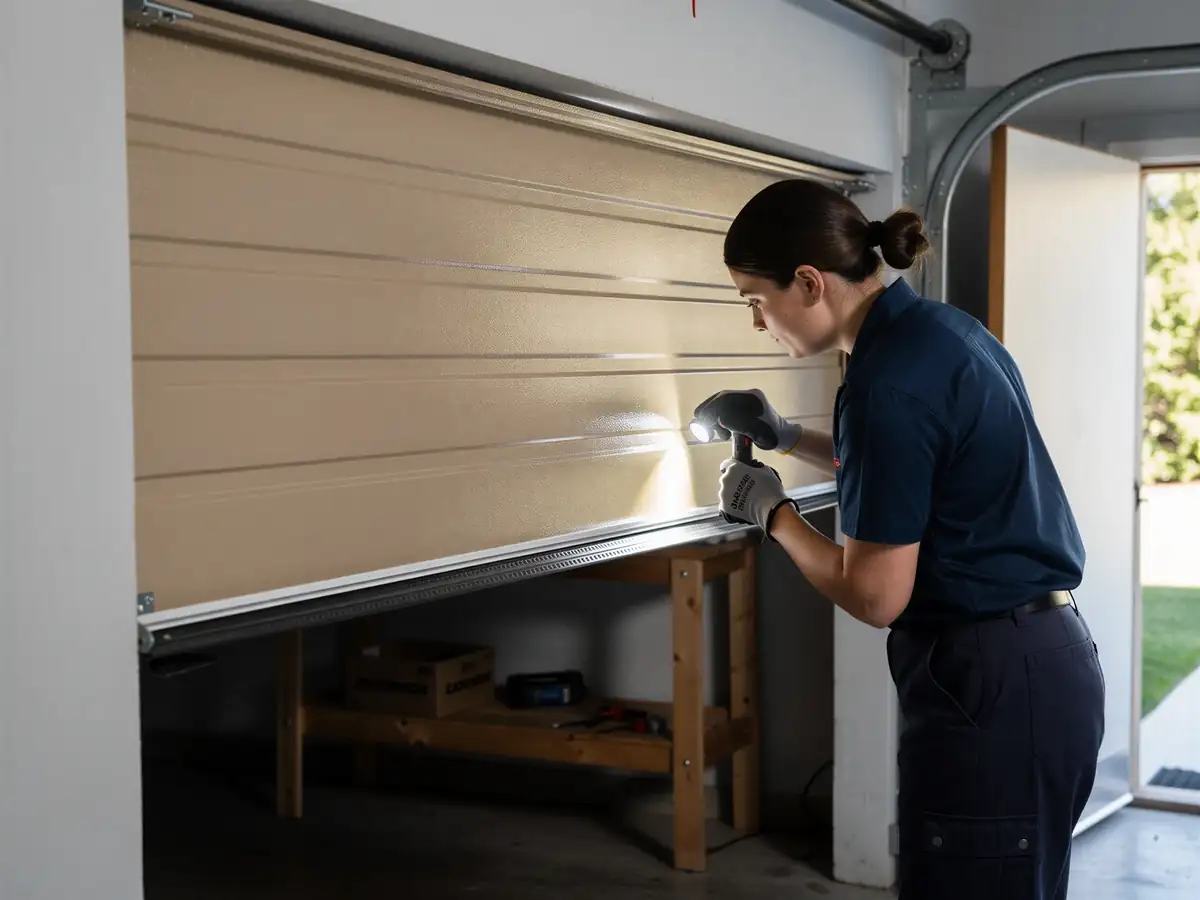
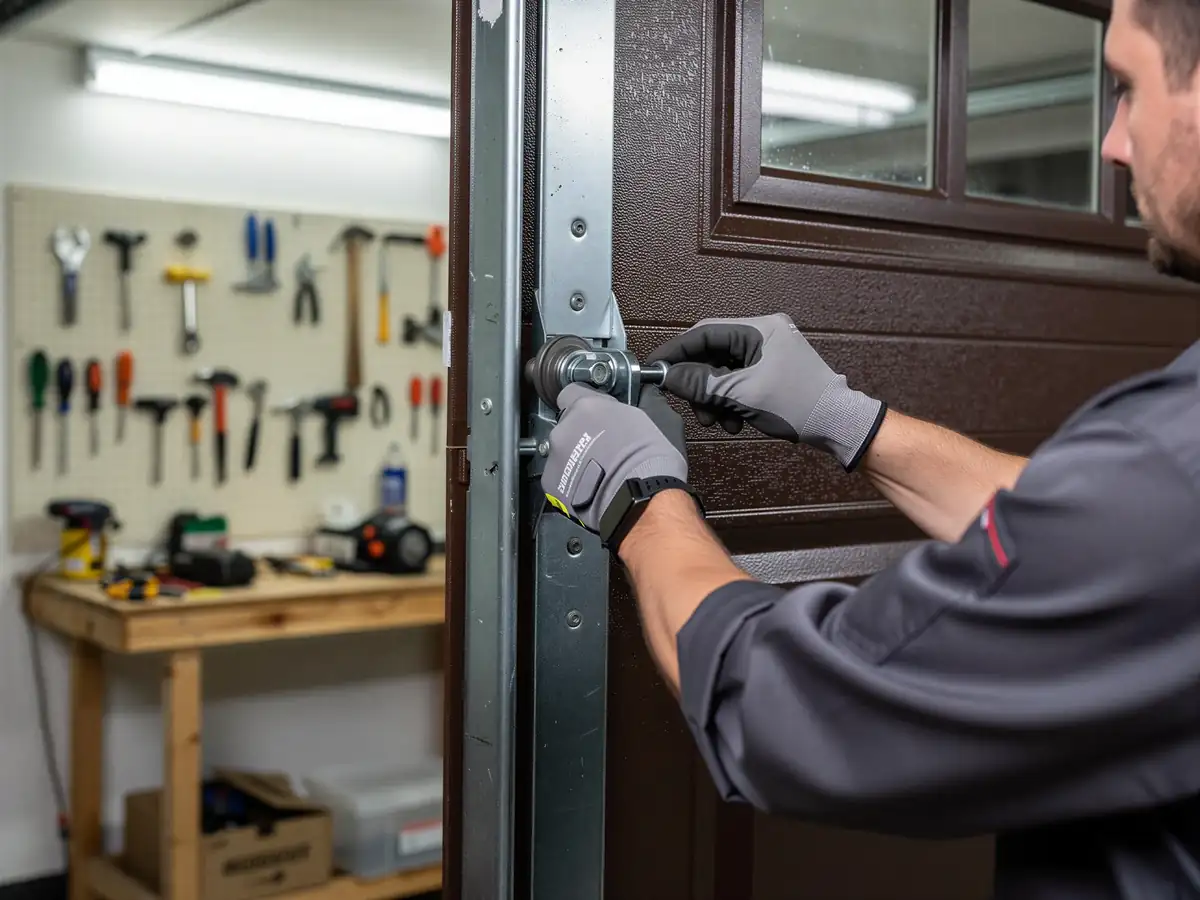
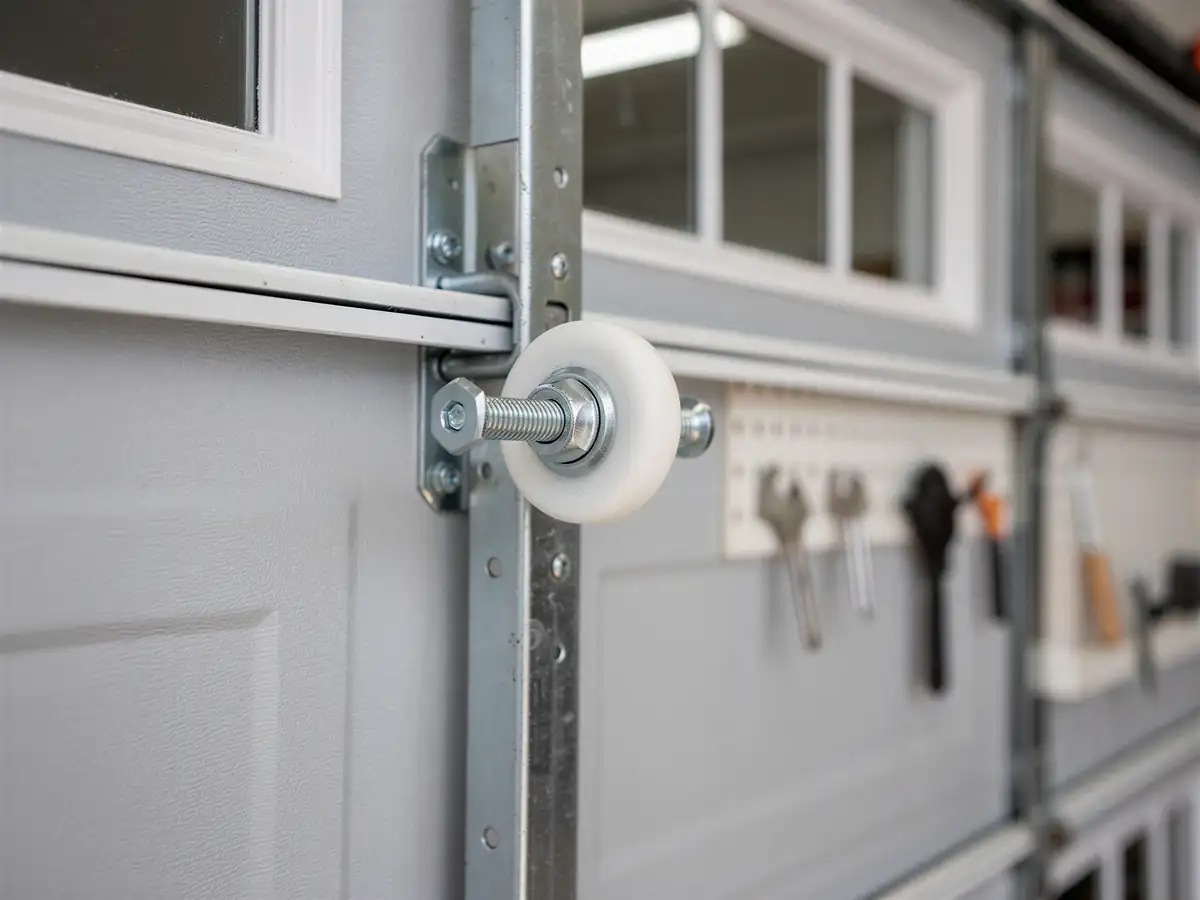
The mistake we see most on doors from this build era is somebody replacing the rollers but leaving the original hinges and track brackets in place, because those parts don't fail the same way and don't look worn at a glance. On a door that's been running on the same hardware since the late 1970s, the hinge holes elongate slowly - the roller stem starts riding loose in a hole that's no longer round, and a brand new roller will wear out again in a year or two in a hole that's egg-shaped instead of round. We check the hinges and the track alignment as part of any roller call, not as an upsell, because skipping that step is how a roller job turns into a second service call six months later. The other way this goes wrong is cost-driven: a homeowner wants the cheapest roller available, but on a door built to 1970s tolerances, a mismatched roller diameter puts uneven load on one side of the track and accelerates the exact wear you were trying to fix.
What Causes It Around Here
The fault almost always traces back to age and use, not a single bad part. With East Highland Park's housing built mostly around 1977, most doors in the area are 40-plus years into a hardware lifespan that steel rollers with plain bearings were never built to run that long without attention. Add in the region's cold winters - moisture gets into the bearing, freezes, and the roller starts dragging instead of turning smoothly, which wears the roller flat on one side and chews at the track edge. A door that's cycled twice a day for four decades has put a lot of miles on rollers that most owners never think about until they start making noise. None of that means the opener or the springs are also due - rollers fail on their own schedule, and replacing them early, before the track takes damage, is the cheaper call every time.